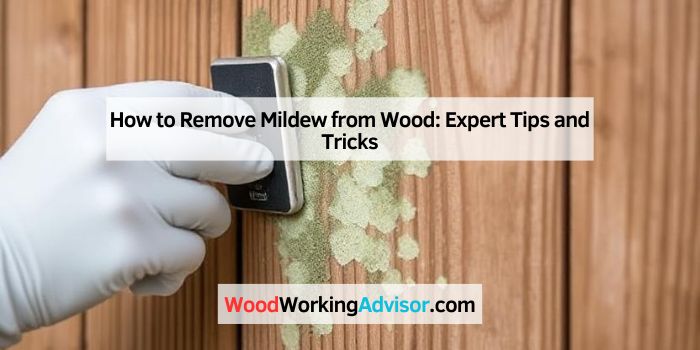
How to Remove Mildew from Wood: Expert Tips and Tricks
Mildew on wood can be a stubborn problem. It not only looks bad but can also damage the wood.
Removing mildew from wood is easier than you think. With a few simple steps, you can clean the wood and keep it looking great. Mildew thrives in damp and dark areas, making wood a perfect target. It appears as a powdery or fuzzy growth and can cause discoloration.
Luckily, you don’t need expensive tools or harsh chemicals to tackle this issue. By using common household items, you can effectively remove mildew and protect your wood. In this guide, we will show you how to identify, clean, and prevent mildew on wood, ensuring your surfaces stay clean and beautiful.
Identifying Mildew On Wood
Mildew appears as grey or white powdery spots on wood. Scrub the affected area with a mixture of vinegar and water. Dry thoroughly to prevent recurrence.
Common Signs
Mildew looks like a thin, black, or white growth on wood. It might also appear gray or green. Mildew has a musty smell. The wood may feel damp. You might see small, dark spots. These spots can spread quickly. Mildew often grows in shady, damp areas. Check for discoloration. Wood may look darker than usual.
Types Of Wood Prone To Mildew
Softwoods like pine and cedar are more prone to mildew. These woods are often used outdoors. Hardwoods like oak and maple can also get mildew. But they are less likely to get it. Wood in humid areas is at risk. This includes bathrooms and basements. Wood stored outside can also get mildew. Use treated wood to reduce risk. Sealed wood is less likely to mildew.
Preparing For Mildew Removal
Gather all supplies before starting. You will need a scrub brush, mild detergent, and warm water. Also, have a bucket, sponge, and protective gloves. A mask can help you avoid inhaling spores. Make sure you have clean rags and a spray bottle. These items will help you clean the wood effectively.
Safety is very important. Wear gloves to protect your hands. A mask will keep your lungs safe from spores. Work in a well-ventilated area. Open windows or use a fan to circulate air. Avoid getting cleaning solution in your eyes. If it does, rinse with water immediately. Always read labels on cleaning products.
Natural Cleaning Solutions
Vinegar is a powerful natural cleaner. Mix equal parts of vinegar and water. Spray the mixture on the mildew. Let it sit for an hour. Scrub the area with a brush. Baking soda adds more power. Sprinkle baking soda on the mildew. Spray vinegar over it. The mixture will bubble. Scrub the area again. Rinse with water and dry the wood.
Tea tree oil is a natural fungicide. Mix one teaspoon of tea tree oil with one cup of water. Pour the mixture into a spray bottle. Shake well. Spray the solution on the mildew. Do not rinse. The oil will kill mildew. Wipe the area with a cloth. Tea tree oil has a strong scent. Use it in a well-ventilated area.
Credit: www.reddit.com
Commercial Cleaners
Many products clean mildew from wood. Some work better than others. It is important to pick the right one. Look for cleaners made for wood. Make sure it says it removes mildew. Some cleaners can harm wood. Reading labels helps you choose the safest option. Check reviews from other users. These can tell you how well a product works. Choose a product with good reviews.
Using the cleaner correctly is very important. Always follow the instructions. Wear gloves to protect your hands. Apply the cleaner evenly on the wood. Scrub gently with a soft brush. Let the cleaner sit for the time it says. Rinse the wood with water after cleaning. Make sure the wood dries completely. This helps prevent mildew from coming back.
Step-by-step Removal Process
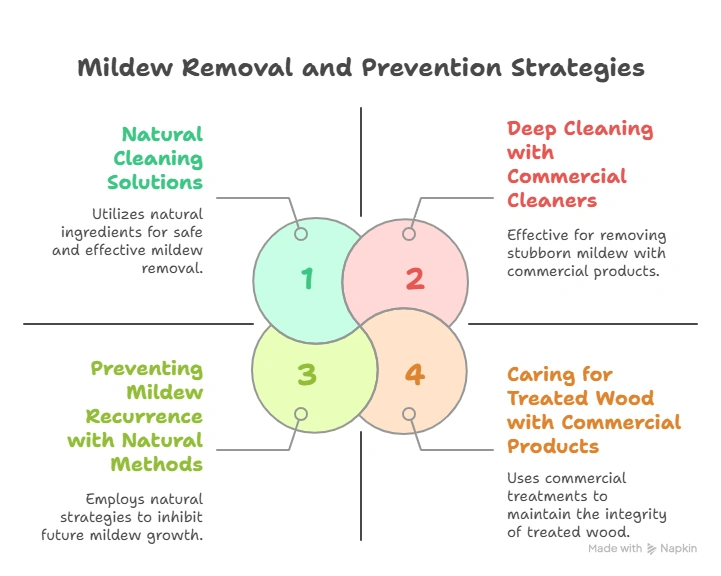
Removing mildew from wood involves a simple step-by-step process. Clean the wood with a mixture of water and vinegar, then scrub gently. Let the wood dry completely to prevent mildew from returning.
Initial Cleaning
Start by brushing off loose dirt and dust. Use a soft brush to avoid scratches. Mix a mild detergent with warm water. Dip a cloth in the soapy water. Wipe the wood surface gently. Rinse with clean water. Let it dry fully before the next step.
Deep Cleaning
Apply white vinegar to a cloth. Wipe the mildew spots. Let the vinegar sit for 10 minutes. Scrub gently with a soft brush. Rinse with clean water. Dry the wood with a clean towel. Make sure no moisture is left.
Preventing Mildew Recurrence
Regularly clean the wood to keep mildew away. Dust and dirt can hold moisture. Moisture leads to mildew. Seal the wood to protect it from water. Use good quality sealants. Check for cracks and fix them. Cracks let water in. Water causes mildew. Keep the wood dry. Dry wood stays mildew-free.
Keep indoor humidity low. Use a dehumidifier if needed. Ventilate the area well. Airflow reduces moisture. Moisture leads to mildew. Fix leaks quickly. Leaks increase humidity. Humidity causes mildew. Check for damp areas. Damp areas attract mildew. Use fans to dry damp spots. Dry spots stay mildew-free.
Handling Severe Mildew Infestations
Severe mildew can damage wood deeply. Call professionals when large areas are affected. If the smell is very strong, it is time for help. Experts have tools and cleaners that can save your wood. They know how to prevent future mildew growth. This ensures the problem does not come back. Professional help can be costly but saves wood from worse damage. It’s worth it.
Restoring wood after mildew removal is crucial. You can sand the wood to remove damaged layers. Repainting or staining the wood gives it new life. Sealants can protect the wood from future problems. Professional restoration is best for severe cases. They ensure wood looks good as new. DIY options are available but may not be as effective. Proper restoration helps keep wood beautiful and strong.
:max_bytes(150000):strip_icc()/clean-mold-off-wood-4767277-Vertical-FINAL-50d54949a7af4fc6a81c5ab2071249c4.png)
Credit: www.thespruce.com
Caring For Treated Wood
Check your wood often. Look for signs of mildew. Mildew can harm your wood. Inspect all parts of the wood. Look in corners and hidden spots. Early detection is key. It makes cleaning easier.
Protective finishes wear off over time. Reapply them every few years. This keeps the wood safe. It blocks moisture. Mildew needs moisture to grow. A good finish stops mildew.
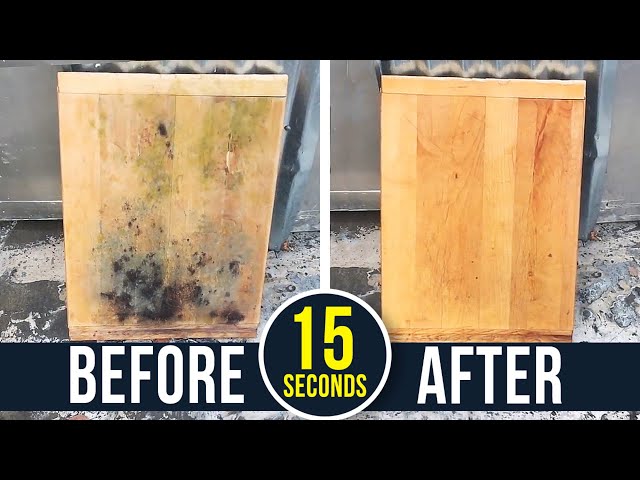
Credit: www.youtube.com
Frequently Asked Questions
What Kills Mildew On Wood?
Use a mixture of vinegar and water to kill mildew on wood. Scrub the area with a brush and rinse thoroughly.
Is Bleach Or Vinegar Better To Kill Mold On Wood?
Vinegar is better for killing mold on wood. It penetrates the surface and kills mold spores effectively. Bleach only cleans the surface.
How Long Does It Take Vinegar To Kill Mold On Wood?
Vinegar can kill mold on wood in about 60 minutes. Apply it generously and let it sit for an hour.
What Is The Best Mould Remover For Wood?
The best mold remover for wood is a solution of white vinegar and water. This natural cleaner effectively kills mold and prevents regrowth.
Conclusion
Removing mildew from wood can be simple and effective. Follow the steps carefully. Clean the affected area thoroughly. Use proper cleaning solutions. Ensure the wood dries completely. Prevention is key. Keep the wood dry to avoid future mildew. Regular maintenance helps.
Check for signs of mildew often. Prompt action saves time and effort. A clean, mildew-free wood enhances your space. Enjoy a fresh and healthy environment. Your wood deserves the best care. Stay proactive and vigilant. Happy cleaning!