Does Mulch Keep Bugs Away? Cedar vs Rubber Compared
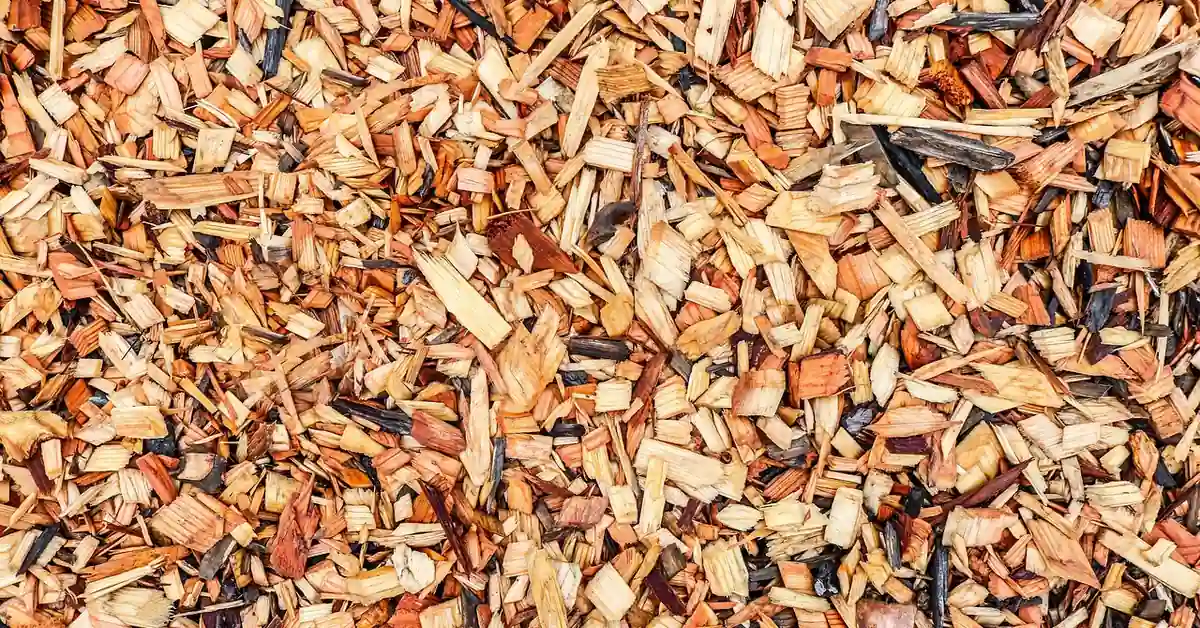
Cedar and cypress mulch genuinely repel ants, moths, mosquitoes, and carpet beetles thanks to natural oils like thujaplicin — but plain wood-chip or straw mulch does not, and can even draw termites and carpenter ants looking for food and moisture. Piling wood mulch against siding is one of the top conducive conditions pest inspectors flag, especially within 6 inches of a foundation. This guide covers which mulch types actually work, how deep and how far from the house to keep them, and what backs up the claims.
Which Mulch Types Actually Repel Bugs?
Best Bug-Repelling Mulch Pick
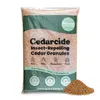
Cedarcide Original Cedar Granules (8 lb) – $40.00
Pure cedar granules you scatter into beds, along fence lines, or around a patio for the same thujaplicin-based repellent effect this article covers, without waiting on a fresh mulch delivery.
- Best for: Topping up bug-repelling coverage between full mulch refreshes
- Why we picked it: Pet- and family-safe, no synthetic pesticide
- Main drawback: Needs reapplying roughly monthly outdoors, faster after heavy rain
Compare more bug-repelling mulch options
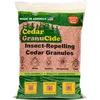 Option 1 GranuCide Cedar Granules (8 lb) – $38.99
|
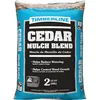 Option 2 OLDCASTLE Cedar Mulch (2 CF) – $20.95
|
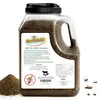 Option 3 ForceField Mosquito Yard Granules (3 lb) – $36.09
|
As an Amazon Associate we earn from qualifying purchases.
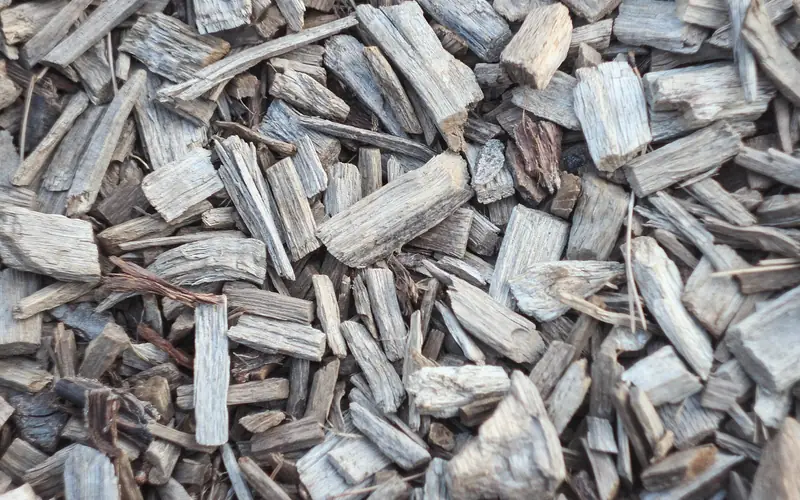
Bug-repelling mulch is mulch that contains natural oils or a texture insects avoid — cedar, cypress, and melaleuca are the three most consistently effective types, while plain wood chips, bark, and straw offer no chemical deterrent and can even feed the pests they’re supposed to keep out. The difference comes down to what’s actually in the wood, not just its color or price.
| Mulch Type | Repels | Can Attract | Best For |
|---|---|---|---|
| Cedar | Ants, moths, mosquitoes, carpet beetles | Little — oils fade after about a year | Beds near patios and entryways |
| Cypress | Similar insects to cedar, milder scent | Little — breaks down slower than cedar | Beds needing 2–3 years before replacing |
| Melaleuca | Termites specifically | Little — naturally pest-resistant wood | High termite-risk regions (Florida, Gulf Coast) |
| Straw | Slugs and snails (dries the soil surface) | Rodents, if piled thick over winter | Vegetable gardens |
| Plain wood chips / bark | Nothing chemically | Termites, carpenter ants, sowbugs near structures | Beds well away from the foundation |
Rubber mulch sits in its own category: it’s inorganic, so it gives wood-eating and decay-feeding pests nothing to feed on, but it isn’t a scent-based repellent the way cedar is — it simply doesn’t attract them in the first place. If you’re shopping for a bag, our best cedar mulch picks are compared by real coverage and cost, and our cedar vs cypress mulch comparison goes deeper on how the two hold up over a full season.
Does Wood Mulch Attract Termites Near Your House?
Mulch doesn’t feed termites directly, but it holds moisture and moderates soil temperature in ways that let a nearby colony survive and expand toward a structure — the same reason pest inspectors flag wood mulch piled against siding as a “conducive condition.” We cover the wood-science side of this in more detail in do termites like cedar wood and how to control termites in wood, but the mulch-specific fix is simple: distance and depth.
📊 Keep mulch 6 to 12 inches back from your foundation (up to 18 inches in high termite-risk regions), and no more than 2 to 3 inches deep — mulch piled past 4 to 6 inches against a house can bridge over a treated pest barrier. — Source: University of Florida IFAS Extension and structural pest control industry guidance
Cedar, cypress, and melaleuca mulch cut this risk further, since termites and carpenter ants are less drawn to wood carrying natural insect-deterrent oils in the first place. Plain bark or wood-chip mulch offers no such protection, so save it for beds well away from the house and reserve cedar or cypress for anything within a few feet of the foundation.
Best Mulch for Specific Garden Pests
What Mulch Keeps Mosquitoes Away?
Cedar mulch is the most consistently cited option for mosquitoes, since its oils double as a repellent. That said, standing moisture matters more than mulch type — a waterlogged bed of any mulch is what actually breeds mosquito larvae, so drainage and reapplication schedule do more work than the material alone.
Best Mulch for Ants
Cedar and cypress both discourage ants from nesting in the mulch bed itself. Plain wood chips do the opposite near a structure — carpenter ants use damp, decaying wood mulch as a stepping stone toward a house’s actual wood framing.
Best Mulch for Slugs and Snails
Straw and coarse gravel work better here than cedar. Slugs and snails need a moist surface to cross, and a drier, coarser mulch layer is harder for them to travel over than fine, always-damp bark mulch.
How to Apply Mulch for Maximum Pest Control
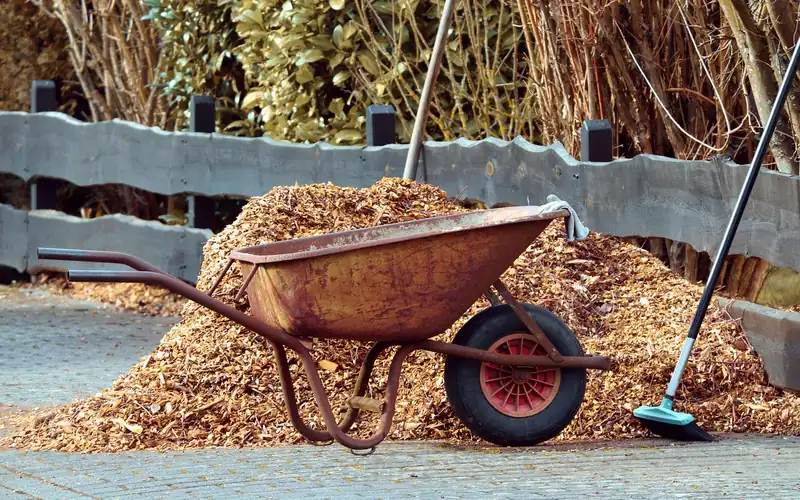
- Clear old material first: Rake away last season’s mulch and any compacted, matted layer before adding new mulch — fresh mulch on top of a soggy mat just adds more moisture pests use.
- Set the foundation gap: Keep mulch 6 to 12 inches back from siding, brick, or any wood structure; extend that to 18 inches in high termite-risk regions.
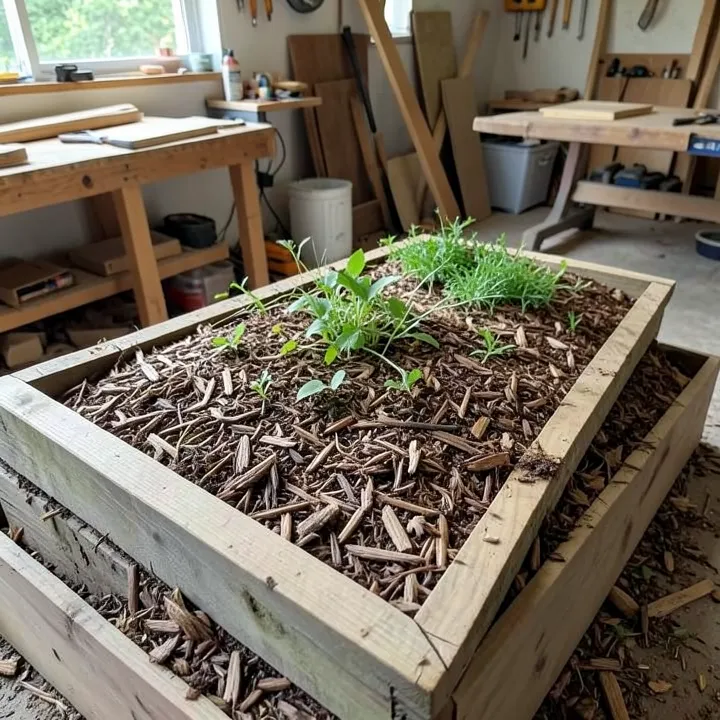
- Apply 2 to 3 inches deep: Spread mulch 2 to 3 inches deep and taper it at the edges — anything past 4 inches against a structure can bridge over a treated pest barrier.
- Choose the repellent types near structures: Use cedar, cypress, or melaleuca mulch in beds that touch the house; save plain wood chips or bark for beds well away from the foundation.
- Refresh on a schedule: Top off cedar or cypress mulch with about 1 inch of new material each spring, since the insect-repelling oils fade as the wood grays and dries.
- Check for standing moisture: If mulch is still soggy two days after rain, pull it back from downspouts or thin the layer — that trapped moisture is what draws pests, not the mulch itself.
Common Mulching Mistakes That Invite Bugs
- Piling mulch into a “volcano” against a trunk or the foundation: This traps moisture against bark or siding, which is exactly the damp, sheltered condition termites, carpenter ants, and rot need.
- Going deeper than 3 inches: Thick mulch blocks air and water from reaching roots and creates a humid layer pests can hide and breed in.
- Never removing old mulch: Layering fresh mulch on top of old, compacted mulch year after year builds a dense mat that holds moisture far longer than a single fresh layer would.
- Using plain wood chips right against the house: Wood chips can bring termites and carpenter ants when they sit directly against siding; grass clippings piled thick attract similar pests. Reserve untreated wood mulch for beds away from the structure.
“We cover cedar’s natural insect- and rot-resistance throughout our wood species guides — the same oils behind cedar mulch’s pest-repelling reputation are why cedar decking and fencing hold up against ground-contact insects without chemical pretreatment the way pine needs.”
Natural Ways to Boost Mulch’s Pest Control
Mulch works best paired with a couple of low-effort habits rather than on its own. Companion planting is one: basil discourages flies and mosquitoes, marigolds work against nematodes and whiteflies, and garlic planted near vegetables helps deter aphids and spider mites.
Natural predators do the rest. Ladybugs eat aphids, spiders catch a wide range of garden pests, and birds pick off insects and larvae. Providing water and simple shelter — a shallow dish, a brush pile, a bird feeder — keeps these predators around and reduces how much pest pressure your mulch has to handle alone.
Frequently Asked Questions
Does cedar mulch really repel insects?
Yes. Cedar bark and chips contain thujaplicin and cedrol, natural oils that discourage ants, moths, carpet beetles, and some mosquitoes. The effect fades as the mulch ages and dries out, so cedar mulch needs refreshing roughly once a year to keep working.
What mulch keeps mosquitoes away?
Cedar mulch is the most consistently cited option, since its oils double as a mosquito deterrent, and keeping mulch beds from staying waterlogged matters more than the mulch type — standing moisture in any mulch is what actually breeds mosquito larvae.
Does rubber mulch attract or repel bugs?
Rubber mulch does not feed insects the way organic mulch can, so it does not attract wood-eating or decay-feeding pests like termites and carpenter ants. It is not a scent-based repellent like cedar, and it can trap heat that some gardeners find harms nearby plant roots in summer.
How far should mulch be kept from a house foundation?
Most pest control and structural guidance puts the number at 6 to 12 inches, with up to 18 inches in high termite-risk regions or where siding sits close to the ground. Mulch piled directly against siding or brick creates the moisture and cover pests use to bridge from soil to structure.
How often should mulch be replaced for pest control to keep working?
About once a year for cedar and cypress, since the insect-repelling oils diminish as the wood weathers and grays. Top off with 1 inch of fresh material in spring rather than letting old mulch compact into a solid, moisture-holding mat.
Does mulch attract termites?
Wood-based mulch does not feed termites directly, but it holds moisture and moderates soil temperature in ways that let existing termite colonies survive and expand close to a house. That risk drops sharply with cedar, cypress, or melaleuca mulch and rises with mulch piled deep against the foundation.
Conclusion
Mulch can genuinely keep bugs away, but only certain types actually do it: cedar, cypress, and melaleuca carry natural oils that repel ants, moths, mosquitoes, and termites, while plain wood chips, bark, and grass clippings offer no chemical protection and can invite pests when piled against a house. Keep any wood mulch 6 to 12 inches from the foundation, no deeper than 2 to 3 inches, and refresh it yearly to keep the repellent effect working.
Sponsored / affiliate links. As an Amazon Associate I earn from qualifying purchases. I may earn additional commission from eligible campaigns.