How to Remove Spray Paint Without Damaging Paint: Tips
You’ve just discovered spray paint where it shouldn’t be—on your car, wall, or furniture. Panic sets in as you wonder how to tackle this mess without ruining the paint underneath.
It’s a common problem, and you’re not alone in facing it. Imagine the satisfaction of removing that unwanted spray paint effortlessly, revealing the pristine surface beneath. You might be thinking, “Is it even possible? ” Yes, it is, and you’re about to find out how.
This article will guide you through easy, effective methods to remove spray paint without causing damage to the original surface. From household items to specialized products, you’ll learn exactly what works and why. By the end, you’ll be equipped with the knowledge to tackle this issue confidently, saving both time and money. Get ready to transform your worries into triumph.

Credit: www.reddit.com
Methods For Removing Spray Paint
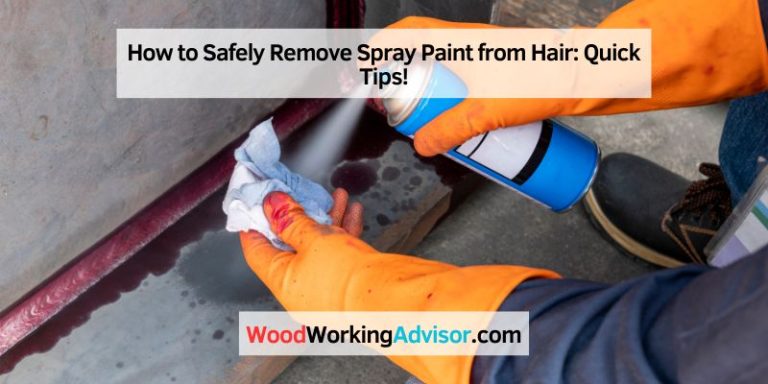
Start with soap and water. This is the easiest method. First, mix warm water with mild soap. Use a soft cloth to scrub the area. Be gentle to avoid scratches. Rinse with clean water. Check if the spray paint is gone. Sometimes, it needs more scrubbing. Repeat if needed.
Rubbing alcohol is great for spray paint. Dab a cloth with rubbing alcohol. Gently rub the paint spot. Watch the paint dissolve. Make sure to wipe it clean. Test on a small area first. This ensures no damage to the surface. Use in a well-ventilated space.
Nail polish remover can help remove paint. Choose a non-acetone remover. It is less harsh. Soak a cotton ball with remover. Rub gently on the paint. Slowly, the paint will come off. Avoid using too much. This prevents harm to the surface below. Always rinse well after use.
Tools And Materials Needed
Soft cloths are very important. They help wipe off paint gently. Mild soap and warm water are good for cleaning. Use them to clean the area carefully. White vinegar can be a helpful tool. It is gentle on surfaces. Baking soda mixed with water works well. It helps scrub away spray paint.
Gloves protect your hands. Wear them to keep skin safe. Safety goggles are necessary. They shield your eyes from splashes. Masks prevent breathing in fumes. Always wear one for protection. Long-sleeved clothing keeps skin covered. Ensure full protection with proper gear.
Safety Precautions
Spray paint fumes can be bad. Keep the room well-ventilated. Open windows and doors. Use fans to move air. Wear a mask to protect your lungs. Masks stop harmful stuff from getting inside. They keep you safe. Breathe easy, stay safe.
Spray paint can hurt skin and eyes. Wear gloves to protect your hands. They keep paint off your skin. Use goggles to shield your eyes. Paint in eyes can sting a lot. Rinse eyes with water if paint gets in. Safety first, always.
Step-by-step Guide
Start by cleaning the surface with a damp cloth. This removes dirt and dust. Make sure the area is dry before moving on. Cover parts that don’t need cleaning. Use tape and paper to protect them. Wear gloves to keep your hands safe. Always use a mask for safety.
Choose a gentle cleaner like soapy water. Apply it with a soft cloth. Rub the spot softly. Don’t press too hard. Check if the spray paint is coming off. If not, try a bit of vinegar. Vinegar helps dissolve paint gently.
Wipe the area with a clean, wet cloth. This removes any cleaner left behind. Let the area dry fully. Inspect for any missed spots. If found, repeat the steps. Ensure all materials are cleaned up. Dispose of waste safely.
Preventing Future Spray Paint Damage
Using the right paint helps in protecting surfaces. Quality paint lasts longer and prevents damage. Choose paints that have strong resistance to wear. These paints can withstand spray paint better. Look for paint that is easy to clean. Some paints have a protective layer. This layer prevents scratches and stains. When picking paint, read labels carefully. Select paints that are marked as durable. Durable paints offer better protection against spray paint. These paints keep your surface safe and clean.
Protective coatings are vital for surface safety. They act like a shield. This shield keeps spray paint from sticking. Use coatings that are clear and strong. These coatings add an extra layer of protection. Apply coatings evenly on all surfaces. Check for coatings that block UV rays. UV rays can damage paint. Coatings help in making surfaces easy to clean. They reduce the need for heavy scrubbing. For best results, reapply coatings every few years. This ensures continuous protection.
Common Mistakes To Avoid
Harsh chemicalscan ruin the original paint. People often use too much. This can cause peeling or fading. Always check the label before use. Choose gentle options when possible. Vinegar and baking soda are safer choices. They are kind to surfaces. Also, wear gloves to protect your hands. Safety first!
Each surface needs special care. Wood, metal, and plasticare different. Using the wrong cleaner can harm them. Test a small area first. See how it reacts. This helps avoid big mistakes. Be patient and go slow. Your surface will stay safe.
Frequently Asked Questions
How Can I Safely Remove Spray Paint?
To safely remove spray paint, use a gentle solvent like rubbing alcohol or acetone. Test on a small area first. Apply with a soft cloth and gently rub the spray paint. Avoid harsh scrubbing to prevent damage to the underlying paint.
What Household Items Remove Spray Paint?
Household items like baking soda, vinegar, or dish soap can help remove spray paint. Mix baking soda with water to form a paste. Apply it to the spray paint and scrub gently. Alternatively, use vinegar or dish soap with warm water for a mild solution.
Will Rubbing Alcohol Damage Car Paint?
Rubbing alcohol is generally safe for car paint if used correctly. Dilute it with water to minimize any potential damage. Always test on a small, inconspicuous area first. Use a soft cloth to apply and gently rub the affected area.
Can Wd-40 Remove Spray Paint?
Yes, WD-40 can help remove spray paint from surfaces. Spray a small amount on the affected area. Let it sit for a few minutes. Use a clean cloth to wipe the paint away gently. Test on a hidden area first.
Conclusion
Removing spray paint carefully is key to protecting your car’s finish. Use the right tools and methods to avoid damage. Always test your chosen cleaner on a hidden spot first. This ensures it won’t harm the underlying paint. Work gently and patiently.
Rushing can lead to mistakes. Follow safety tips like wearing gloves and goggles. These steps help you remove the spray paint effectively. Your car’s original paint will stay intact and beautiful. Keep these tips handy for future use. Your car will thank you with a flawless shine.