How to Remove Sticky Residue from Hardwood Floors: Expert Tips
Are you tired of that stubborn sticky residue on your beautiful hardwood floors? You’re not alone.
That frustrating, gooey mess can ruin the elegance of your space and make every step a sticky situation. You may have tried everything, but nothing seems to work. Don’t worry—there’s hope! In this guide, you’ll discover simple, effective methods to banish that pesky residue for good.
Imagine walking across your floors without the annoyance of stickiness underfoot. By the end of this article, you’ll be equipped with the knowledge to bring back the natural beauty and shine of your hardwood floors. Read on to transform your space and regain that smooth, clean feel every time you step inside.

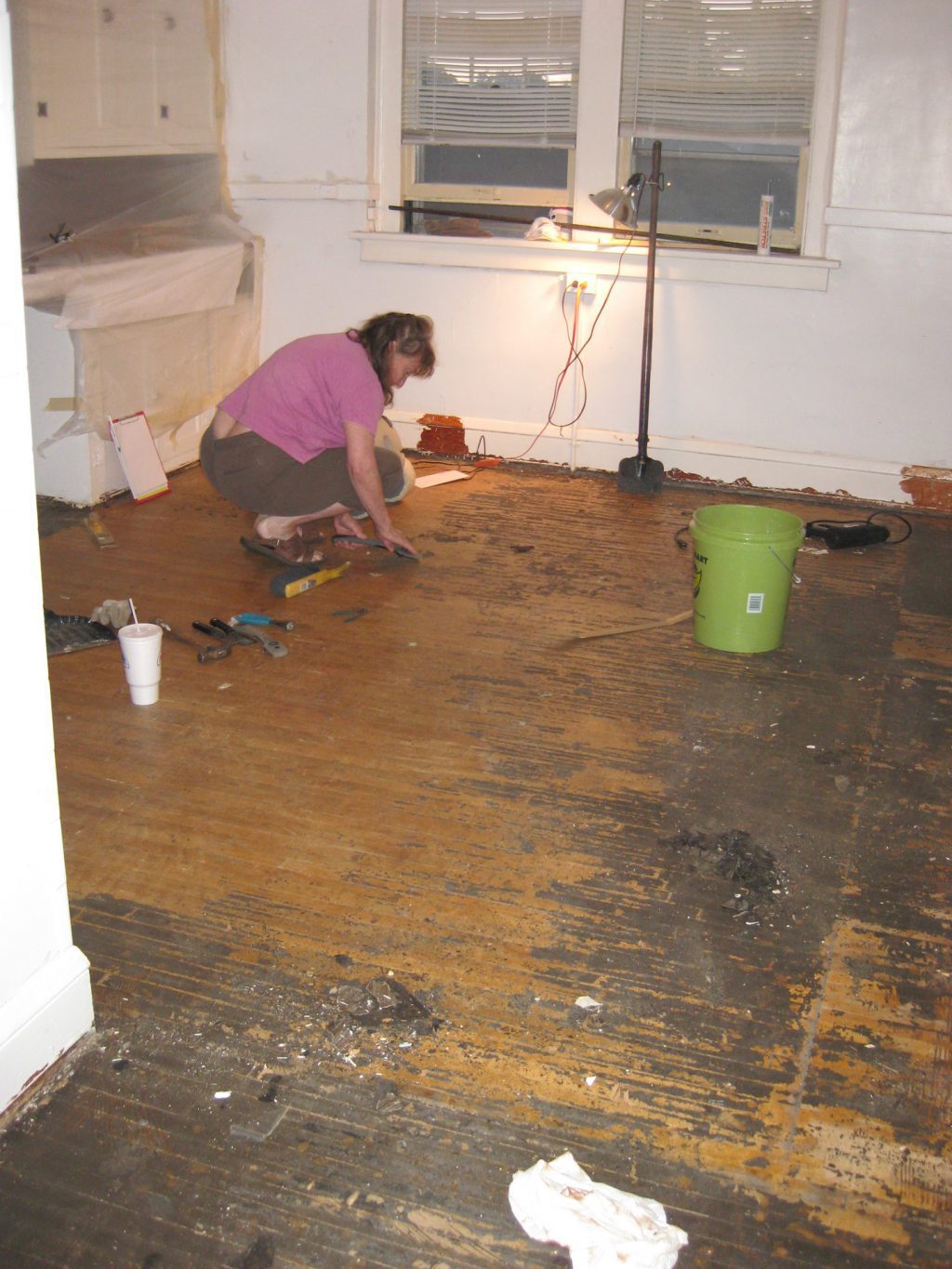
Credit: www.wikihow.com
Common Causes Of Sticky Residue
Sticky residue on hardwood floors can come from various sources. Spilled drinks are a common cause. Food particles left on the floor can also create stickiness. Sometimes, cleaning products can leave a sticky film. Wax buildup from floor polish is another reason. Pet accidents can also result in sticky spots. Even gum stuck on the floor contributes to residue. Dust and dirt mixed with moisture can create a sticky mess.
Each source has its own way of sticking. Liquids dry and leave sticky patches. Sugary drinks are especially sticky. Cleaning agents not rinsed properly will leave a film. Wax layers build up over time. Pet urine contains sticky substances. Gum residue is very hard to remove. Moist dust sticks more than dry dust.
Identifying The Type Of Residue
Different residues require different cleaning methods. Identify if the sticky residue is from wax, glue, or food spills. Knowing the type helps choose the right cleaning solution.
Food Spills And Stains
Food can leave sticky marks. Fruit juices and sauces are common culprits. Sugar and oil make stains stubborn. Clean spills quickly to avoid damage. Warm water and mild soap work best. Rinse well to remove soap residue.
Adhesive Marks
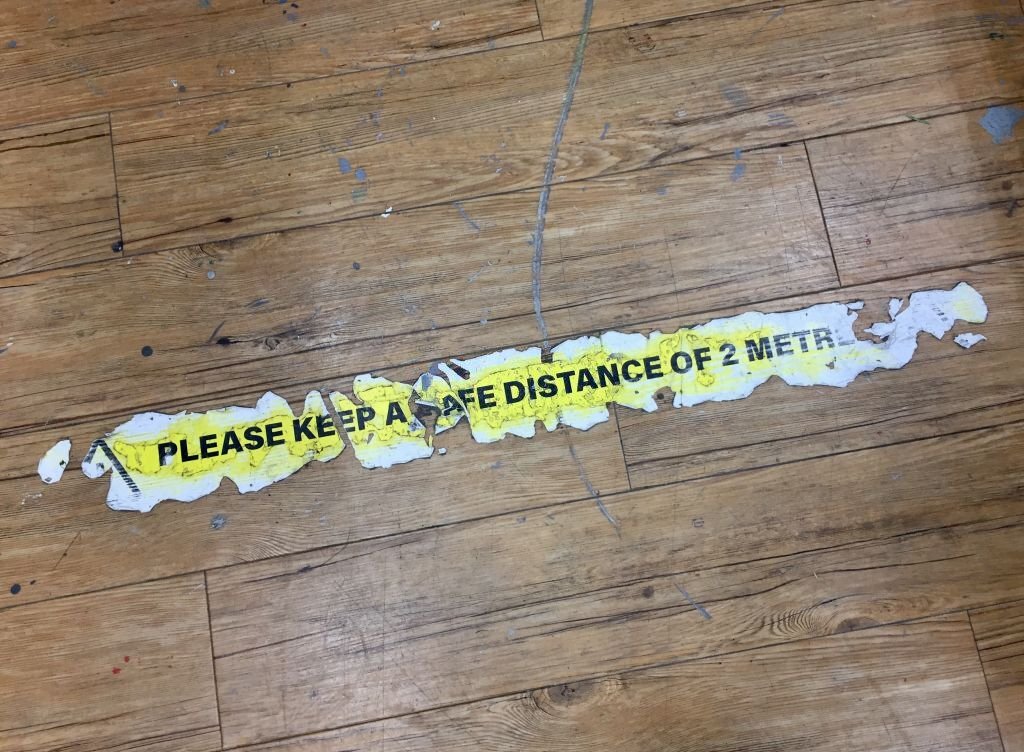
Tape and stickers leave residue behind. Goo from labels can stick to floors. Use a soft cloth to wipe them. Rubbing alcohol helps lift the sticky mess. Be gentle to avoid scratching the wood. Check the floor’s finish before using alcohol.
Cleaning Product Build-up
Too much cleaner leaves a sticky film. Wax and polish build up over time. This makes floors dull and sticky. Use a damp mop to clean away residue. White vinegar in water can help. Vinegar breaks down the sticky layer. Avoid harsh chemicals that damage wood.
Preparation Before Cleaning
First, collect all needed items. You will need a soft cloth, a mop, warm water, and mild soap. These are essential for cleaning. Make sure the soap is gentle. Strong soaps can harm the floor. A bucket will help mix soap and water. Always keep a dry cloth handy. It helps in drying after cleaning.
Test solutions on a small area first. This ensures safety for your floor. Use the cloth to apply the solution. Check for any changes. If the floor looks fine, proceed with cleaning. Never skip this step. It prevents damage to your beautiful floors. Always be careful with new solutions.
Natural Cleaning Solutions
Mix equal parts of vinegar and water in a spray bottle. Spray this on the sticky spot. Let it sit for a few minutes. Gently scrub the area with a soft cloth. This helps to lift the sticky residue. Repeat if needed. Vinegar is safe and natural. It’s also a great cleaner for floors. Make sure to dry the floor well.
Mix baking soda with a little water. Make a thick paste. Spread the paste on the sticky area. Let it sit for 5 minutes. Gently rub the paste with a soft cloth. Wipe away the paste with a clean, damp cloth. Baking soda is a gentle scrubber. It helps to remove sticky spots. Always dry the area well after cleaning.
Commercial Cleaning Products
Sticky residue on hardwood floors can be frustrating. Use mild commercial cleaning products to gently wipe away stickiness. Ensure the cleaner is safe for wood to prevent damage.
Selecting Safe Products
Choose cleaners that are safe for hardwood floors. Look for labels that say “safe for wood.” Avoid products with harsh chemicals. These can damage the wood surface. Check for eco-friendly options. These are gentle and effective.
Application Techniques
Always follow instructions on the label. Use a soft cloth or mop. Do not soak the floor. Too much water can cause damage. Apply cleaner evenly. Start from one corner of the room. Work towards the exit. This helps prevent stepping on wet areas. Let the floor dry completely. Do not rush the drying process.
Effective Cleaning Techniques
Tackling sticky residue on hardwood floors requires gentle cleaning methods. Use a mixture of warm water and vinegar to lift residue. A soft cloth can help remove the sticky layer without damaging the wood surface.
Gentle Scrubbing Methods
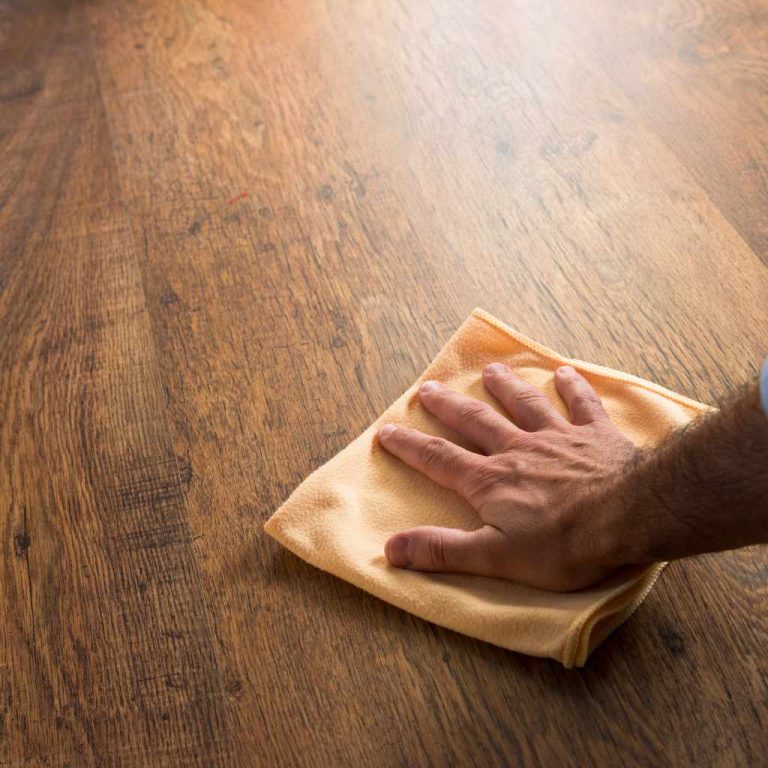
Sticky residue can be tough to remove. A soft cloth is gentle on hardwood. Dampen it with warm water. Add a few drops of dish soap. Avoid harsh chemicals. They can damage the floor. Rub gently in a circular motion. Focus on the sticky spots. Rinse the cloth often. This keeps the soap from building up. Repeat until the residue is gone.
Using A Steam Cleaner
Steam cleaners can help with sticky floors. They use hot steam. This loosens the residue. No chemicals are needed. Make sure the steam cleaner is safe for wood. Follow the instructions carefully. Move the cleaner slowly over the sticky area. The heat will lift the residue. Dry the floor with a clean cloth. Ensure no water stays on the wood.
Preventing Future Residue Build-up
Regular cleaning can help avoid sticky residue on hardwood floors. Use a soft cloth and gentle cleaner. Dry thoroughly to maintain the wood’s shine and prevent future build-up.
Regular Maintenance Tips
Keep your hardwood floors clean. Sweep or vacuum every day to remove dirt. Dirt can cause sticky residue. Use a soft brush attachment to avoid scratches. Mop weekly with a damp cloth. Avoid too much water. Water can damage wood. Check for spills often. Wipe spills quickly to prevent stains. Use floor mats at entrances. Mats trap dirt and moisture. This stops dirt from spreading.
Proper Cleaning Practices
Use cleaners made for wood floors. Avoid harsh chemicals; they can harm the finish. Cleaners should be pH-balanced. Test cleaners on a small area first. This ensures no damage. Don’t use wax or oil-based products. They leave residue. Follow manufacturer instructions for the best results. Clean with the grain of the wood. This helps keep your floors looking nice. Polish floors yearly for shine and protection. Regular cleaning keeps floors beautiful.
When To Seek Professional Help
Sticky residuecan damage your hardwood floors. Deep stains or marks are signs of severe damage. Floors may have cracks or warping. This means the damage is serious. DIY methods may not work. Professional help might be needed.
Signs Of Severe Damage
Large stains can be harmful. Cracks may appear on your floor. Warping can change the shape. This is a sign of severe damage. Seek help if damage is big.
Choosing A Professional Service
Find a servicewith good reviews. Ask friends for advice. Choose services with experience in hardwood floors. Look for fair pricing. Check if they offer guarantees. Make sure they use safe products. Professionals can fix severe damage.
Credit: shop.truckmountforums.com
Frequently Asked Questions
Is Goo Gone Safe On Hardwood Floors?
Goo Gone is generally safe for hardwood floors but test in a small area first. Avoid prolonged exposure or excessive use. Use a damp cloth to wipe clean and ensure no residue remains. Protect the finish to maintain the floor’s natural beauty.
Follow instructions for best results.
How To Remove Stubborn Sticky Residue From Wood?
Use a mixture of vinegar and water to gently rub the sticky residue. Wipe clean with a damp cloth. For stubborn residue, apply a small amount of olive oil, then gently scrub. Finish by wiping with a dry cloth. Avoid harsh chemicals to prevent wood damage.
Why Is My Wooden Floor Sticky Even After Mopping?
Residue from cleaning products can cause stickiness on wooden floors. Use less detergent or a pH-neutral cleaner. Ensure thorough rinsing and drying after mopping. Sticky floors may also result from humidity or wax buildup, requiring a deeper clean or professional maintenance.
How To Remove Sticky Adhesive From Floor?
Use a cloth soaked in warm soapy water to soften the adhesive. Gently scrape with a plastic scraper. For stubborn residue, apply rubbing alcohol or vinegar. Rinse and dry the area thoroughly. Always test any solution on a small area first to avoid damage.
Conclusion
Removing sticky residue from hardwood floors is simple with the right steps. Start by using gentle cleaning products. Ensure they are safe for wood. Avoid harsh chemicals; they can damage floors. Use warm water and mild soap for stubborn spots.
A soft cloth works best to prevent scratches. Regular cleaning keeps floors shiny and residue-free. Follow these steps consistently for beautiful hardwood floors. Enjoy a clean and inviting home environment. Keep your floors looking their best with care and attention.
Your hardwood floors will thank you.