Robot Hardwood Floor Cleaner: Is It Safe? What to Check First
A robot vacuum is safe for hardwood floors when it has soft rubber wheels and a brush roll built for hard floors – not an aggressive carpet beater bar. The real risk isn’t the robot itself, it’s grit trapped in a dirty wheel or brush getting dragged across the finish. This guide covers what to check before buying, how to keep a robot cleaner from marking your floors, and one straightforward pick if you just want a single safe option instead of comparing a full lineup.
What Makes a Robot Vacuum Safe for Hardwood Floors
Best Budget Robot Cleaner Pick
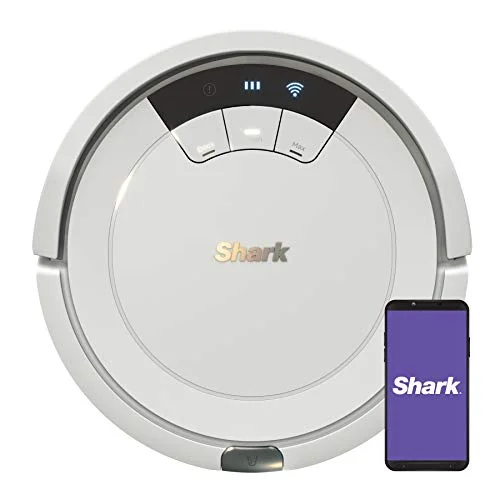 |
Shark ION Robot Vacuum, Tri-Brush System (AV752) – $149.99 This model uses the soft wheels and gentle tri-brush design this guide recommends checking for – it’s a straightforward single pick for hardwood floors without needing to compare a full lineup.
|
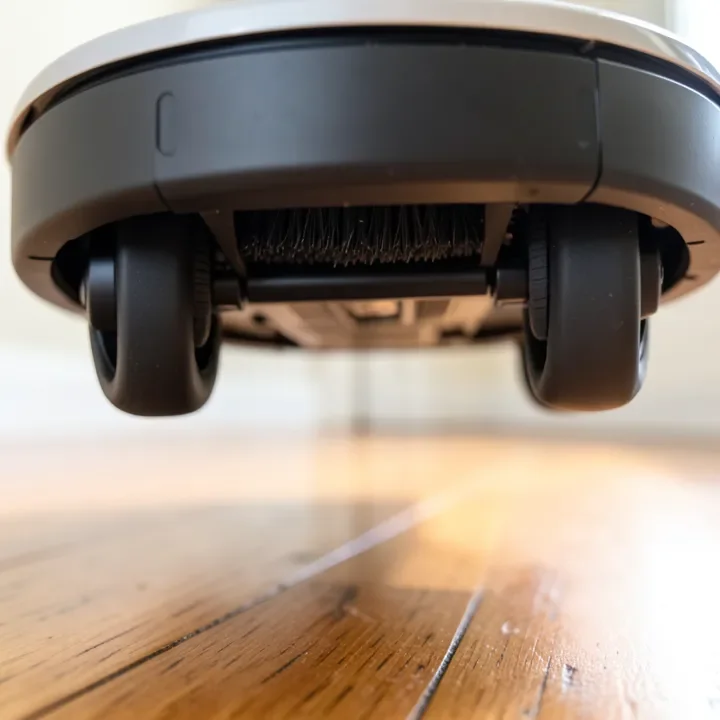
Two design details separate a hardwood-safe robot cleaner from one that risks scuffing the finish: wheel material and brush roll type. Soft rubberized wheels roll cleanly across finished wood, while hard plastic wheels can grind trapped grit into a fine scratch pattern over hundreds of passes. A brush roll designed for hard floors uses soft bristles rather than the stiff rotating beater bar built for digging debris out of carpet fibers – a carpet-focused beater bar dragged repeatedly across bare wood is more likely to leave hairline marks.
Suction, Mapping, and Battery: What Actually Matters
Suction power matters less on hardwood than on carpet, since there’s no fiber pile to pull dust out of – most mid-range robots have more than enough suction for bare-floor dust and debris. Smart mapping is a genuine convenience upgrade (systematic room-by-room coverage instead of random bouncing), but it’s not a safety feature, so it’s worth paying for only if you want more predictable coverage, not because a non-mapping robot is any less safe for your floors. Battery life determines how much floor area gets covered per charge; a robot that returns to dock mid-room simply resumes later rather than posing any risk to the floor.
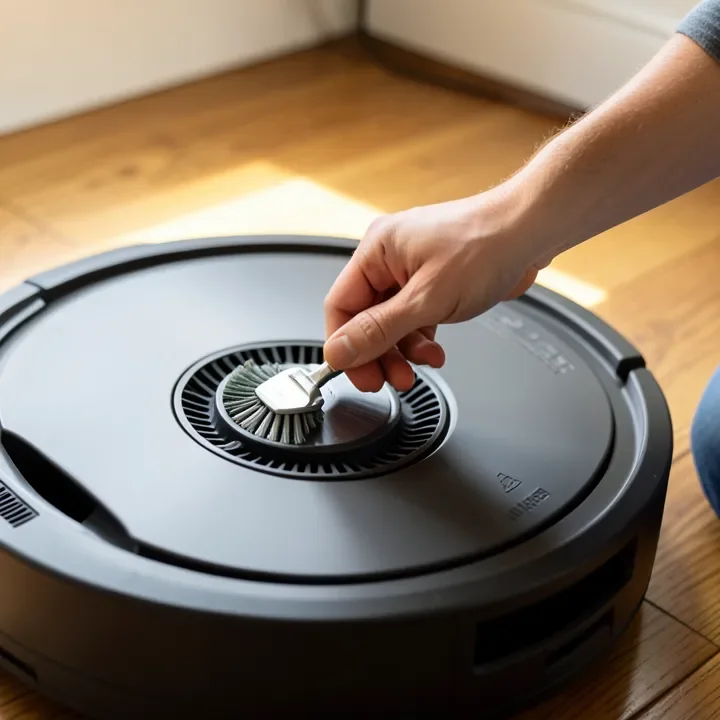
How to Maintain a Robot Cleaner So It Stays Safe for Your Floors
Most hardwood-floor complaints about robot vacuums trace back to maintenance, not the robot’s design.
- Clear hair from the brush roll weekly: wrapped hair reduces contact evenness and can create a rougher edge that drags on the floor.
- Wipe the wheels monthly: grit lodged in a wheel is the single most common cause of fine hardwood scratches from robot vacuums.
- Empty the dustbin after every run: a full bin reduces suction and makes the robot pass over the same debris repeatedly.
- Keep the charging dock area clear: dust buildup there can transfer back onto the floor near the dock.
- Check sensors for dust: dirty sensors are the leading cause of a robot bumping into furniture instead of gliding around it.
When a Robot Cleaner Isn’t Enough
A robot vacuum handles daily dust and light debris well, but it isn’t a substitute for an occasional deeper clean. Sticky spills, grease film, and grout-line buildup along baseboards need a damp mop pass a robot vacuum alone won’t fully lift. If you’re weighing a robot against a full cordless upright for a deeper clean, our cordless vacuum for hardwood floors guide compares vacuums, robot cleaners, and microfiber mops side by side.
Comparing More Robot Vacuum Options
This guide focuses on what actually makes a robot cleaner safe and how to keep it that way, with one straightforward pick if that’s all you need. If you specifically want a side-by-side comparison of several safe-for-hardwood models, see our best robot vacuums for hardwood floors roundup. If you’re set on the Roomba brand specifically, our 7-model Roomba comparison breaks down which Roomba to pick. This guide covers dry vacuuming only – if you want a combo unit that also mops, our automatic wood floor cleaner guide covers the moisture-control features that matter once water is involved.
Frequently Asked Questions
How does a robot hardwood floor cleaner work?
A robot hardwood floor cleaner uses sensors to navigate a room, a brush roll and suction to lift dust and debris, and soft wheels to avoid marking the floor. Most models return to a charging dock automatically and can be scheduled to run on their own.
Are robot cleaners safe for wood floors?
Yes, as long as the model has soft rubber wheels and a brush roll designed for hard floors rather than an aggressive carpet beater bar. Grit trapped in a hard or dirty wheel is the most common cause of fine scratches, which is why regular wheel and brush cleaning matters more than the robot’s brand.
How do I maintain a robot floor cleaner?
Empty the dustbin after every run, remove hair and debris wrapped around the brush roll weekly, and wipe down the wheels and sensors monthly so trapped grit doesn’t get dragged across the floor. Keeping the charging dock free of dust also helps the robot find its way back reliably.
Can robot cleaners handle pet hair on hardwood floors?
Yes – most robot vacuums handle pet hair well on hardwood since there’s no carpet fiber for hair to tangle into, though hair still wraps around the brush roll and needs to be cleared out regularly to keep suction strong.
Conclusion
A robot vacuum is safe for hardwood floors when it has soft wheels and a hard-floor brush roll – and stays safe as long as you clear grit from the wheels and hair from the brush regularly. For most homes, that’s a bigger factor than which specific model you buy, though a dedicated single pick like the one above makes the decision simple if you don’t need a full comparison.
Sponsored / affiliate links. As an Amazon Associate I earn from qualifying purchases. I may earn additional commission from eligible campaigns.