How to Repair MDF Cabinets: Easy DIY Solutions
Are your MDF cabinets showing signs of wear and tear? Perhaps there are scratches, chips, or water damage that make them look less than perfect.
You might be wondering if there’s a way to restore them without spending a fortune on new ones. The good news is, you can repair MDF cabinets yourself with some simple techniques. This guide will walk you through the process step-by-step, ensuring your cabinets look as good as new.
Imagine the satisfaction of seeing your kitchen or bathroom transformed by your own hands. Keep reading to discover how you can achieve this and give your cabinets the makeover they deserve.
Credit: www.handhillscabinets.com
Common Mdf Cabinet Issues
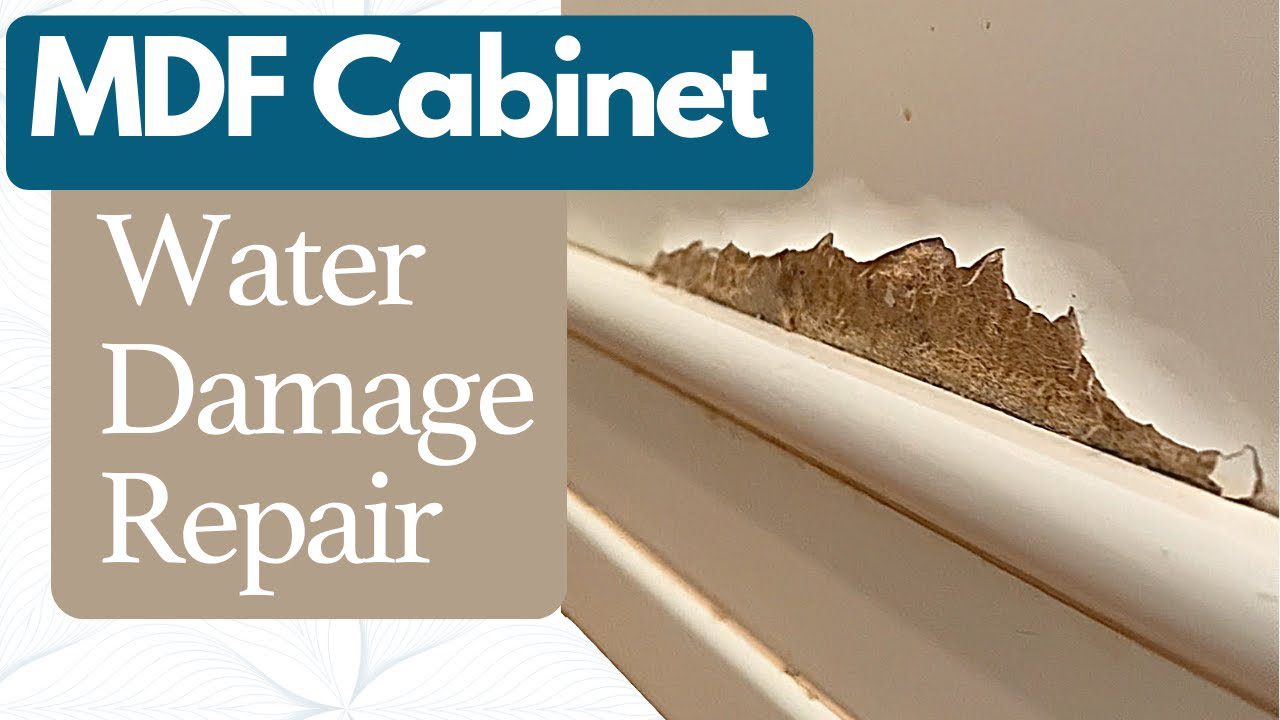
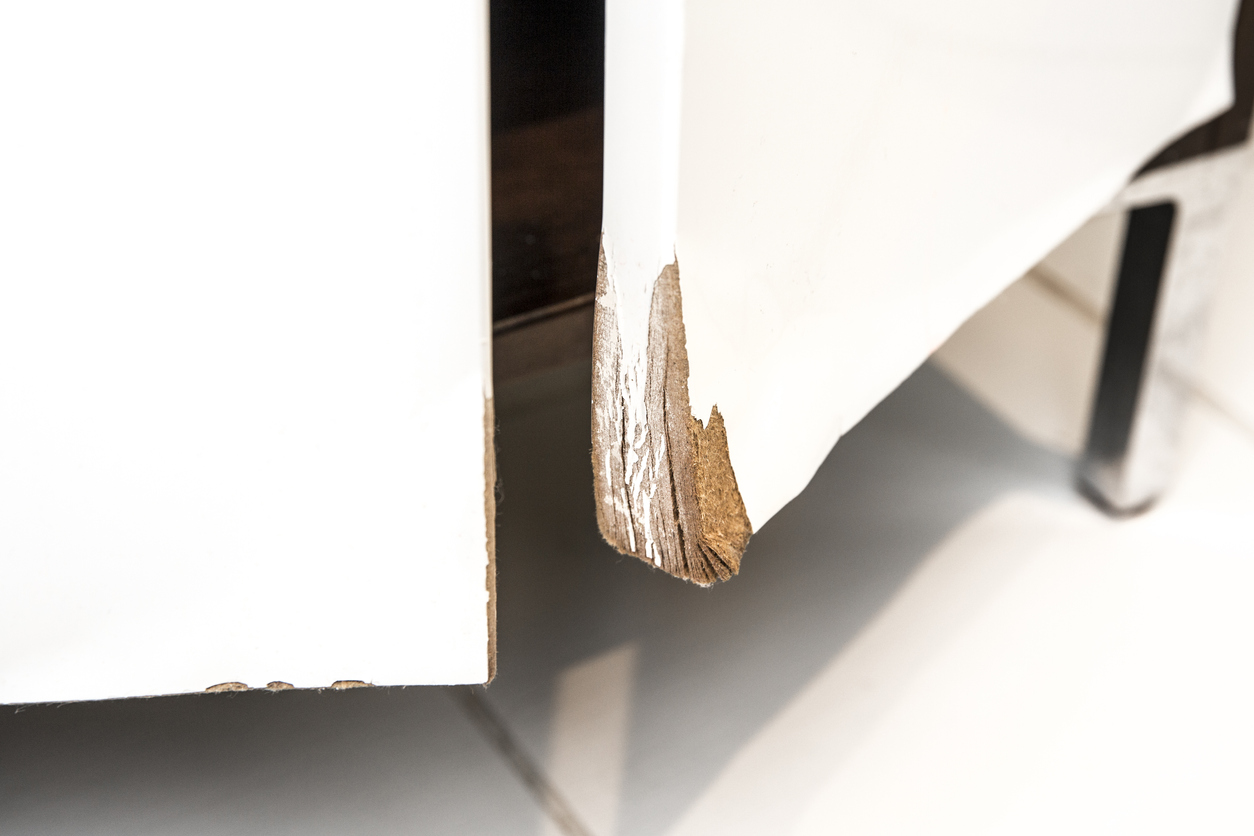
Water stains appear on the surface. They are often dark or discolored. Swelling is another sign. The cabinet may feel bumpy or uneven. Soft spots can occur. Press gently to check. If the wood feels soft, it may be damaged. Musty smell is noticeable. This often means water has seeped in. Cracks might appear. These can spread if not fixed. All these signs indicate water damage.
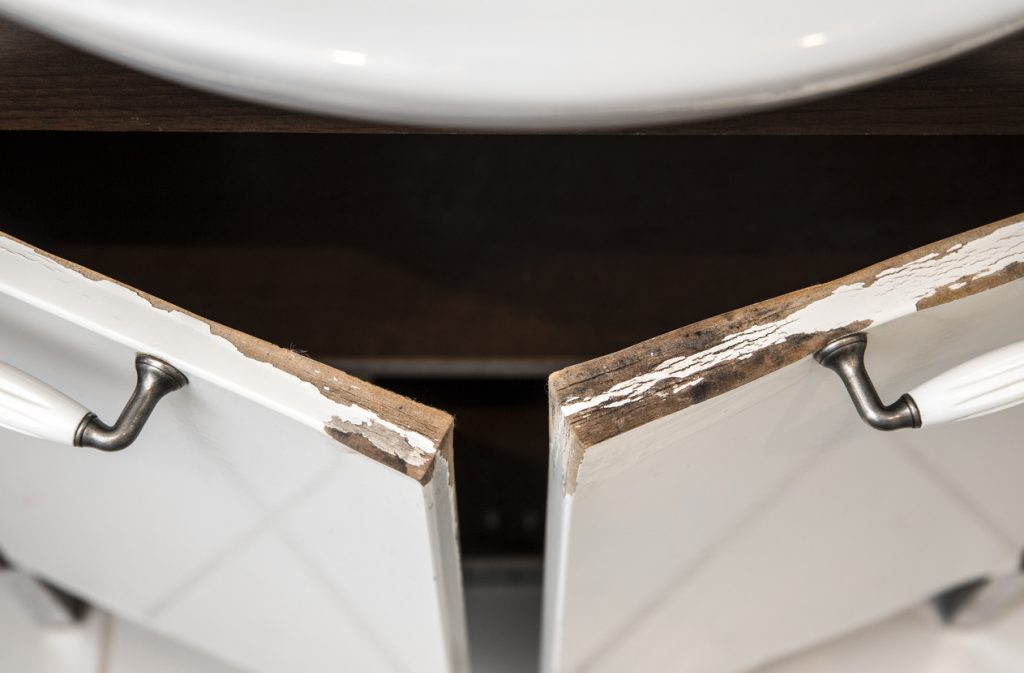
Paint chips expose the wood. This can lead to further damage. Edges often peel first. They are more prone to wear. Bubbles may form under the paint. This is a sign of poor adhesion. Fading occurs over time. Sunlight can make paint lose its color. Cracking paint looks like small lines. It needs fixing to prevent more peeling.
Squeaky hinges can be annoying. They need oil to fix. Loose hinges cause doors to sag. Tighten screws to solve this. Misaligned doors don’t close properly. Adjust hinges to realign. Worn-out screws need replacing. They can make hinges unstable. Broken hinges make doors fall off. Replace them for secure doors.
Credit: www.handhillscabinets.com
Essential Tools And Materials
Repairing MDF cabinets requires essential tools and materials. Sandpaper, wood glue, and clamps help fix surface damages. A putty knife and filler smooth out imperfections, while a screwdriver and paint enhance the cabinet’s appearance.
Basic Repair Tools
You need some basic tools for cabinet repair. A screwdriver is essential. It helps open and close screws. A hammer is useful too. Use it to tap nails in place. Sandpaper smooths rough surfaces. It makes them nice and even. A paintbrush can help with touch-ups. It applies paint smoothly. Finally, a drill is good for making holes. It speeds up the job.
Materials For Restoration
Wood filler is important. It fills holes and cracks. Paint or stain is needed for color. It refreshes the cabinet look. Glue helps stick parts together. It holds them firmly. Replacement hinges can be helpful. They fix broken doors. Screws and nails are necessary too. They keep everything in place.
Safety Equipment
Safety is very important. Gloves protect your hands. They keep them safe. Goggles shield your eyes. They prevent dust from entering. A dust mask is vital. It helps you breathe clean air. Earplugs reduce noise from tools. They protect your hearing. Make sure to wear these while working.
Fixing Water Damage
Start by removing excess water. Use towels or a dry cloth. Ensure the cabinet is completely dry. Air circulation helps. Fans are useful. Clean the surface with a gentle cleaner. Avoid harsh chemicals. They can damage the finish. Dry the area again after cleaning. Check for any mold. Remove it promptly. It can spread quickly.
Inspect the cabinet for any holes or gaps. Use wood filler to fill them. Wait for it to dry. Sand the area smoothly. Use fine-grit sandpaper. Be careful not to damage the surrounding surface. Wipe away dust after sanding. Ensure the surface is even. Repeat if necessary. Smooth surfaces look better.
Choose a suitable paint for MDF. Primer is necessary. Apply it first. Let it dry completely. Then apply the paint. Use thin layers. Thick layers may peel. Allow each layer to dry. Use a brush or roller for even coverage. Finish with a sealant for protection. This adds shine and durability.
Repairing Chipped Or Peeling Paint
Clean the cabinet with a mild detergent and water. Dry it well. Sand the surface gently. Use fine sandpaper. Remove dust with a damp cloth. Ensure the surface is smooth. This helps the paint stick better. Check for any loose bits. Fix them before painting.
Use a good quality primer. This prepares the surface. Apply the primer evenly. Let it dry fully. Choose a paint that matches your cabinet color. Use a small brush for corners. Apply thin coats of paint. Let each coat dry. This prevents drips.
After painting, use a clear sealant. This protects the paint. Choose a sealant that is water-resistant. Apply it evenly. Let it dry well. This helps your cabinets last longer. Keep them looking fresh.
Repairing Hinges And Hardware
Loose hinges can make cabinets wobbly. Use a screwdriver to tighten screws. Check each hinge carefully. Ensure screws are snug but not over-tightened. Over-tightening can damage wood. Test cabinet doors after tightening. They should open smoothly without wobble.
Broken parts need immediate fixing. Gather tools like screwdriver and hammer. Remove broken pieces gently. Measure the size of broken parts. Buy new parts with same size and type. Fix new parts using correct tools. Ensure everything fits well and is secure.
Misaligned doors can look bad. Open cabinet doors fully. Check alignment from top to bottom. Adjust hinges if doors are uneven. Use a level tool for accuracy. Tighten screws to secure alignment. Repeat steps for all doors if needed.
Preventive Maintenance Tips
Clean your MDF cabinets weekly. Use a soft, damp cloth. Avoid harsh chemicals. They can damage the surface. Dust particles can scratch the finish. So, wipe them away gently. Pay attention to corners. Dirt hides there easily.
Moisture is a big enemy of MDF cabinets. Keep them dry always. Wipe spills immediately. Use coasters under drinks. Avoid placing wet items on the surface. Seal edges properly. It stops water damage. Consider using a dehumidifier in damp areas.
Check cabinets monthly. Look for loose hinges. Tighten them with a screwdriver. Inspect for swollen areas or cracks. Fix them early. It prevents bigger problems. Listen for squeaky doors. Lubricate them if needed. Regular care keeps cabinets strong.
Credit: www.youtube.com
Frequently Asked Questions
Can MDF Be Repaired?
Yes, MDF can be repaired. Use wood filler for small damages and sand it smooth. For larger issues, replace the damaged section. Seal the repaired area to prevent moisture damage. Proper care ensures longevity.
How To Refurbish MDF Cabinets?
Clean and sand the MDF cabinets. Apply a primer to seal the surface. Use a high-quality paint or veneer. Replace hardware for a refreshed look. Allow cabinets to dry completely before reassembly.
Can You Repair Swollen MDF?
Repairing swollen MDF is challenging. Sand the swollen area, apply wood filler, and sand again. Seal with primer and paint. Prevention involves avoiding moisture exposure. Consider replacement for severe damage. Regular maintenance can extend MDF’s lifespan.
Can You Reface MDF Cabinets?
Yes, you can reface MDF cabinets by applying new veneers or paint. Sand the surface for better adhesion. Make sure to use quality materials for lasting results. Refacing transforms the look without replacing the entire cabinet, saving time and money.
Conclusion
Repairing MDF cabinets can be straightforward with the right steps. First, gather essential tools and materials. Next, identify and clean the damaged area. Sand gently for a smooth surface. Apply wood filler or glue as needed. Allow ample time for drying.
Finally, sand again and paint for a fresh look. Regular maintenance can prevent future damage. With patience and care, your cabinets can look as good as new. Keep practicing these skills for more confidence. Happy repairing!