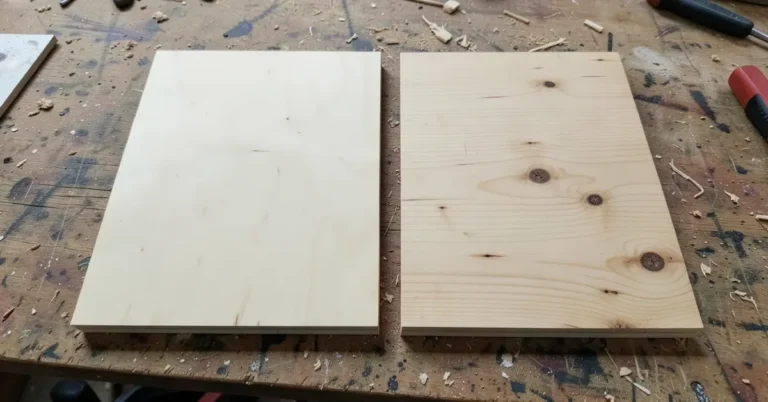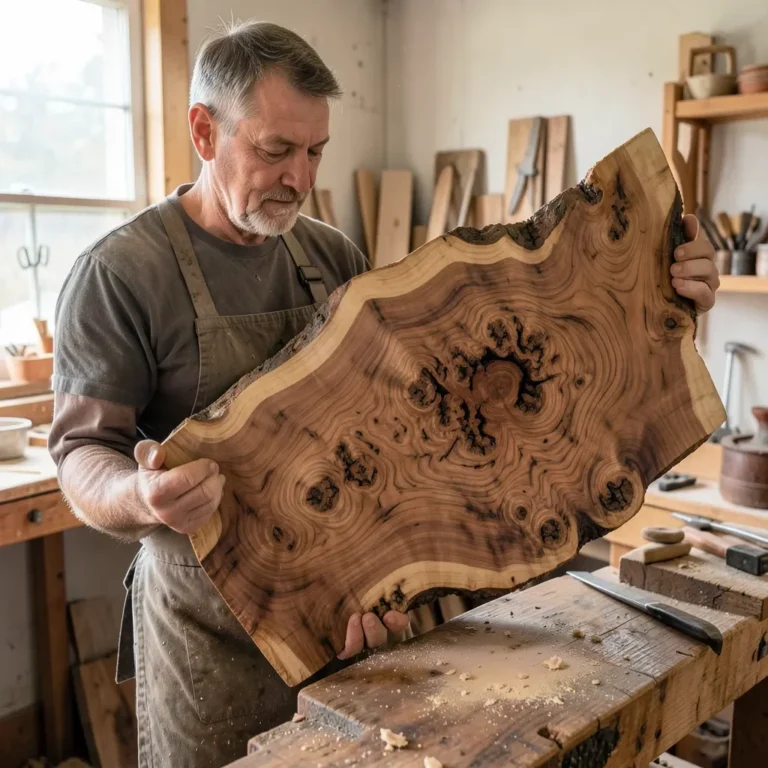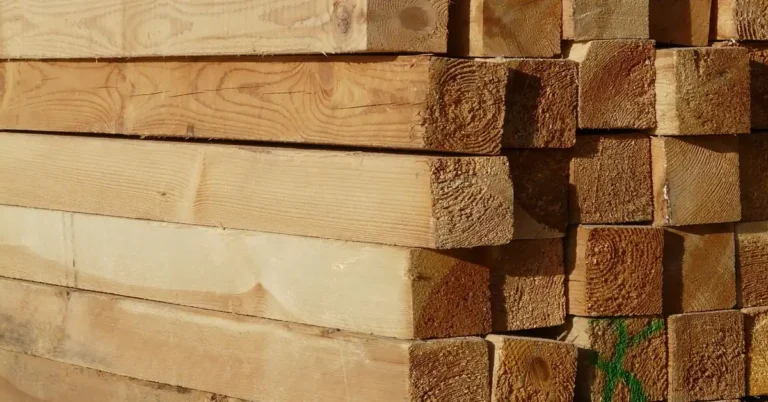
Where to Buy Wood for Cabinet Doors (Check Grade & Moisture)
You can buy wood for cabinet doors at local lumber yards, specialty hardwood stores, or online suppliers — but the source matters less than the grade and moisture content you choose. Boards above 8% moisture will warp after installation, and construction-grade lumber lacks the tight, clear grain doors need. This guide covers the best sources for oak, maple, and cherry, what “cabinet grade” (No. 1 Common) means, and how to check moisture before buying.
Introduction To Cabinet Door Wood Selection
Best Wood Moisture Meter Pick
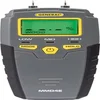
General Tools MMD4E Moisture Meter
A pin-type meter that checks wood, drywall, and building materials before you commit to a stack of boards.
- Best for: Checking lumber at the yard before you buy it
- Why we picked it: #1 best seller in its category with 15,000+ ratings and a proven 5%–50% wood range
- Main drawback: Pins leave two small holes, so test an inconspicuous edge
Compare more moisture meter options
 Option 1 Klein Tools ET140 Pinless Meter
|
 Option 2 TopTes TS-630
|
 Option 3 General Tools MMP100
|
As an Amazon Associate we earn from qualifying purchases.
Choosing quality wood for cabinet doors is very important. Good wood adds durability and beauty. It can enhance the entire look of your kitchen or room.
Consider these factors:
- Type of wood: Different woods offer unique looks and strengths.
- Grain pattern: A beautiful grain can make your cabinets stand out.
- Finish: Proper finishing protects the wood and improves its appearance.
- Cost: Quality wood may cost more, but it lasts longer.
Local Lumber Yards
Buying wood from local lumber yards offers many benefits. First, you support your community and local economy. Local sourcing often means fresher and higher quality wood. You can also find unique species that may not be available elsewhere.
Visit the yard to inspect the wood personally. Look for straight grains and avoid knots. Ask for wood that has been properly seasoned to prevent warping. Always compare prices to ensure you get a fair deal.
Engage with the staff. They often have valuable insights about the best wood for your project.
Specialty Wood Stores
Specialty wood stores offer a great selection of unique woods. These stores often carry rare species that regular home improvement shops do not have. Searching for these woods requires some effort.
Many specialty stores provide expert advice. Staff members can help you find the right wood for your cabinet doors. Premium prices often come with these unique woods. Be ready to pay more for quality materials.
| Wood Type | Price Range |
|---|---|
| Mahogany | $10 – $15 per board foot |
| Cherry | $6 – $12 per board foot |
| Walnut | $8 – $20 per board foot |
Online Wood Suppliers
Buying wood for cabinet doors online offers great convenience and variety. Many suppliers provide different types of wood. Customers can choose from oak, maple, and cherry.
Online stores often have a wide range of styles and sizes. This makes it easy to find the right fit for any project.
Ensuring quality is important. Look for suppliers with good reviews and ratings. Trusted suppliers often provide samples. This allows you to check the wood before buying.
Pay attention to shipping options and costs. Some suppliers offer free shipping on large orders. This can save you money.
Home Improvement Centers
Home improvement centers offer a wide range of wood for cabinet doors. Pros include easy access and helpful staff. Cons may involve higher prices and limited quality choices.
What to look for: Choose solid wood for durability. Inspect for knots and defects. Ask about sustainability to ensure eco-friendliness. Always compare prices and sizes to find the best deal.
Reclaimed Wood Sources
Reclaimed wood is a great choice for cabinet doors. It is both eco-friendly and unique. Many sources provide high-quality reclaimed wood.
Local lumberyards often have reclaimed options. Check nearby areas for good selections. Salvage yards also sell wood from old buildings. These woods can add character to your cabinets.
Online marketplaces are another option. Websites like Etsy or eBay offer a variety of reclaimed wood. Always check seller ratings for quality.
Assessing quality is crucial. Look for wood with minimal warping or cracks. Ensure it has been properly treated to avoid pests. Reclaimed stock is also the most likely to hide moisture problems — see the moisture content section below before you buy.
Custom Millwork Shops
Custom millwork shops offer personalized service for cabinet doors. They focus on your unique needs. Skilled craftsmen create custom designs just for you. This ensures your cabinets match your style perfectly.
Cost implications can vary widely. Custom work often comes at a higher price. However, the quality and uniqueness can justify the cost. Expect to pay more for special wood types. Always ask for a detailed quote before starting your project.
| Type of Wood | Average Cost per Square Foot |
|---|---|
| Oak | $3 – $7 |
| Maple | $4 – $8 |
| Cherry | $5 – $10 |
DIY Harvesting And Milling
DIY harvesting and milling require the right tools and techniques. Basic tools include a saw, planer, and sander. A chainsaw is useful for cutting logs. A portable mill helps turn logs into boards. Always wear safety gear like gloves and goggles.
Understanding legal considerations is important. Check local laws about harvesting wood. Some areas require permits for cutting trees. Always respect property lines and seek permission from landowners. Protecting the environment is essential for sustainability.
What Wood Grade Should You Buy for Cabinet Doors?
No. 1 Common lumber — the grade most yards label “cabinet grade” — is the right choice for most cabinet doors. It costs less than FAS or Select but still yields enough clear, straight-grained cuttings for door stiles and rails.
Lumber grades measure how much clear, defect-free wood a board yields. According to the American Hardwood Export Council’s grading standard, No. 1 Common must yield 66⅔% to 83⅓% clear cuttings at a minimum size of 3 inches wide by 3 feet long — plenty for standard rails and stiles cut from mid-range hardwoods like the oak, maple, and cherry covered in our hardwood species guide. FAS and Select grades demand longer, wider clear boards (4 inches by 6 feet or more) and cost more — worth paying for only on large, bookmatched panel doors where you need width that narrower No. 1 Common stock can’t give you.
Why Moisture Content Matters When Buying Wood for Cabinets
Wood for cabinet doors should measure 6% to 8% moisture content before you build — that’s the range most climate-controlled homes settle at, and building outside it invites shrinkage, cupping, or cracked joints.
Most North American homes run 30% to 50% relative humidity, which equilibrates interior wood to roughly 6% to 9% moisture content. Lumber sitting in an unheated yard or a reclaimed-wood pile can easily read 12% to 15% even if it looks dry — and boards that high keep shrinking after your doors are hung, pulling joints loose or cupping panels. Ask the yard whether the stock is kiln-dried, and check it yourself with a pin-type moisture meter before you commit to a stack of boards.
📊 Interior wood typically stabilizes at 6%–9% moisture content in North American homes; readings above roughly 13% risk visible shrinkage, warping, or cupping once installed. — Source: Wagner Meters, wood moisture content guidelines
“We’ve had cabinet stock that looked bone-dry read 11% on the meter after sitting in an unheated garage all winter — it would have cupped within a month of being glued up. A $30 pin meter at the counter is a lot cheaper than redoing a door.”
Frequently Asked Questions
Where Can I Find Quality Wood For Cabinets?
You can find quality wood for cabinets at local lumberyards, home improvement stores, and specialty woodworking suppliers. Online retailers also offer a wide selection. Always ensure the wood is suitable for cabinetry by checking its grade and finish options.
What Types Of Wood Are Best For Cabinet Doors?
Popular choices for cabinet doors include oak, maple, cherry, and birch. Each wood type offers unique aesthetics and durability. Consider factors like grain pattern, color, and price when selecting the best option for your kitchen or bathroom cabinets.
How Much Does Wood For Cabinet Doors Cost?
The cost of wood for cabinet doors varies based on type and quality. Generally, prices range from $2 to $15 per board foot. Specialty woods may cost more. Budgeting for additional materials and finishes is also important for your overall project cost.
Can I Buy Wood Online For Cabinet Projects?
Yes, many online retailers specialize in selling wood for cabinet projects. Websites often provide detailed descriptions and customer reviews. Be sure to check shipping options and return policies before making a purchase to ensure a smooth buying experience.
What Grade of Wood Should I Buy for Cabinet Doors?
No. 1 Common — often labeled “cabinet grade” — is the standard choice; it yields 66⅔% to 83⅓% clear, defect-free cuttings at the sizes cabinet door rails and stiles need. Reserve the pricier FAS or Select grades for large, bookmatched panel doors where you need wider clear boards.
What Moisture Content Should Wood Have Before Building Cabinet Doors?
Wood for cabinet doors should read 6% to 8% moisture content on a meter before you cut it — that matches the humidity inside most climate-controlled homes. Boards above roughly 12% to 13% will keep shrinking after installation and can crack joints or cup panels within weeks.
Conclusion
Finding the right wood for cabinet doors is essential for both aesthetics and durability. Whether you choose local suppliers, specialty stores, or online retailers, check the grade — No. 1 Common covers most projects — and confirm the moisture content reads 6% to 8% before you buy. Get those two details right and the source matters far less.
Sponsored / affiliate links. As an Amazon Associate I earn from qualifying purchases. I may earn additional commission from eligible campaigns.