How to Stop MDF Joints Cracking: Expert Tips
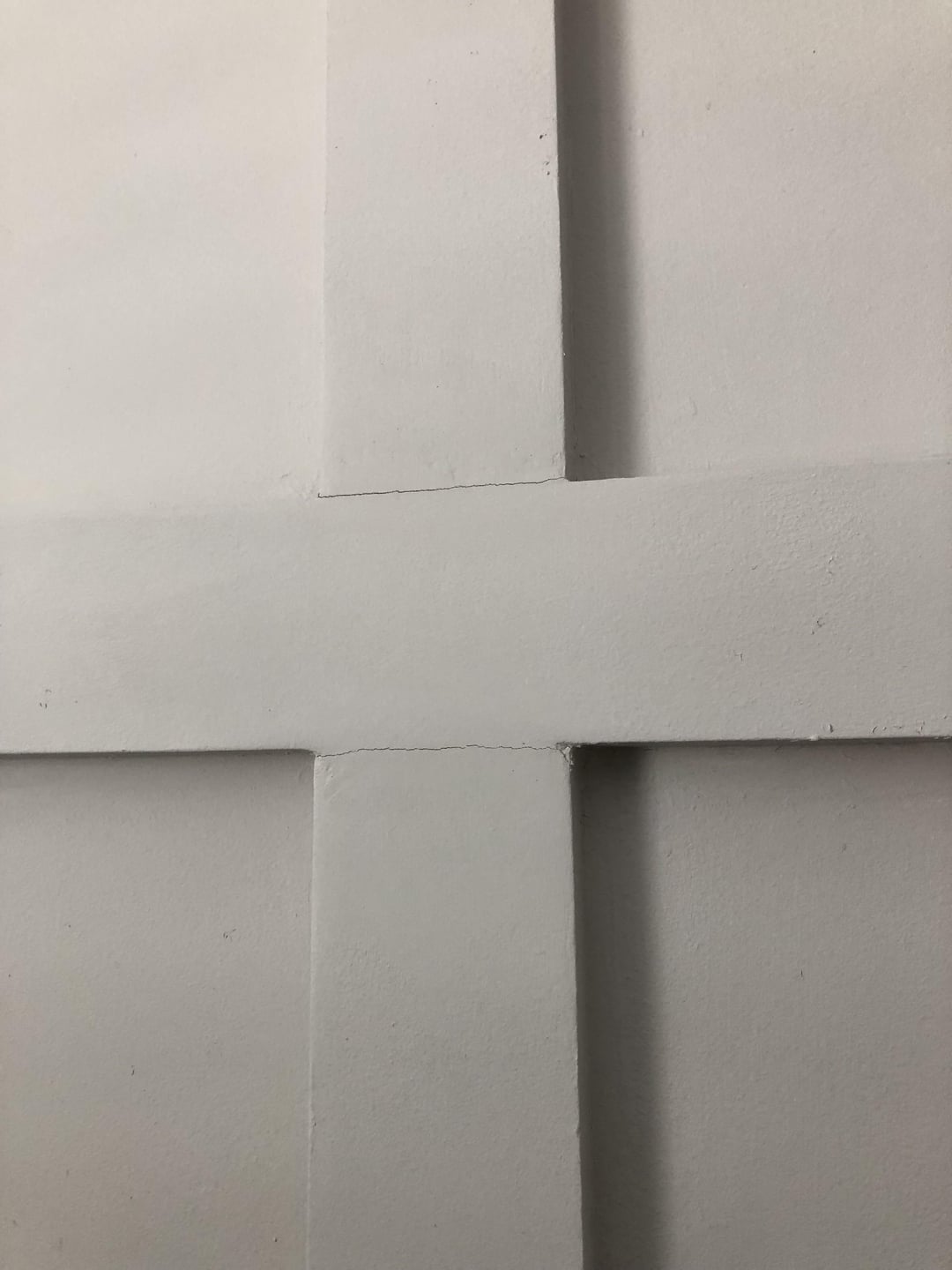
When you invest time and effort into creating something with MDF (Medium Density Fiberboard), the last thing you want is to see your hard work unravel due to cracking joints. You’re probably familiar with the frustration of seeing your carefully crafted piece fall apart.
MDF is a popular material for DIY enthusiasts and professionals alike because of its versatility and affordability. However, its tendency to crack at the joints can be a real headache. Imagine the satisfaction you’ll feel when you finally conquer this common issue.
With the right tips and tricks, you can transform your projects from fragile to robust, ensuring longevity and quality. Ready to learn how to stop MDF joints from cracking and elevate your craftsmanship? Let’s dive in and ensure your creations stand the test of time.
Causes Of Mdf Joint Cracking
MDF can crack because of temperature changes. It is sensitive to humidity. High moisture can make MDF swell. Dry air can cause it to shrink. These changes lead to cracks. Keep MDF in stable conditions. Avoid places with extreme weather.
MDF is not as strong as wood. It has low resistance to heavy loads. Overloading it can cause cracks. It is made from wood fibers. The fibers may break under pressure. Use MDF for light projects only. Heavy items can damage it.
Incorrect assembly can cause cracks. Use the right tools for MDF. Avoid screws that are too big. They can split the material. Glue joints properly for strength. Misaligned parts can stress the joints. Proper assembly prevents damage.
Choosing Quality MDF Materials
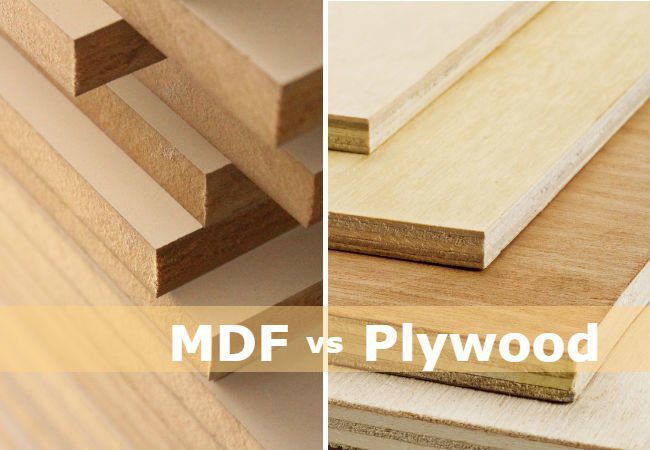
High-density MDF is strong and durable. It lasts longer than low-density MDF. High-density means fewer cracks. It supports heavy loads well. Always check the label for density. Look for MDF that feels solid. Avoid flimsy or soft MDF. Strong MDF reduces joint cracks.
Moisture can damage MDF easily. Look for moisture-resistant MDF. It stays dry longer. Always check the surface. Water can cause MDF to swell. Swollen MDF cracks more often. Seal the edges properly. Unsealed edges absorb water fast.
Optimal Storage Conditions
Keep moisture levels steady. High humidity can cause Mdf to swell. Low humidity can make it dry and crack. Use a dehumidifier to control moisture levels. Check with a hygrometer to measure the humidity. Aim for 45-55% humidity for best results. Avoid places that are too damp or too dry.
Keep temperature steady for Mdf. Too hot can make it expand. Too cold can make it shrink. Use a thermometer to track the temperature. Aim for a comfortable room temperature. Avoid sudden temperature changes. Stable temperatures help prevent cracking.
Effective Assembly Techniques
Choosing the right glue is very important. Use a strong, wood-friendly adhesive. It helps keep joints tight. Avoid using glue meant for paper or plastic. These don’t hold well. Always check the glue’s instructions. Follow them carefully. This ensures the best result. Good glue prevents cracks.
Joints must fit well to stay strong. They should be cut precisely. This ensures they lock together. Avoid gaps between pieces. Gaps make joints weak. Use tools like clamps. Clamps hold pieces in place. This helps the glue to dry properly. A tight fit means fewer cracks.
Reinforcing MDF Joints
Mechanical fasteners are vital for strong MDF joints. Screws and nails help hold the pieces together. Bolts can also be used for added strength. Make sure fasteners are not too close to the edge. This prevents the MDF from splitting. Use the right size and type for your project. Over-tightening can cause cracks. Proper alignment is crucial for a tight fit. Fasteners should be evenly spaced. This ensures even pressure and prevents damage. Always use a drill for pilot holes. It makes the process smoother and safer.
Reinforcement strips are a useful addition to MDF joints. They add extra support and prevent cracking. Strips are placed over joints for added strength. Choose strips that match the thickness of the MDF. Glue the strips securely for best results. Ensure complete contact with the surface. This avoids air gaps and strengthens the joint. Strips can be made of wood or metal. They should be straight and smooth. Check alignment before applying. This guarantees the best fit and performance.
Credit: www.reddit.com
Finishing And Sealing
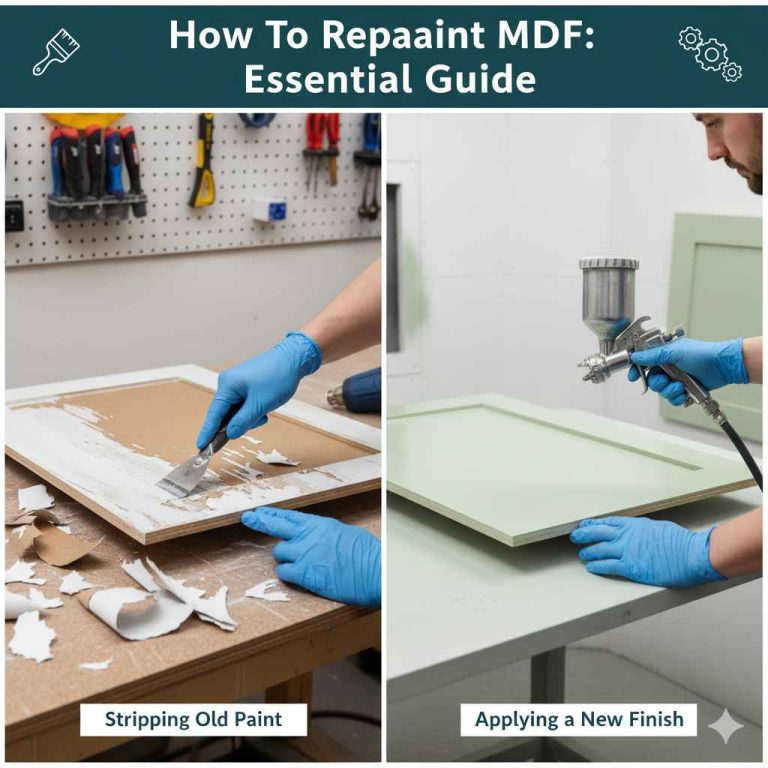
Sealants can help protect MDF joints. They block moisture. This keeps the wood dry. Apply sealant evenly on the surface. This strengthens the joint. Choose a sealant made for wood. Ensure it is safe for indoors. Seal every edge and corner. This will prevent cracks from forming. Regular checking is important. Reapply sealant if needed. This maintains the strength.
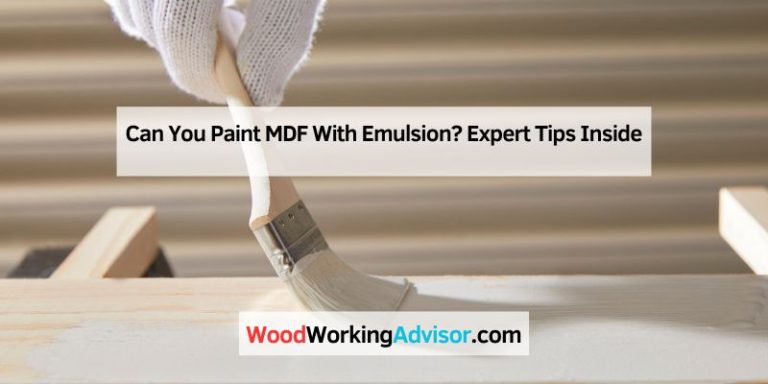
Paint and varnish can shield MDF from damage. They act as a protective layer. Use a primer before painting. It helps the paint stick well. Choose a paint that resists water. This keeps the wood safe. Apply varnish after painting. It adds an extra coat of protection. Varnish should be clear and durable. Follow the instructions on the product. This ensures proper application.
Regular Maintenance Practices
Prevent MDF joints from cracking with regular maintenance. Apply wood glue to seams and ensure even pressure. Seal edges with primer to protect against moisture.
Monitoring For Cracks
Check your MDF often. Look for any cracks or damage. Use a flashlight for better vision. Cracks can start small. Fix them early. It stops bigger problems later. Don’t wait too long. Quick action is best. Prevention helps avoid costly repairs. Regular checks keep everything in good shape.
Prompt Repairs
Repair cracks quickly. Use wood filler or putty. Fill the crack completely. Smooth it with a sandpaper. Paint over it for a clean look. Fixing cracks keeps the MDF strong. It also keeps its appearance nice. Prompt repair saves time and money. Act fast if you see damage. This helps avoid worse issues. Keep tools ready for repairs. A good repair kit is handy.

Credit: www.youtube.com
Consulting With Professionals
Expert help is needed if MDF joints keep cracking. Some cracks mean big problems. Serious issues might need a professional touch. Structural damage or complex repairs are signs to call an expert. They use special tools. They know the best methods. This ensures the joints stay strong and last long.
Pick the right professional for your MDF joints. Look for someone with experience in woodwork. Check their credentials and reviews. Ask friends or family for recommendations. A good professional is trustworthy and skilled. They will explain the process. They ensure your joints are fixed correctly. Never rush the choice. Take time to find the best expert for your needs.
Frequently Asked Questions
How To Avoid Cracks In MDF Joints?
Use quality glue and clamps for secure MDF joints. Apply glue evenly and avoid excess. Pre-drill holes to prevent cracks when screwing. Ensure cuts are precise and fit tightly. Maintain optimal humidity in storage to minimize expansion and contraction.
How To Stop MDF From Splitting?
To prevent MDF from splitting, pre-drill holes before inserting screws. Use a pilot bit slightly smaller than the screw diameter. Apply wood glue to enhance bond strength. Avoid over-tightening screws to reduce pressure on the MDF. Choose MDF with higher density for better durability.
What Is The Best Filler For MDF Joints?
Wood filler is the best option for MDF joints. It effectively fills gaps and sands easily. Choose a high-quality product for durability. Apply smoothly with a putty knife, and let it dry completely before sanding. This ensures a perfect finish and seamless joints in your MDF projects.
How To Fix Cracks In MDF?
Fix MDF cracks by cleaning the area and applying wood filler or putty. Sand smoothly after drying. Prime and paint the surface for a seamless finish. Regular maintenance prevents future cracks. Follow these steps to ensure durability and improved appearance.
Conclusion
Cracking MDF joints can be frustrating. Simple steps help prevent it. Use quality glue and precise cuts for strong joints. Maintain consistent humidity levels in your workspace. Seal edges to protect against moisture. Regularly check and repair any small cracks.
Choose screws that fit snugly to avoid splitting. These actions ensure your MDF projects last longer. Your efforts in maintaining and preventing cracks will pay off. Happy crafting!