Disadvantages of MDF: Why You Should Think Twice
MDF’s biggest real drawbacks are permanent water damage (it swells and doesn’t recover once wet), weak screw-holding strength compared to plywood or solid wood, and formaldehyde dust released when cutting or sanding it. None of these rule MDF out entirely – it’s still a genuinely good choice for painted interior furniture and cabinetry – but they do rule it out for anything wet, load-bearing, or frequently disassembled and reassembled.
What Is MDF?
Protect Yourself While Cutting
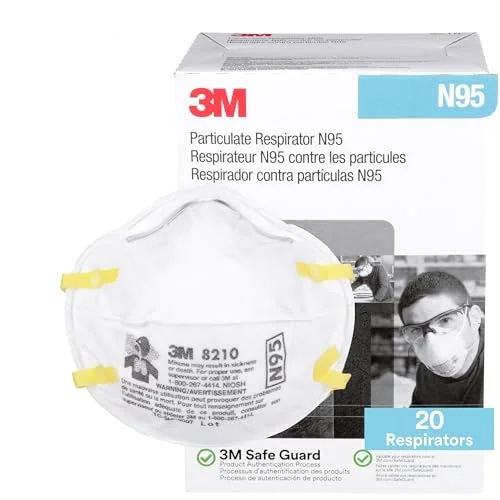 |
3M 8210 N95 Particulate Respirator, 20-Pack MDF dust is fine enough to get past a basic dust mask – a real NIOSH-rated N95 respirator is worth having whenever you cut or sand it.
|
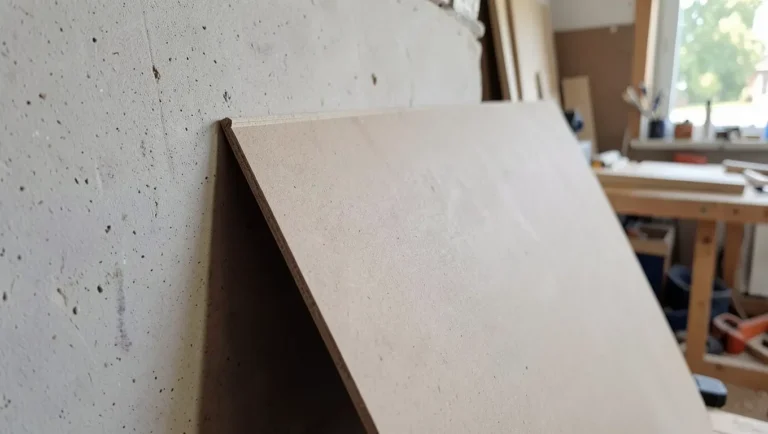
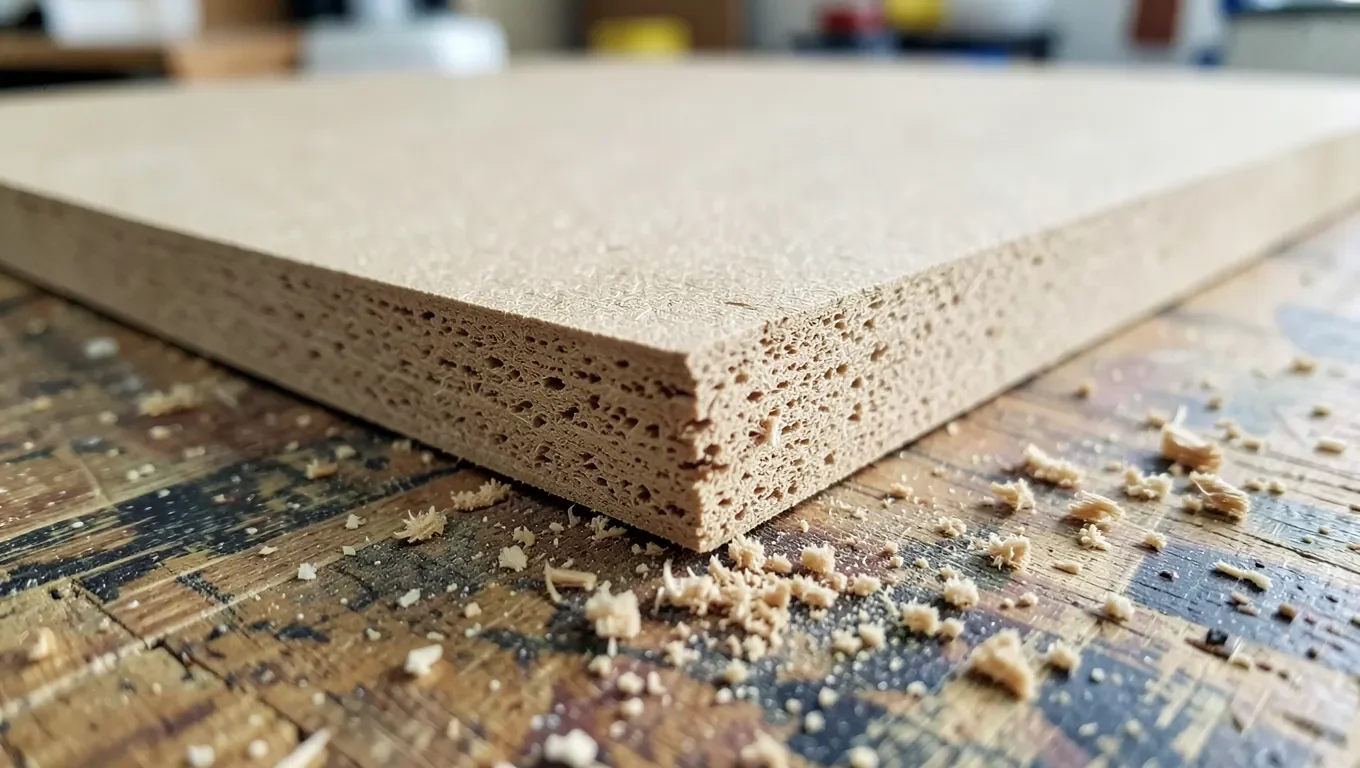
MDF (medium-density fiberboard) is made by breaking wood down into fine fibers, mixing them with resin, and compressing the mixture under heat into dense, uniform sheets. Unlike plywood, it has no grain or layers – that’s exactly why it cuts and machines so cleanly and takes paint so evenly, and also why it behaves so differently from solid wood when it comes to strength and moisture. That same uniformity is what makes it predictable to work with in a shop – no knots, no grain direction to fight, no surprise hard or soft spots partway through a cut.
Limited Durability
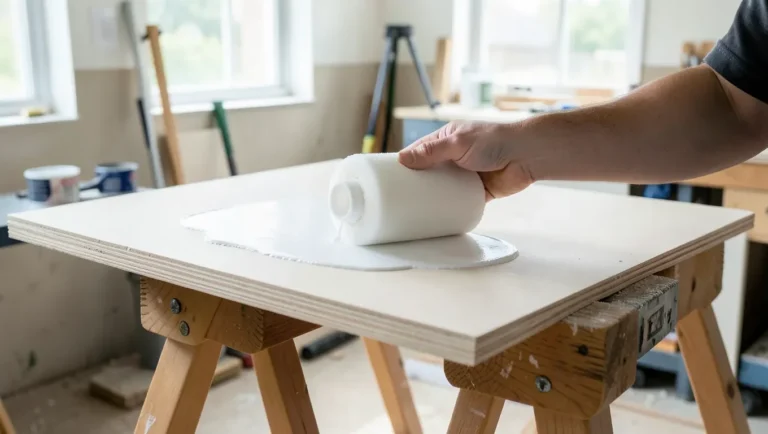
MDF absorbs water readily, and once it swells, it does not shrink back to its original size or shape – unlike solid wood, which can dry out and mostly recover from a wet spell, swollen MDF stays permanently distorted. This makes it a poor choice for bathrooms, kitchens near sinks, or anywhere it might see standing water or high humidity, unless every edge and face is fully sealed with paint or a moisture-resistant coating. Even a well-sealed piece can still fail at a cut edge or a drilled hole where the coating didn’t fully penetrate, so inspect those spots specifically if the piece will see any humidity at all. Resealing a cut edge or countersunk screw head with an extra dab of finish before final assembly closes off exactly the gaps a factory seal misses.
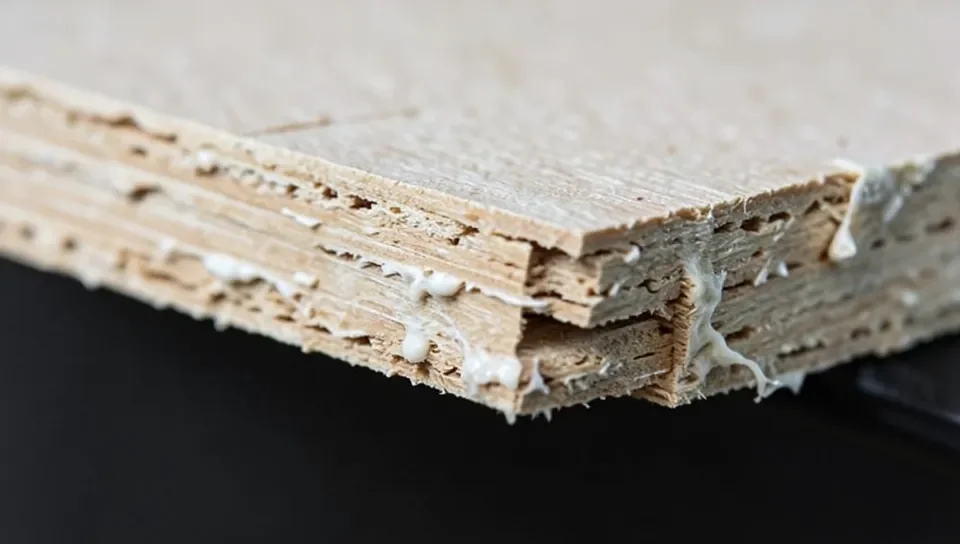
Structurally, MDF has lower tensile and shear strength than plywood or solid lumber, so it sags under sustained weight over a wide unsupported span – a concern for shelving especially. Screws also don’t hold as well: MDF’s uniform, fiber-based structure strips out more easily than the interlocking grain of plywood, and a stripped screw hole in MDF is difficult to repair without added reinforcement like a threaded insert or wood filler and a fresh pilot hole in a slightly different spot. This matters most for anything that gets assembled and disassembled repeatedly, like flat-pack furniture – each rebuild is another chance to strip the same hole a little further. Pre-installed threaded inserts, if the design allows for them, hold up to repeated assembly far better than a screw driven straight into bare MDF. For a full breakdown of exactly which rooms and load conditions to avoid MDF in, see when you should not use MDF.
Health Concerns
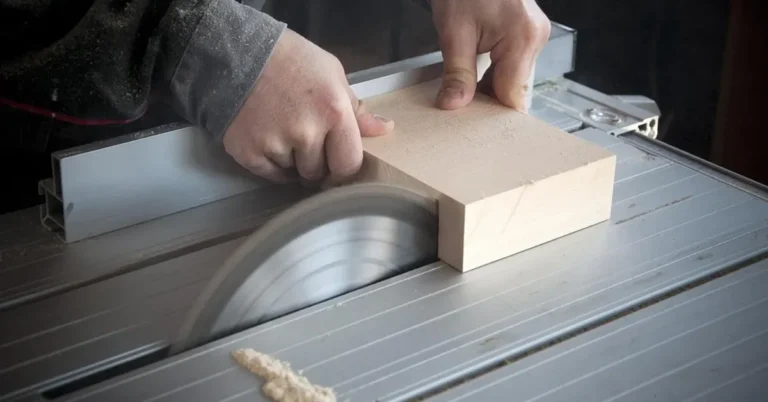
MDF is bonded with a resin that can off-gas formaldehyde, a compound the EPA classifies as a hazardous air pollutant at sustained high exposure. In the US, MDF sold for consumer use has to meet EPA TSCA Title VI (and CARB Phase 2) formaldehyde emission limits, which significantly reduced off-gassing compared to older, unregulated MDF – a genuine improvement most articles on this topic don’t mention. That said, cutting or sanding MDF releases fine dust that carries resin particles directly into the air you’re breathing, which is a real, immediate irritant regardless of the board’s compliance rating. That irritation is usually mild and temporary for a single short cutting session, but repeated exposure without protection in an enclosed space is where the real risk accumulates. Work in a ventilated area, wear a real N95 respirator (a cloth or paper dust mask doesn’t filter fine enough), and vacuum up dust promptly rather than letting it settle and get kicked back into the air later. A shop vacuum with a fine dust filter handles this far better than a broom, which mostly just redistributes fine particles into the air.
Environmental Impact
MDF is made from wood waste and byproducts, which is a genuine sustainability plus compared to milling fresh lumber for the same use. The tradeoff is the resin binder: most MDF uses a synthetic resin that doesn’t biodegrade the way solid wood does, so MDF scraps and end-of-life pieces persist longer in a landfill. Manufacturing MDF is also energy-intensive – the wood fiber has to be broken down, mixed with resin, and compressed under heat, all of which uses more processing energy than simply milling a solid board. Some manufacturers have started using lower-formaldehyde or bio-based resins to offset part of this footprint, though these greener formulations aren’t yet the industry default and typically cost more. Checking a specific product’s emissions rating on the label is worth the extra minute if this is a real concern for your project.
Challenges In Repair And Maintenance
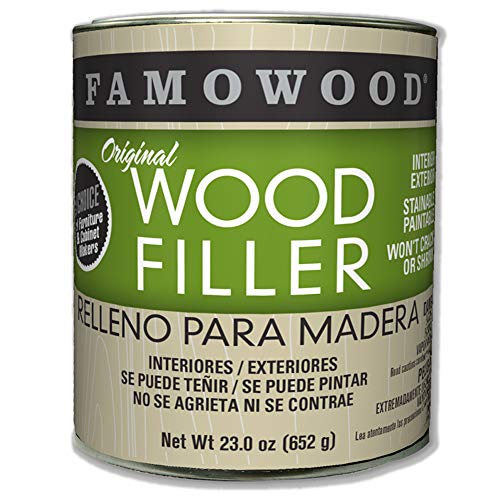
A chip, dent, or stripped screw hole in MDF is genuinely harder to fix cleanly than the same damage in solid wood. Wood filler works for small chips and dents, but a stripped screw hole usually needs a wood plug or a threaded insert rather than just more filler, since MDF’s fiber structure won’t grip a screw threaded back into the same worn-out hole. Sanding MDF to fix a damaged spot also has to be done carefully – sand through the factory-smooth surface layer and you expose the rougher fiber core underneath, which then takes paint or finish differently than the surrounding area and can leave a visible patch. A test patch in an inconspicuous spot before committing to a full repair is worth the extra few minutes, especially on a piece where color matching matters.
Cost Implications
MDF costs less upfront than plywood or solid wood, but that gap narrows or reverses over the life of a piece if it’s used somewhere it’s poorly suited – a water-damaged or sagged MDF shelf gets replaced, while a comparable solid-wood or plywood piece often just gets refinished. For furniture or cabinetry that’s built once and expected to last, factor in whether you’re likely to need a moisture-resistant coating or extra structural support to make MDF work – those additions eat into the initial savings. It’s a genuinely fair trade for the right project – a painted bookshelf indoors rarely needs any of these extras – but it’s worth running the math before assuming MDF is automatically the cheaper long-term option.
Alternatives To MDF
Solid wood offers real strength, a natural grain, and the ability to be sanded and refinished repeatedly over decades – the tradeoff is a higher price and more work to prep and finish evenly. Plywood splits the difference: its layered, cross-grain construction holds screws far better than MDF and resists warping better than solid wood in most conditions, while still costing less than solid lumber. For a project that needs to handle moisture, weight, or repeated disassembly, plywood is usually the more practical upgrade from MDF; for a purely decorative, one-time-build painted piece indoors, MDF’s smooth surface still makes sense, and there’s no need to overspend on plywood or solid wood just for the sake of upgrading. Particleboard is a third option worth knowing about too: cheaper than either MDF or plywood, but weaker than both, and mainly suited to low-stress applications like the internal shelving of ready-to-assemble furniture rather than anything visible or load-bearing.
For a full breakdown of these options plus HDF, melamine-faced board, and PVC board, with real pricing and honest trade-offs for each, see our complete guide to MDF alternatives.
Frequently Asked Questions
What are MDF’s advantages and disadvantages?
MDF offers a smooth, uniform surface that’s ideal for painting, plus low cost and easy machining. Its disadvantages are weaker screw-holding, permanent damage from water exposure, added weight, and formaldehyde dust released when cutting.
When should you not use MDF?
Avoid MDF in damp or humid environments, since water exposure swells and permanently weakens it, and skip it for load-bearing structural applications where plywood or solid wood holds up better.
Is MDF better than plywood?
Neither is universally better. MDF gives a smoother, cheaper surface ideal for painted finishes. Plywood is stronger, holds screws better, and handles moisture more forgivingly, making it the better choice for structural or load-bearing projects.
Does MDF damage easily?
It’s more prone to damage than solid wood, particularly from moisture and heavy impact. Sealing exposed edges, avoiding wet environments, and handling it carefully during moves extends its usable life significantly.
Conclusion
MDF’s drawbacks – permanent water damage, weaker screw-holding, and formaldehyde dust during cutting – are real, but they’re specific and predictable rather than universal dealbreakers. Knowing exactly which situations to avoid is more useful than a blanket verdict either for or against the material. It remains a solid choice for painted furniture and cabinetry kept away from moisture; for anything wet, load-bearing, or built to be moved and reassembled repeatedly, plywood or solid wood is the more durable investment. Matching the material to the actual job, rather than defaulting to whichever is cheapest, is what actually determines whether a project lasts.
Sponsored / affiliate links. As an Amazon Associate I earn from qualifying purchases. I may earn additional commission from eligible campaigns.