How to Termite-Proof Wood Effectively For Beginners
Thinking about how to protect your wood from termites can feel tricky. For someone new, knowing where to start with How to Termite-Proof Wood Effectively can be a challenge. Don’t worry, it’s not as hard as it seems. This guide will take you step-by-step through the process, making it easy to understand and apply. Get ready to discover simple and effective methods that will keep your wood safe and sound.
Reasons Termites Attack Wood
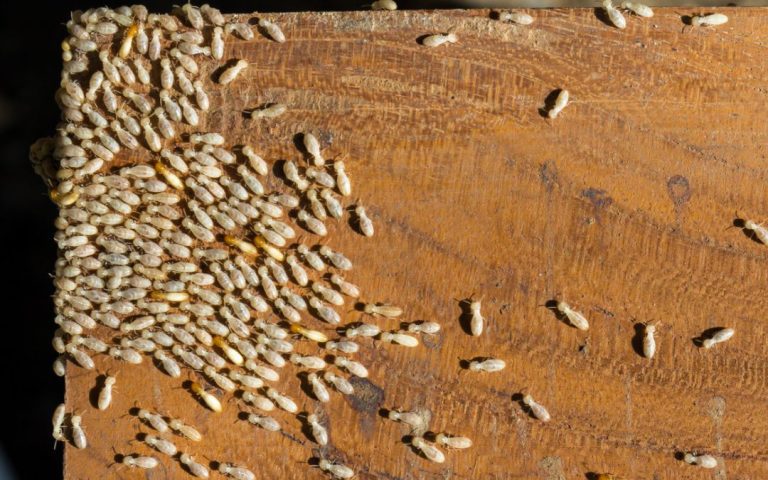
Termites are a constant threat to any wood structure. They live in colonies and are constantly searching for food. The wood in your home, furniture, or any wooden structure offers a delicious and readily available meal for termites. Damage can range from small cosmetic issues to major structural problems. This section will explore the conditions that make wood appealing to termites, like moisture levels, wood type, and environmental factors. Knowing these things is the first step in winning the fight against termites.
Favorable Environments for Termite Infestations
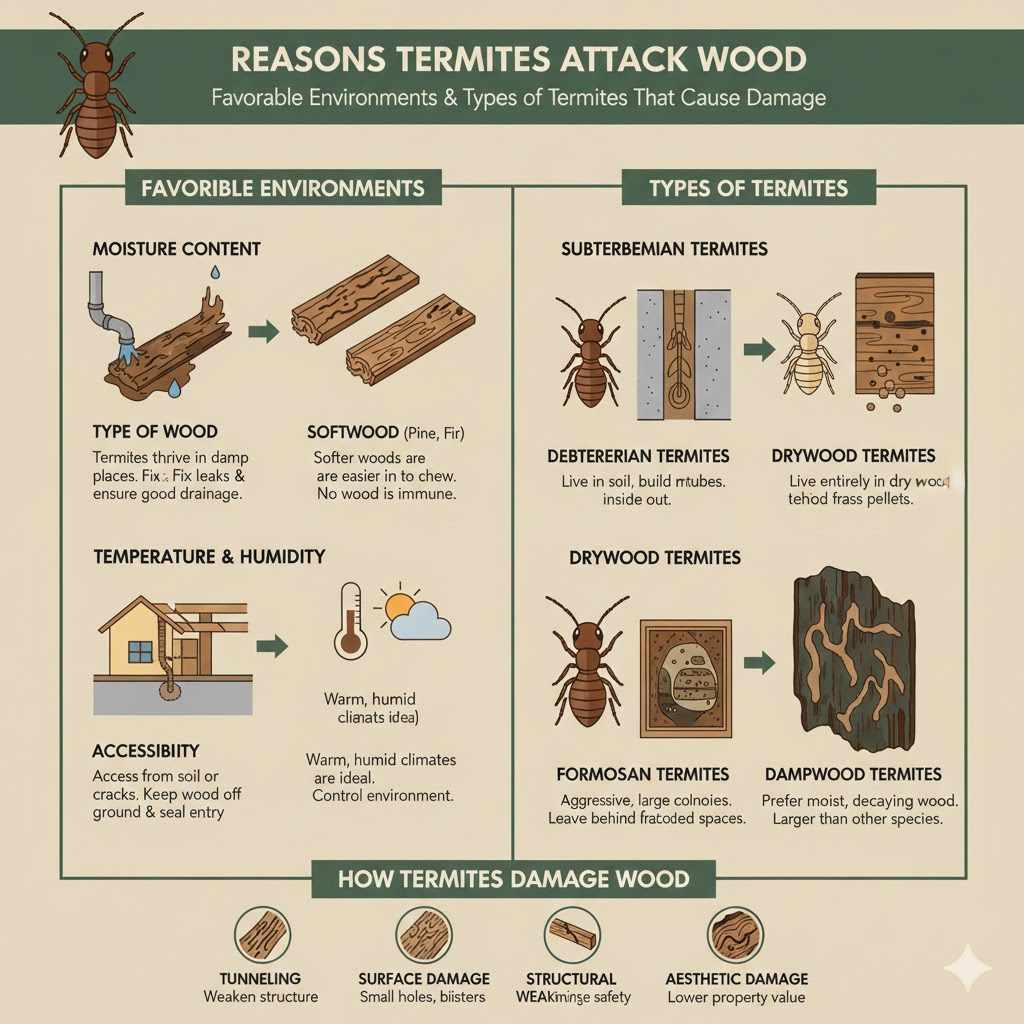
Termites love certain conditions. They need a moist environment, as they can dry out easily. This is why you often find them near leaks, damp basements, or areas with poor ventilation. The type of wood matters, too. Softer woods are easier for termites to chew through, while harder woods offer more resistance. Factors like temperature and access to the ground also play a part. Understanding these environmental preferences will help you know how to stop them.
- Moisture Content. Termites thrive in damp places. Wood with high moisture content is easier to digest. Keeping wood dry is important. Fixing leaks, ensuring good drainage, and proper ventilation can make the environment less attractive for these pests.
- Type of Wood. Some types of wood are more vulnerable than others. Softwoods like pine and fir are easier for termites to eat than hardwoods like oak or cedar. While hardwoods offer more protection, no type of wood is completely immune, so you must still consider preventative measures.
- Temperature and Humidity. Warm temperatures and high humidity create a perfect climate for termites to flourish. This is why infestations are more common in warmer regions. Controlling the temperature and humidity around wooden structures can make the environment less appealing to termites.
- Accessibility. Termites need access to wood. They often enter homes from the soil or through cracks. Keeping wood away from direct contact with the ground and sealing any potential entry points are important steps in preventing termite infestations.
Types of Termites That Cause Wood Damage
Several types of termites pose a threat to wooden structures. Each type has its own habits and ways of attacking wood. Subterranean termites are the most common and build their colonies in the soil. Drywood termites live entirely within the wood they eat. Formosan termites, an aggressive species, can cause extensive damage. Recognizing the different types of termites is critical in choosing the right protection strategy for How to Termite-Proof Wood Effectively. This helps you understand what you are up against.
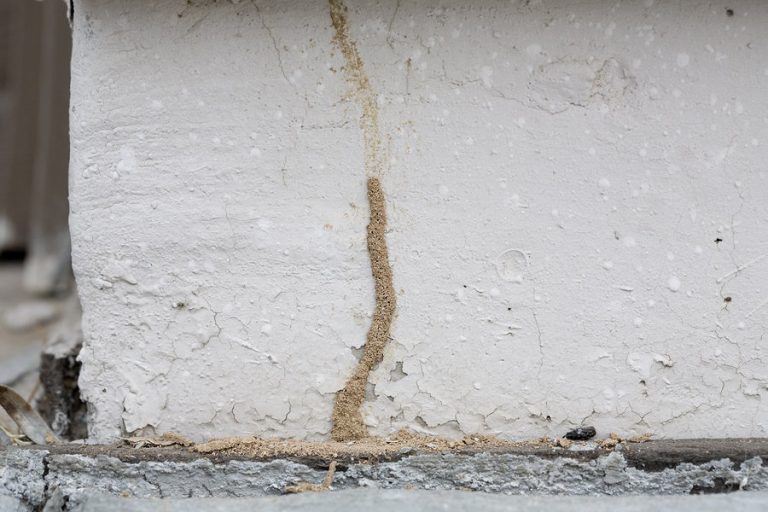
- Subterranean Termites. These termites are the most widespread. They live in underground colonies and need contact with soil to survive. They create mud tubes to travel from their colonies to wood sources. They often eat wood from the inside out.
- Drywood Termites. Unlike subterranean termites, drywood termites live directly in the wood. They don’t need contact with the soil. They are often found in warmer climates and can infest furniture and wooden structures. They leave behind small, pellet-like droppings called frass.
- Formosan Termites. Formosan termites are an aggressive species. They form large colonies and cause considerable damage. They are most common in the southern United States. They build nests in moist, enclosed spaces, and their ability to eat wood is high.
- Dampwood Termites. Dampwood termites prefer moist wood. They are often found in areas with high humidity. They are larger than other termite species and can be identified by their preference for decaying wood.
How Termites Damage Wood
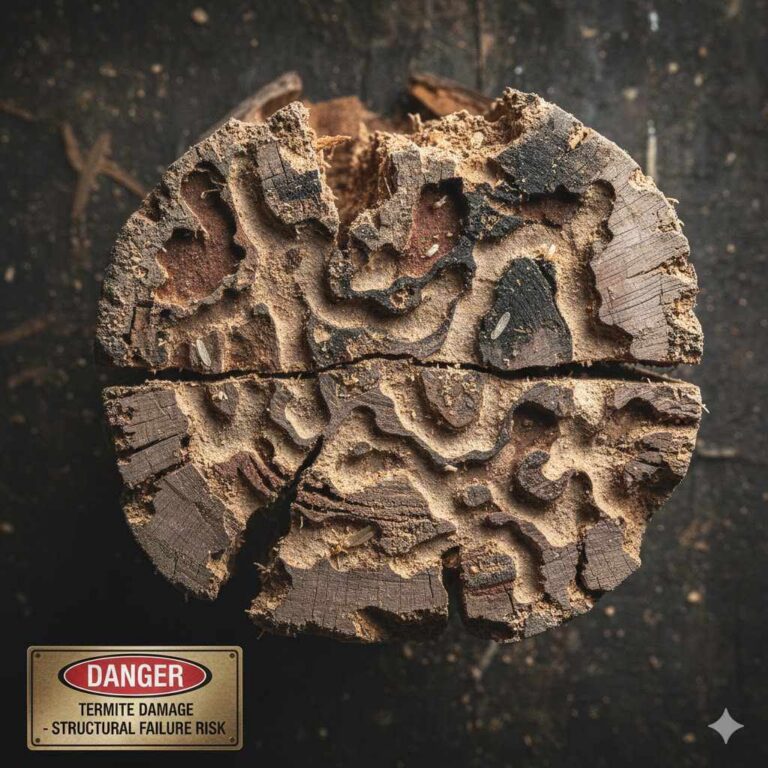
Termites cause damage in a variety of ways. They eat wood from the inside out, leaving a thin layer of wood on the surface that can make the damage hard to spot. Their feeding habits weaken the wood, making it susceptible to collapse. The damage caused by termites can be costly to fix and can lower the value of your property. Regular checks and early detection are key to minimizing damage.
- Tunneling and Galleries. Termites create tunnels and galleries inside wood, weakening its structure. This damage can go unnoticed for a long time. These tunnels are a sure sign of termite infestation.
- Surface Damage. While termites often eat wood from the inside, they can also cause surface damage. This can include small holes, blisters, or a papery appearance. Spotting these early can help in identifying and dealing with the problem.
- Structural Weakening. The most serious damage from termites is structural weakening. This can affect the walls, floors, and supports of a building. Wood damaged by termites is no longer as strong and poses safety risks.
- Aesthetic Damage. Termite damage affects the appearance of wood. This can be costly to repair and can decrease property value. Repairing the affected wood and taking steps to protect the rest of your structure is a necessary measure.
Preventative Techniques for Protecting Wood
Taking action to prevent termites is essential. There are many steps you can take to make your property less inviting to termites. This section will cover the best practices for protecting your wooden structures. This includes physical barriers, treating the soil, and using wood preservatives. It focuses on several steps that will protect the wood from the beginning.
Using Physical Barriers to Block Termites
Physical barriers can stop termites from entering a structure. These barriers can take several forms, including metal flashing and screens. They block termites from reaching wood and serve as a first line of defense. They are an eco-friendly and effective way to protect your home. The best way to utilize these barriers is during construction.
- Metal Flashing. Installing metal flashing around pipes and other entry points can stop termites. Metal flashing acts as a barrier because termites cannot chew through it. Metal flashing should be properly installed to ensure there are no gaps.
- Termite Shields. Termite shields are physical barriers made of metal that extend out from the foundation. They stop termites from directly accessing the wood framing of a structure. They are usually installed during construction.
- Screens and Mesh. Fine mesh screens and screens can protect vents and other openings. They prevent termites from entering the home through these spaces. Screens are helpful for doors and windows.
- Proper Grading and Drainage. Making sure the ground slopes away from your foundation is important. This directs water away from the building, making the environment less appealing to termites. Good drainage prevents moisture buildup.
Soil Treatment for Termite Prevention
Treating the soil around your property can stop termites from entering your home. These treatments create a barrier that termites cannot cross. Soil treatments are an effective method for protecting wooden structures. Regular inspections and maintenance of soil treatments are crucial for long-term protection.
- Liquid Termiticides. Liquid termiticides are applied to the soil around the foundation. They create a treated zone that termites cannot penetrate. The process can be done by a professional pest control company.
- Termite Bait Systems. Termite bait systems involve placing bait stations around the perimeter of your property. Termites eat the bait and die. These systems are an alternative to liquid treatments and are used for long-term termite control.
- Granular Termiticides. Granular termiticides are applied to the soil surface. They are similar to liquid treatments, providing a chemical barrier that termites avoid. They are effective against subterranean termites.
- Monitoring and Maintenance. Soil treatments should be checked regularly. Bait stations should be checked and replaced when necessary. Monitoring helps maintain the effectiveness of soil treatment.
Wood Preservatives and Treatments
Treating wood with preservatives makes it less attractive to termites. There are a variety of products available to protect wood. From topical treatments to pressure-treated wood, these can greatly increase the lifespan of your wood and reduce the risk of termite infestations. It is important to know which products best fit your needs and how to apply them safely.
- Borate Treatments. Borate treatments are applied to the wood. They are effective at preventing termites. They are often used on new wood before construction. They are safer for humans and pets.
- Pressure-Treated Wood. Pressure-treated wood is treated with preservatives under high pressure. This forces the preservatives deep into the wood. Pressure-treated wood is commonly used in construction because of its resistance to termites.
- Topical Wood Treatments. Topical wood treatments are applied to the surface of the wood. They create a protective barrier that termites avoid. They can be used on existing wood structures.
- DIY and Professional Options. Some wood treatments are available for the average person to apply. Other treatments require professional application. Professional treatments can be more effective but also more expensive.
Effective Inspection and Early Detection
Regular inspections are key for protecting your wood from termites. Spotting signs of termites early can help you take action before the damage becomes too severe. This section will cover inspection methods, what to look for, and the role of professional inspections. You can quickly detect potential problems.
Regular Inspections for Early Detection
Regular checks are essential for keeping your wooden structures safe. Early detection allows for prompt action to limit damage. Inspecting your property yourself and hiring professionals are both critical strategies. This can help identify issues before they get out of control. It will help ensure the longevity of your wood structures.
- DIY Inspections. Inspect your home and property on a regular schedule. Look for signs of termites, like mud tubes and frass. Check for areas where termites are likely to be present, like the basement and crawl spaces.
- Professional Inspections. Hire a pest control expert to inspect your property. Professionals can spot signs of termites that you might miss. They can recommend treatments and offer ongoing monitoring.
- Frequency of Inspections. How often you inspect depends on your location and risk level. Inspections should be done at least once a year. In high-risk areas, more frequent checks are helpful.
- What to Look For. Watch for termite damage, such as small holes, tunnels, and structural weakening. Look for swarms of termites, which are a sign of an active infestation. Identify the termites, like subterranean or drywood termites.
Identifying Common Signs of Termite Activity
Knowing the common signs of termite activity will help you detect them quickly. Termites leave behind several clues, like mud tubes and piles of frass. These clues are very useful when evaluating wood for damage. Identifying these signs early can save you time and money. It’s a key part of protecting your home.
- Mud Tubes. Subterranean termites build mud tubes. These tubes are used for traveling from their colony to a food source. Finding mud tubes along foundations, walls, or other surfaces is a sure sign of termites.
- Frass. Drywood termites leave behind small, pellet-like droppings called frass. Frass can be found near termite infestations, like near holes. These droppings are a key indicator of drywood termite activity.
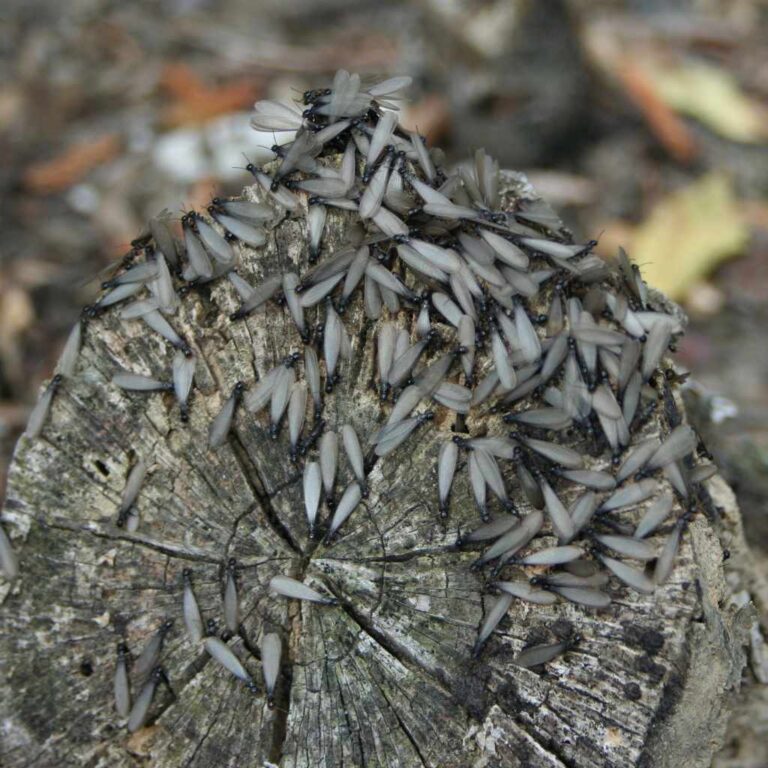
- Swarming Termites. Swarms of termites can be seen, usually during the spring and fall. Seeing these indicates that there’s an active termite colony. Swarms are an early warning sign.
- Damaged Wood. Damaged wood is a clear sign of termite activity. Look for hollow-sounding wood, small holes, or tunnels. Wood that is crumbling or has a papery appearance can indicate termites.
Professional Inspection Benefits
Professional inspections offer several benefits. Pest control experts have the training and experience to spot termites that you might not. They use specialized tools and techniques for detecting termites. They also provide recommendations for treatment and prevention. The result is better termite protection.
- Expertise and Experience. Pest control professionals have special training in spotting and identifying termites. They know where to look. Their experience helps them find issues that can be missed by the average homeowner.
- Specialized Tools. Professionals use special tools, like moisture meters and borescopes, to detect termites. These tools help them find termite activity in hard-to-reach areas. They can help detect infestations early.
- Treatment Recommendations. Professionals can recommend the best termite treatments for your home. They understand the different types of treatments and the best way to apply them. They can offer custom solutions.
- Ongoing Monitoring. Many pest control companies offer ongoing monitoring services. This helps in spotting new termite activity and ensuring that treatments remain effective. They can help keep your property safe.
Common Mistakes to Avoid in Termite Control
When it comes to How to Termite-Proof Wood Effectively, certain mistakes can lessen your chances of success. Avoiding these errors is important for effective termite control. This section highlights common mistakes and offers suggestions for avoiding them. It includes mistakes in inspection, treatment, and ongoing maintenance.
Ignoring Early Warning Signs
Ignoring early warning signs is a common mistake. Early detection is key for controlling termites. Ignoring the signs can lead to more extensive damage and more costly repairs. This means that regular inspections and quick action are the best strategy.
- Failure to Inspect Regularly. Skipping regular inspections allows termite infestations to go undetected. Early detection can save your home. You need to inspect at least once a year.
- Not Recognizing Signs. Not knowing the signs of termite activity can result in infestations. You must familiarize yourself with termite signs, like mud tubes and frass. Recognizing these signs helps you act fast.
- Delaying Treatment. Delaying treatment allows termites to cause more damage. The longer you wait, the bigger the problem gets. Immediate action is critical when you spot termites.
- Assuming the Problem Will Go Away. Termites do not go away on their own. Assuming the problem will disappear will likely end in more extensive damage. Prompt and correct treatments are necessary.
Ineffective Treatment Methods
Using ineffective treatment methods is another mistake. There are many ways to treat termites, but not all are equal. Using the wrong treatment can fail to eliminate the infestation. You need to know which methods are most effective and apply them correctly. This will prevent termites from causing structural damage.
- Using DIY Treatments Incorrectly. Improper application of DIY treatments can fail to eliminate termites. Always follow the instructions when using these products. Professionals offer effective applications.
- Choosing the Wrong Treatment Type. Selecting the wrong type of treatment for the termite species can be ineffective. Different termite species need different approaches. It is essential to select the correct treatment for the situation.
- Not Treating the Entire Area. Not treating the entire infested area can leave termites untouched. Termite colonies expand rapidly. They can spread to other parts of your home.
- Failing to Address the Source. Simply treating the wood without addressing the source of the infestation is insufficient. You need to eliminate the termite colony. You need to remove favorable conditions.
Neglecting Ongoing Maintenance
Neglecting ongoing maintenance can undermine the effectiveness of termite control. Termite prevention is an ongoing process. You must be prepared to make regular inspections. You must manage moisture and other factors that attract termites. Doing so helps protect your wood over time.
- Lack of Regular Inspections. Failing to inspect for termites regularly allows new infestations to start. Regular inspections help you catch problems early. They are an essential part of ongoing maintenance.
- Poor Moisture Control. Neglecting moisture control creates a favorable environment for termites. Fixing leaks, ensuring proper drainage, and improving ventilation are key. Moisture control is critical to protecting your wood.
- Ignoring Wood-to-Ground Contact. Allowing wood to touch the ground gives termites easy access to food. Keeping wood away from the ground makes your home less appealing to termites. It is a critical part of ongoing maintenance.
- Failing to Reapply Treatments. Some termite treatments need to be reapplied. Not reapplying these treatments can leave your home vulnerable. Knowing when to reapply treatments is essential for maintaining protection.
How to Termite-Proof Wood Effectively: Case Studies and Scenarios
Looking at real-life examples can help you understand the impact of termites and the effectiveness of different approaches. This section explores case studies and scenarios. These examples can help you understand the steps involved in protecting your wooden structures. Learning from these examples can make it easier to protect your wood from termites.
Case Study 1: Preventing Termite Damage Before Construction
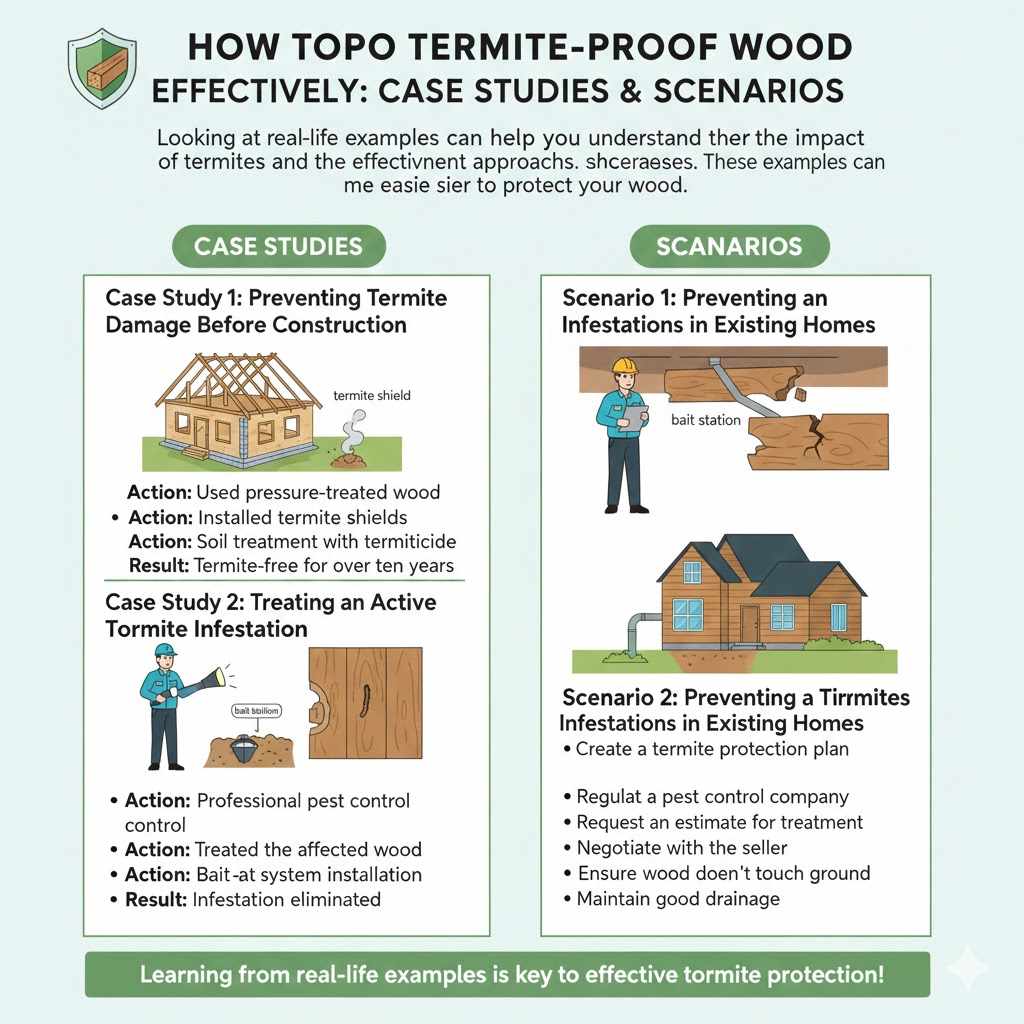
In this case study, a homeowner was building a new home. Before construction began, they took several preventative measures. They used pressure-treated wood for all structural components. They installed termite shields and treated the soil around the foundation with a liquid termiticide. They also implemented good drainage. The result was a home that has been termite-free for over ten years, demonstrating the value of proactive prevention.
- Action: Used pressure-treated wood.
- Action: Installed termite shields.
- Action: Soil treatment with termiticide.
- Result: Termite-free for over ten years.
Case Study 2: Treating an Active Termite Infestation
In this case, a homeowner noticed signs of termite activity in their home. They hired a professional pest control company. The company identified the species of termite and determined the scope of the infestation. They treated the affected wood. They installed a bait system. Regular monitoring was done. The infestation was eliminated, and the home was protected. This demonstrates that early action with professional help can stop an infestation.
- Action: Professional pest control.
- Action: Treated the affected wood.
- Action: Bait system installation.
- Result: Infestation eliminated.
Scenario 1: Home Inspection Findings
Imagine you’re buying a new home. A home inspection reveals signs of termite activity in the crawl space. What steps do you take? First, you contact a pest control company for a detailed inspection. You request an estimate for the necessary treatment and repairs. You negotiate with the seller to have the issue addressed. This helps protect your investment. You would also create a termite protection plan for the future.
- Contact a pest control company for a detailed inspection.
- Request an estimate for the necessary treatment and repairs.
- Negotiate with the seller to have the issue addressed.
- Create a termite protection plan for the future.
Scenario 2: Preventing Termite Infestations in Existing Homes
You already own a home. You want to make sure termites don’t become a problem. What steps would you take? You start with regular self-inspections. You hire a pest control expert. You make sure the wood is not touching the ground. You have good drainage. This prevents termite infestations and keeps your home secure.
- Regular self-inspections.
- Hire a pest control expert.
- Ensure wood does not contact the ground.
- Maintain good drainage.
Frequently Asked Questions
Question: How often should I inspect my home for termites?
Answer: It is important to check your home for termites at least once a year, and more often in high-risk areas.
Question: What are the main signs of termite damage?
Answer: Common signs of termite damage include mud tubes, frass, swarms of termites, and damaged wood.
Question: How can I prevent termites from entering my home?
Answer: You can use physical barriers, treat the soil, and treat the wood.
Question: What kind of treatment is best for termite prevention?
Answer: Soil treatments and wood treatments work well, and you must use the correct treatment for the specific type of termite.
Question: How much does it cost to termite-proof a house?
Answer: Costs vary, depending on factors such as home size, the treatment method, and any needed repairs. It’s best to get a professional evaluation to obtain a precise estimate.
Final Thoughts
How to Termite-Proof Wood Effectively involves a mix of prevention, early detection, and prompt action. From using physical barriers and soil treatments to regular inspections, the steps described can safeguard wooden structures. Remember that identifying the kind of termites you have is important to select the right approach. Knowing the different ways that termites damage wood helps you spot problems early.
By avoiding common mistakes like ignoring warning signs and choosing the wrong treatments, you can greatly boost your success. By following these steps, you’ll be well on your way to protecting your home. Get started today and secure your wooden structures from termite damage. Take action now to protect your investment for years to come.