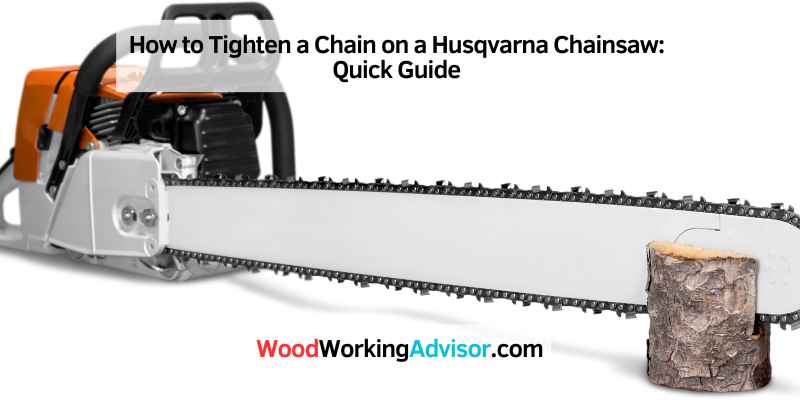
How to Tighten a Chain on a Husqvarna Chainsaw: Quick Guide
To tighten a chain on a Husqvarna chainsaw, you need to loosen the two nuts on the side cover, adjust the tension screw, and then tighten the nuts back up. This process should be done with the chainsaw turned off and the spark plug disconnected for safety reasons.
Maintaining proper chain tension is crucial for the longevity and performance of your chainsaw. A loose chain can lead to kickback or even damage to the chainsaw, while an overly tight chain can cause wear and tear on the bar and chain.
By regularly checking and adjusting the chain tension, you can ensure that your Husqvarna chainsaw is working at its best. We will guide you through the steps to tighten the chain on your Husqvarna chainsaw.
Introduction To Husqvarna Chainsaw Maintenance
To tighten the chain on a Husqvarna chainsaw, start by loosening the guide bar nuts. Then, adjust the tension screw until the chain sits snugly on the bar. Finally, tighten the guide bar nuts securely before using the chainsaw. Regular maintenance ensures optimal performance and safety.
Maintaining your Husqvarna chainsaw is essential to ensure its longevity and optimal performance. Regular maintenance includes cleaning, sharpening the chain, and adjusting the chain tension. In this post, we will focus on how to tighten the chain on a Husqvarna chainsaw, starting with the importance of chain tension.
Importance Of Chain Tension
Maintaining proper chain tension is crucial for the safe and efficient operation of your Husqvarna chainsaw. A loose chain can cause kickback, which can be dangerous, and it can also damage the saw’s bar and chain. On the other hand, an overly tight chain can cause excessive wear and tear, leading to premature failure of the chain, bar, and sprocket.
Safety First: Preparing For Maintenance
Before you begin any chainsaw maintenance, it’s essential to ensure your safety. Start by disconnecting the spark plug wire to prevent accidental starting. Wear appropriate personal protective equipment, including gloves, eye and ear protection, and a helmet. Secure the chainsaw to prevent movement during maintenance.
Next, inspect the chain for any damage or wear and replace it if necessary. Check the bar for any visible signs of damage, such as cracks or warping, and replace it if needed. Finally, make sure the bar and chain oil reservoir is full and the oil is flowing correctly.
Now that you have taken the necessary safety precautions and inspected your chainsaw, it’s time to proceed with tightening the chain.
Identifying A Loose Chain
To identify a loose chain on a Husqvarna chainsaw, first, ensure the engine is off. Then, use a screwdriver to adjust the tension by tightening the chain until it fits snugly on the guide bar. Regularly checking and tightening the chain ensures safe and efficient operation of the chainsaw.
A loose chain on a Husqvarna chainsaw can be a common problem that can affect its performance and safety. It is important to identify when the chain is slack so that you can take the necessary steps to tighten it. There are a few signs that indicate a loose chain, and it’s crucial to be aware of them to prevent further damage and potential accidents.
Signs Of A Slack Chain
When the chain on your Husqvarna chainsaw is loose, there are several telltale signs to look out for. These signs can help you quickly identify if your chain needs tightening:
1. Sagging chain: A loose chain will appear visibly saggy and may even hang loosely from the guide bar. This can cause the chain to slip or derail during operation, leading to a loss of control over the chainsaw.
2. Difficulty cutting: If you notice that the chainsaw is struggling to cut through wood, it could be due to a loose chain. A loose chain reduces the cutting efficiency, making it harder to make clean and precise cuts.
3. Chain derailment: A loose chain is more prone to derailment, where it jumps off the guide bar. This can be dangerous as it can cause the chainsaw to kick back or malfunction, posing a risk to the operator and bystanders.
4. Excessive vibration: When the chain is loose, it can result in increased vibration during operation. This vibration can affect the overall stability of the chainsaw, making it harder to control and potentially leading to accidents.
Risks Of Ignoring Chain Tension
Ignoring the tension of your Husqvarna chainsaw’s chain can have serious consequences. Here are some risks associated with neglecting chain tension:
1. Reduced cutting performance: A loose chain can significantly reduce the cutting performance of your chainsaw. This can lead to inefficient cuts, uneven surfaces, and wasted time and effort.
2. Increased wear and tear: When the chain is loose, it can cause excessive wear on the chain, guide bar, and sprocket. This can lead to premature damage and the need for costly repairs or replacements.
3. Higher fuel consumption: A loose chain requires more power to operate efficiently, leading to increased fuel consumption. This not only impacts your wallet but also contributes to environmental pollution.
4. Greater safety risks: Operating a chainsaw with a loose chain poses significant safety risks. A loose chain can easily come off the guide bar, causing the chainsaw to kick back or malfunction, potentially resulting in severe injuries.
To ensure optimal performance and safety, it is crucial to regularly check and adjust the tension of the chain on your Husqvarna chainsaw. By promptly identifying a loose chain and taking the necessary steps to tighten it, you can maintain the efficiency and longevity of your chainsaw while ensuring a safer working environment.
Tools Required For Chain Adjustment
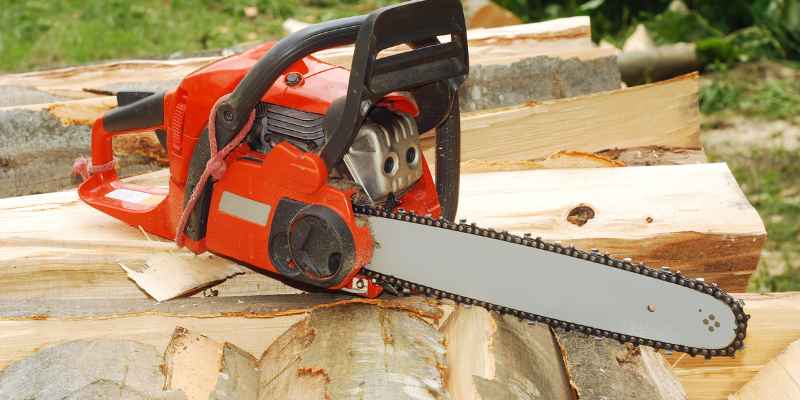
When it comes to maintaining your Husqvarna chainsaw, knowing how to tighten the chain is an essential skill. A properly tensioned chain ensures optimal performance and safety while operating the chainsaw. To achieve the right tension, you will need a few tools and accessories. In this section, we will discuss the essential tools and equipment, as well as optional accessories for precision chain adjustment.
Essential Tools And Equipment
To tighten the chain on your Husqvarna chainsaw, you will need the following essential tools:
- A flat-head screwdriver or a chainsaw tool with a flat screwdriver end: This tool is used to loosen and tighten the chain tensioning screw.
- A chainsaw file: This file is necessary to sharpen the chain teeth and maintain their cutting efficiency. A dull chain can cause kickback and reduce cutting performance.
- A depth gauge tool: This tool ensures the correct depth of the chain teeth, preventing them from digging too deep into the wood and causing kickback.
- A chainsaw bar wrench: This wrench is used to remove the chainsaw bar nuts and adjust the guide bar.
Optional Accessories For Precision
In addition to the essential tools, there are a few optional accessories that can help you achieve precise chain adjustment:
- A chainsaw filing vise: This accessory holds the chainsaw bar steady while you sharpen the chain, allowing for more accurate filing and reducing the risk of injury.
- A chainsaw depth gauge filing kit: This kit includes depth gauge files of various sizes, allowing you to maintain the correct depth of the chain teeth for different cutting conditions.
- A chainsaw bar groove cleaner: This tool removes debris and buildup from the guide bar groove, ensuring smooth chain movement and reducing friction.
While the essential tools are necessary for basic chain adjustment, the optional accessories can enhance the precision and efficiency of the process. Investing in these accessories can help you prolong the life of your chainsaw and achieve optimal cutting performance.
Preparation Steps Before Tightening
Before tightening the chain on your Husqvarna chainsaw, there are a few crucial preparation steps to follow. Start by cleaning the chain and bar, checking the tension, and inspecting for any damage or wear. Lubricating the chain and adjusting the tension properly will ensure optimal performance and safety during operation.
Cleaning The Chainsaw
Before tightening the chain on your Husqvarna chainsaw, it’s crucial to ensure that the chainsaw is clean and free from any debris or dirt. Use a clean cloth to wipe down the exterior of the chainsaw and pay special attention to the chain, bar, and sprocket. This will help prevent any potential damage to the chainsaw during the tightening process.
Securing The Chainsaw
Prior to tightening the chain, it’s important to secure the chainsaw to prevent any accidental movement. Place the chainsaw on a stable and flat surface, ensuring that it is well-supported. Consider using a chainsaw clamp or securing the chainsaw with a suitable device to hold it firmly in place. This will provide a safe and stable environment for adjusting the chain tension.
Tightening The Chain: Step-by-step
Properly tensioning the chain on your Husqvarna chainsaw is crucial for its performance and safety. A loose chain can increase the risk of accidents, while an overly tight chain can cause excessive wear and damage to the chainsaw. In this guide, we will walk you through the step-by-step process of tightening the chain on your Husqvarna chainsaw, ensuring optimal performance and safety.
Locating The Tensioning Screws
The first step in tightening the chain is locating the tensioning screws on your Husqvarna chainsaw. These screws are typically located on the side of the chainsaw’s guide bar. Depending on the model, there may be one or two tensioning screws. Refer to your chainsaw’s manual to identify the exact location of the tensioning screws.
Adjusting The Chain Tension
Once you have located the tensioning screws, you can proceed to adjust the chain tension. To do this, follow these simple steps:
- First, ensure that the chainsaw is turned off and the engine is cool to avoid any accidents.
- Use a screwdriver or the appropriate tool to loosen the tensioning screws slightly. This will allow you to adjust the tension more easily.
- Next, locate the tensioning pin or knob near the guide bar. This is used to adjust the chain tension.
- Turn the tensioning pin or knob clockwise to tighten the chain, or counterclockwise to loosen it. Make small adjustments to ensure the chain is neither too loose nor too tight.
- Check the tension by pulling the chain up from the guide bar. The chain should move freely but still have a snug fit against the guide bar.
- Once you are satisfied with the tension, tighten the tensioning screws securely.
Checking The Tension
After adjusting the chain tension, it is important to check and verify that it is properly tightened. Follow these steps to ensure the chain tension is correct:
- Start the chainsaw and let it run for a few moments to warm up.
- Hold the chainsaw firmly and engage the throttle to full speed.
- Observe the chain as it rotates around the guide bar. It should rotate smoothly without excessive sagging or tightness.
- If the chain appears too loose or tight during operation, repeat the above steps to readjust the tension.
By following these step-by-step instructions, you can easily tighten the chain on your Husqvarna chainsaw, ensuring optimal performance and safety. Remember to refer to your chainsaw’s manual for specific instructions and always prioritize safety when working with power tools.
Common Mistakes To Avoid
When it comes to maintaining your Husqvarna chainsaw, avoiding common mistakes is crucial to ensure optimal performance and safety. Here are some common mistakes to avoid when tightening the chain and maintaining the bar alignment of your chainsaw.
Over-tightening The Chain
Over-tightening the chainsaw chain is a common mistake that can lead to excessive wear and tear on the chain, bar, and sprocket. It can also cause the engine to overwork, leading to decreased efficiency and potential damage.
Neglecting Bar Alignment
Bar alignment is often overlooked but is essential for the smooth operation of the chainsaw. Neglecting bar alignment can result in uneven wear on the chain and bar, leading to decreased cutting performance and potential safety hazards.
Post-tightening Procedures
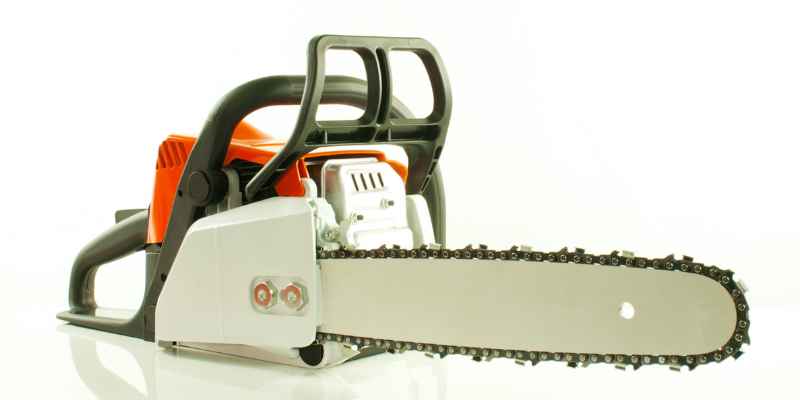
To tighten a chain on a Husqvarna chainsaw, start by loosening the guide bar nuts before adjusting the tension screw. Once the chain is taut, tighten the guide bar nuts and check the tension to ensure it’s just right for optimal performance.
Regularly maintaining the chain tension is crucial for safe and efficient chainsaw operation.
Lubricating The Chain
After tightening the chain, properly lubricate it to ensure smooth operation.
Testing The Chainsaw’s Performance
Test the chainsaw to ensure it performs optimally post-tightening.
Now, let’s move on to the Post-Tightening Procedures for your Husqvarna chainsaw. After you have tightened the chain, it is essential to follow these additional steps to maintain the chainsaw’s efficiency and longevity.
Lubricating The Chain
Ensure the chain is adequately lubricated with chainsaw oil to prevent wear and tear.
Testing The Chainsaw’s Performance
Run the chainsaw at a safe distance from any obstructions to assess its cutting ability.
Maintaining Optimal Chain Tension
To maintain optimal chain tension on a Husqvarna chainsaw, follow these steps. First, locate the tension adjustment screw on the chainsaw’s guide bar. Then, using a flathead screwdriver, turn the screw clockwise to tighten the chain until it sits snugly against the guide bar.
Regularly check and adjust the chain tension to ensure safe and efficient operation.
Regular Maintenance Tips
Regularly check and adjust chain tension to avoid damage.
When To Replace The Chain
Replace the chain if it is worn or damaged.
Ensure the chain tension is just right for optimal performance.
Adjust the tension by loosening the guide bar nuts slightly.
Use the chain tensioning screw to tighten or loosen the chain.
Check the tension by pulling the chain at the middle point.
The chain should move freely but not sag from the bar.
Tighten the guide bar nuts after adjusting the tension.
Regularly lubricate the chain to prevent overheating and wear.
Inspect the chain for signs of wear and replace if necessary.
Troubleshooting Chain Tension Issues
Proper chain tension is crucial for the optimal performance of your Husqvarna chainsaw. When faced with chain tension issues, follow these steps to diagnose and resolve the problem effectively.
Dealing With A Stuck Chain
- Check for any debris or blockages causing the chain to get stuck.
- Inspect the guide bar for any damage or irregularities that may be hindering chain movement.
- Apply lubricant to the chain and guide bar to facilitate smoother operation.
- Ensure the chain brake is disengaged before attempting to adjust the tension.
Resolving Tensioning Mechanism Faults
- Examine the tensioning screw for any signs of wear or damage.
- Verify that the tensioning system is properly aligned and functioning correctly.
- Refer to the manufacturer’s manual for specific instructions on adjusting the tension.
Frequently Asked Questions
How Often Should I Tighten The Chain On My Husqvarna Chainsaw?
You should check the chain tension before each use. It’s recommended to tighten it when it hangs away from the guide bar.
What Tools Do I Need To Tighten The Chain On A Husqvarna Chainsaw?
You will need a scrench tool that combines a screwdriver and a socket wrench. This tool is essential for adjusting the chain tension.
Can A Loose Chain Cause Damage To My Husqvarna Chainsaw?
Yes, a loose chain can damage the chainsaw and pose safety risks. It can lead to kickbacks, reduced cutting performance, and premature wear.
How Do I Know If The Chain Tension Is Too Tight On My Husqvarna Chainsaw?
If you cannot pull the chain around the guide bar by hand, it’s too tight. Proper tension allows the chain to move freely but without sagging.
Conclusion
Properly maintaining the chain on your Husqvarna chainsaw is crucial for its performance and longevity. By following the steps outlined in this guide, you can ensure that your chainsaw operates safely and efficiently. Regular chain maintenance will also help prevent accidents and extend the life of your equipment.