How to Transport 16 Foot Boards: Easy and Safe Methods
Transporting 16-foot boards can be challenging. It requires proper planning and the right tools.
Whether you’re moving lumber for a home project or delivering materials to a job site, knowing how to transport long boards safely is essential. Oversized loads can be tricky to handle, especially without the proper know-how. From securing the boards to choosing the right vehicle, every step matters.
This blog will guide you through the process, ensuring your 16-foot boards arrive intact and safely. Read on to learn practical tips and methods for moving these lengthy materials without hassle or damage.

Credit: www.youtube.com
Choosing The Right Vehicle
Trucks are ideal for carrying long boards. Pickup trucks often have beds long enough to fit 16 foot boards. Securing the boards properly is important to avoid any accidents. Use straps and ropes to keep the boards in place. Closed trucks offer protection from weather. This keeps the boards dry and safe.
Some SUVs can carry long boards. Fold down the seats to create more space. Open the rear hatch and let the boards stick out. Make sure the boards are secured and visible to other drivers. Roof racks are also an option. Use strong straps to tie the boards to the roof. This ensures they stay put during transit.
Securing The Boards
Transporting 16-foot boards can be tricky. Secure the boards with strong straps and ensure they are tightly fastened. Use a vehicle that can safely handle the length and weight.
Using Straps
Straps are a great way to secure long boards. Use strong straps to keep the boards in place. Wrap the straps tightly around the boards. Make sure the straps are not loose. Tighten the straps well. Check the straps before driving. If the straps are loose, the boards can fall.
Harness Systems
Harness systems can help a lot. They hold the boards tight. Use a good harness system for safety. Attach the harness to the truck or car. Make sure it is strong and secure. Check the harness system often. This will keep the boards safe.
Roof Rack Solutions
Ensure the roof rack can handle long boards. Check the weight limit. Use high-quality straps to secure the boards. Place the boards evenly on the rack. This helps to balance the load. Double-check that the rack is tightly installed. Loose racks can be dangerous. Follow the manufacturer’s instructions for the best results.
Secure the boards with strong straps. Ensure there is no movement. Use a red flag on the end of the boards. This makes them visible to other drivers. Drive slowly and carefully. Sudden stops or turns can cause problems. Check the straps regularly during the trip. Wind and speed can loosen them. Always stay aware of the load’s impact on your driving.
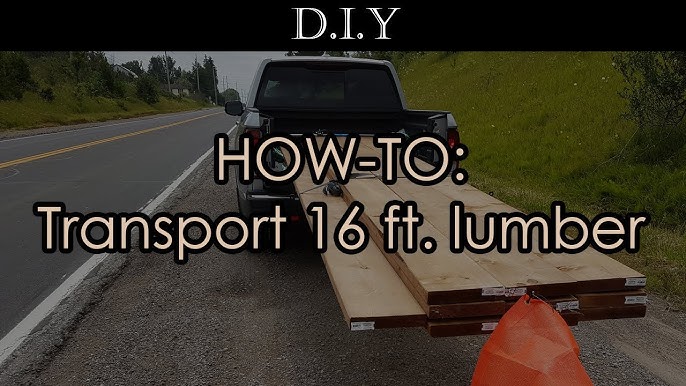
Credit: www.youtube.com
Trailer Usage
There are several types of trailers for long boards. Flatbed trailers are common. They offer a large, open space. Utility trailers are another option. They have sides to keep boards secure. Enclosed trailers provide full protection from weather. They also prevent theft. Tilt trailers are easy to load and unload. They tilt to the ground. Gooseneck trailers are great for heavy loads. They attach to a truck bed.
Balance the load on the trailer. Place boards evenly. Use straps to secure the boards. Tighten them well. Place padding between boards and straps. This prevents damage. Avoid overloading the trailer. Check its weight limit. Distribute weight properly. Place heavier items at the bottom. Use a spotter if needed. They can help guide you.
In-vehicle Transport
Transporting 16-foot boards in a vehicle requires careful planning. Secure boards with strong straps. Ensure the load is balanced.
Seat Arrangement
First, fold down the back seats if possible. This creates more room. Make sure the boards fit without forcing them. Position the boards so they run from the front to the back of the vehicle. Some boards may need to extend into the front seat area. Secure them with bungee cords or straps. This prevents them from moving. Always ensure the boards do not block your view.
Protective Padding
Use blankets or towels to protect your vehicle. Place them under and around the boards. This prevents scratches and damage. Wrap the ends of the boards if they touch anything. Padding also stops the boards from sliding. Double-check that all padding is secure before you start driving. Safety first!
Legal Considerations
Each state has its own rules for transporting large items. Some states may have stricter laws. Check the rules where you live. Measure the boards and your vehicle. Make sure you stay within legal limits. You might need extra lights or signs.
Some states require permits for long boards. Permits can cost money. Check if you need one before you start. You may have to pay a fee. Some states have online forms. Others need you to visit an office. Always keep the permit with you. It can save you from fines.
Environmental Factors
Rain can make boards slippery. Wet roads can be dangerous too. Strong winds may push the boards. Sunny weather can cause boards to dry out. Check the forecast before you start. Plan for any weather changes.
Potholes can damage boards and your vehicle. Sharp turns need extra care. Sudden stops can shift the boards. Watch for debris on the road. Avoid busy streets if you can. Drive slowly and carefully.
Safety Precautions
Securely transporting 16-foot boards requires proper planning. Use a sturdy vehicle with adequate support and tie-downs. Ensure boards are well-balanced to prevent shifting during transport.
Reflective Markings
Always use reflective tape on the boards. This makes them visible in low light. Place the tape on both ends of the boards. Check that it is secure before you start your trip. This helps other drivers see the long load.
Night Transport
Traveling at night requires extra care. Ensure your vehicle lights are working well. Use additional lights if needed. These lights help others see your load. Drive slowly and carefully to avoid accidents. Always keep an eye on the road.

Credit: www.reddit.com
Frequently Asked Questions
How Do You Transport 16 Foot Boards?
Transporting 16 foot boards requires a truck or trailer. Secure the boards with straps. Ensure they don’t extend excessively beyond the vehicle.
Can A Car Carry 16 Foot Boards?
Cars usually can’t carry 16 foot boards safely. Use a truck or trailer instead for secure transportation.
Is It Legal To Transport Long Boards?
Yes, but regulations vary by location. Ensure boards are securely fastened and marked if they extend beyond your vehicle.
What Tools Do I Need For Securing Boards?
You need sturdy ratchet straps and possibly a red flag. These tools ensure boards are securely fastened and visible.
Conclusion
Transporting 16-foot boards can be challenging but manageable with proper planning. Follow the tips shared to ensure safe and efficient transport. Use the right vehicle and secure the boards properly. Consider safety precautions to protect yourself and others on the road.
With these steps, you can move long boards without hassle. Happy transporting!