How to Identify Mahogany: Expert Tips and Visual Guides
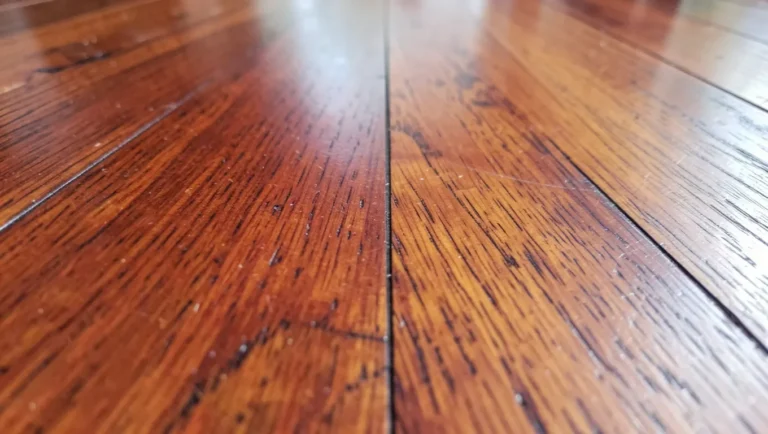
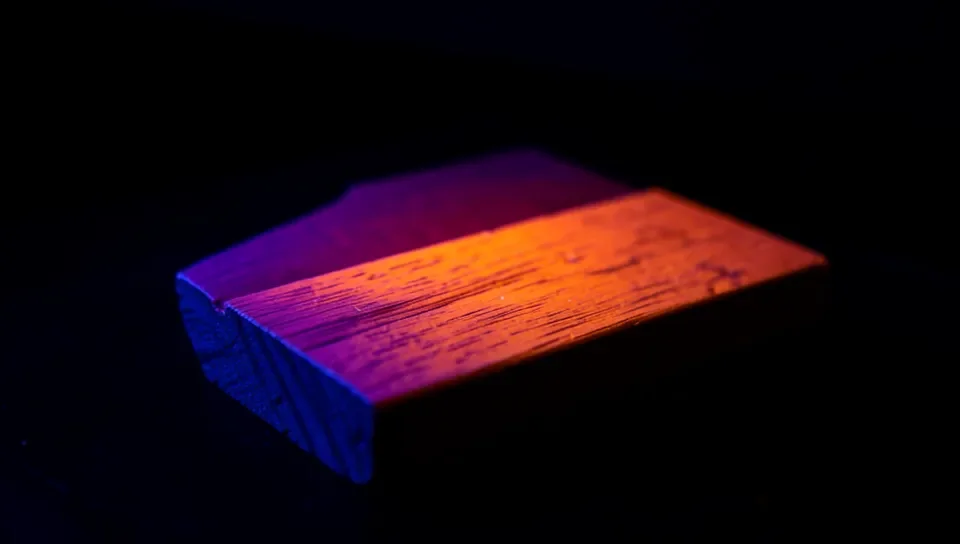
Genuine mahogany shows a deep reddish-brown color, straight fine grain, and small even pores, and it feels notably heavier than most cabinet-grade woods of the same size. The single most reliable test most identification guides skip: real mahogany (Swietenia species) fluoresces a distinctive reddish-orange under UV/blacklight, while common look-alikes like sapele and khaya do not glow the same way.
Core Visual And Physical Traits
Best Wood ID Loupe
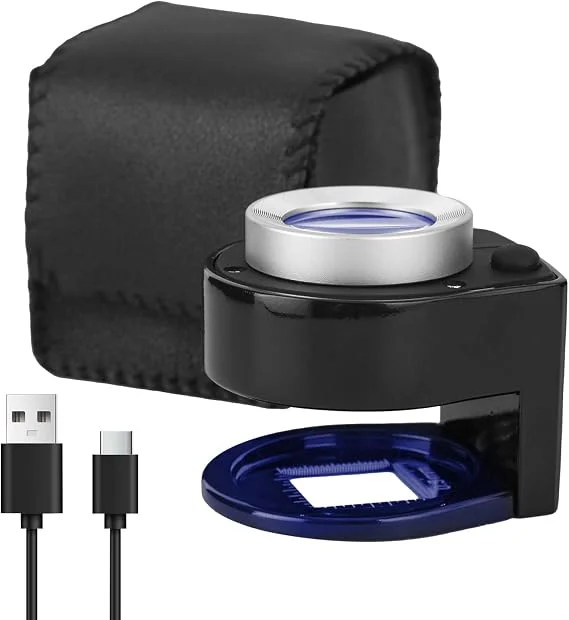 |
HunterBee 30X Loupe with UV Light – $14.99 Does both jobs this guide recommends: 30x magnification for grain/pore inspection and built-in UV light for the fluorescence test.
|
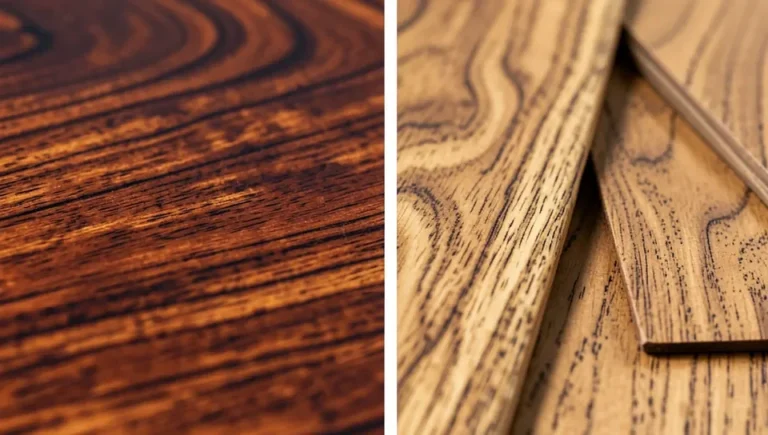
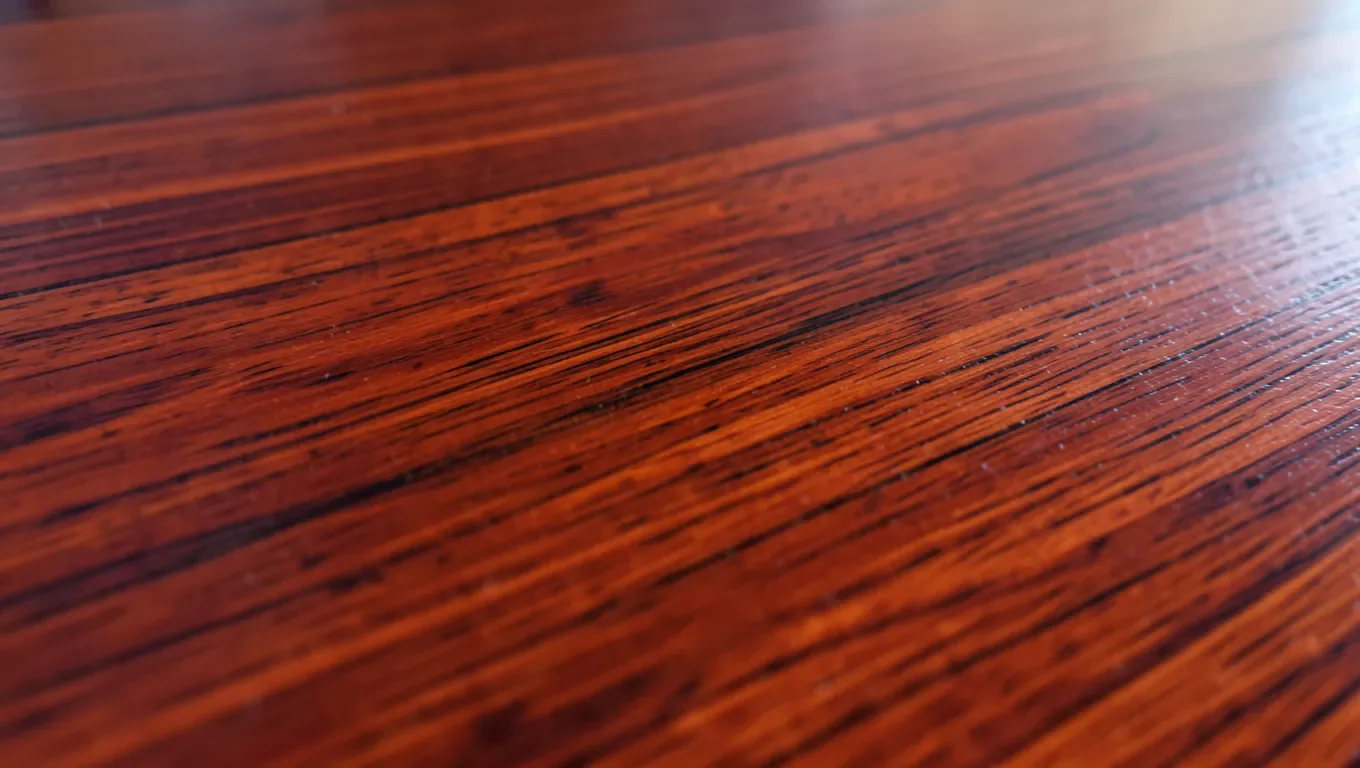
- Color: Deep reddish-brown, darkening further with age and light exposure. Freshly cut mahogany can start pinkish-tan before oxidizing to its familiar rich red-brown over weeks.
- Grain: Straight and fine, occasionally with a subtle wavy or ribbon figure, never as strongly interlocked as sapele.
- Pores: Small, even, and evenly distributed – visible under a 10-30x loupe.
- Weight: Notably dense for a “tropical hardwood” – heavier in hand than pine, poplar, or most domestic softwoods of the same size.
- Sheen: Takes a natural polish well, developing a soft, warm luster even with minimal finish.
The UV Fluorescence Test
This is the test most casual identification guides never mention, and it’s one of the more reliable non-destructive checks available to a hobbyist. Genuine mahogany (Swietenia macrophylla, Honduran/big-leaf mahogany, and true Cuban mahogany) fluoresces a distinctive reddish-orange glow under a UV blacklight in a dark room. Sapele and khaya, the two most common substitutes sold as “mahogany,” do not produce the same characteristic glow. This won’t replace a lab test, but it’s a fast, real screening step you can do with a $15 UV loupe before spending real money on a piece.
True Mahogany Species
- Honduran/Big-Leaf Mahogany (Swietenia macrophylla): The gold standard – rich reddish-brown, straight grain, highly decay-resistant. Since 2003 this species has been listed under CITES Appendix II, meaning international trade is restricted and permit-controlled – a real reason genuine mahogany furniture and lumber commands a premium price today.
- Cuban Mahogany (Swietenia mahagoni): The original “true” mahogany prized by antique furniture makers, now extremely rare commercially due to historic overharvesting.
- African Mahogany (Khaya species): Botanically related but a different genus – lighter color, more interlocked grain, softer and less expensive than Swietenia mahogany. Often sold honestly as “African mahogany,” which is a legitimate wood in its own right, just not true Swietenia mahogany.
Common Look-Alikes And How To Tell Them Apart
- Sapele: Reddish-brown like mahogany, but with strongly interlocked, wavy “ribbon” grain (especially visible on quartersawn cuts) that mahogany’s straighter grain doesn’t show. Sapele is also noticeably harder and heavier.
- Khaya (African mahogany): Lighter, more pinkish color, coarser and more open grain than true Swietenia mahogany, and softer – it dents and scratches more easily.
- Philippine Mahogany (lauan/meranti): Not a true mahogany at all – a completely different genus (Shorea), lighter and less durable, commonly used in cheaper furniture and plywood despite the misleading name. See our full nato wood vs mahogany comparison for the hardness numbers and where each wood actually belongs.
Tools For Identification
- A 10-30x loupe or handheld magnifier to check pore size and grain consistency up close.
- A UV/blacklight (many loupes now combine both in one tool) for the fluorescence test above.
- A reference sample or photo from a trusted wood database to compare color and grain side by side.
Caring For Mahogany
Clean with a soft, damp cloth and mild soap – avoid harsh chemicals, which can strip the finish and dull the natural color. Apply a quality furniture wax every few months, buffing with a soft cloth to maintain the natural sheen. Keep mahogany out of direct sunlight, since UV exposure fades its rich color over time, and always use coasters to prevent water ring damage.
Frequently Asked Questions
What Are The Features Of Mahogany Wood?
Mahogany is reddish-brown, dense, and durable, with a straight fine grain and small even pores. It’s highly resistant to decay and insects and takes a natural polish well.
How Can I Identify Mahogany Furniture?
Look for a deep reddish-brown color, straight grain with small even pores, and a noticeably heavier feel than most other cabinet woods. For a stronger check, a UV blacklight test shows genuine mahogany fluorescing reddish-orange, unlike common substitutes like sapele or khaya.
Is Mahogany Wood Expensive?
Yes. Beyond its appearance and durability, genuine Honduran/big-leaf mahogany has been CITES Appendix II-restricted in international trade since 2003, which limits legal supply and keeps prices high compared to substitutes like African mahogany (khaya) or sapele.
Is Philippine Mahogany Real Mahogany?
No. Philippine mahogany (also sold as lauan or meranti) is a different genus (Shorea) entirely, not a true Swietenia mahogany. It’s lighter, less durable, and commonly used in cheaper furniture and plywood.
Conclusion
Genuine mahogany reveals itself through a deep reddish-brown color, straight fine grain, small even pores, and real weight in hand – and if you want a stronger check than look-and-feel alone, a UV blacklight test is the one most identification guides skip entirely. Knowing the difference between true Swietenia mahogany and common substitutes like sapele, khaya, and Philippine mahogany saves you from paying a premium price for a wood that isn’t what it claims to be.
Sponsored / affiliate links. As an Amazon Associate I earn from qualifying purchases. I may earn additional commission from eligible campaigns.