How to Treat Birch Wood: Ultimate Preservation Guide
To treat birch wood, start by sanding it smoothly to remove imperfections. Then apply a protective finish like oil, varnish, or lacquer.
Birch wood is prized for its beauty and durability, making it a popular choice for furniture and cabinetry. Proper treatment enhances its natural grain while protecting it from wear and moisture. Birch is a hardwood that can be prone to scratches and dents, so treatment is essential for longevity.
With the right care, birch wood maintains its stunning appearance for years. Whether you’re crafting a piece or restoring an antique, understanding how to treat birch wood is crucial. This guide will help you achieve the best results, ensuring your projects stand out while remaining functional.
Introduction To Birch Wood
Birch wood is known for its fine grain and light color. It is strong and durable, making it suitable for various projects. Birch has a smooth surface, which is perfect for finishing. This wood is easy to work with and takes stains well.
Common uses of birch include furniture, cabinets, and plywood. It is also popular for making toys and musical instruments. Craftsmen appreciate birch for its beauty and versatility.
| Characteristic | Description |
|---|---|
| Color | Light yellow to white |
| Grain | Fine and even |
| Durability | Strong and resilient |
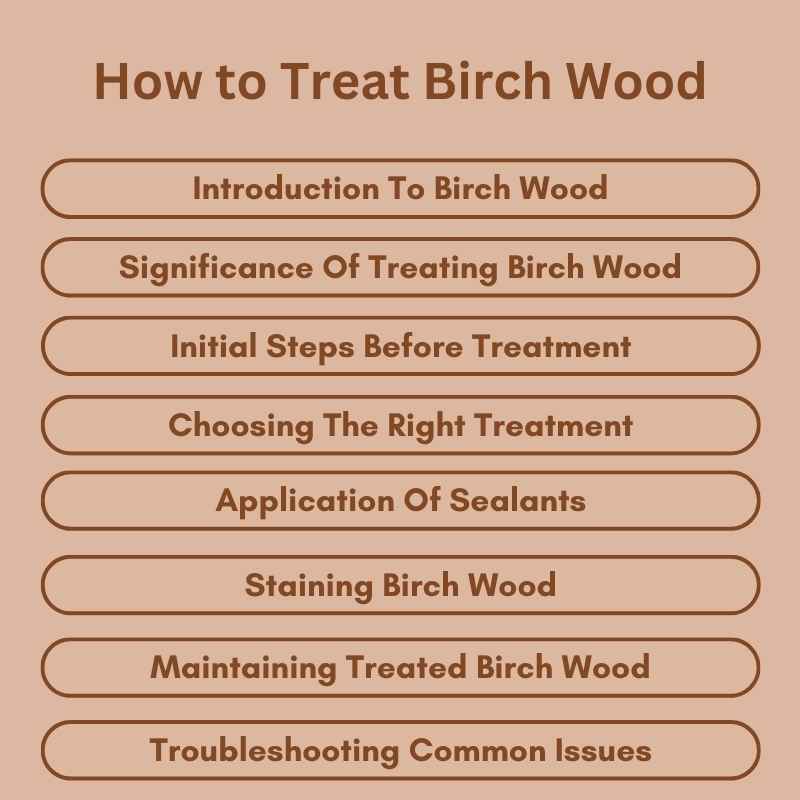
Significance Of Treating Birch Wood
Treating birch wood is very important for its longevity. This wood is beautiful, but it can decay quickly if not treated. Proper treatment helps prevent decay from moisture and pests. Use a good quality sealant to protect the wood.
Enhancing the durability of birch wood is essential. Regularly applying oils or varnishes can keep it strong. This maintenance helps the wood resist scratches and wear. A well-treated surface looks better and lasts longer.
| Benefits of Treating Birch Wood | Description |
|---|---|
| Prevents Decay | Stops moisture and pests from damaging the wood. |
| Enhances Durability | Makes the wood strong and resistant to scratches. |
| Improves Appearance | Keeps the wood looking fresh and vibrant. |
Initial Steps Before Treatment
Start by cleaning the surface of the birch wood. Use a soft cloth to remove dust and dirt. This helps to prepare the wood for treatment.
For a deeper clean, use a mild soap solution. Wipe the surface gently and let it dry completely.
Sanding techniques are important for a smooth finish. Use fine-grit sandpaper to avoid scratches. Sand in the direction of the grain for the best results.
After sanding, wipe the wood again to remove any dust particles. This ensures the treatment will adhere properly.
Choosing The Right Treatment
Choosing the right treatment for birch wood is important. Different treatments serve different purposes. Here are some common types of wood treatments:
| Type of Treatment | Best Use |
|---|---|
| Varnish | Indoor furniture |
| Stain | Enhancing color |
| Oil | Natural look |
| Sealant | Outdoor protection |
Selecting treatment depends on whether the wood is for indoor or outdoor use. Indoor treatments focus on aesthetics and protection. Outdoor treatments provide durability against weather and insects.
Application Of Sealants
Sealing birch wood helps protect it from moisture and damage. Follow these simple steps:
- Clean the surface thoroughly to remove dust and dirt.
- Choose a good quality sealant suitable for wood.
- Apply the sealant evenly using a brush or cloth.
- Let it dry completely before applying a second coat.
- Sand lightly between coats for a smoother finish.
Some recommended products for sealing birch wood include:
| Product Name | Type | Features |
|---|---|---|
| Minwax Polycrylic | Water-based | Fast drying and clear finish |
| Tahoe Clear Finish | Oil-based | Durable and water-resistant |
| Rust-Oleum Varathane | Water-based | Low odor and easy to apply |
Staining Birch Wood
Staining birch wood offers many benefits. It enhances the wood’s natural beauty. A good stain can also provide protection against damage. It makes the wood more durable and resistant to wear.
Choosing the right color is important. Light stains highlight the wood’s grain. Dark stains can add depth and warmth. Consider the room’s decor before making a choice.
| Color | Effect |
|---|---|
| Light Oak | Brightens the space |
| Walnut | Adds richness and warmth |
| Cherry | Gives a classic look |
| Gray | Modern and sleek |
Applying stain requires some tips. Always test the stain on a small area first. Use a brush or cloth for even application. Make sure to follow the manufacturer’s instructions for the best results.
Maintaining Treated Birch Wood
Regular care keeps your birch wood looking its best. Dust with a soft cloth. Use a damp cloth for deeper cleaning. Avoid harsh chemicals that can damage the finish.
Check for scratches or dents often. Lightly sand the area if needed. Apply wood finish to restore the shine.
Protect from extreme temperatures. Keep birch wood away from direct sunlight. Avoid placing it near heating vents.
Prevent water damage by using coasters and mats. Wipe spills immediately to avoid stains. Maintain a stable humidity level in the room.
Use furniture polish occasionally. This helps maintain the wood’s natural beauty. Avoid using too much polish, as it can cause buildup.
Troubleshooting Common Issues
Stains on birch wood can be annoying. Use a soft cloth to wipe away spills quickly. For tough stains, mix vinegar and water. Apply it gently and wipe off with a dry cloth. Always test on a small area first.
Scratches can be fixed easily. Use a wood filler that matches the birch color. Apply it carefully into the scratch and let it dry. Sand it smooth, then finish with varnish.
Water damage shows up as dark spots. To repair this, dry the area completely. Use a wood conditioner to restore moisture. Once it’s dry, sand lightly and reapply the finish.
Eco-friendly Treatment Options
Natural oils and waxes are great for treating birch wood. They enhance the wood’s natural beauty. These options are eco-friendly and safe for the environment.
Linseed oil is a popular choice. It penetrates deep into the wood. This helps to protect it from moisture.
Beeswax can also be used. It creates a protective layer on the surface. This keeps the wood looking great for years.
Using these treatments is simple. Apply with a soft cloth and let it soak. Wipe off any excess after a few minutes.
These methods are safe for both the wood and the planet. They avoid harmful chemicals found in some products.
Advanced Preservation Techniques
Chemical treatments are essential for preserving birch wood. These methods protect against moisture, insects, and decay. Common chemical options include borate solutions and wood preservatives. They penetrate deeply, ensuring long-lasting protection.
UV protective coatings are crucial for birch wood exposed to sunlight. These coatings shield the wood from harmful UV rays. They help maintain the wood’s natural color and prevent fading. Regular application of these coatings keeps the wood looking fresh.
Creative Finishing Touches
Birch wood can look amazing with creative finishing touches. Use various decorative techniques to enhance its beauty. Staining adds color and depth. Choose a stain that complements the natural grain.
Try painting for a bold look. Bright colors can make your piece stand out. Whitewashing gives a soft and vintage feel. It highlights the wood grain while adding a unique touch.
Combining treatments creates special effects. Start with a stain, then add a glaze for richness. Layering different techniques can transform ordinary wood into a stunning piece.
Experiment with texturing. Use sandpaper or a wire brush to create interesting surfaces. This adds character and charm to your project.
Conclusion: Ensuring Longevity
To ensure the longevity of birch wood, follow these best practices:
- Always clean the wood regularly to remove dirt and dust.
- Apply a protective finish to shield against moisture and scratches.
- Store birch wood in a dry area to prevent warping.
- Avoid placing hot items directly on the wood surface.
Continued learning about birch wood care is crucial. Join workshops or read books on woodworking techniques. Online tutorials also provide helpful tips. Regular maintenance ensures the wood remains beautiful and functional.
Frequently Asked Questions
How Do You Prepare Birch Wood For Treatment?
To prepare birch wood for treatment, start by cleaning it thoroughly. Remove any dirt, dust, or old finishes. Sand the surface lightly to create a smooth texture. Ensure the wood is dry to allow for better absorption of treatments. This prep work is crucial for effective treatment results.
What Products Are Best For Treating Birch Wood?
For treating birch wood, consider using oils, varnishes, or sealants. Tung oil and linseed oil provide excellent protection and enhance the wood’s natural beauty. Polyurethane varnish offers durability and resistance to wear. Always choose products specifically designed for hardwoods to ensure optimal results and longevity.
How Often Should Birch Wood Be Treated?
Birch wood should typically be treated every 1 to 3 years. Factors like exposure to moisture and sunlight can affect this frequency. Regular treatment helps maintain its appearance and durability. Monitor the wood’s condition and apply treatment whenever you notice signs of wear or fading.
Can I Use Stain On Birch Wood?
Yes, you can use stain on birch wood. Staining enhances its natural grain and provides a beautiful finish. Ensure the wood is properly sanded and cleaned before application. Choose a stain compatible with birch to achieve the best color and texture results.
Conclusion
Treating birch wood enhances its durability and appearance. Proper care ensures your projects last longer and look stunning. Regular maintenance, like cleaning and reapplication of finishes, keeps birch in top shape. By following these steps, you can enjoy the beauty and resilience of birch wood for years to come.
Happy woodworking!