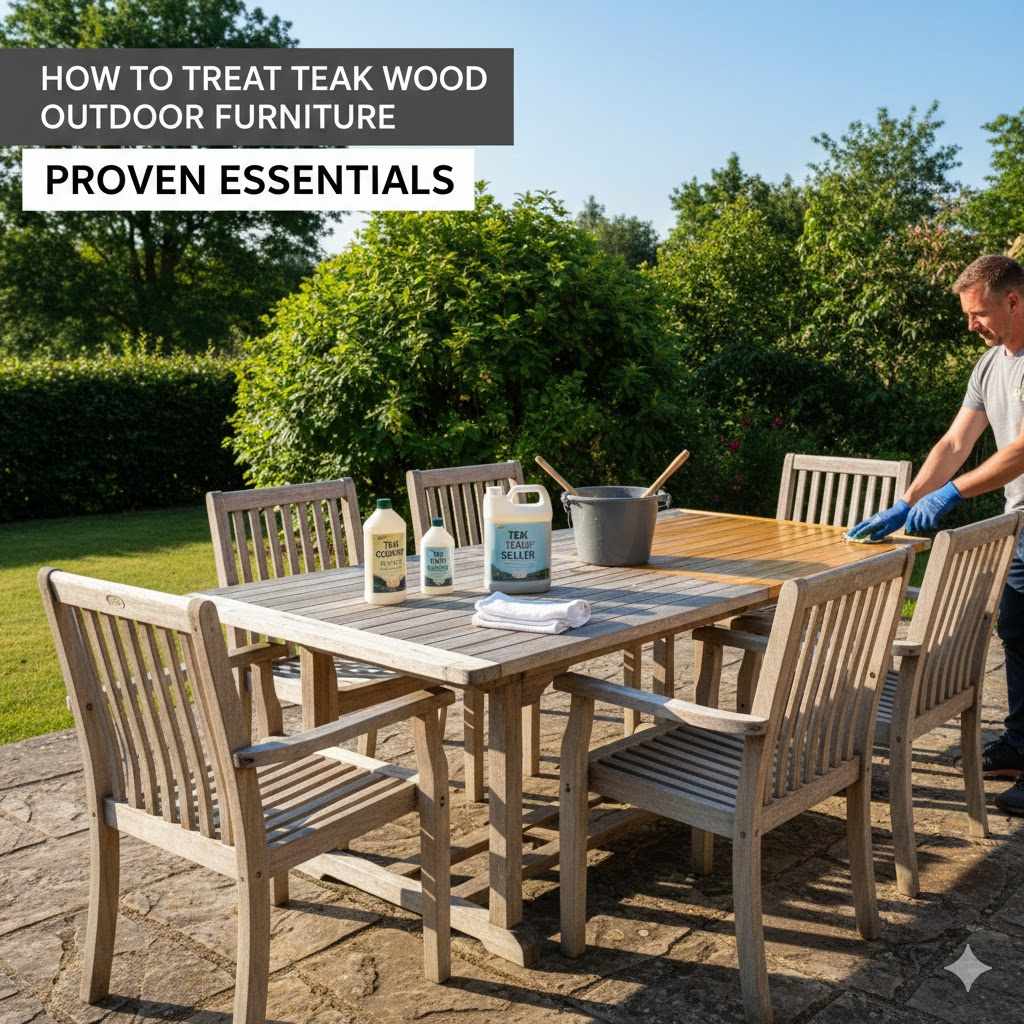
How To Treat Teak Wood Outdoor Furniture: Proven Essentials
To successfully treat teak wood outdoor furniture, focus on regular, gentle cleaning, optional oiling every year or two to maintain the honey-brown color, or allowing it to naturally weather to a beautiful, maintenance-free silver-gray patina. Simple steps ensure longevity and beauty for years.
Hello there! I’m Md Meraj, and I know that investing in beautiful teak furniture can be exciting, but watching it change color can sometimes feel a little nerve-wracking. That lovely, warm honey color is what we all love, but sunlight and rain eventually turn it to soft silver-gray. It’s natural! Many homeowners worry about making expensive mistakes when cleaning or preserving their pieces.
The good news is that treating teak is easier than you think. You don’t need fancy skills—just a few straightforward steps. Let’s walk through exactly how to keep your teak looking its best, whether you want to keep that golden glow or embrace the weathered look.
Understanding Teak: Why Treatment is Different
Before we start scrubbing, it’s important to know why teak is so popular for outdoor use. It’s not just good looks; it’s built tough!
Teak wood is naturally full of rubber and natural oils. These oils are fantastic because they act like built-in weatherproofing, repelling water and resisting insects like termites. This is why high-quality teak furniture can last for decades, even decades, in harsh conditions.
When you buy new teak furniture, it often has that rich, golden-brown hue. However, when exposed to UV rays from the sun and rain, that color will naturally shift. This color change is called patination.
The Two Paths of Teak Treatment
As a new woodworker and homeowner, you have a choice to make right away, which defines your maintenance plan:
- Keep the Gold: You actively seal or oil the wood regularly (usually yearly) to lock in the original color. This requires more work but gives you that “fresh from the showroom” look.
- Embrace the Silver: You let nature take its course. The wood will weather to a beautiful, distinguished silvery-gray. This is the lowest-maintenance option and still results in extremely durable furniture.
Most beginners actually find the silver-gray path much easier! We will cover both, starting with the essential foundation: cleaning.

Step 1: Essential Beginner Cleaning for Teak Furniture
No matter which path you choose (gold or silver), cleaning is the first and most important step. Dirt, pollen, bird droppings, and mildew can cling to the wood and actually break down the surface faster. A good clean should be done at least twice a year.
Tools You Will Need for Cleaning
Keep your cleaning kit simple. You likely have most of these things already.
- Mild dish soap (nothing harsh like bleach or ammonia)
- Soft-bristled brush or non-abrasive sponge
- Clean buckets of water
- Garden hose (a gentle spray setting, not a high-pressure washer)
- Old, soft rags or microfiber cloths
The Gentle Cleaning Process (Simple & Safe)
This process ensures you remove surface grime without damaging the wood fibers. We want to work with the grain, not against it.
- Clear the Area: Move the furniture to a flat area where water can drain easily, like a patio or lawn. Remove all cushions and accessories.
- The Wet Down: Use your garden hose to thoroughly wet the furniture. A gentle stream is key; avoid high pressure, as it can damage the wood surface, forcing water deep into the joints.
- Mix Your Solution: In one bucket, mix warm water with just a few drops of mild dish soap. We need suds, but not heavy chemicals.
- Gentle Scrubbing: Dip your soft brush or sponge into the soapy water. Scrub the furniture gently, moving with the direction of the wood grain. Pay special attention to cracks, crevices, and areas where mildew might hide.
- Rinse Thoroughly: This is crucial! Use the hose again (still on a low setting) to rinse every bit of soap residue off the teak. Leftover soap can dry out the wood.
- Air Dry: Allow the furniture to air dry completely. Do not cover it immediately. If possible, leave it in the sun for a day to dry out any trapped moisture.
Mentor Tip from Meraj: Never use abrasive cleaners or steel wool on teak. These materials scratch the surface, creating tiny valleys where dirt and water can collect, leading to faster decay. Smoothness is key to longevity!
Step 2: Treating Teak for Longevity (Oiling vs. Weathering)
Once your teak is clean and bone-dry (this might take 24-48 hours depending on humidity), you decide if you want to preserve the honey color or let it weather naturally.
Option A: Allowing Teak to Weather Naturally (Low Maintenance)
If you enjoy the cool, distinguished silver-gray color and prefer minimal upkeep, you don’t need to apply any oils or sealants. The wood is perfectly protected by its own natural oils.
For those who choose this route, cleaning twice a year is all the “treatment” needed. The sun and rain do the rest! This approach aligns perfectly with many sustainable outdoor living practices. The durability remains the same whether it’s gold or silver.
Option B: Maintaining the Golden Honey Color with Teak Oil
If you want to fight the natural graying process and keep that deep, warm brown color, you must apply a dedicated teak sealer or oil. This process generally needs repeating once every 6 to 12 months, depending on sun exposure.
Choosing the Right Teak Oil Product
Do not use standard linseed oil or cooking oils! They can turn rancid, smell bad, and actually harm the wood. Always select a product specifically made for teak or exterior hardwoods.
| Oil Type | Key Feature | Maintenance Frequency | Recommended For |
|---|---|---|---|
| 100% Pure Teak Oil | Deep penetration, rich color | Every 6–12 months | Furniture in shaded areas or full restoration |
| Teak Sealer (Water-Based) | Repels water well, faster drying | Every 10–14 months | Highly exposed patios; easier application |
| Tung Oil (Pure) | Very durable, natural look | Every 12–18 months | Very patient users; slower curing tim |
The Simple Step-by-Step Oiling Guide
Applying the oil is satisfying, but you must do it correctly to avoid streaks and stickiness. Ensure the furniture is completely dry (inside and out) before starting.
- Preparation: Place plastic sheets or old newspapers underneath the furniture to catch drips. Wear old gloves to protect your hands from stains.
- Application: Apply the teak oil generously onto a clean, lint-free rag or foam brush. Do not pour oil directly onto the wood, as this leads to puddling.
- Follow the Grain: Working on one section at a time (like a single chair slat or tabletop piece), rub the oil into the wood following the grain. The wood will immediately darken.
- Let it Soak (The Dwell Time): Allow the oil to soak into the wood for about 20–30 minutes. You should see the wood absorbing the moisture.
- The Wipe Down (Crucial Step): Take a new, clean, dry cloth and wipe off ALL excess oil thoroughly. This is the most important part for avoiding a sticky finish. If you leave puddles, the surface will stay tacky and attract dirt.
- Second Coat (Optional): If the wood looks patchy or very dry in spots, wait 24 hours and apply a very light second coat, repeating the generous application and, most importantly, the full wipe-down.
What About Mildew and Mold on Teak?
Mold and mildew often appear as dark spots or green fuzzy patches, especially on the underside of cushions or in areas that stay damp. Since teak is naturally resistant, surface mildew is usually easy to treat.
If your simple soap wash didn’t handle it, you need a slightly stronger, yet still safe, solution.
Handling Tough Mildew Stains
This solution targets the fungus without stripping the wood’s natural oils severely. You can find resources on responsible wood maintenance from sources like U.S. Forest Service research reports detailing exterior wood preservation methods.
Here is a great formula:
- 1 part Oxygen Bleach (look for sodium percarbonate, not chlorine bleach)
- 3 parts Warm Water
Follow the gentle cleaning steps above, using this oxygen bleach solution instead of the soapy water. Oxygen bleach is safer for surrounding plants and concrete than traditional chlorine bleach, and it’s highly effective at lifting those dark fungal stains. Scrub gently, rinse completely, and let dry.
Protecting Your Teak: Beyond Cleaning and Oiling
Treating teak wood outdoor furniture is only half the battle; protecting it from the elements when it’s not in use makes a huge difference in your long-term maintenance schedule.
The Importance of Storage and Covers
If you live somewhere with extreme winters, heavy snowfall, or relentless, year-round sun, putting your furniture away or covering it is a game-changer.
When to Store or Cover:
- Winterizing: If temperatures drop below freezing regularly, moving teak to a covered, unheated space (like a garage or dry shed) prevents ice damage and preserves joints better than leaving it exposed.
- During Off-Season: If you have furniture you won’t use for three months or more, cover it completely.
- Heavy Storms: Covering or bringing in small pieces during severe thunderstorms or hail prevents impact damage.
When purchasing covers, look for breathable, waterproof material designed for patio furniture. A cover that traps moisture can actually encourage mold growth underneath, defeating the purpose! Look for covers that vent.
A Word on High-Pressure Washing
As a mentor, I must advise beginners to avoid pressure washers whenever possible when treating teak. While professional restorers sometimes use them at very low PSI (under 800 PSI), it’s too easy for a DIY enthusiast to make a mistake.
A powerful spray can:
- Erode the wood fibers, making the surface feel fuzzy.
- Force water deep into the joints, weakening the glue or fasteners.
- Strip off all the natural oils rapidly, necessitating immediate re-oiling.
Stick to a gentle hose setting! Your teak will thank you for the gentleness.
Troubleshooting Common Teak Treatment Problems
Sometimes things don’t go exactly as planned. Don’t panic! Most mistakes with teak are fixable with patience.
Problem 1: My Furniture Looks Streaky After Oiling
This is the most common issue when oiling. It means you didn’t wipe off all the excess oil thoroughly enough. The wet patches attract dust and dry into a tacky, dark layer.
The Fix: Wait several days for the tacky areas to cure as much as possible. Then, take a soft cloth dampened slightly with mineral spirits (or lighter fluid/paint thinner, used very sparingly) and gently rub only the sticky spots with the grain. Immediately wipe dry with a fresh cloth. This helps dissolve the surface film. For extreme stickiness, you may need to do a full wash with soap and water to remove the top layer, let it dry for two days, and re-oil very lightly.
Problem 2: I Accidentally Used Chlorine Bleach
Chlorine bleach strips color and aggressively dries out the wood, often leaving it looking pale and weak.
The Fix: Immediately neutralize the area by rinsing extremely thoroughly with clean water. Once dry, you must immediately replenish the oils. Apply a quality teak oil according to the directions, paying close attention to wiping off all excess. You are essentially helping the wood recover its protective barrier quickly.
Problem 3: I Forgot to Oil for Two Years and Now it’s Gray
This is great news! You are not in trouble; your furniture is simply taking the silver-gray path naturally.
* The Fix: You can either clean it well and leave it silver, or you can “re-stain” it back to gold. Restoring the gold color takes much more work, often requiring a specialized wood brightener (sometimes containing oxalic acid) to lift the silver patina before oiling can even begin. For beginners, embracing the silver is highly recommended over deep restoration.
Quick Reference Table: Maintenance Schedule Summary
To keep your plan simple and actionable, here is a cheat sheet for ongoing care based on your chosen look.
| Frequency | Action (Golden Look) | Action (Silver/Weathered Look) |
|---|---|---|
| Monthly (Light Use) | Quick wipe-down of surfaces. | Quick wipe-down of surfaces. |
| Bi-Annually (Spring & Fall) | Thorough deep clean (Soap & Water). Apply one coat of oil. | Thorough deep clean (Soap & Water). |
| Annually | Spot check for dry spots; light re-oiling if needed. Check fasteners. | Inspect all joints and hardware; check for any stuck debris. |
| Off-Season/Severe Weather | Cover or store indoors. | Cover or store indoors. |

Conclusion: Confidence in Your Teak Care
Taking care of your beautiful teak furniture doesn’t require professional skills—it just requires consistency and understanding what the wood naturally wants to do. Remember, teak is an incredibly durable hardwood. Whether you commit to the yearly ritual of oiling to keep that warm glow or decide to let the elements bless it with a handsome silver patina, the essential steps remain the same: keep it clean and protect it from extreme weather when possible.
Follow these simple cleaning and treatment essentials, and your teak pieces will continue to be durable, attractive anchors of your outdoor living space for many, many seasons to come. You’ve got this!
Frequently Asked Questions (FAQ) for Teak Beginners
Q1: How often should I really clean my teak furniture?
A: For pieces that are used often and exposed to weather (like rain and pollen), clean thoroughly twice a year—once in the spring when you bring it out, and again in the fall before storing or covering it.
Q2: Can I use bleach to clean my teak furniture quickly?
A: We strongly advise against using chlorine bleach. It strips the wood’s natural protective oils very aggressively and can leave a blotchy, faded appearance. Use mild soap or oxygen bleach instead for safer results.
Q3: Will oiling my teak furniture attract more bugs or ants?
A: If you wipe off ALL the excess oil after applying it, it should not attract pests. The stickiness attracts dust and debris. If you leave excess oil sitting on the surface, it can become a magnet for debris. Always wipe it down until the wood feels dry to the touch after the initial soak time.
Q4: What is the fastest way to dry teak furniture after washing?
A: The best way is natural air flow. Stand chairs and tables upright to ensure water doesn’t pool on seats or surfaces. You can lightly wipe down pooling areas with a soft towel, but avoid harsh scrubbing while wet. Never use a heat gun, as this can cause the wood to crack.
Q5: Do I need to sand my teak before oiling it?
A: Not usually! If your teak is just beginning to turn gray or has only mild surface grime, simple cleaning and oiling are enough. You only need to sand (using 120-grit sandpaper, lightly with the grain) if the wood has rough patches, splinters, or deep ingrained dirt that cleaning cannot remove.
Q6: Can I use normal varnish or polyurethane on outdoor teak?
A: No. Standard varnishes or polyurethanes create a hard plastic-like film on the surface. When teak is exposed to the elements, this film cracks quickly. As water gets trapped under the cracked film, the wood underneath rots faster. Stick to oils or dedicated teak sealers designed to penetrate the wood.