How Does Acacia Wood Weather Outside? (It Turns Gray Without Oil)
Acacia wood turns a silver-gray patina within 2 to 12 months outdoors when it is never oiled — the graying itself is cosmetic, but skipped oil also lets the grain dry out and crack in low-humidity climates. This guide covers why acacia grays (the UV and lignin science), a real weathering timeline, how to prevent or reverse the gray look, and how acacia stacks up against teak outdoors.

Acacia Wood Properties
Best Acacia Oil Pick
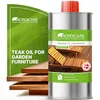
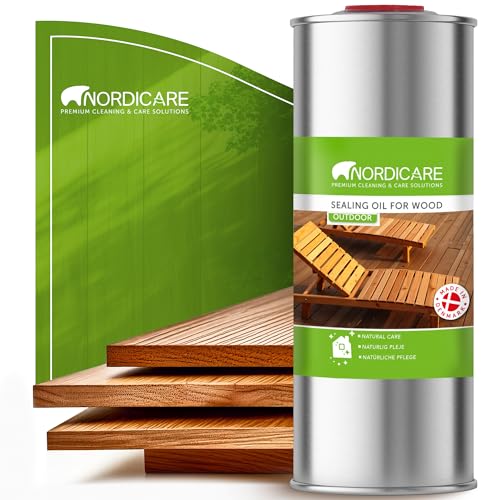
Nordicare Teak & Acacia Oil, 16.9 oz – $19.85
Formulated for teak, acacia, and oak — matches the two-thin-coats method in the restoration steps above and is labeled specifically to restore already-weathered wood.
- Best for: restoring furniture that has already grayed
- Why we picked it: formulated specifically for acacia, not just generic teak oil
- Main drawback: smaller bottle covers fewer pieces per application
Compare more acacia and teak oil options
 Option 1 Star Brite Golden Teak Oil – $26.89
|
 Option 2 Furniture Clinic Teak Oil – $17.95
|
 Option 3 Minwax Helmsman Teak Oil – $18.98
|
As an Amazon Associate we earn from qualifying purchases.
Acacia wood is a popular choice for outdoor furniture, owing to its impressive durability and water-resistance. But how does acacia wood weather outside, and what are its other notable properties?
Water-resistance Vs. Waterproofing
Acacia wood is naturally water-resistant, meaning it can withstand moderate exposure to moisture without becoming damaged or distorted. However, it’s important to note that acacia wood is water-resistant but not fully waterproof — prolonged standing water or constant rain exposure will eventually soften and warp the grain if the piece is never treated.
Weather-resistance
In addition to its water-resistance, acacia wood is well-suited to outdoor use thanks to its natural weather-resistant properties. Its dense grain and natural oils let it withstand sun, wind, and rain without structural deterioration, which is also why it shows up in outdoor furniture care guides as a lower-maintenance hardwood option compared to softwoods. For the full verdict on overall outdoor durability, typical lifespan, and how acacia stacks up against other materials, see our guide on whether acacia wood holds up outdoors.
Antimicrobial Properties
Acacia’s natural oils also give it some antimicrobial and insect-resistant qualities, helping it resist rot, mold, and wood-boring insects better than many untreated softwoods left in the same damp conditions.
Why Does Acacia Wood Turn Gray Outside?
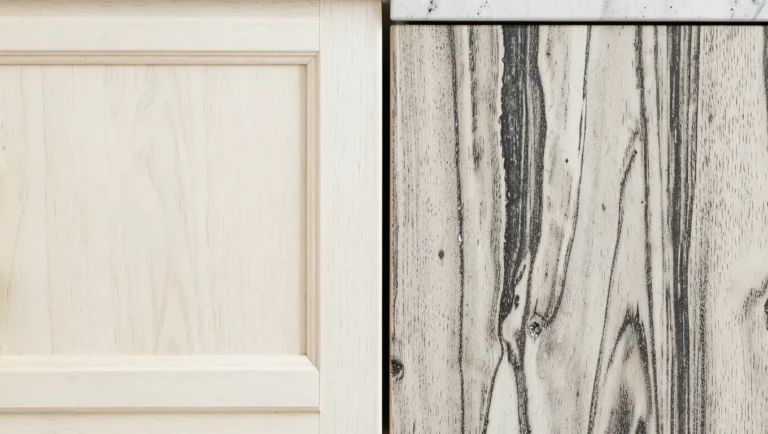
Photodegradation is the process where ultraviolet light breaks down lignin, the compound that binds wood fibers and gives fresh acacia its honey-brown color. Once surface lignin degrades, the exposed cellulose layer reflects light differently, which is what produces the silver-gray look. It happens to every unfinished hardwood left outside — acacia just shows it clearly because of its warm starting tone.
📊 In accelerated weathering tests that combine UV exposure with moisture (closer to real outdoor rain and sun), wood darkens within the first 100 hours, then develops a brown-gray patina by around 600 hours — with nearly 98% of the surface lignin already broken down by that point. — Source: Discoloration and Surface Changes in Wood After Accelerated Aging, PMC/NIH
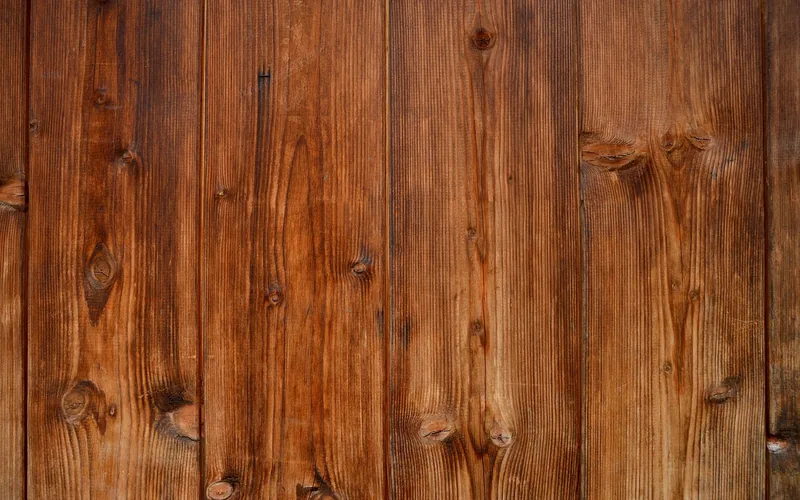
Lab-accelerated hours don’t map directly onto backyard sun, since real weather adds humidity cycles and shade breaks that slow the reaction. Based on real-world reports from acacia owners, here is roughly how long it takes outdoors depending on your climate and sun exposure:
| Exposure Condition | Approx. Time to Visible Graying | Best For |
|---|---|---|
| Full sun, high-UV climate (AZ, FL, southern Spain) | 2–3 months | Owners who like the driftwood look fast |
| Full sun, moderate climate | 4–6 months | Most US patios without a cover |
| Partial shade or covered patio | 6–12 months | Slower, more even graying |
| Oiled every 6–12 months | Color largely retained, graying delayed for years | Anyone keeping the original honey-brown tone |
The good news either way: graying is purely cosmetic. It does not weaken the wood, shorten its lifespan, or make it more prone to rot — acacia’s natural oils keep protecting the grain underneath the gray surface layer.
Can You Prevent or Reverse Grayed Acacia Wood?
Yes — prevention means oiling on a schedule, and reversal means stripping the gray layer back to fresh wood underneath. Neither requires replacing the furniture.
Restoring Grayed Acacia Wood: 4 Steps
- Clean the surface: Scrub with a mild dish soap and water solution and a stiff brush to remove dirt, mildew spots, and loose surface fibers, then let it dry fully.
- Lift the gray layer: Sand with 120–150 grit sandpaper along the grain, or use an oxalic-acid wood brightener for large or carved surfaces where sanding evenly is hard — oxalic acid bleaches out the gray without removing wood.
- Let it dry completely: Give the wood 24–48 hours to dry fully before adding any finish; oiling over damp wood traps moisture and causes blotching.
- Apply two thin coats of teak or acacia oil: Wipe on with a cloth, let the first coat absorb for 15–20 minutes, wipe off the excess, then repeat for the second coat once it’s dry to the touch.
“After a few years, most hardwoods will naturally age gracefully to a more silver-grey tone.”
Acacia Wood Vs. Other Outdoor Woods
Teak Wood vs. Acacia Wood
Both teak and acacia are solid choices for outdoor furniture. Teak vs. acacia wood comes down to budget versus maintenance: teak has higher natural oil content, so it grays more slowly and needs oiling less often, while acacia is more affordable but grays faster and needs a bit more attention to keep its color.
Hardness and Durability
Acacia sits in the mid-to-upper range of hardwood hardness, making it resistant to dents and everyday wear on outdoor tables and chairs, even as the surface color changes.
Aesthetics and Budget
Acacia typically costs 30–50% less than teak for a comparable piece, which is why it’s become a common substitute in big-box patio sets — you trade some maintenance-free convenience for a noticeably lower price.
Caring For Acacia Wood Outdoor Furniture
Proper care keeps your acacia wood outdoor furniture looking great and protected against the elements. In this section, we’ll cover the key factors for caring for your acacia wood outdoor furniture.
Treatment and Sealing
One important step in caring for your acacia wood outdoor furniture is proper treatment and sealing. Acacia wood should be treated before it’s exposed to climates with high humidity or heavy rain — at the bare minimum, seal or treat it with oil to protect against splitting from UV exposure.
Cleaning
Regular cleaning with mild soap and water removes dust, pollen, and mildew spots before they set into the grain. Avoid pressure washers on bare acacia — the force can raise the grain and strip away the natural oils faster than normal weathering would.
Protection from Sun and Rain
Rotating furniture out of constant direct sun and using a breathable furniture cover during heavy rain stretches the time between oil applications and slows the graying process described above.
In conclusion, acacia wood furniture is a great investment for your outdoor living space, but proper care and maintenance are necessary to keep it looking great for years to come. Following the treatment, cleaning, and protection tips above — alongside a full acacia wood care routine — keeps your furniture beautiful and functional for many seasons.
Maintaining Acacia Wood Outdoor Furniture
Signs Of Wear And Tear
Beyond graying, watch for surface checking (small splits along the grain), a rough or splintery texture, and any dark spots that could indicate mildew rather than normal weathering.
Refinishing And Repairs
Minor surface damage — scratches, small dents, or uneven graying — is fixable with the sanding-and-oiling process described earlier, rather than needing a full refinish or replacement.
Ensuring Longevity
With basic seasonal care — cleaning, occasional oiling, and covering during the worst weather — acacia wood outdoor furniture typically lasts 10 to 15 years, matching the practical lifespan reported across outdoor acacia furniture care guides industry-wide.
Frequently Asked Questions About How Acacia Wood Weathers Outside
Can You Leave Acacia Wood Outside?
Yes, you can leave acacia wood furniture outside since it is naturally water-resistant and durable. It is still recommended to treat or oil it before exposing it to high-humidity or rainy climates, since acacia requires more maintenance than fully weatherproof woods.
How Weatherproof Is Acacia Wood?
Acacia wood is water-resistant but not waterproof, and should be treated before exposure to high humidity or rainy climates. It has natural weather-resistant and insect-resistant properties and can withstand prolonged sun, rain, and wind exposure without significant structural deterioration, though it requires more upkeep than fully weatherproof woods.
Which Is Better For Outdoors, Teak Or Acacia?
Both teak and acacia work well outdoors. Teak is more durable and needs less maintenance thanks to its higher natural oil content, while acacia is more affordable and still weather-resistant, but grays faster and needs more frequent oiling to hold its color.
Is Acacia Wood Good For The Sun?
Acacia wood holds up structurally in the sun thanks to its natural weather-resistant properties and water resistance, but UV exposure will still fade and gray the surface color over time if it isn’t oiled regularly.
Can You Reverse Acacia Wood After It Turns Gray?
Yes. Clean the surface, sand with 120–150 grit sandpaper or apply an oxalic-acid wood brightener to lift the gray layer, let it dry 24–48 hours, then apply two thin coats of teak or acacia oil to restore the original color.
How Often Should You Oil Acacia Wood To Prevent Graying?
Reapply teak or acacia oil every 6 to 12 months for most climates, or closer to every 2–3 months in high-UV regions like Arizona, Florida, or southern Spain, where sun exposure breaks down surface lignin faster.
Conclusion
Acacia wood weathers gracefully outdoors: it’s naturally water-resistant, insect-resistant, and structurally sound through sun, rain, and wind, but its surface color will turn from honey-brown to silver-gray within 2 to 12 months without oil. That graying is purely cosmetic — a sign of UV breaking down surface lignin, not damage — and it’s fully reversible with sanding or an oxalic-acid brightener plus fresh oil.
Whether you let it gray into a driftwood look or keep it oiled every 6–12 months to hold the original tone, acacia remains one of the better value hardwoods for outdoor furniture.
Sponsored / affiliate links. As an Amazon Associate I earn from qualifying purchases. I may earn additional commission from eligible campaigns.