Eucalyptus vs Teak Outdoor Furniture: Which Should You Buy?
If you’re choosing between teak and eucalyptus for a new outdoor dining set, bench, or lounge chair, the decision comes down to three real trade-offs: upfront cost, how much maintenance you’re willing to do, and how long you want the piece to last without babying it.
Teak (Tectona grandis) has earned its reputation as the traditional premium benchmark for outdoor furniture because of its naturally high oil content - not because it’s simply the hardest wood available. Eucalyptus, specifically the FSC-certified plantation-grown eucalyptus grandis sold in the trade under names like Red Grandis, is a genuine budget alternative with a real sustainability edge, but it asks more of you in upkeep to hold onto that resistance over time. Here’s what actually separates the two woods once they’re sitting on your patio.
Why Teak Costs More: Natural Oils, Not Just Reputation
Teak’s outdoor reputation comes down to chemistry, not just brand prestige. The heartwood contains natural rubber-like oils and silica that repel water, resist fungal rot, and deter insects without any finish applied at all - which is why teak was the standard choice for ship decking long before it became a patio-furniture staple. Left completely untreated, teak weathers to a silvery-gray patina but keeps its structural integrity for decades, something few other woods can do. That built-in, no-maintenance durability is the real reason teak commands a higher price per board foot than almost any other outdoor wood - you’re paying for oil content, not just a name.
Best Teak & Eucalyptus Sealer Pick
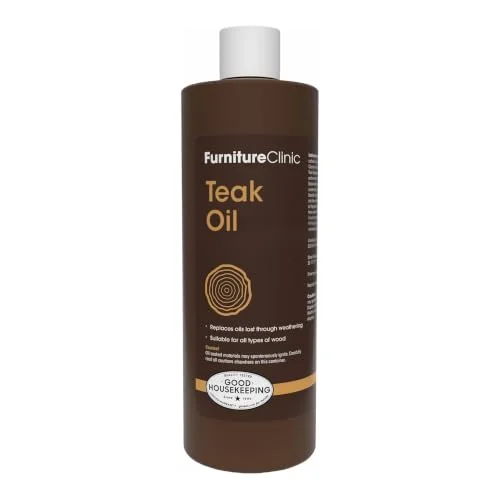 |
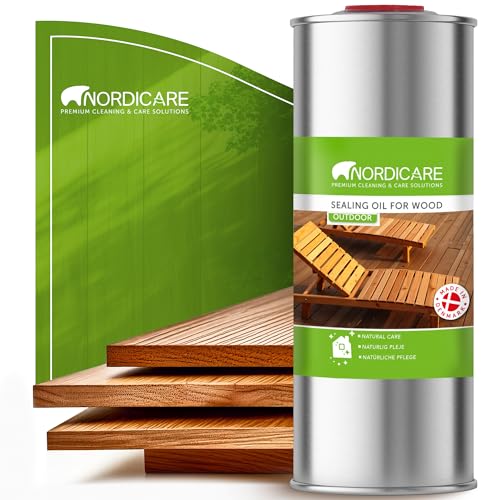
Furniture Clinic Teak Oil (17 oz) – $17.95 Whether you go with teak or eucalyptus, this oil replaces the natural protective oils lost to UV and rain and brings faded outdoor furniture back to a rich, sealed finish.
|
Eucalyptus Grandis: A Genuine Budget Alternative
Most “eucalyptus” outdoor furniture sold today is made from eucalyptus grandis grown on FSC-certified plantations in Australia, New Zealand, or South America and often marketed under the trade name Red Grandis. Raw hardness isn’t the issue - eucalyptus grandis actually tests as hard or harder than teak on the Janka scale in most published figures. What it lacks is teak’s oil content. Eucalyptus does have some natural rot resistance, enough to hold up reasonably well outdoors, but that resistance is thinner and fades faster without upkeep than teak’s is. The real payoff is the price: eucalyptus furniture typically runs 30-50% cheaper than a comparable teak piece.
There’s also a genuine sustainability argument for eucalyptus that goes beyond price. Eucalyptus grandis is fast-growing - plantations can reach harvestable maturity in roughly 10-15 years, compared to 40-70 years for plantation teak to reach a usable trunk diameter. That turnaround makes eucalyptus a real renewable sourcing option, not just a cheaper one, which is worth factoring in if sourcing matters to your buying decision as much as cost does.
The Maintenance Trade-Off Over Your Furniture’s Lifetime
This is where the two woods actually diverge in daily practice. Teak can be left completely unfinished and will still last for decades - oiling it is purely cosmetic, done to keep the honey-gold color instead of letting it weather to silver-gray. Skip it entirely and the furniture still holds up structurally. Eucalyptus doesn’t have that same margin. Because its natural oils are present in smaller amounts and break down faster under UV and moisture, eucalyptus furniture generally needs sealing or oiling two to four times a year (more in hot, humid, or coastal climates) to maintain the rot resistance it started with. Skip that maintenance on eucalyptus for a season or two and you’ll see real deterioration - graying, surface checking, and softening at joints - well before a comparably neglected teak piece would show the same wear. That maintenance gap, not just the sticker price, is the real cost of choosing the cheaper wood.
Color and Weathering: What to Expect Over Time
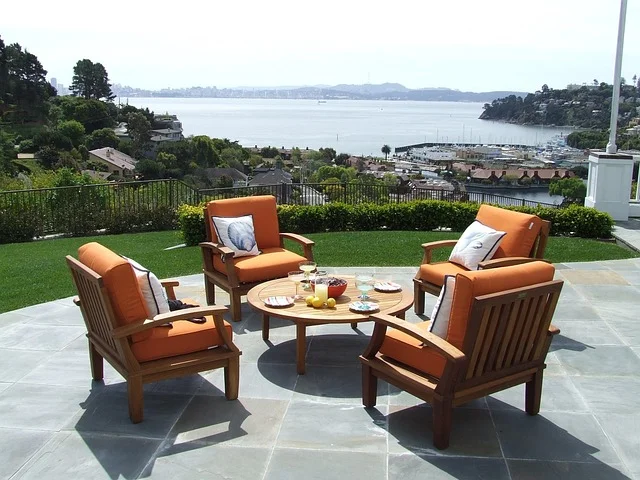
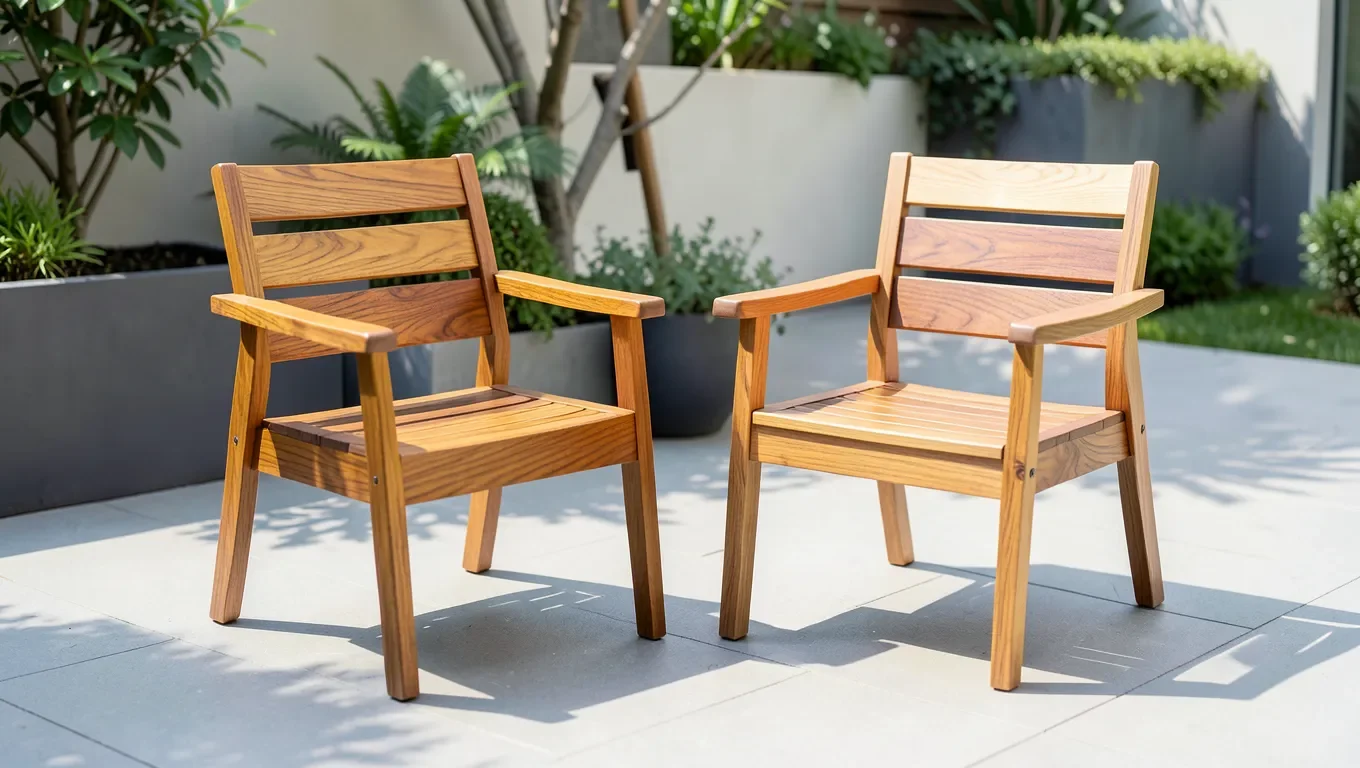
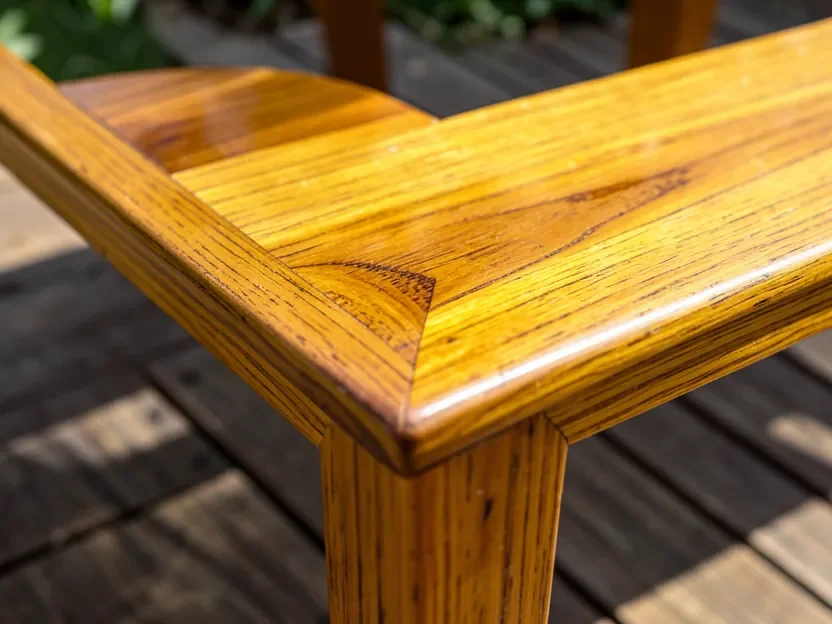
Fresh-cut, both woods start out in a similar warm golden-brown range, which is part of why they’re compared so often - from a few feet away, a new eucalyptus chair and a new teak chair can be hard to tell apart. Left unsealed outdoors, both will weather to a silvery-gray patina, but they get there differently. Teak grays evenly and predictably as its surface oils oxidize, and the wood underneath stays sound for decades regardless of color. Eucalyptus grays faster and less evenly because its protective layer is thinner to begin with, and once that layer is gone, the wood is more exposed to moisture cycling than weathered teak is. If you want to keep either wood at its original golden tone rather than let it silver, that’s a maintenance choice (oiling), not a durability requirement - but skipping it matters more for eucalyptus than for teak, for the same oil-content reasons covered above.
What Eucalyptus and Teak Furniture Actually Cost
Raw lumber pricing tracks the maintenance story closely. Grade-A plantation teak typically runs $8-30 per board foot depending on grade and source (see our full guide to where to buy teak wood and what the grades mean if you’re sourcing lumber directly rather than finished furniture). At the finished-furniture level, that translates to teak dining sets commonly landing in the $800-3,000+ range depending on size and grade, while a comparable eucalyptus dining set often runs $300-900. A single teak lounge chair often runs $200-600 versus roughly $100-250 for a similar eucalyptus chair, and benches follow the same rough 2-to-1 pricing pattern. Individual chairs and benches scale proportionally. One thing worth checking before you buy either: ask for FSC certification or grade documentation. Low-grade teak (Grade C, cut from younger or outer sections of the tree with less oil content) is sometimes sold at a discount without disclosing the grade, and it won’t perform like the Grade A teak the higher price is usually paying for. The same caution applies to eucalyptus - furniture advertised simply as “eucalyptus wood” without an FSC or species reference isn’t always the plantation-grown eucalyptus grandis this comparison is based on, and lower-quality eucalyptus species can perform noticeably worse outdoors.
Which One Should You Buy?
A few practical rules of thumb, based on the trade-offs above:
- Choose teak if you live somewhere humid or coastal, want to do the least possible upkeep, or you’re buying a piece you expect to keep for 15+ years.
- Choose eucalyptus if budget is the deciding factor, you don’t mind oiling furniture a few times a year, or sustainable/fast-growing sourcing matters to your decision.
- Choose teak for an investment piece - a dining set you’ll pass down or keep through multiple house moves.
- Choose eucalyptus for a starter patio set, a rental property, or anywhere you want good-looking outdoor furniture without teak’s price tag.
Caring for Whichever Wood You Choose
Whichever wood you land on, the maintenance routine is similar - clean the surface, let it dry fully, then apply a teak-safe oil or sealer with a lint-free cloth and let it soak in before wiping off the excess (see our full step-by-step guide to applying teak oil for the full process). Just remember to do it more often on eucalyptus than you would on teak. If you want the deeper numbers behind the durability comparison - actual Janka hardness figures and a full breakdown of why oil content beats raw hardness outdoors - our companion piece on eucalyptus vs teak wood durability covers that in more depth. And if you’re specifically weighing whether eucalyptus can handle full-time outdoor exposure at all, see is eucalyptus wood hard enough for outdoor furniture.
Frequently Asked Questions
Is eucalyptus wood actually softer than teak?
No - by most published Janka hardness figures, eucalyptus grandis tests as hard or harder than teak. Teak’s outdoor durability advantage comes from its natural oil content, not raw hardness.
How often should I oil teak vs eucalyptus outdoor furniture?
Teak needs oiling only for cosmetic reasons, maybe once or twice a year if you want to keep the golden color; it holds up structurally even left unfinished. Eucalyptus needs oiling or sealing two to four times a year, more often in hot or coastal climates, to maintain its rot resistance.
Is eucalyptus furniture worth buying for a patio set?
Yes, for most buyers. Eucalyptus grandis furniture typically costs 30-50% less than a comparable teak piece and looks similar, as long as you’re willing to reseal it a few times a year to maintain its weather resistance.
Which wood is more sustainable, eucalyptus or teak?
Eucalyptus grandis is generally the more sustainable choice. It reaches harvestable maturity in roughly 10-15 years on FSC-certified plantations, compared to 40-70 years for plantation teak, making it a genuinely faster-renewing resource.
Sponsored / affiliate links. As an Amazon Associate I earn from qualifying purchases. I may earn additional commission from eligible campaigns.