Is 23/32 the Same As 3/4 Plywood? Uncover the Truth!
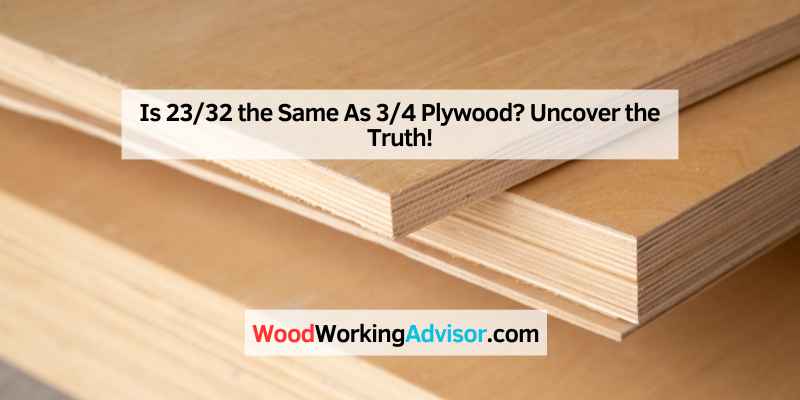
No, 23/32 inch plywood is not the same as 3/4 inch plywood. While 3/4 inch plywood measures 24/32 inch, 23/32 inch plywood is slightly thinner.
Plywood is a versatile material widely used in construction and furniture making. Understanding different thicknesses is essential for choosing the right plywood for your project. The thickness of plywood affects its strength, durability, and suitability for various applications. Commonly used thicknesses include 1/4 inch, 1/2 inch, and 3/4 inch.
Knowing the difference between 23/32 inch and 3/4 inch plywood helps in making informed decisions. This guide will clarify the distinctions between these two thicknesses and provide insights into their practical uses. Choosing the right plywood ensures your projects achieve the desired quality and longevity.
Introduction To Plywood Measurements
Plywood is used in many projects. Understanding its measurements is important. Common sizes for plywood include 4×8 feet sheets. Other popular sizes are 2×4 feet and 5×5 feet. Each size serves different purposes.
Plywood thickness varies as well. Common thicknesses are 1/4 inch, 1/2 inch, and 3/4 inch. Knowing the thickness helps with project planning.
| Size | Thickness |
|---|---|
| 4×8 feet | 1/4 inch |
| 4×8 feet | 1/2 inch |
| 4×8 feet | 3/4 inch |
Decoding Fractional Measurements
Understanding fractional measurements is essential for plywood sizing. Common sizes include 23/32 and 3/4. They may seem different at first glance. Yet, they are very close in value.
To see how they compare, converting fractions to decimals is helpful. 23/32 equals 0.71875, while 3/4 equals 0.75. The difference is minimal, about 1/16 of an inch.
This small difference often does not affect projects. Choosing either size generally works well. Knowing this can save time and effort.
Comparing 23/32 And 3/4 Plywood
Both 23/32 and 3/4 plywood are popular choices in construction. They serve different purposes. The thickness of 23/32 inches is slightly less than 3/4 inches, which equals 0.75 inches. This difference can affect projects requiring exact measurements.
Industry standards often round plywood thickness. The 23/32 measurement is often referred to as 0.75 inches in many contexts. Builders may choose either based on their specific needs.
| Measurement | Inches | Millimeters |
|---|---|---|
| 23/32 Plywood | 0.71875 | 18.26 |
| 3/4 Plywood | 0.75 | 19.05 |
Implications In Construction
Understanding the structural differences between 23/32 and 3/4 plywood is crucial. Both sizes have unique load-bearing capacities that affect projects.
23/32 plywood is slightly thinner than 3/4 plywood. This difference can influence the stability of structures. For heavy loads, 3/4 plywood is often preferred.
Compatibility in projects depends on the intended use. For flooring, thicker plywood provides better support. For wall sheathing, both can work well.
| Plywood Type | Thickness | Best Use |
|---|---|---|
| 23/32 | 0.71875 inches | Wall Sheathing |
| 3/4 | 0.75 inches | Flooring |
Cost Considerations
23/32 plywood and 3/4 plywood have different prices. Understanding their cost can help make a better choice.
Price for 23/32 plywood is often lower than that for 3/4 plywood. This can depend on local markets.
| Type of Plywood | Average Price per Sheet |
|---|---|
| 23/32 Plywood | $30 – $50 |
| 3/4 Plywood | $40 – $70 |
Consider the value for money when choosing between these options. Sometimes, spending a little extra is worth it.
Choosing The Right Thickness
Choosing the right plywood thickness is essential for various projects. 23/32 inch plywood is often compared to 3/4 inch plywood. Both sizes offer strength, but they have slight differences.
For flooring, 3/4 inch plywood provides better support. For walls, 23/32 inch plywood is often sufficient. Weight and flexibility matter when selecting plywood for specific applications.
| Application | Recommended Thickness |
|---|---|
| Flooring | 3/4 inch |
| Walls | 23/32 inch |
| Furniture | 3/4 inch |
Consulting with experts can help make the right choice. They understand the specific needs of your project.
Impact On Plywood Grading
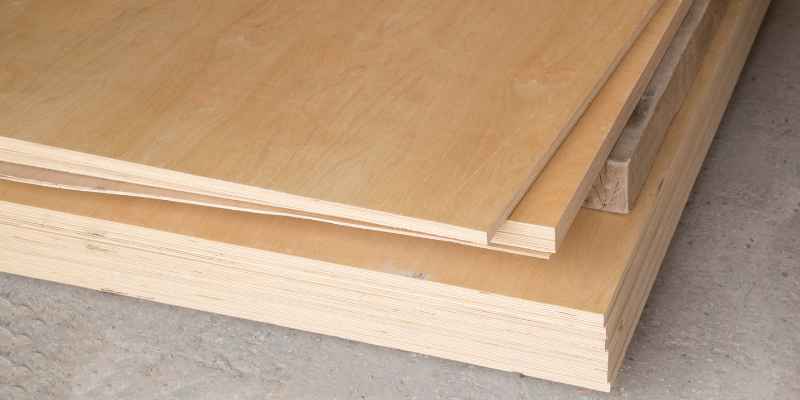
Plywood grading affects quality and performance. Different grades indicate varying levels of strength and appearance. The grade specifications help in selecting the right plywood for specific projects.
| Grade | Specifications |
|---|---|
| AA | High quality, smooth surface, no defects. |
| A | Good quality, few minor defects. |
| B | Moderate quality, some defects, still usable. |
| C | Lower quality, many defects, not for visible areas. |
Quality assessment focuses on durability and stability. Higher grades ensure better performance over time. Choosing the right grade is crucial for your project success.
Myths And Misconceptions
Many people believe that 23/32 and 3/4 plywood are the same. This is a common myth. In reality, these sizes are close but not identical. 23/32 inches equals about 0.71875 inches. On the other hand, 3/4 plywood is exactly 0.75 inches thick.
Another misconception is that all plywood is the same. Plywood comes in various grades and thicknesses. Each type serves different purposes. Knowing the right thickness is essential for your project.
Some think that the numbers on plywood mean the same in every category. This is not true. Plywood thickness can vary based on manufacturer standards.
Frequently Asked Questions
Is 23/32 Plywood Thicker Than 3/4 Plywood?
No, 23/32 plywood is not thicker than 3/4 plywood. In fact, 3/4 plywood measures approximately 24/32 inches. Therefore, 3/4 plywood is slightly thicker than 23/32 plywood, making it essential to choose the right thickness for your project.
What Does 23/32 Plywood Mean?
The term 23/32 refers to the thickness of the plywood. Specifically, it measures 23/32 inches, or about 0. 71875 inches. This measurement is often used in the construction and woodworking industries to specify the size of plywood sheets accurately.
How Is 3/4 Plywood Measured?
3/4 plywood is measured in inches, specifically 0. 75 inches. However, it is often referred to as 24/32 inches in some contexts. Understanding these measurements is crucial for selecting the correct material for your building or renovation projects.
Can I Use 23/32 Plywood For Flooring?
Yes, 23/32 plywood can be used for flooring. It provides adequate support and stability for floor applications. However, always consult local building codes and guidelines to ensure it meets the necessary standards for your specific project.
Conclusion
Understanding the difference between 23/32 and 3/4 plywood is essential for any woodworking project. While they may seem similar, their thickness affects strength and application. Always choose the right plywood for your needs. This ensures durability and success in your projects.
Make informed decisions for the best results.