What Is RTD Plywood Used For? Meaning, Real Uses & Buying Tips
RTD plywood is used mainly as structural sheathing in home building — roof decking, wall sheathing, and subflooring — not as a furniture or cabinetry-grade panel. The confusing part is the “RTD” stamp itself: it does not mean waterproof, and it is not short for a wood species or a special resin treatment, despite what a lot of sites claim. Here is what it actually means, where the panel gets used in a real build, and how it compares to BCX plywood and other common grades.
What “RTD” Actually Stands For (And Why So Many Sites Get It Wrong)
Search around and you will find RTD explained as “Radiata Pine Plywood,” “Resin Treated Density,” or a manufacturing sensor called a “Resistance Temperature Detector.” None of those are the real answer, and it is worth clearing up because it changes how you should actually judge a sheet before you buy it.
Per APA – The Engineered Wood Association, RTD is shorthand for Rated Sheathing (you will sometimes see it stamped “RTD SHG”). It is a conformance mark, not a grade and not a glue-bond spec on its own — it simply confirms the panel meets published span and structural requirements for use as roof, wall, or floor sheathing. The actual moisture performance comes from a separate Exposure 1 or Exterior rating printed right next to the RTD stamp on the same sheet. Two panels can both say RTD and still have different real-world moisture tolerance depending on that second rating — so read the whole stamp, not just the RTD part.
Best For Checking Panels Before You Install Them
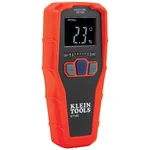 |
Klein Tools ET140 Pinless Moisture Meter – $49.97 RTD plywood’s real weak point is moisture it picks up sitting at the yard or job site before install — this checks a panel in seconds without leaving pinholes.
|
Where RTD Plywood Is Actually Used
Because RTD is a sheathing conformance stamp, the real uses are all structural and meant to be covered up by something else once the building is finished:
- Roof sheathing — the deck layer under shingles, metal roofing, or underlayment
- Wall sheathing — behind siding, stucco, or brick veneer, tying the wall frame together and giving it racking strength
- Subflooring — under carpet, tile, laminate, or hardwood, not a finished floor surface itself
What it is generally not meant for: furniture faces, cabinetry doors, or any surface where the plywood itself is the finished look. RTD sheathing is typically an unsanded C-D grade or similar — it has knots, patches, and visible core gaps that a sanded A/B or A/C appearance-grade panel does not. If a project needs a paint-grade or stain-grade surface, that is a different plywood grade, not RTD.
Residential Construction: the Main Use Case
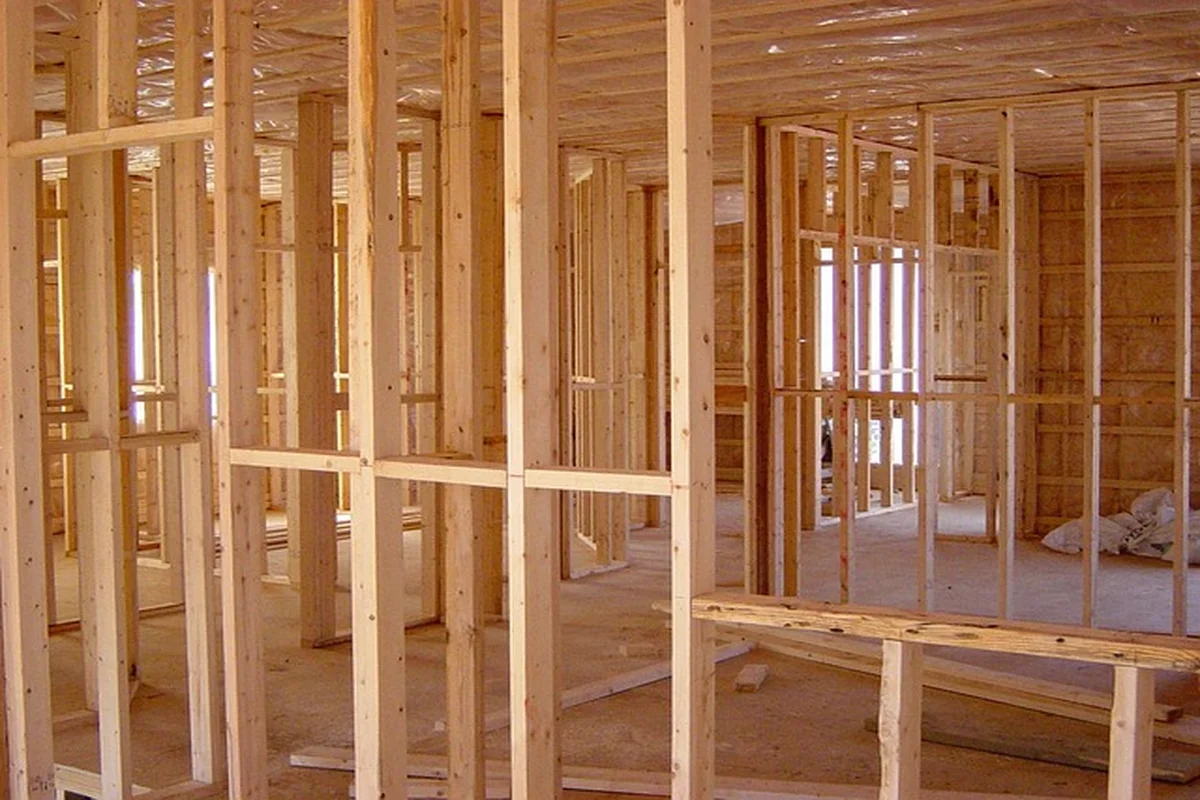
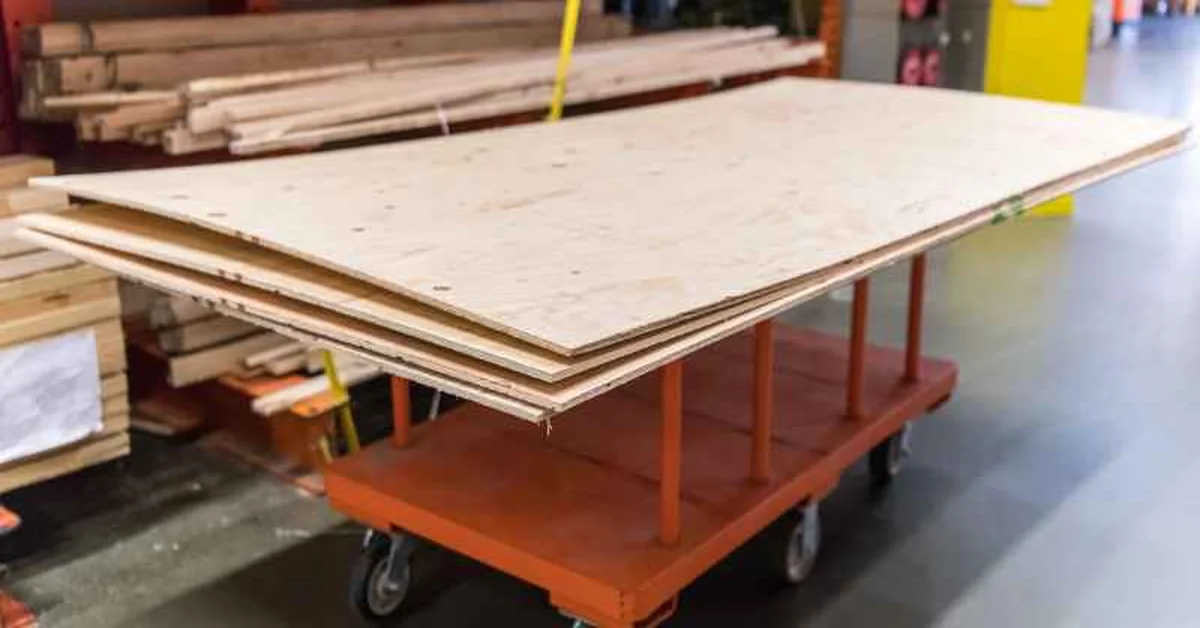
Most RTD plywood sold at lumberyards and home centers comes in standard 4×8 sheets, in thicknesses from about 7/16″ (common for wall sheathing) up to 23/32″ (common for subfloor and heavier roof spans). The panel’s span rating — a pair of numbers like 32/16 stamped alongside RTD — tells the framer the maximum on-center rafter or joist spacing the panel can safely bridge; ignoring that number and just eyeballing thickness is a common framing mistake.
On a roof, RTD sheathing gets nailed to the rafters or trusses with a gap (usually about 1/8″) left between panel edges to allow for expansion — skip that gap and panels can buckle after the first humid season. On walls, it is nailed to the studs and often doubles as the primary structural bracing before siding goes on. As subfloor, it is glued and screwed to the joists to stop squeaks, then covered by underlayment or finish flooring.
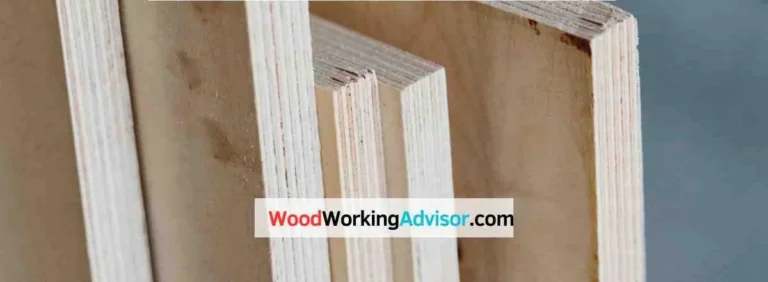
Ply count matters more than most buyers realize: a 4-ply 23/32″ panel and a 5-ply 23/32″ panel can carry the same span rating on paper but feel noticeably different underfoot as subfloor, since more, thinner plies generally resist delamination and dishing better than fewer, thicker ones. At the store, count the visible edge layers before assuming two same-thickness sheets are interchangeable — the cheaper option is often the 4-ply.
RTD vs. Other Plywood Grades
RTD is easy to confuse with other sheathing letter-codes since they all get stamped on similar-looking brown sheets. Here is the short version:
| Stamp | What it tells you | Typical use |
|---|---|---|
| RTD | Meets APA rated-sheathing span/structural requirements | Roof, wall, floor sheathing |
| CDX | C-grade face, D-grade back, Exterior glue bond | Sheathing exposed to some weather during construction — see our CDX vs. OSB comparison |
| BCX | B-grade face (smoother, fewer patches), C-grade back, Exterior glue | Sheathing where one visible face matters, e.g. exposed soffits — full breakdown in our BCX vs. RTD comparison |
Can RTD Plywood Be Used Outdoors?
Only as covered sheathing, not as a bare exposed surface. RTD by itself does not guarantee outdoor durability — that depends on the Exposure 1 or Exterior glue-bond rating stamped next to it. Roof and wall sheathing get short-term weather exposure during a build and are designed to handle that, then get sealed under shingles or siding for the long term. For the full explanation of what “covered sheathing” means and when it is not enough, see Can RTD Plywood Be Used Outside?
Checking RTD Plywood Before You Buy or Install It
A few practical checks before a sheet goes into a wall, roof, or floor:
- Read the full stamp — RTD plus the span rating and the Exposure 1/Exterior rating, not just the letters
- Sight down the panel edge for warping or a wavy face, common on sheets stored outside at a yard without a cover
- If panels have been sitting exposed to rain before delivery, check moisture content with a pinless meter rather than assuming they are fine — wet sheathing installed over a subfloor or under siding can trap moisture and lead to mold or delamination later
- Confirm the thickness matches the span rating for your actual joist or rafter spacing, not just what was on hand at the store
Choosing the Right RTD Plywood for Your Project
Since RTD is a conformance stamp rather than a single fixed product, price and quality still vary by thickness, span rating, and how clean the face veneer is. A thin 7/16″ wall-sheathing sheet costs noticeably less than a thick 23/32″ tongue-and-groove subfloor panel, and panels with fewer core voids or patches usually cost a little more even within the same RTD stamp. Buying the correct span rating for the job matters more than paying up for a “premium” RTD sheet — an under-spanned panel will flex and squeak (or fail) no matter how clean its face looks.
Big-box stores often sell RTD-stamped subfloor under a branded name like Sturd-I-Floor or AdvanTech alongside plain unbranded RTD sheathing — the branded tongue-and-groove versions cost more but install faster since the T&G edge self-aligns and needs less blocking between joists. For a straightforward wall or roof sheathing job with no special foot-traffic or span concerns, plain RTD sheathing is usually the better value.
Frequently Asked Questions
What is RTD plywood used for?
RTD plywood is used as structural sheathing in residential construction: roof decking under shingles, wall sheathing under siding or housewrap, and subflooring under finish flooring like carpet, tile, or laminate. It is an unsanded structural panel meant to be covered, not a display-grade panel for furniture, cabinetry, or exposed tabletops.
What does RTD actually stand for?
RTD is shorthand for Rated Sheathing (sometimes stamped RTD SHG), a conformance mark from APA – The Engineered Wood Association confirming the panel meets published span and structural requirements for roof, wall, or floor sheathing. It is not a special waterproofing process, and it is not an acronym for Radiata Pine, Resin Treated Density, or a manufacturing sensor — those explanations circulate online but are not accurate.
Is RTD plywood waterproof or safe to use outside?
RTD plywood is not waterproof on its own. Whether it can handle outdoor exposure depends on the separate Exposure 1 or Exterior glue-bond rating stamped next to the RTD mark. In practice, RTD panels are used outdoors as covered sheathing under roofing or siding, not as a bare exposed surface like decking.
Can RTD plywood be painted or stained?
Yes. RTD plywood accepts paint, primer, and exterior sealant, which is standard practice on cut edges and any sheathing that will be exposed to weather before the siding or roofing goes on. It is not pre-finished, so plan on priming exposed faces and edges yourself.
Conclusion
RTD plywood is a rated-sheathing conformance stamp, not a specific waterproof or furniture-grade product — its real job is roof decking, wall sheathing, and subflooring in standard home construction. Read the full panel stamp (RTD plus the span and exposure ratings), match the thickness to your framing spacing, and check moisture before it goes into a wall or floor you plan to close up.
Sponsored / affiliate links. As an Amazon Associate I earn from qualifying purchases. I may earn additional commission from eligible campaigns.