Cybertruck Plywood Bed Platform: A Complete DIY Guide
“Cybertruck plywood” isn’t a Tesla-made material – it’s the ordinary exterior or marine plywood that Cybertruck owners buy off the shelf to build a custom platform inside the truck’s Vault bed. The confusion comes from how well the Vault happens to fit a standard sheet. Below is what that space actually measures, which plywood grade holds up back there, and how three different owner-built platforms go together.
This is different from most vehicle “material” searches, where the vehicle maker really did engineer something proprietary. Tesla’s Cybertruck body is stainless steel, full stop – there’s no plywood panel, plywood trim, or plywood composite anywhere in the factory build. What’s actually happening is a wave of owners buying regular plywood at the lumberyard and building their own bed accessories, because the Vault’s dimensions happen to make that unusually easy compared to almost any other pickup on the market.
Why The Cybertruck Vault Was Basically Built Around A 4×8 Sheet
Tesla calls the Cybertruck’s bed the “Vault.” With the tailgate up, it runs about 72.9 inches long; the floor is roughly 51 inches wide, and the depth tapers from about 28.66 inches near the cab down to 19.89 inches at the tailgate, for a total of around 67 cubic feet of cargo space. Lower the tailgate and a raised stop near the bed’s lip keeps a full 4-by-8-foot sheet from sliding out – that stop is the detail that made this whole DIY category possible, since most short pickup beds can’t hold a sheet flat at all.
Best Tool For Cutting Your Own Sheet
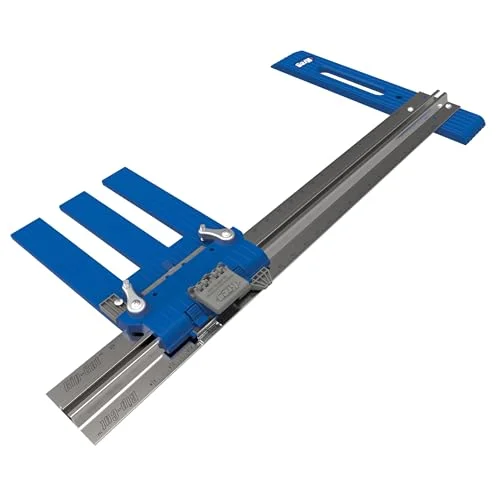 |
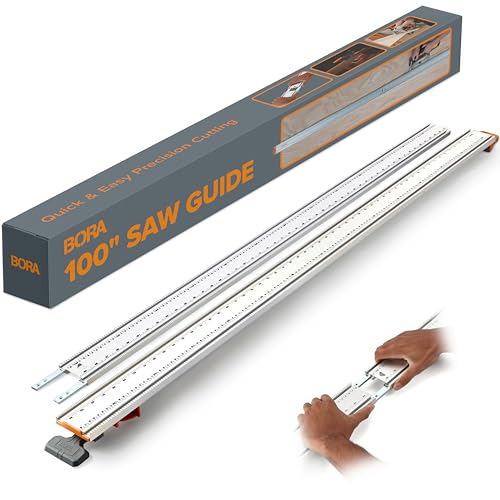
Kreg Rip-Cut Circular Saw Guide, KMA2685 – $49.00 Most garages don’t have a table saw big enough for a 4×8 sheet – this clips onto a standard circular saw so you can rip the sheet down to Vault-fitting size yourself.
|
That’s the whole reason “Cybertruck plywood” builds took off in owner forums: it’s one of the only trucks on the road where you can lay a hardware-store sheet good flat, tailgate down, without cutting it into pieces first.
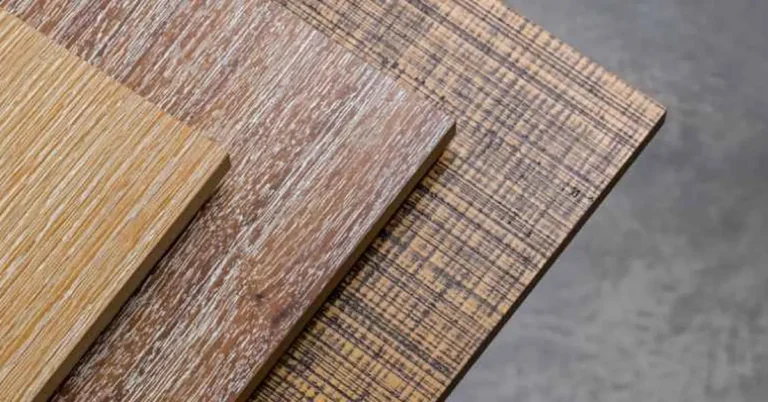
Choosing The Right Plywood For A Vault Build
Not every sheet good on the shelf belongs in an open truck bed. Three factors actually matter here:
- Grade: Exterior-rated (CDX or better) or marine-grade plywood, not interior/cabinet-grade. Interior plywood uses a glue line that breaks down with repeated wet-dry cycles – exactly what a bed floor sees.
- Thickness: 3/4-inch is the sweet spot. It spans the Vault’s roughly 51-inch width without noticeable flex under tools, coolers, or a sleeping pad, while 1/2-inch sheets tend to bounce and eventually delaminate at the edges.
- Weight: A 3/4-inch sheet of standard exterior plywood runs 60-70 lbs; true marine plywood of the same thickness is usually lighter and more voidfree, but costs more – expect roughly $40-$60 for exterior-grade CDX versus $100-$130+ for marine-grade at most lumberyards.
For a platform that stays in the truck permanently, marine-grade is worth the extra cost. For an occasional camping or hauling platform you’ll pull out most of the time, exterior CDX with a good sealant is usually enough.
Cutting And Fitting Your Sheet
A stock 4×8 sheet will lie flat in the Vault with the tailgate down, but most builds trim it down so it sits inside with the tailgate up, or notch the corners to clear the wheel wells and the tailgate’s raised stop. A few practical points before you cut:
- Measure your specific bed before cutting – Vault dimensions are consistent, but accessories like a bed liner or L-track-mounted brackets eat into usable width.
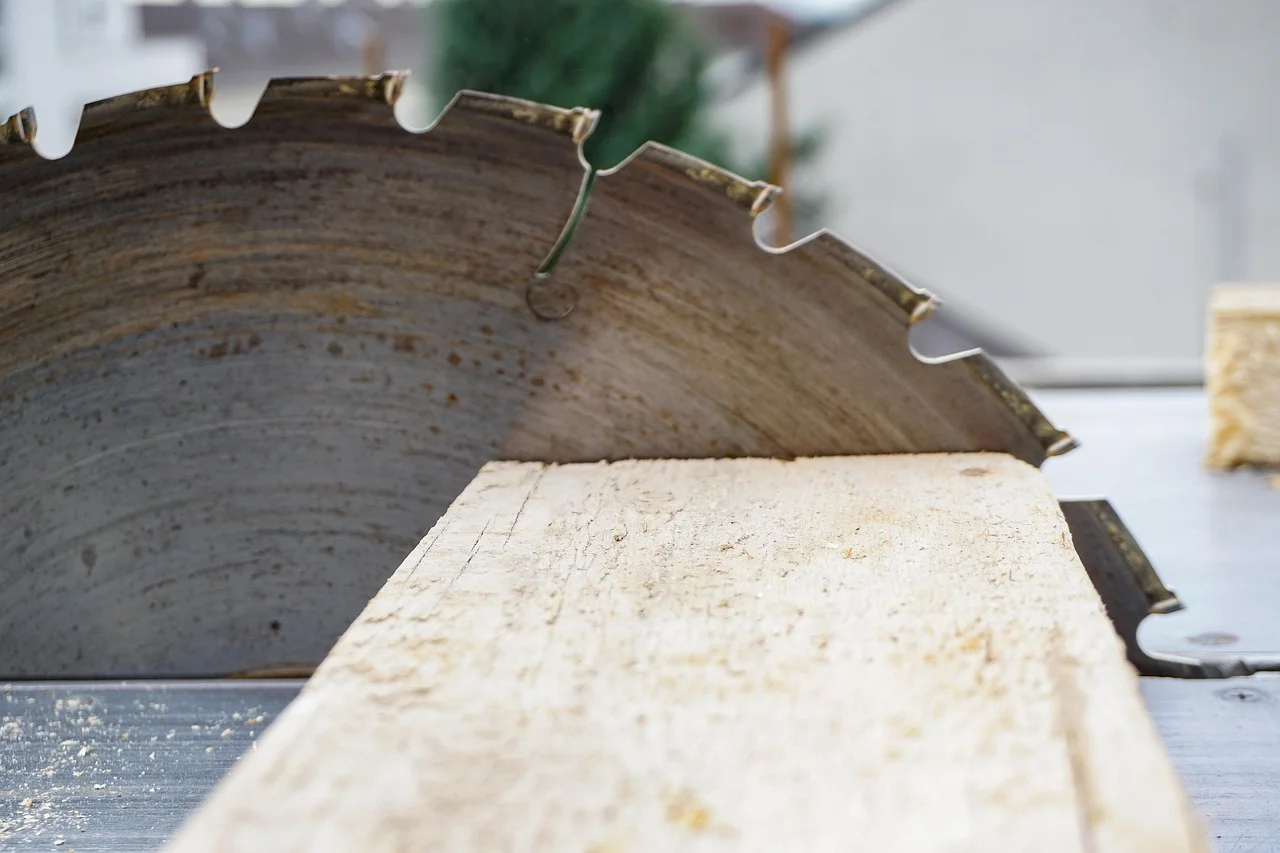
- Rip cuts on a full sheet are awkward without a full-size table saw; a clamp-on circular saw guide gets a straight edge in one pass without hauling the sheet to a shop.
- Round or notch the corners near the wheel wells rather than leaving square corners – square corners are the first thing to chip or catch on the bed liner.
- Sand and seal every cut edge before the platform goes in the truck; a factory edge is usually pre-sealed, a fresh cut edge is bare wood.
Tools And Materials Checklist
Beyond the plywood itself, most Vault platform builds pull from the same short list of tools and hardware:
- Circular saw with a straight-edge guide (see the pick above) or a track saw, for ripping the sheet to width
- Jigsaw, for notching corners around wheel wells or the tailgate stop
- 120- then 220-grit sandpaper for edges, and a tack cloth before finishing
- Exterior spar urethane or marine varnish, plus a foam brush or roller
- L-track fittings and straps sized for van/trailer tie-down rail (standard hardware-store or trailer-supply stock)
- Wood screws or bolts if you’re building a raised or hinged platform rather than a single flat sheet
None of this requires specialty Tesla parts – every component above is generic lumberyard or hardware-store stock, which is part of why this has become such a common weekend project rather than something only a handful of shops offer as an add-on.
Three Popular DIY Platform Builds
Owner builds documented across Cybertruck forums generally fall into one of three approaches, each trading off complexity for storage and comfort:
1. Flat Sleeping/Cargo Deck
The simplest build: one sheet, cut to fit, laid directly on the Vault floor and secured with a couple of L-track-mounted brackets so it can’t shift under braking. This is the fastest option and works well if you mainly need a flat surface for a sleeping pad, moving boxes, or protecting the bed floor during a hauling job.
2. Rolling Storage Tray
A more involved build uses a second, smaller sheet mounted on caster wheels that ride in the Vault’s floor grooves, with a piano hinge across the top so it opens like a lid over a shallow storage compartment underneath. It takes more cutting and hardware than the flat deck, but it turns dead floor space into hidden, weatherproof storage without losing any of the platform’s flat top surface.
3. Elevated Cross-Bar Platform
This build adds two cross bars that latch onto the L-track, spaced to support a finished plywood top a few inches above the actual bed floor. The gap underneath holds tall or awkward gear – totes, a generator, recovery boards – while the plywood top still gives you a flat, usable surface for sleeping or hauling flat loads on top.
Mounting To The Bed’s L-Track Without Drilling
The Vault comes with a built-in L-track/tie-down rail system running along the bed, the same style of track used in cargo vans and enclosed trailers. L-track fittings slide into the rail and lock with a quarter-turn, which means brackets, cross bars, and tie-down points for a plywood platform can all be mounted and removed without drilling a single hole in the truck’s stainless bed panels. Standard L-track hardware (fittings, D-rings, straps) sized for van and trailer use will fit this rail, so there’s no need for Tesla-specific parts to secure a DIY build.
Weatherproofing And Finishing
The Vault is weather-sealed when the tailgate and tonneau cover are closed, but it still sees humidity swings, and a platform gets wet whenever the tailgate is down in the rain. Two coats of exterior spar urethane or marine varnish on every face and edge – not just the top – will keep a plywood platform from swelling or delaminating over a season of regular use. If you’re joining pieces or capping exposed edges, pick an adhesive rated for exterior or marine exposure rather than standard interior wood glue; our guide to waterproof wood glue for marine projects breaks down which types actually hold up outdoors versus which ones just claim to.
Frequently Asked Questions
Does a full 4×8 sheet of plywood actually fit in a Cybertruck?
Yes. Tesla’s Vault bed measures roughly 72.9 inches long with the tailgate up, 51 inches wide at the floor, and includes a raised tailgate stop specifically so a standard 4-by-8-foot sheet can lie flat with the tailgate lowered.
What thickness and grade of plywood should I use for a bed platform?
3/4-inch exterior or marine-grade plywood is the standard choice. It’s thick enough to span the Vault’s width without sagging under tools or gear, and the exterior glue line holds up to the moisture and temperature swings of an open truck bed.
Can I attach a plywood platform without drilling into the Cybertruck’s bed?
Yes. The Vault’s floor and walls use a built-in L-track and tie-down rail system, so most owners bolt cross braces or brackets to the L-track itself rather than drilling through the bed’s stainless panels.
Is there really a special ‘Cybertruck plywood’ material Tesla makes?
No. Tesla does not manufacture or sell a proprietary plywood product. The Cybertruck itself is built from stainless steel; “Cybertruck plywood” refers to ordinary exterior or marine plywood that owners buy and cut to build their own bed platforms, storage decks, and sleeping surfaces inside the Vault.
Sponsored / affiliate links. As an Amazon Associate I earn from qualifying purchases. I may earn additional commission from eligible campaigns.