Is an Aluminum Bat Stronger Than Wood Bat? Unveiling Truths
Are you wondering whether an aluminum bat is stronger than a wood bat? Choosing the right bat can change your game.
You want something durable, powerful, and reliable every time you step up to the plate. But which one really holds up better—aluminum or wood? This question matters because your choice affects your swing, your hits, and your confidence. Keep reading to discover the surprising truth about these two types of bats, so you can make the best decision for your game.
Material Differences
Material differences between aluminum and wood bats affect their strength and performance. Each type uses different materials that shape how they feel and last. Understanding these materials helps you see why one might be stronger than the other.
Strength depends on the material’s properties, like weight, flexibility, and durability. These factors influence how well a bat handles impact and wear over time.
Composition Of Aluminum Bats
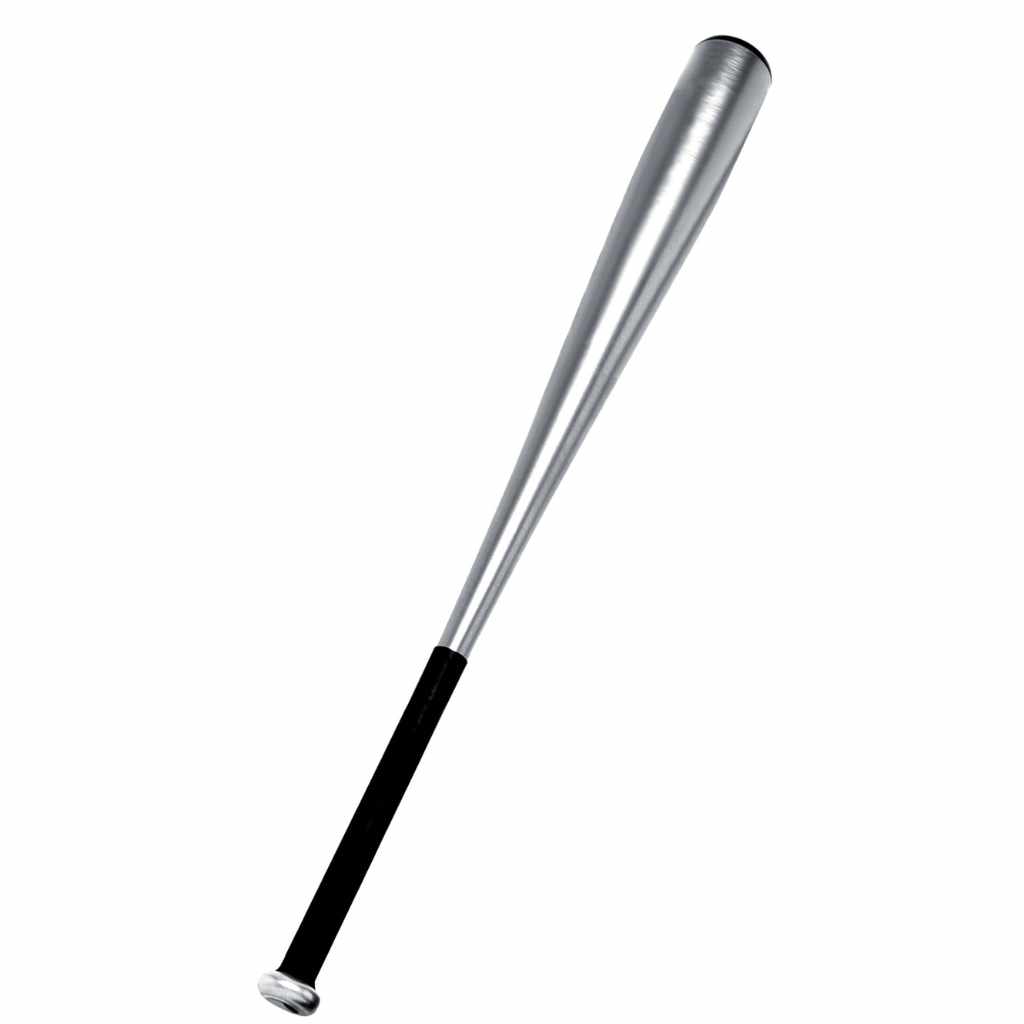
Aluminum bats are made from a mix of metals. Mostly, they use an aluminum alloy. This alloy blends aluminum with small amounts of other metals like magnesium and zinc. The mix creates a light but strong material.
Aluminum bats often have a hollow design. This reduces weight and increases swing speed. The metal resists dents and cracks better than wood. It also absorbs less moisture, so it stays strong in different weather.
Composition Of Wood Bats
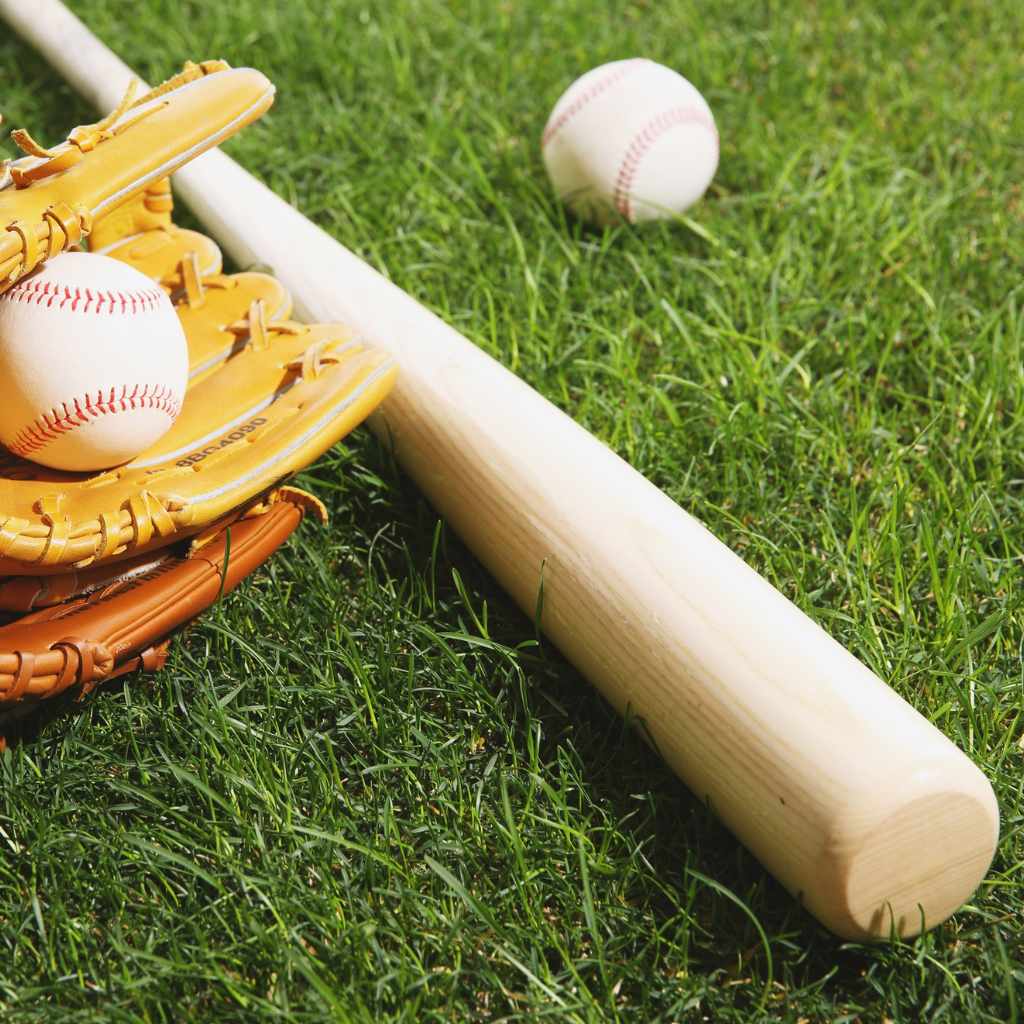
Wood bats come from solid pieces of wood. Common woods include ash, maple, and birch. Each wood type has unique grain patterns and hardness. These affect the bat’s strength and flexibility.
Wood bats are heavier and denser than aluminum. They can crack or split on hard hits. Moisture can weaken wood over time, making it less durable. But wood offers a natural feel many players prefer.
Durability Comparison
Durability is a key factor in choosing between aluminum and wood bats. It affects how long the bat lasts and performs well. Both materials have unique strengths and weaknesses. Understanding these helps players pick the right bat for their needs.
Impact Resistance
Aluminum bats resist dents and cracks better than wood bats. The metal surface absorbs strong hits without breaking. Wood bats can crack or splinter on hard contact. Aluminum bats handle rough play and hard balls with less damage.
Wood bats may break under high impact. This makes them less durable in intense games. Aluminum bats offer a tougher surface that lasts longer under pressure.
Wear And Tear Over Time
Aluminum bats show less wear from repeated use. They maintain their shape and strength after many games. Wood bats wear down faster and lose performance. They can develop cracks and chips over time.
Aluminum bats require less maintenance. Wood bats need regular care to avoid damage. Players often replace wood bats more often due to wear.
Performance Factors
Performance factors play a big role in choosing between aluminum and wood bats. These factors affect how players hit and control the ball. Understanding these can help decide which bat suits your style.
Both bat types have unique features that impact swing and power. Let’s explore the main elements that affect performance.
Swing Speed And Control
Aluminum bats are lighter than wood bats. This helps players swing faster and react quickly. Faster swings often lead to better control of the ball’s direction.
Wood bats are heavier and need more strength to swing fast. They offer a solid feel but can slow down your reaction time. Control depends more on technique with wood bats.
Power And Ball Exit Velocity
Aluminum bats have a larger sweet spot. This means the ball leaves the bat faster and with more power. The metal’s trampoline effect adds extra force to hits.
Wood bats have a smaller sweet spot. Hits must be precise to get maximum power. The ball exit velocity is usually lower than aluminum but offers more feedback on contact quality.
Safety Considerations
Safety plays a big role when choosing between aluminum and wood bats. Both types have different risks and benefits. Understanding these can help players stay safe on the field. Here is a closer look at the safety concerns tied to each bat type.
Injury Risks With Aluminum Bats
Aluminum bats often hit the ball faster than wood bats. This speed can cause the ball to fly with more force. Fielders have less time to react. This raises the chance of injuries from the ball.
Also, aluminum bats can cause a stronger vibration in the player’s hands. This may lead to discomfort or hand injuries. The risk is higher with mishits or when the ball hits the bat’s edge.
Safety Of Wood Bats
Wood bats break more easily than aluminum bats. Broken pieces can cause cuts or bruises. Players must check their bats carefully before use.
Wood bats usually hit the ball slower. This gives fielders more time to catch the ball. The chance of injury from a hit ball is lower.
Cost And Maintenance
Choosing between an aluminum bat and a wood bat involves thinking about cost and maintenance. Both types have different price points and care needs that affect your overall experience and budget. Understanding these factors helps you make a wise choice.
Initial Investment
Aluminum bats usually cost more upfront than wood bats. This is because aluminum bats are made with metal alloys and technology. Wood bats are simpler and cheaper to produce. For beginners or casual players, wood bats can be a budget-friendly option. Serious players might prefer aluminum bats despite the higher price.
Long-term Upkeep
Wood bats need more care to last longer. They can crack or break easily and may require repairs or replacements. Storing them properly is important to avoid damage. Aluminum bats are more durable and resist dents and cracks. They rarely need repairs and can last for several seasons. Cleaning aluminum bats is also easier and faster than wood bats.
Regulations And Usage
Understanding the rules and common uses of aluminum and wood bats helps players choose the right one. Different leagues set clear rules about which bat types players can use. These rules affect the game’s safety and fairness. Knowing when and why each bat type is preferred can improve a player’s experience and performance.
League Rules For Bat Types
Most professional baseball leagues only allow wood bats. This rule keeps the game traditional and fair. Aluminum bats are common in amateur and youth leagues. They offer lighter weight and more power but can change the ball’s speed.
Some leagues have specific standards for aluminum bats. These rules limit bat size and material to keep play safe. Players must check their league’s rules before choosing a bat. Using the wrong bat can lead to penalties or disqualification.
Situational Preferences
Players often pick bats based on the game’s level and conditions. Aluminum bats suit younger players who need lighter equipment. They help improve swing speed and control. Wood bats are preferred by advanced players for better feedback and skill development.
In some situations, a player might switch bats. Wood bats help in games emphasizing skill and timing. Aluminum bats work well in practice or casual games for power hitting. Understanding these preferences helps players select the best bat for their needs.
Environmental Impact
The environmental impact of aluminum and wood bats is important to consider. Both materials affect the planet in different ways. Understanding their impact helps players choose bats that match their values.
Sustainability Of Aluminum Production
Aluminum comes from bauxite ore. Mining bauxite can harm land and water. The process uses a lot of energy. This energy often comes from fossil fuels. Recycling aluminum uses much less energy. It reduces the need for new mining. Most aluminum bats are recyclable. Recycling helps lower the environmental footprint of aluminum bats.
Wood Sourcing And Renewability
Wood bats come from trees. Tree cutting affects forests and wildlife. Sustainable forestry can reduce this harm. Trees grow back, making wood renewable. Some companies use wood from managed forests. This helps keep forests healthy. Wood bats are biodegradable. They break down naturally over time. This reduces waste in landfills.
Frequently Asked Questions
Is An Aluminum Bat Stronger Than A Wood Bat?
Aluminum bats are generally stronger due to their metal alloy construction. They resist dents and cracks better than wood bats, which can break or splinter on impact. This durability makes aluminum bats last longer in games and practices.
How Does Bat Strength Affect Baseball Performance?
Stronger bats like aluminum ones offer better ball speed and less vibration. This can improve hitting distance and control. Wood bats provide a traditional feel but are prone to breaking, which may disrupt a player’s performance during games.
Are Aluminum Bats Allowed In Professional Baseball?
No, aluminum bats are banned in most professional leagues like MLB. Professionals use wood bats exclusively for consistent performance and tradition. Aluminum bats are mainly used in amateur, youth, and college baseball.
What Makes Aluminum Bats More Durable Than Wood Bats?
Aluminum bats resist cracks and dents due to their metal composition. Wood bats can splinter or break from repeated impacts. This durability allows aluminum bats to maintain performance over longer periods without needing replacement.
Conclusion
Aluminum bats offer strength and durability that wood bats often lack. Wood bats provide a classic feel and natural flex. Each type suits different player needs and preferences. Choosing depends on what matters most—power, weight, or tradition. Both can perform well with proper use and care.
Consider your playing style before making a decision. Both bats have unique benefits that make baseball exciting. The choice is yours to make with confidence.