Can You Replace Wood Deck Boards with Composite Easily?
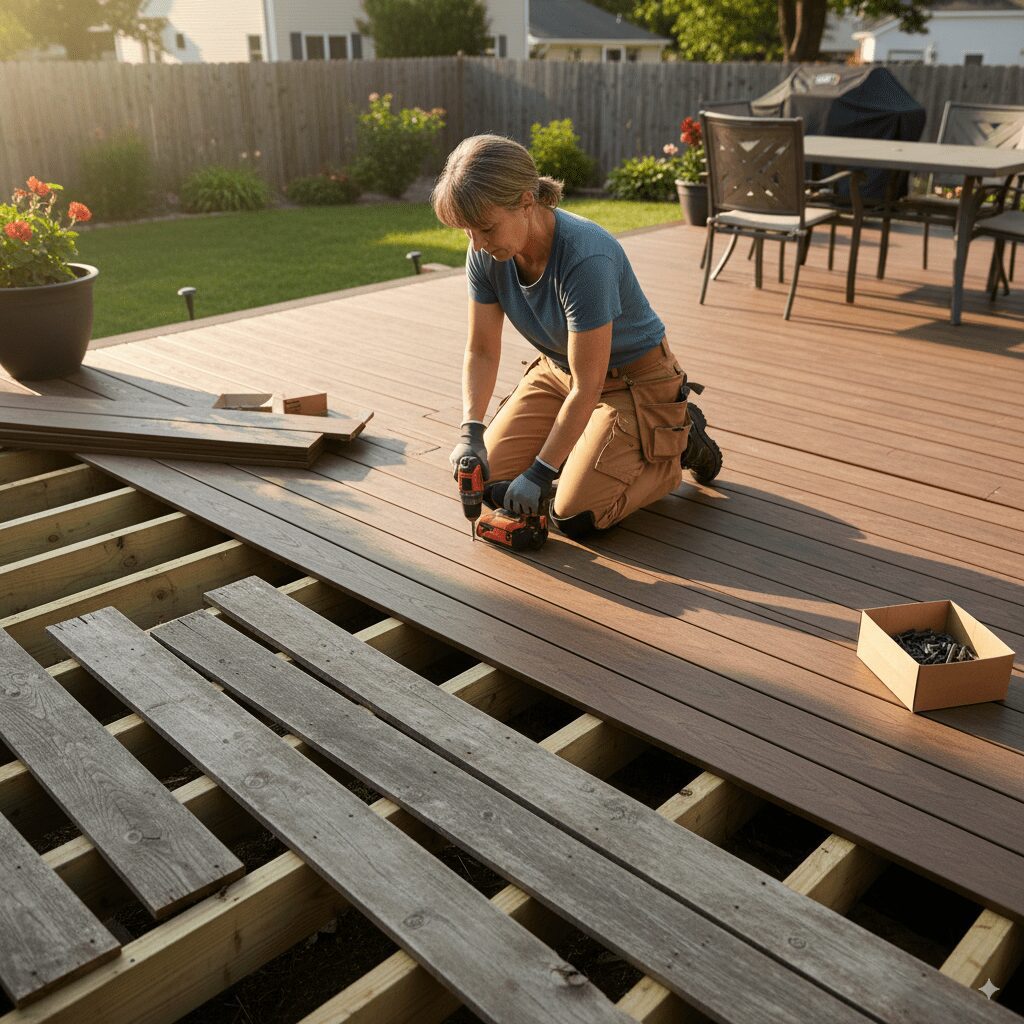
Yes, you can replace wood deck boards with composite in a weekend — as long as the existing joists pass a simple screwdriver rot test first. Skipping that check is the most common reason composite resurfacing jobs fail, since composite decking needs joists spaced 12–16 inches on center to stay level. This guide covers frame inspection, the tools you need, corrosion-resistant fastening, and the 6-step installation process.
Why Choose Composite Over Wood for Your Deck?
Best Hidden Fastener Kit Pick
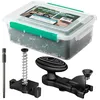
ZONEGRACE 1000-Pack Hidden Deck Fastener Kit (w/ Screws + Tools) – $109.90
Covers up to 500 sq ft at the 16-inch joist spacing this guide recommends, and includes the stainless screws and spacing tool so you’re not buying fasteners and hardware separately.
- Best for: A full deck reface in one order
- Why we picked it: Bundles clips, screws, and the spacing jig this guide’s Step 5 calls for
- Main drawback: More than you need for a small deck under 250 sq ft
Compare more hidden fastener options
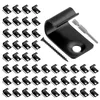 Option 1 HKZTUY Composite Decking Starter Clips (50-Pack) – $16.14
|
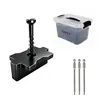 Option 2 Hidden Deck Fastener Clips (430-Pack, ~200 sq ft) – $35.14
|
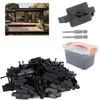 Option 3 Yeipower 1000-Pack Nylon Composite Deck T-Clips – $99.99
|
As an Amazon Associate we earn from qualifying purchases.
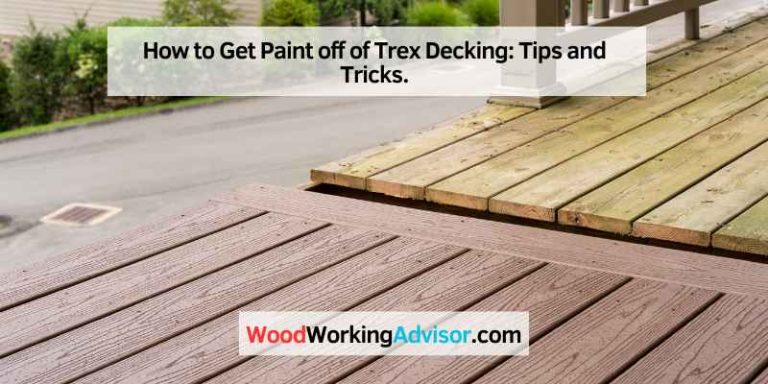
Wood decks have real charm, but they come with constant upkeep. Composite decking, made from recycled wood fibers and plastic, resists moisture and UV rays without warping or cracking, and it comes in colors that mimic real wood grain.
Before you start, weigh the real benefits and drawbacks so you know if it’s right for your deck.
| Pros of Composite Decking | Cons of Composite Decking |
|---|---|
| Low maintenance — no staining or sealing needed | Higher upfront cost than basic wood |
| Resists rot, insects, and fading for 25+ years | Can get hot in direct sun (choose lighter or capped colors) |
| Splinter-free and safer for kids and pets | Heavier boards may need extra joist support |
| Eco-friendly, often made with recycled materials | Less “natural” feel than real wood grain |
Composite holds up well over time, which is why more homeowners are resurfacing tired wood decks instead of rebuilding the whole structure. For an official walkthrough, see this resurfacing guide from Trex, one of the largest composite decking brands.
“On almost every wood-to-composite reface we’ve walked homeowners through, the joists were still sound — it’s the boards that fail first, not the frame. That’s what makes this a weekend project instead of a full rebuild.”
Composite Decking Costs vs. Wood in 2026
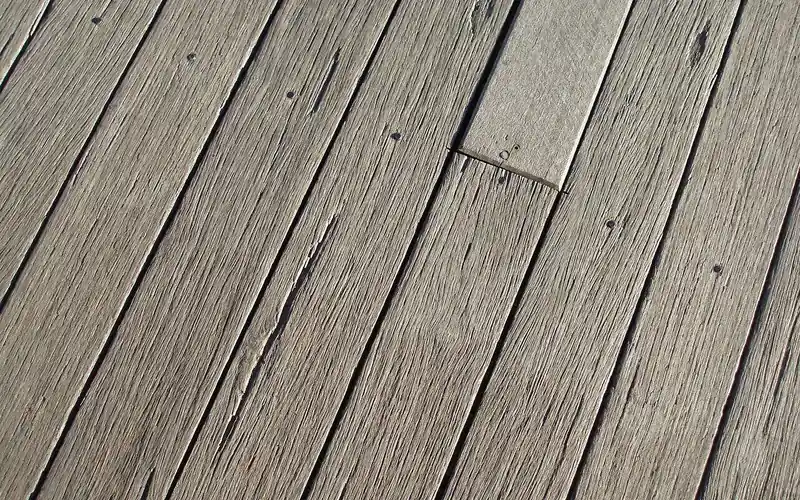
Money matters when planning a project. Wood costs less upfront, but yearly staining and sealing add up. Composite costs more initially but typically lasts longer, which often makes it the better long-term value.
Here’s a materials-only comparison for a 200-square-foot deck. Local prices vary, so get quotes from your home center.
| Material | Cost per Square Foot | Total for 200 sq ft Deck | Long-Term Upkeep |
|---|---|---|---|
| Pressure-Treated Wood | $3–$6 | $600–$1,200 | ~$300–$900 per staining cycle |
| Composite Decking | $5–$18 | $1,000–$3,600 | Under $50/year (hose + soap) |
Over a decade, composite often pays for itself. Use Decks.com’s deck cost calculator to customize this for your size, or see our full composite vs. pressure-treated cost breakdown for a deeper comparison.
📊 Composite decking runs roughly 24% cheaper to maintain over 10 years than hardwood — and it needs zero staining cycles, unlike the $300–$900 a wood deck typically costs per staining round. Source: TimberTech, 2026
Gathering Your Tools and Materials
You likely have most basics in your garage already. Here’s what you need for a standard deck board replacement.
- Safety first: gloves, safety glasses, dust mask, and sturdy shoes to protect against splinters and dust.
- Removal tools: pry bar, hammer, circular saw for cutting old boards, and a reciprocating saw for tough spots.
- Measuring and cutting: tape measure, chalk line, square, and a miter saw for precise composite cuts.
- Installation: drill with bits, stainless steel screws or hidden fasteners for a clean look, and a level.
- Extras: joist tape for protection, wood filler for repairs, and a broom for cleanup.
Buy capped composite boards for extra weather resistance, and rent the miter saw if you don’t own one — total tool cost is usually under $200. Browse our wood decking hub for more framing, fastening, and pricing guides.
For a clean, screw-free surface, hidden fastener clips are worth the extra cost over standard deck screws. Here are four solid options for this step:
For a full breakdown of screw types, coatings, and brands, see our composite deck fastener comparison.
Safety Tips Before You Begin
Decks involve heights and sharp edges, so keep things risk-free. Work with a partner for heavy lifting, and never rush.
- Wear protective gear: gloves prevent cuts, glasses shield your eyes from flying bits, and a mask keeps dust out.
- Check stability: inspect for loose joists before stepping on the deck, and use a ladder safely without overreaching.
- Weather watch: pick a dry day, since wet wood gets slippery. Avoid working alone if the deck is elevated.
- Power tool smarts: unplug when changing blades and follow the manufacturer’s guide. See OSHA’s tips at OSHA.gov on ladder and tool safety.
- Dispose properly: old wood may have chemical treatments — bag it and check local recycling rules.
Step-by-Step Guide: Replacing Wood Deck Boards with Composite
This process takes 1–2 days for a small deck. Work section by section, and measure twice before you cut.
Step 1: Prepare and Inspect Your Deck
Clear the deck and sweep it, then look under the boards for rot or sagging joists. Tap with a hammer — a hollow sound means the joist needs sistering with extra lumber alongside it.
Step 2: Remove the Old Wood Boards
Pry up screws or nails from one end and work slowly to avoid splintering nearby boards. For stuck boards, cut lengthwise with a circular saw set to a shallow 1-inch depth so you don’t damage the joists underneath.
Step 3: Repair and Prep the Frame
Replace any rotten joists with pressure-treated lumber and confirm spacing — composite needs 12–16 inches on center. Add blocking if the gaps are wider, then sand rough spots and seal exposed cuts.
Step 4: Measure and Cut Composite Boards
Run boards perpendicular to the joists for strength and add a 1/4-inch gap for heat expansion. Cut with a fine-tooth blade on a miter saw, finished side up, and dry-lay a row with 1/8-inch spacers to check the fit.
Step 5: Install the New Composite Boards
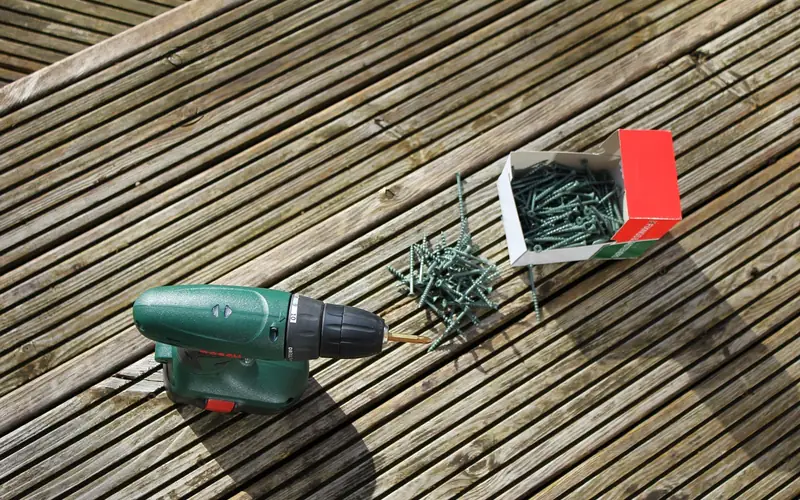
Pre-drill near the ends to prevent splitting, then fasten into the joists with corrosion-resistant screws spaced 16 inches apart, or use hidden fastener clips between boards for a screw-free surface. Stagger the end joints like brickwork.
Step 6: Finish and Clean Up
Sweep away sawdust, reinstall or update railings, and let the deck sit a day before heavy use so the composite can settle.
For visual help, watch this YouTube tutorial on hidden fasteners.
Common Mistakes to Avoid
- Forgetting expansion gaps: boards buckle without them — always space 1/8 to 1/4 inch apart.
- Wrong fasteners: use only stainless steel or coated composite screws — others rust, stain the boards, and can void the warranty. If old screw holes show through, see our guide to hiding screw holes with plugs.
- Ignoring slope: ensure a 1/8-inch pitch per foot so water runs off instead of pooling.
- Rushing cuts: dull blades chip composite — sharpen or replace the blade before you start.
- Skipping cleanup: wipe away sawdust immediately, since it can stain composite if left sitting.
Maintenance After Installation
Composite shines here: hose it off yearly and sweep leaves. For stains, mild soap works. This ease is why so many homeowners switch — more time outside, less time maintaining.
Check and tighten screws every 5 years. With basic care, a composite deck can last twice as long as an unmaintained wood deck. Check your manufacturer’s warranty — many cover 25 years.
FAQ
Can beginners really replace wood deck boards with composite on their own?
Yes. With basic tools and a solid frame, it’s a realistic weekend project for a first-timer. Start with a small section if you’re nervous, and confirm your joist spacing before buying boards.
How long does a composite deck last compared to wood?
Composite typically lasts 25–30 years under a manufacturer warranty, while an untreated or lightly maintained wood deck often needs board replacement every 10–15 years due to rot.
Do I need to replace the entire deck frame?
Not always. If the joists pass a screwdriver rot test and meet spacing requirements, you can leave the frame in place and swap only the boards. Reinforce or sister any soft joists before installing composite. See our deck framing guide for reinforcement options.
What’s the best way to cut composite boards without splintering?
Use a sharp, fine-tooth blade on a miter or circular saw, cut with the finished side up, and feed the board slowly. A dull blade is the most common cause of chipped edges.
Can composite decking get too hot for bare feet?
It can warm up more than wood in direct summer sun, but capped composite boards and lighter colors stay noticeably cooler than dark, uncapped boards. Outdoor rugs help in the hottest spots.
How much weight can a composite deck hold?
Most composite decking is rated for the same load as wood — about 100 pounds per square foot — when installed at the manufacturer’s required joist spacing.
Can I install composite decking directly over the old wood boards instead of removing them?
It’s not recommended in most cases. Decking over old boards traps moisture between the layers, raises the deck height at doors and stair transitions, and can void the new composite’s warranty. Remove the old wood boards first unless your installer confirms your framing and code allow a rated overlay.
Is Replacing Wood Deck Boards with Composite Worth It?
Replacing wood deck boards with composite is a realistic weekend project once your frame passes inspection: expect 1–2 days of work, roughly $1,000–$3,600 in materials for a 200-square-foot deck, and 25+ years of low-maintenance use afterward. Keep expansion gaps, use the right fasteners, and your new deck should outlast the wood it replaced by a decade or more.
Sponsored / affiliate links. As an Amazon Associate I earn from qualifying purchases. I may earn additional commission from eligible campaigns.