Is Engineered Hardwood Flooring Waterproof? Unveiled Truths
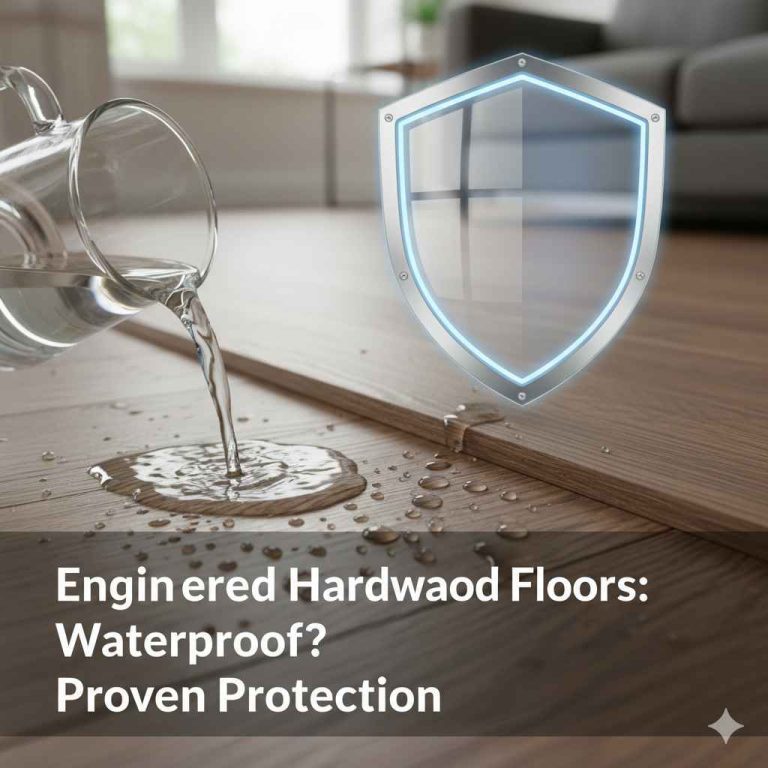
Engineered hardwood flooring is not waterproof. It is water-resistant but can be damaged by excessive moisture.
Engineered hardwood flooring combines natural wood with layers of plywood for strength and stability. This design makes it a popular choice for many homeowners. Unlike solid hardwood, engineered options handle changes in humidity better, making them suitable for various environments.
Many manufacturers treat the surface to enhance water resistance, but this does not make them waterproof. Spills should be cleaned promptly to avoid damage. For areas prone to moisture, consider alternatives like luxury vinyl or tile. Understanding the limits of engineered hardwood will help you maintain its beauty and longevity, ensuring it remains a stunning element of your home.
Introduction To Engineered Hardwood Flooring
Engineered hardwood flooring is a popular choice for many homes. It offers the beauty of wood with added durability. This type of flooring consists of multiple layers. The top layer is made from real wood, while the inner layers are made from plywood or high-density fiberboard.
This structure provides stability and helps resist warping. Engineered hardwood is often used in various areas of the home. It is suitable for living rooms, dining areas, and even some kitchens. Many homeowners appreciate its natural look combined with practical benefits.
Despite its many advantages, it is important to note that engineered hardwood is not fully waterproof. Proper care and maintenance can help protect it from moisture damage.
The Myth Of Waterproof Hardwood
Many people believe that engineered hardwood flooring is completely waterproof. This is a common misconception. Engineered hardwood can resist moisture better than solid wood. Yet, it is not waterproof. Spills and standing water can still cause damage.
Some manufacturers claim their products are water-resistant. This can confuse buyers. Water-resistant means it can handle some moisture. It does not mean it can survive flooding or heavy spills.
Understanding the difference is vital. Proper care and maintenance can help protect your flooring. Avoid leaving water on the surface for long periods. This can extend the life of your flooring.
Water Resistance Vs. Waterproofing
Water resistance means that a material can resist some moisture. It doesn’t mean it is completely safe from water. On the other hand, <strongwaterproof materials can fully resist water. They won’t get damaged at all.
Engineered hardwood flooring is water-resistant, but not waterproof. It can handle small spills and moisture. However, long exposure to water can cause damage. This flooring has a protective layer. This layer helps prevent water from seeping in.
| Characteristic | Water Resistant | Waterproof |
|---|---|---|
| Moisture Protection | Some | Complete |
| Durability | Moderate | High |
| Suitable for Spills | Yes | Yes |
| Long-Term Exposure | Not Recommended | Safe |
Engineered Hardwood’s Reaction To Moisture
Engineered hardwood flooring is not completely waterproof. It can withstand some moisture, but prolonged exposure can cause issues. The core layer is made of high-density fiberboard, which can swell when wet.
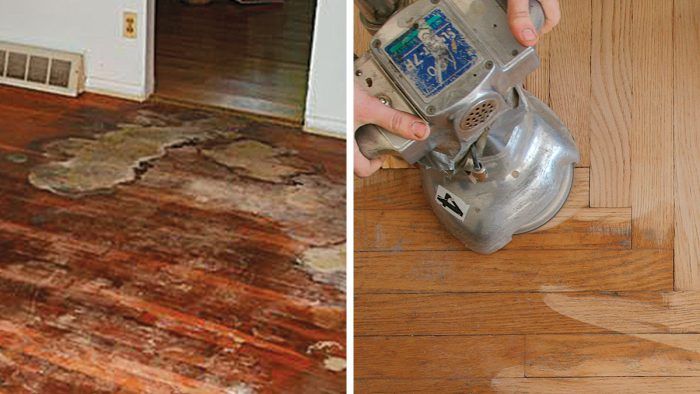
Water can damage the surface finish. This leads to scratches and stains. Cupping and crowning may also occur, affecting the floor’s appearance. Long-term exposure to water can weaken the structure.
To maintain engineered hardwood, always clean spills quickly. Use a damp mop instead of soaking it. Regular maintenance keeps it looking its best.
Protective Measures For Engineered Floors
Engineered hardwood flooring is not completely waterproof. It can resist some moisture but is not suitable for wet areas. Pre-installation treatments help protect floors. Applying a water-resistant sealant can be beneficial. This ensures better durability against spills and humidity.
After installation, taking care of engineered floors is important. Wipe up spills immediately to prevent water damage. Use a damp mop instead of soaking the floor. Avoid harsh cleaners as they can harm the finish. A proper maintenance routine keeps the beauty of your floors intact.
| Care Tips | Details |
|---|---|
| Wipe Spills | Clean any liquid immediately. |
| Use Damp Mop | Avoid soaking the floor. |
| Gentle Cleaners | Choose mild products for cleaning. |
| Regular Maintenance | Keep floors looking new with routine care. |
Best Practices In Wet Areas
Engineered hardwood flooring is not fully waterproof. It can handle minor spills and splashing, but precautions are necessary.
In the kitchen, clean up spills quickly. Use mats near sinks to protect the floor. Bathrooms require careful attention. Use rugs and dry any water immediately.
For laundry rooms, ensure appliances are in good condition. Check for leaks regularly. In basements, consider using a dehumidifier to control moisture.
Always wipe up any standing water. Avoid using excessive water for cleaning. Choose mop types that are safe for hardwood.
Alternatives To Engineered Hardwood
Many homeowners seek fully waterproof flooring options. These choices stand out for their durability and design. Luxury vinyl is a popular option. It offers excellent water resistance and comes in various styles.
Tile flooring is another great alternative. It is completely waterproof and easy to clean. Laminate flooring can be water-resistant but not fully waterproof. Always check the manufacturer’s guidelines.
Cost can vary significantly. Here’s a quick comparison of the options:
| Flooring Type | Average Cost per Square Foot | Longevity (Years) |
|---|---|---|
| Luxury Vinyl | $2 – $7 | 10 – 25 |
| Tile Flooring | $3 – $15 | 20 – 50 |
| Laminate | $1 – $5 | 10 – 20 |
Making An Informed Decision
Choosing the right flooring is essential for your home. Engineered hardwood flooring offers beauty and durability. It is not completely waterproof but can handle some moisture.
Assess your lifestyle and needs before making a choice. Families with pets may need more robust options. Spills and accidents can happen, so think about cleaning and maintenance.
Consulting with flooring experts can help. They provide valuable insights on different materials. Ask about warranties and moisture resistance. This ensures you make the best decision for your space.
Case Studies: Engineered Hardwood In Real Homes
Many homeowners have found success with engineered hardwood flooring. One family installed it in a kitchen and noticed no water damage. This flooring type can handle spills and moisture better than traditional wood.
Another success story involved a bathroom renovation. Here, engineered hardwood added warmth and style. The family reported that the flooring stood strong against humidity.
| Lessons Learned | Common Failures |
|---|---|
| Use a good quality sealant. | Neglecting proper installation. |
| Keep the area well-ventilated. | Ignoring humidity levels. |
| Regularly check for water leaks. | Using the wrong cleaning products. |
Conclusion: Balancing Aesthetics And Functionality
Engineered hardwood flooring is not completely waterproof. It can resist moisture better than traditional wood. However, it is still prone to water damage. Proper installation and maintenance help improve its durability.
Consider these key points:
- Water Resistance: Engineered hardwood can handle spills.
- Not Waterproof: Prolonged exposure to water can cause issues.
- Maintenance: Regular cleaning prevents damage.
Homeowners should think carefully before choosing this flooring. Select options with a strong protective finish. Always clean up spills quickly. Use mats in high-moisture areas like kitchens and bathrooms.
Frequently Asked Questions
Is Engineered Hardwood Flooring Water-resistant?
Engineered hardwood flooring is water-resistant but not completely waterproof. It can withstand spills and moisture for a short time. However, prolonged exposure to water can lead to damage. It’s best to clean spills immediately to maintain the flooring’s integrity and appearance.
Can You Install Engineered Hardwood In Bathrooms?
While it’s possible to install engineered hardwood in bathrooms, caution is advised. The humidity and moisture levels can affect the flooring over time. If you choose this option, ensure proper sealing and ventilation to minimize water damage. Consider alternatives specifically designed for high-moisture areas.
How Do You Maintain Engineered Hardwood Flooring?
To maintain engineered hardwood flooring, regularly clean with a soft broom or vacuum. Avoid using excessive water or harsh cleaners that can damage the finish. Wipe up spills immediately to prevent moisture penetration. Periodic refinishing can help keep the floor looking new and durable.
What Happens If Engineered Hardwood Gets Wet?
If engineered hardwood gets wet, it can absorb moisture, leading to warping or buckling. Quick action is essential; wipe up spills and dry the area immediately. Prolonged exposure can compromise the flooring’s structure and finish. Always monitor humidity levels in your home for best results.
Conclusion
Engineered hardwood flooring offers some water resistance but is not entirely waterproof. Proper care and maintenance are essential to prolong its lifespan. Choosing the right finish and sealing can enhance its durability against moisture. Make informed decisions to enjoy the beauty of engineered hardwood in your home without worries.