Is It Cheaper to Refinish Hardwood Floors Or Replace?
Are you staring at your worn-out hardwood floors, wondering if it’s time for a change? The decision to refinish or replace your floors is not just about aesthetics; it’s about finding the most cost-effective solution for your home.
With budget constraints and a desire for a fresh look, you might be weighing the options of refinishing versus replacing. But which is truly the cheaper choice? This decision goes beyond mere numbers; it taps into the emotional satisfaction of a beautiful home that doesn’t break the bank.
Before you make a move, let’s delve into the advantages, disadvantages, and hidden costs of each option. By the end of this article, you’ll have a clear understanding of what best suits your needs, saving you both time and money. Stay with us, and discover which route will make both your wallet and your home happier.
:max_bytes(150000):strip_icc()/cost-to-refinish-hardwood-floors-1314853-hero-e329de24b98e41ada4e9870699a6ca98.jpg)
Credit: www.thespruce.com
Cost Factors In Refinishing
The cost of materials for refinishing is often lower. Sandpaper, stain, and finish are key supplies. Buying these in bulk can save money. Some special tools may be needed. Renting is an option to cut costs. Quality materials ensure a good finish.
Labor costs can vary. Hiring professionals may be pricey. Doing it yourself saves money but takes time. Professionals do a quick and smooth job. Local rates differ. Get several quotes to compare prices.
Refinishing takes less time than replacing. It can be done in a weekend. Replacing requires more days. Preparation and cleanup are important. Allow time for drying and curing. Time affects labor cost and project schedule.
Cost Factors In Replacing
Replacing hardwood floors often costs more than refinishing them. Refinishing involves sanding and applying a new finish. This process revives floors without the expense of new materials.
Material Choices
Choosing the right material is crucial. Hardwood can be pricey. Laminate is cheaper but not as durable. Engineered wood is in the middle. Each has pros and cons.
Installation Fees
Installation can cost a lot. Professional help is often needed. This adds to the total expense. DIY can save money but requires skill. Mistakes can be costly.
Time Commitment
Replacing floors takes time. Planning and preparation are key steps. It can take days or weeks. Reflooring is not quick. Think about your schedule before starting.
Durability And Longevity
Hardwood floors last a long time.They can endure decades of wear. Over time, they might show scratches and dents. Refinishingcan make them look new again. It removes surface wear. This is often cheaper than replacing. New floors cost more money. Replacinginvolves buying new wood. It requires more work and time.
Wear And Tear Considerations
Floors face daily use. They get marks from shoes and furniture. Refinishingfixes these marks. It adds a fresh layer. This helps protect the wood. Replacingmeans starting fresh. No scratches, no dents. But this costs more. It’s important to decide based on the floor’s condition.
Maintenance Needs
Maintainingfloors keeps them nice. Regular cleaning helps. Refinishing adds extra shine. It protects from future damage. Replacingmight need less care initially. But, both need ongoing attention. Cleaning and polishing are key. They help floors last longer.
Aesthetic Outcomes
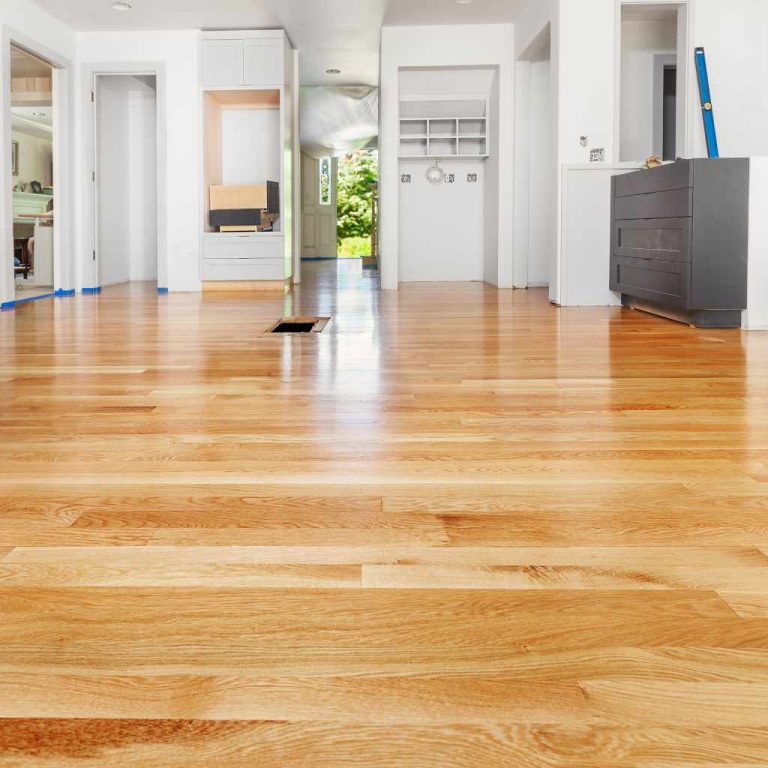
Refinishing hardwood floors offers many color and finish options. Choose lighter or darker shades. Add a glossy or matte finish. These choices give your home a fresh look. Replacement also offers choices. But it might limit color options. New floors mean starting fresh. Refinishing keeps the old charm alive. Both options change the room’s look. Yet, refinishing is often more cost-effective.
Refinishing can boost your home’s value. It makes floors look new again. Potential buyers love well-kept floors. It suggests care and attention. Replacement can also raise value. But it’s more costly. Refinishing is often a better choice for budget-minded owners. It gives a good return on investment. New floors cost more but can impress buyers. Both choices have pros and cons.
Environmental Impact
Refinishing floors uses fewer natural resources. It keeps the original wood. This helps in saving trees. Less wood is used, which means more trees stay safe. Many refinishing products are now eco-friendly. They use less harmful chemicals. This makes it safer for the environmentand for families.
Replacing floors creates a lot of waste. Old boards go to landfills. This increases the waste problem. Refinishing, on the other hand, creates less waste. Old wood is not thrown away. It is reused. This helps in reducing garbage. Recycling is also important. Some wood can be recycled for other uses. This keeps the planet cleaner.

Credit: www.fixr.com
When To Refinish
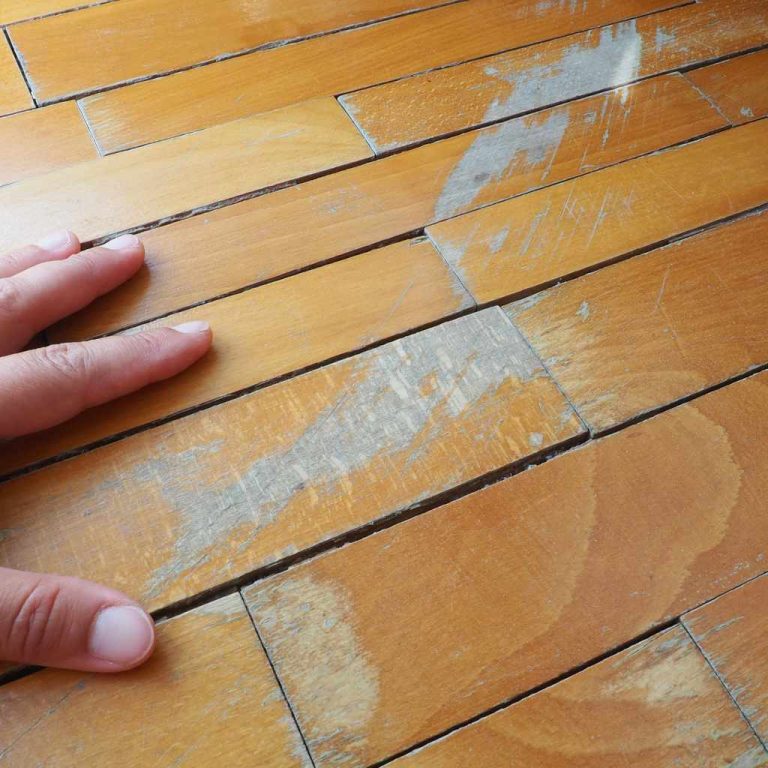
Scratches and dull spots often mean refinishing is needed. Floors may look old and tired. Small damage is normal over time. Refinishingcan make floors look new again. Water stains can be a sign. These marks show the finish is weak. Refinishingfixes this problem.
Refinishing is cheaper than replacing floors. Floors with minor damage benefit most. Small scratches and dents are easy to fix. Refinishingmakes old floors look better. It costs less and takes less time. Replacement needs more money and labor. Refinishingsaves money and keeps home beautiful.
When To Replace
Refinishing hardwood floors often costs less than replacing them. Consider refinishing if the floors have minor scratches. Replacement might be necessary for severely damaged or warped floors.
Severe Damage Indicators
Wood floors can get damaged. Deep scratches and dents are bad signs. Water stains are a big issue too. These can weaken the wood. If boards are warping or bending, it’s time to worry. Cracks mean trouble and must be fixed. Missing pieces or holes need attention. Strong odors can mean rot or mold. These problems might need a floor replacement.
Long-term Investment
Replacing floors can be smart for the future. New floors last longer. They look fresh and clean. Old floors might need constant repairs. New ones need less upkeep. This saves money over time. A new floor can increase home value. It makes the house more appealing. Investing now can bring benefits later. Think about your home’s future.
Making The Decision
Choosing between refinishing and replacing hardwood floors depends on cost. Refinishing is usually cheaper. It involves sanding and applying a new finish. This process can restore the floor’s beauty. Replacing involves buying new wood. It also means paying for installation. This can be much more expensive. Consider your budget carefully. Think about long-term benefits too.
Consulting a professional can help. They can assess the floor’s condition. Experts offer valuable insights. They know if refinishing is possible. Sometimes, floors are too damaged. Then, replacing might be better. An expert’s advice can save you money. It can also help you make a wise decision. Don’t skip this important step.
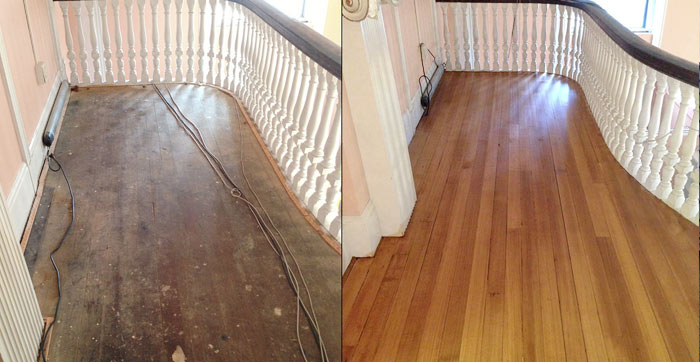
Credit: www.renovatethat.com
Frequently Asked Questions
How Much Does It Cost To Refinish 1000 Sq Ft Of Hardwood Floors?
Refinishing 1000 sq ft of hardwood floors typically costs $2,000 to $5,000. Prices vary based on location, floor condition, and finish type. Always get multiple quotes to ensure a fair price. Consider additional costs for repairs or special finishes.
Does Refinishing Hardwood Floors Really Make Them New Again?
Refinishing hardwood floors restores their original beauty, making them look almost new. It involves sanding, staining, and sealing. This process removes scratches and dullness, revealing the wood’s natural charm. While not brand new, refinished floors appear refreshed and revitalized, enhancing the home’s overall appearance.
Is It Better To Resurface Or Refinish Hardwood Floors?
Resurface hardwood floors for minor scratches and wear. Refinish for deep damage or color change. Resurfacing is quicker and cheaper, while refinishing restores original beauty. Consider budget, time, and floor condition to decide. Both options enhance durability and appearance.
What Is The Cheapest Way To Finish Hardwood Floors?
Sand and refinish hardwood floors yourself using rented equipment and DIY materials. Purchase budget-friendly polyurethane for a smooth finish. Opt for water-based finishes for quicker drying and less odor. Ensure proper ventilation and follow safety guidelines. This approach minimizes costs while achieving a refreshed, durable floor.
Conclusion
Choosing between refinishing or replacing hardwood floors involves cost considerations. Refinishing is often cheaper. It restores the floor’s beauty without heavy expenses. Replacement costs more due to materials and labor. Consider the floor’s condition before deciding. Is it lightly worn or heavily damaged?
Lightly worn floors usually benefit from refinishing. Heavily damaged floors might need replacing. Budget constraints play a big role too. Always plan based on your needs and budget. Seeking professional advice can help with the decision. Ultimately, both options have their benefits depending on the situation.