Candle Wax on Hardwood Floor: Quick & Easy Removal Tips
Candle wax lifts off hardwood floors undamaged once it is hardened with ice, then scraped free with a plastic tool, never metal, which can gouge the finish. Left too long, melted wax seeps into the grain and can dull polyurethane on unsealed boards. This guide covers hardening and scraping the wax, cleaning leftover residue safely, and preventing future spills near lit candles.
Materials Needed
Best Wax Scraper Pick
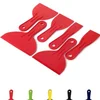
Bates Plastic Putty Knife Set (6-Pack) – $5.75
A plastic scraper is the tool this guide recommends for lifting hardened wax without scratching the finish — this 6-pack gives you several edge shapes so one always fits the spot.
- Best for: lifting hardened candle wax off hardwood without marring the finish
- Why we picked it: flexible plastic edges match the “plastic scraper, never metal” method in this guide
- Main drawback: thin blades can flex too much on very thick, stubborn wax buildup
Compare more wax-removal options
 Option 1 Klean-Strip Odorless Mineral Spirits (1 Gal) – $23.38
|
 Option 2 Minwax Hardwood Floor Cleaner (32 oz) – $9.99
|
 Option 3 Microfiber Cleaning Cloths (24-Pack) – $10.34
|
As an Amazon Associate we earn from qualifying purchases.
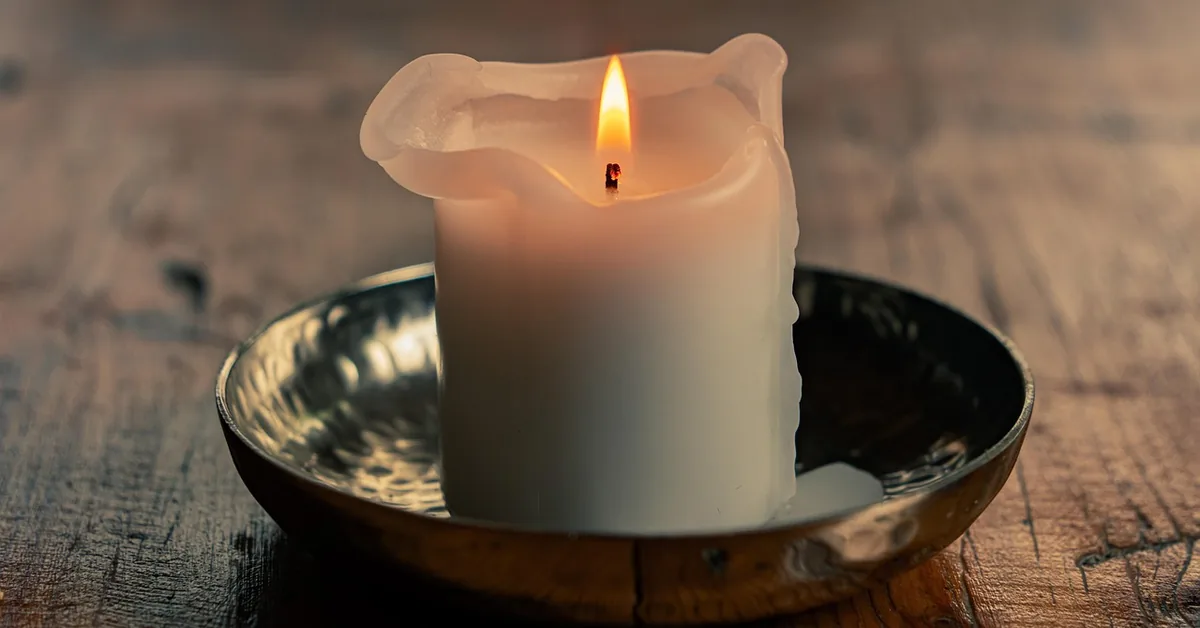
Removing candle wax from a hardwood floor is simple. Gather these materials first. You’ll need a plastic scraper or an old credit card. This helps in lifting the wax without scratches. A soft cloth is essential. It gently cleans the surface after scraping. Use a hairdryer to melt stubborn wax spots. Heat softens the wax for easy removal. Don’t forget a small bowl of warm water. It’s useful for cleaning and rinsing. Having some mild soap is a good idea. It helps in cleaning the floor after wax removal. A vacuum cleaner can pick up tiny wax bits. Ensure you have all these items ready before starting. This makes the task easier and quicker.
Preparation Steps
Start by gathering your materials. You will need a plastic scraper, a soft cloth, and warm water. Ensure the area is well-lit. This helps spot all the wax. Place the scraper gently against the wax. Slowly push to lift the wax. Do not rush.
Use the cloth to wipe the floor. Wet the cloth with warm water. This helps remove leftover wax. Be gentle to avoid scratches. Dry the area with a towel. Check for any remaining wax. Repeat if needed.
Method Using Heat
Plug in the hair dryer and set it to medium heat. Hold the dryer a few inches above the wax. Move it back and forth slowly. Keep heating until the wax becomes soft. Use a soft cloth to wipe away the melted wax. Be gentle to avoid scratching the floor. Repeat if needed to remove all wax. A hair dryer is safe for wood.
Place a paper towel over the wax. Set the iron to low heat. Gently press the iron on the paper towel. The wax will melt and stick to the paper. Lift the towel to remove the wax. If wax remains, use a fresh towel. Be careful not to overheat the floor. Warm iron works well to clean wax.
Method Using Cold
Cold can make wax hard. This helps to remove it easily. Ice cubes can do this job well. Place ice cubes in a plastic bag. Put the bag on the wax spot. Wait until the wax becomes really hard. This might take a few minutes.
Once wax is hard, gently scrape it off. Use a plastic scraper or an old credit card. Avoid using metal tools. They can scratch the floor. Be careful while scraping. The wax should come off easily.
Ice cubes are perfect for freezing wax. Wrap ice cubes in a plastic bag. Keep the bag on the wax for a while. This makes wax hard and brittle. It becomes easy to remove.
Scrape the wax off when it’s hard. Use a plastic scraper for safety. Metal tools may damage the floor. Remove all the wax bits carefully. Repeat if necessary. Clean the area after removing wax.
Scraping Techniques
Candle wax is tricky on hardwood floors. Use a plastic scraper to remove it. It is safer than metal. Metal can scratch floors. Move the scraper gently. Do not rush. Start from the edge of the wax. This helps to lift it without damage. If wax is hard, warm it a bit. Use a hairdryer on low heat. Be careful not to melt the wax. Just soften it. Then try scraping again. Patience is key.
Metal tools can harm your floors. They leave scratches and marks — if scuffing is already a problem on your floor, see this guide on removing scuff marks from wood floors. Always use plastic tools instead. They are gentle on wood. If metal is all you have, use caution. Wrap the tip with cloth. This protects the floor. Press lightly. Never push too hard. You risk damaging your floor. Remember, hardwood floors are delicate. Treat them with care and respect.
Cleaning Residue
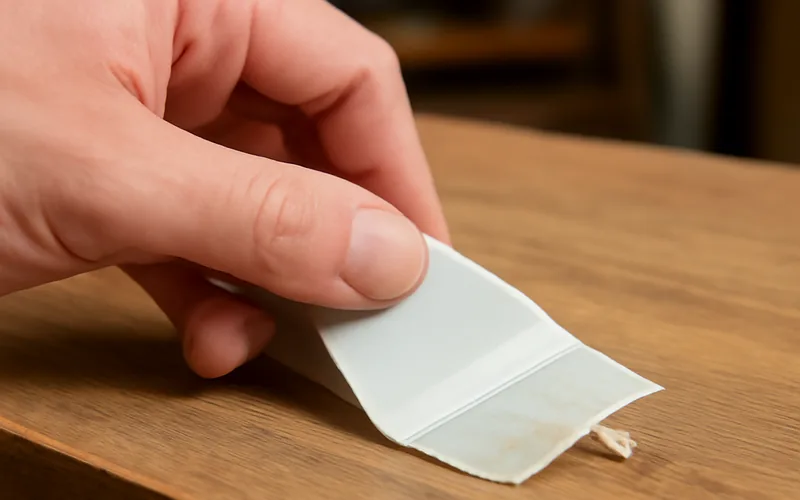
Avoid vinegar on a finished floor — its acidity can dull polyurethane over time, even diluted. Instead, dampen a soft cloth with a small amount of odorless mineral spirits and gently wipe the wax residue away. If the same spot has old tape residue stuck to it as well, mineral spirits handles both in one pass. Be patient and work in small sections; open a window for ventilation while it works.
Use a hardwood floor cleaner for the final pass. Spray the cleaner on the wax spot. Wipe with a dry cloth. Make sure the floor is dry. Avoid leaving any cleaner on the floor. This prevents damage. Check the floor. No wax should remain.
Preventing Future Spills
Candle holders keep wax from spilling on the floor. Pick holders that are sturdy. They should have a wide base. This prevents tipping over. Avoid holders made of flammable materials. Glass or metal is safe. Make sure the holder fits the candle. A tight fit is best. This stops the candle from wobbling.
Place candles away from edges. Keep them on flat surfaces. This reduces the chance of falling. Avoid placing them near curtains or papers. Wind can knock them over. Use a table or shelf that is stable. Ensure there’s no clutter around. Clear space means fewer accidents. Always keep candles in sight. Never leave them unattended near your hardwood flooring.
Frequently Asked Questions
How To Remove Candle Wax From Hardwood Floor?
To remove candle wax, first harden it with ice. Gently scrape it off using a plastic scraper. Clean the remaining residue with a soft cloth soaked in mineral spirits. Avoid using sharp objects to prevent scratches. Finish by polishing the area with a hardwood floor cleaner.
Can Candle Wax Damage Hardwood Floors?
Yes, candle wax can damage hardwood floors if not removed properly. Wax can leave stains or cause discoloration. Promptly addressing wax spills helps maintain the floor’s appearance. Using gentle cleaning methods prevents scratches and residue buildup. Regular maintenance can protect your floor from potential damage.
What Tools Are Needed For Wax Removal?
For wax removal, you’ll need ice, a plastic scraper, and a soft cloth. A hairdryer may also be useful for softening wax. Mineral spirits can help with residue removal. These tools are effective and gentle on hardwood floors when used correctly.
Is Vinegar Safe For Cleaning Wax On Hardwood?
Vinegar is not recommended for wax removal on hardwood floors. It can damage the finish and dull the floor. Instead, use mineral spirits or a commercial hardwood cleaner. These are safer and more effective for maintaining the floor’s integrity while removing wax.
Conclusion
Removing candle wax from hardwood floors can be simple. Use ice to harden the wax. Scrape gently with a plastic tool. Wipe with a damp cloth. For stubborn spots, follow up with mineral spirits. Always clean the area thoroughly. Wax can cause slippery surfaces.
Regular cleaning maintains floor beauty. Avoid harsh chemicals to protect wood. Keep floors looking new and shiny. Remember, patience is key. Test cleaning methods in small areas first. Preserve your floor’s charm with gentle care. Practice these tips for clean, wax-free floors.
Your hardwood will thank you.
Sponsored / affiliate links. As an Amazon Associate I earn from qualifying purchases. I may earn additional commission from eligible campaigns.