
Is It Safe to Burn MDF Wood? Essential Safety Tips
Burning MDF wood is not safe. It releases harmful chemicals and toxic fumes into the air.
MDF, or Medium Density Fiberboard, is made from wood fibers, resin, and wax. When burned, it releases dangerous substances like formaldehyde and other volatile organic compounds. These chemicals pose serious health risks, including respiratory issues and potential carcinogenic effects. Burning MDF can also contribute to air pollution, harming both the environment and human health.
It’s crucial to dispose of MDF wood properly, following local regulations. Always prioritize safety and environmental responsibility by choosing safe disposal methods for MDF wood.
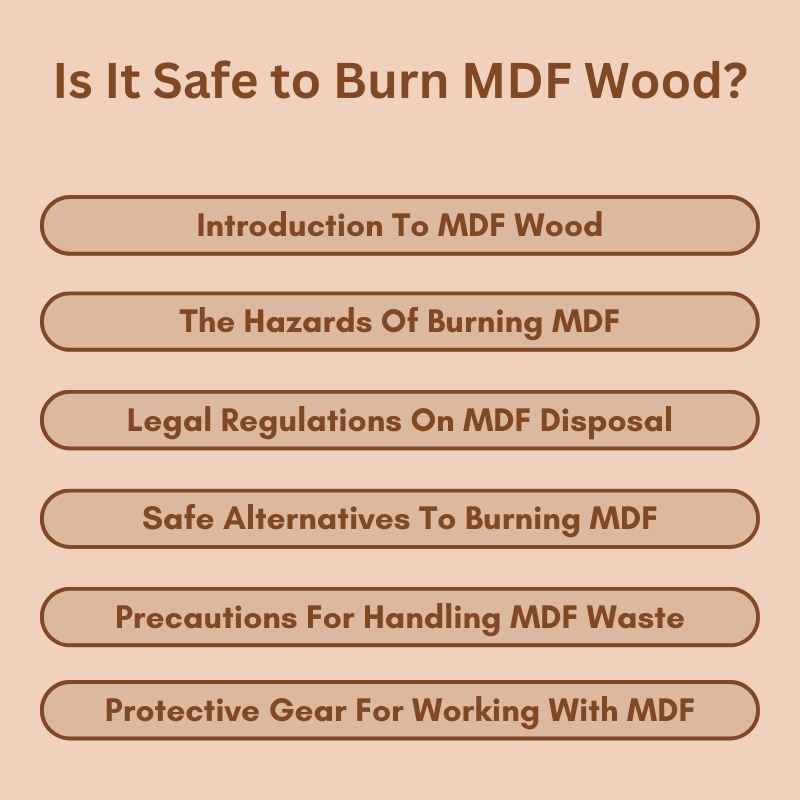
Introduction To MDF Wood
Medium Density Fiberboard (MDF) is a popular material used in various woodworking projects. It’s known for its smooth surface, uniform density, and affordability. But many people wonder, is it safe to burn MDF wood? Let’s start by understanding what MDF wood is.
Composition Of MDF
MDF is made from wood fibers that are combined with wax and resin binders. These materials are compressed under high pressure to form dense and sturdy boards.
| Component | Percentage |
|---|---|
| Wood Fibers | 75% |
| Wax | 10% |
| Resin | 15% |
Common Uses Of MDF
MDF is widely used in furniture making and cabinetry. It’s also popular for moldings and trim work due to its smooth finish.
- Bookshelves
- Kitchen cabinets
- Door panels
- Baseboards
- Picture frames
Its versatility makes it a go-to material for many DIY projects. But before using it, it’s crucial to understand its composition and common uses.

The Hazards Of Burning MDF
Burning MDF (Medium Density Fiberboard) can pose serious risks. Understanding these hazards is essential for your safety. MDF is not just wood; it contains harmful chemicals.
Toxic Chemical Release
When MDF burns, it releases toxic chemicals. These chemicals include formaldehyde and other volatile organic compounds (VOCs). Formaldehyde is a known carcinogen. This means it can cause cancer.
Other VOCs in MDF can also be dangerous. They can cause serious health issues. These issues range from headaches to respiratory problems. Burning MDF in your home can spread these toxins. This makes your living space unsafe.
Health Risks Associated With MDF Smoke
Inhaling MDF smoke can be harmful. The smoke contains microscopic particles. These particles can enter your lungs. Once inside, they can cause various health problems.
Here are some health risks associated with MDF smoke:
- Respiratory Issues: Inhaling MDF smoke can cause coughing and shortness of breath.
- Allergic Reactions: Some people may experience allergic reactions, like skin rashes or eye irritation.
- Long-term Effects: Prolonged exposure to MDF smoke can lead to chronic respiratory diseases.
The table below summarizes the key health risks:
| Health Risk | Description |
|---|---|
| Respiratory Issues | Includes coughing, shortness of breath, and lung irritation. |
| Allergic Reactions | Can cause skin rashes, eye irritation, and other allergic symptoms. |
| Long-term Effects | May lead to chronic respiratory diseases with prolonged exposure. |
Burning MDF is not safe. The risks far outweigh any potential benefits. Always choose safer alternatives for your projects.
Legal Regulations On MDF Disposal
Disposing of MDF wood is a serious task. There are strict rules to follow. These rules ensure safety and protect the environment.
Environmental Protection Agency Guidelines
The Environmental Protection Agency (EPA) has clear guidelines. These rules are to manage MDF disposal correctly. MDF contains formaldehyde, which is harmful if burnt.
Burning MDF releases toxic gases. These gases can harm your health and the environment. The EPA advises against burning MDF wood.
Proper disposal methods are critical. The EPA recommends recycling or taking MDF to a designated disposal facility. This ensures safe and responsible handling.
International Disposal Standards
Different countries have their own rules. But many follow similar principles to the EPA.
European Union (EU) Standards: The EU restricts burning MDF. It promotes recycling and safe disposal. They focus on reducing harmful emissions.
Canada: Canada has strict regulations too. They emphasize safe disposal practices. Burning MDF is strongly discouraged.
| Country | Disposal Method |
|---|---|
| USA | Recycling or designated disposal facility |
| EU | Recycling, safe disposal, no burning |
| Canada | Safe disposal, no burning |
Follow local regulations. Always check with your local authorities. They can guide you on how to dispose of MDF safely.
Safe Alternatives To Burning MDF
Many people wonder if it is safe to burn MDF wood. Burning MDF can release harmful chemicals into the air. There are safer alternatives to dispose of MDF. Below, we explore some safe alternatives to burning MDF.
Recycling Options
Recycling MDF is a great way to dispose of it safely. Many recycling centers accept MDF wood. This helps reduce waste and is better for the environment.
Check with your local recycling center to see if they accept MDF. Some centers may have specific guidelines for recycling MDF. It is important to follow these guidelines to ensure proper disposal.
Here are some recycling options for MDF:
- Contact local recycling centers
- Look for specialized MDF recycling programs
- Consult with waste management services
Upcycling Creative Ideas
Upcycling MDF can be a fun and creative way to reuse it. You can turn old MDF into new and useful items. This reduces waste and adds a personal touch to your projects.
Here are some upcycling ideas for MDF:
- Create shelves or bookcases
- Build small furniture pieces like stools or tables
- Design decorative wall art
Upcycling not only saves MDF from the landfill but also gives it a new life. It is a great way to be creative and environmentally friendly.
Precautions For Handling MDF Waste
Handling MDF waste requires special care. Improper handling can pose health and safety risks. Understanding proper storage, transportation, and disposal methods is crucial.
Proper Storage Methods
Storing MDF waste properly reduces the risk of accidents. Keep MDF waste in a dry, well-ventilated area. This prevents moisture buildup and mold growth.
- Use sealed containers to store smaller MDF pieces.
- Place larger pieces on elevated platforms to avoid ground contact.
- Label storage areas clearly to identify MDF waste.
Transportation And Disposal Best Practices
Transporting and disposing of MDF waste requires careful planning. Follow these best practices to ensure safety:
- Wear protective gear like gloves and masks during transportation.
- Use covered vehicles to prevent MDF dust from escaping.
- Dispose of MDF waste at designated facilities. Avoid burning MDF as it releases harmful chemicals.
| Best Practice | Reason |
|---|---|
| Wear protective gear | Prevents exposure to MDF dust |
| Use covered vehicles | Reduces risk of dust spread |
| Dispose at designated facilities | Ensures safe and legal disposal |
Protective Gear For Working With MDF
Working with MDF (Medium Density Fiberboard) can be hazardous. MDF contains formaldehyde, a harmful chemical. Proper protective gear is essential for safety. This section covers essential safety equipment and ventilation requirements.
Essential Safety Equipment
Using the right safety equipment is crucial when working with MDF. Here’s a list of essential items:
- Respirator Mask: MDF dust contains formaldehyde. A respirator mask filters harmful particles.
- Safety Glasses: Protect your eyes from dust and debris with safety glasses.
- Gloves: Wear gloves to protect your hands from splinters and chemicals.
- Hearing Protection: Power tools can be loud. Use earplugs or earmuffs to protect your hearing.
Wearing protective clothing helps reduce exposure to dust and chemicals. Long sleeves and pants are recommended.
Ventilation Requirements
Proper ventilation is crucial when cutting or sanding MDF. This helps reduce the concentration of harmful dust and fumes.
Ensure your workspace has adequate airflow. Use fans and open windows to improve ventilation. An exhaust system can help remove airborne particles efficiently.
| Ventilation Method | Benefit |
|---|---|
| Fans | Circulate air and reduce dust concentration |
| Open Windows | Allow fresh air to enter the workspace |
| Exhaust System | Effectively remove airborne particles |
Regularly clean your workspace to minimize dust buildup. Use a vacuum with a HEPA filter to trap fine particles.
Emergency Response To MDF Fire
Burning MDF wood can be dangerous. MDF contains glue and chemicals. These materials release toxic fumes. Handling an MDF fire requires quick and careful action.
Immediate Actions To Take
The moment you notice an MDF fire, follow these steps:
- Alert everyone in the area about the fire.
- Call emergency services immediately.
- Use a fire extinguisher rated for chemical fires.
- Avoid using water on the fire. It can spread the chemicals.
- Evacuate the area if the fire grows.
Protect yourself from the toxic fumes. Wear a mask if possible. Ventilate the space to reduce smoke inhalation.
Dealing With Aftermath Of MDF Burning
After the fire is out, handle the aftermath carefully:
- Wait for authorities to declare the area safe.
- Wear protective gear while cleaning up.
- Dispose of burnt MDF properly. Follow local guidelines.
- Ventilate the area to clear out any remaining fumes.
- Check for damage to surrounding structures.
Seek medical attention if you experience any symptoms from smoke inhalation. Document the incident for insurance purposes.
Educating The Public And Workers
Understanding the risks of burning MDF wood is crucial for public safety and worker health. MDF (Medium-Density Fiberboard) contains adhesives and chemicals. These can release toxic fumes when burned. Educating people can prevent harmful exposure.
Awareness Campaigns
Awareness campaigns play a pivotal role in educating the public and workers. Such campaigns can use various platforms to spread the message. Social media, posters, and community meetings are effective tools.
- Social Media: Share infographics and videos about the risks.
- Posters: Place them in public areas and workplaces.
- Community Meetings: Organize sessions to discuss safety measures.
A consistent message can significantly reduce incidents. People will understand the dangers and act responsibly.
Training Programs For Safe Handling
Training programs are essential for workers who handle MDF wood. These programs should cover safe handling and disposal methods. Workers should know the proper steps to take to avoid exposure.
| Training Topic | Details |
|---|---|
| Identification of MDF | Learn how to identify MDF wood among other materials. |
| Safe Cutting Techniques | Use proper tools and wear protective gear. |
| Disposal Methods | Follow local regulations for disposing of MDF. |
Providing these training sessions can help workers handle MDF wood safely. Workers will be more confident and aware of the risks involved. This will lead to a safer work environment.
Frequently Asked Questions
Is Burning MDF Toxic?
Yes, burning MDF is toxic. It releases harmful chemicals like formaldehyde and other volatile organic compounds. Always avoid burning MDF.
Can MDF Be Used For Firewood?
MDF should not be used for firewood. It contains chemicals and resins that release toxic fumes when burned. Use natural wood instead.
Is It Ok To Burn MDF In A Stove?
No, burning MDF in a stove is unsafe. It releases toxic fumes and harmful chemicals. Always dispose of MDF properly.
Why Can MDF Not Be Burned?
Burning MDF releases toxic chemicals and formaldehyde. These emissions harm health and the environment. Always dispose of MDF properly.
Conclusion
Burning MDF wood releases harmful chemicals and toxins. It’s better to recycle or dispose of it safely. Always prioritize your health and the environment. Choose safer alternatives for heating or crafting. Informed decisions protect your well-being and the planet. Stay cautious and make eco-friendly choices.