
Is Japanese Maple Toxic To Dogs? Safety Facts
Many dog owners worry about the plants in their yards. A common question that pops up is, “Is Japanese Maple toxic to dogs? Safety Facts” can seem tricky to sort out.
It’s easy to feel unsure about what’s safe for your furry friends. But don’t worry! We’re going to break down everything you need to know in a super simple way.
You’ll get clear answers and learn exactly what to look for. Let’s find out if your beautiful Japanese Maple is a friend or foe to your dog.
Is Japanese Maple Toxic To Dogs Safety Facts Explained
Understanding the safety of plants around our pets is a big concern for dog parents. Japanese Maples are loved for their stunning beauty and are a popular choice for gardens. However, many people wonder if these lovely trees pose any danger to their canine companions.
This section aims to give you all the key information about Is Japanese Maple Toxic to Dogs? Safety Facts. We will explore the scientific side, what symptoms to watch for, and how to keep your dog safe, making it easy for any pet owner to grasp.
What Makes A Plant Toxic To Dogs
Plants can be harmful to dogs for several reasons. Some contain natural chemicals called toxins. These toxins can interfere with a dog’s body functions.
They might affect the nerves, heart, or digestive system. The part of the plant also matters. Some plants are only toxic if eaten, while others can cause skin irritation from touch.
It is important to remember that not all plants are dangerous. Many common garden plants are perfectly safe for dogs. However, it is always wise to check any new plant you bring into your home or yard.
Knowing the specific compounds and how they interact with a dog’s physiology is key.
For example, some plants have oxalates, which are tiny crystals. If ingested, these can cause a burning sensation or even kidney damage. Other plants might have compounds that affect the heart rhythm.
Veterinarians often point to the concentration of these toxins and the amount consumed by the dog as factors in how severe a reaction might be.
The way a plant affects a dog can vary greatly. Some might cause mild stomach upset, while others can be life-threatening. This is why knowing the specific plant and its potential risks is so important for dog owners.
Japanese Maple’s Chemical Compounds
Japanese Maples, scientifically known as Acer palmatum, are generally considered non-toxic to dogs by most veterinary sources. This is good news for dog owners who admire these trees. The primary reason for their low toxicity is the lack of highly potent toxins.
Unlike some other plants, Japanese Maples do not contain cyanide compounds, cardiac glycosides, or significant amounts of oxalates.
However, it’s not entirely without potential issues. Some parts of the Japanese Maple, particularly the leaves and seeds, contain saponins. Saponins are naturally occurring compounds found in many plants.
In small amounts, they are usually harmless. But if a dog ingests a very large quantity of these parts, they could potentially experience mild gastrointestinal upset.
This mild upset could include symptoms like vomiting or diarrhea. It’s the dose that makes the poison, as they say. For a dog to get seriously ill from a Japanese Maple, they would likely need to eat a substantial amount of the plant material.
The bark, wood, and flowers are generally considered even less likely to cause problems. The main concern, if any, would be from chewing on the leaves or accidentally swallowing seeds.
So, when we talk about Is Japanese Maple Toxic to Dogs? Safety Facts, the answer leans towards no significant danger, but with a note of caution for very large ingestions.
Common Misconceptions About Japanese Maples and Dogs
One common misconception is that all maples are highly toxic to dogs. While some maple species can be problematic, the Japanese Maple is typically not on the list of severely toxic plants. This confusion can cause unnecessary worry for pet owners.
Another idea that might spread is that any ingestion will lead to a critical emergency. This is usually not the case for Japanese Maples. The mild nature of the saponins means that minor chewing or accidental swallowing of a few leaves is unlikely to cause serious harm.
This differs greatly from plants that contain deadly toxins.
Some people might also believe that the ornamental red or purple leaves are a sign of toxicity. However, the color of a leaf does not directly correlate with its toxic properties for dogs. The chemical makeup is what matters, not the visual appearance.
It is also believed by some that all parts of the plant are equally dangerous. For the Japanese Maple, this is not true. The primary concern, though small, is with the leaves and seeds.
The wood and bark are much less likely to cause any issues.
These misunderstandings can lead to undue stress and sometimes even the unnecessary removal of beautiful, non-harmful plants from homes and gardens.

Is Japanese Maple Toxic To Dogs Safety Facts For Pet Owners
For pet owners, knowing which plants are safe and which are not is crucial for a happy and healthy environment. When it comes to Japanese Maples, the question of “Is Japanese Maple Toxic to Dogs? Safety Facts” is often asked with concern.
The good news is that Japanese Maples are generally considered safe for dogs. However, understanding potential mild reactions and knowing what to do is important. This section will guide you through the practical aspects for your dog’s well-being.
Potential Symptoms of Ingestion
While Japanese Maples are not considered highly toxic, there’s a small chance of mild digestive issues if a dog eats a large amount of the plant material, especially the leaves. The saponins present in the leaves can sometimes cause an upset stomach. If your dog has ingested a significant portion of a Japanese Maple, watch for these signs:
- Mild nausea or a feeling of being unwell.
- Vomiting, which is the body’s way of getting rid of something irritating.
- Diarrhea, which indicates the digestive system is reacting to the ingested material.
These symptoms are typically not severe and usually resolve on their own within 24 hours as the dog’s body processes the plant material. It is rare for a dog to experience anything more serious from a Japanese Maple. The key factor is the quantity consumed.
A small nibble is unlikely to cause any noticeable effects at all.
If you notice any of these symptoms, especially if they are persistent or seem to be worsening, it is always a good idea to contact your veterinarian. They can offer specific advice based on your dog’s size, breed, and overall health. They can also help determine if the symptoms are indeed related to plant ingestion or another cause.
Remember, early detection and observation are key to ensuring your pet’s comfort and safety. This knowledge helps answer the question “Is Japanese Maple Toxic to Dogs? Safety Facts” with practical steps.
What To Do If Your Dog Eats Japanese Maple
If you discover that your dog has chewed on or eaten parts of your Japanese Maple, the first step is to remain calm. As we’ve discussed, severe reactions are very rare. The most important thing is to observe your dog closely for any of the mild symptoms mentioned earlier.
Gently try to remove any remaining plant material from your dog’s mouth. You can also check for any physical irritation around their mouth or on their skin. If your dog seems to be acting normally and shows no signs of distress, you likely do not need to do anything further.
However, if your dog does begin to show signs like vomiting or diarrhea, or if they have eaten a very large quantity of the plant, it is best to consult your veterinarian. They may advise you to bring your dog in for a check-up, or they might suggest simply monitoring them at home. Be prepared to tell them which part of the plant your dog ate and an estimate of how much.
Your vet might suggest offering your dog bland food, like boiled chicken and rice, to help settle their stomach. They can also offer guidance on ensuring your dog stays hydrated. This proactive approach ensures your pet receives the best care possible, reinforcing the understanding of “Is Japanese Maple Toxic to Dogs?
Safety Facts.”
Prevention Strategies For Dog Owners
Even though Japanese Maples are generally safe, a proactive approach is always best when it comes to your dog’s health. Prevention is simpler than dealing with potential issues later on. Here are some easy strategies:
- Supervision: Keep a close eye on your dog when they are in the yard, especially if they tend to chew on plants. This is particularly important for puppies and younger dogs who are more curious and exploratory.
- Fencing or Barriers: If you have a particularly enthusiastic chewer or a dog that is prone to eating plants, consider putting up a small fence or barrier around your Japanese Maple tree. This creates a safe zone for the plant and keeps your dog from accessing it directly.
- Provide Alternative Chews: Ensure your dog has plenty of safe and appropriate chew toys available. Sometimes, dogs chew on plants simply out of boredom or because they need to satisfy their natural chewing instincts. Offering engaging toys can redirect their attention.
- Positive Reinforcement Training: Use positive reinforcement training methods to teach your dog commands like “leave it” or “drop it.” These commands are invaluable for preventing them from eating things they shouldn’t. Reward them when they respond correctly.
By implementing these simple measures, you can significantly reduce the risk of your dog ingesting any part of your Japanese Maple. This focus on prevention makes managing “Is Japanese Maple Toxic to Dogs? Safety Facts” much easier and stress-free.
When To Seek Veterinary Advice
While Japanese Maples are not typically considered a serious threat to dogs, there are specific situations where you should always contact your veterinarian. The primary trigger for seeking professional help is if your dog shows severe symptoms. These could include excessive vomiting, severe diarrhea that doesn’t stop, lethargy, extreme weakness, or difficulty breathing.
Another important reason to call your vet is if your dog has ingested a very large quantity of the plant. Even if they aren’t showing symptoms yet, a significant amount of plant matter could potentially cause issues that aren’t immediately apparent. It’s better to be safe than sorry.
Also, consider your dog’s individual health. If your dog has pre-existing health conditions, especially issues with their digestive system or kidneys, even a mild toxin could be more impactful. In such cases, any ingestion should be reported to your vet.
Finally, if you are simply unsure or feel uneasy about your dog’s condition after they may have eaten part of the tree, trust your gut. A quick call to your vet can provide reassurance or prompt necessary action. This responsible approach is key to understanding “Is Japanese Maple Toxic to Dogs?
Safety Facts” fully.
Is Japanese Maple Toxic To Dogs Safety Facts Comparing With Other Plants
Understanding how Japanese Maples stack up against other plants in terms of toxicity to dogs provides valuable context. While many plants pose serious risks, Japanese Maples generally fall into the category of plants that are only mildly concerning. This comparison helps owners make informed decisions about their garden and pet safety, clarifying “Is Japanese Maple Toxic to Dogs?
Safety Facts.”
Plants Known To Be Highly Toxic To Dogs
It’s important to be aware of plants that are definitively dangerous to dogs. These plants contain potent toxins that can cause severe illness or even be fatal if ingested. Knowing these can help you avoid them altogether.
- Lilies: All parts of lilies are highly toxic, especially to cats, but can also cause issues for dogs. They can lead to kidney failure.
- Sago Palm: This plant is extremely toxic. All parts are dangerous, with the seeds being the most toxic. Ingestion can cause liver failure and death.
- Oleander: Contains cardiac glycosides that can cause severe heart problems, vomiting, and even death.
- Azaleas and Rhododendrons: Contain grayanotoxins that can cause vomiting, diarrhea, weakness, and cardiovascular collapse.
- Tulips and Daffodils: The bulbs are particularly toxic and can cause gastrointestinal upset, drooling, and heart problems.
These plants contain compounds that are actively harmful to a dog’s internal systems. The severity of the reaction depends on the type of plant, the part ingested, and the amount consumed. Even small ingestions of these plants can require immediate veterinary attention.
In contrast to these highly toxic plants, the Japanese Maple contains only mild saponins, making it a much lower risk.
Comparing Japanese Maple To Other Maple Varieties
Not all maple trees are the same when it comes to their impact on dogs. While Japanese Maples (Acer palmatum) are generally considered safe with only minor potential for upset stomachs, other maple varieties can pose greater risks. The main concern with some other maples lies in their leaves, particularly the Red Maple (Acer rubrum) and Silver Maple (Acer saccharinum).
These other maple varieties contain compounds, including tannins and potentially other unknown toxins, that can cause a more significant problem if ingested. The ingestion of large quantities of leaves from Red Maple or Silver Maple has been linked to a condition called red maple poisoning in horses. While less commonly reported in dogs, the potential for gastrointestinal upset is higher.
The primary difference lies in the concentration and type of chemical compounds present. For Japanese Maples, the saponins are usually present in low enough concentrations and are not as potent as the toxins found in more problematic maple species. This is a key point when understanding “Is Japanese Maple Toxic to Dogs?
Safety Facts.”
Therefore, while caution is always advised with any plant, the specific species of maple matters. Owners can generally feel more at ease with a Japanese Maple than with some of its relatives, though moderation and supervision are still recommended.
Assessing Risk: Quantity and Part Of Plant
When considering plant toxicity for dogs, two major factors are always the quantity ingested and the specific part of the plant that was eaten. This is true for Japanese Maples as well as for any plant.
- Quantity: A dog might nibble a single leaf of a Japanese Maple and show no ill effects. However, if a dog were to consume a significant amount of leaves or seeds, mild gastrointestinal symptoms like vomiting or diarrhea could occur. The toxicity is dose-dependent, meaning more is needed to cause a reaction.
- Part of the Plant: For Japanese Maples, the leaves and seeds are the parts most likely to contain the saponins that could cause mild upset. The bark, wood, and roots are generally considered to be of even lower risk. This is because the concentration of these compounds can vary across different plant parts.
For example, if a dog chews on the woody stem of a Japanese Maple, it’s highly unlikely to cause any problems. In contrast, if a dog were to eat a large cluster of fallen leaves, there’s a slightly higher chance of experiencing mild digestive discomfort. This understanding is central to accurately assessing “Is Japanese Maple Toxic to Dogs?
Safety Facts.”
When reporting any ingestion to a veterinarian, specifying the part of the plant and an estimated amount eaten provides crucial information for them to assess the risk to your pet.
Is Japanese Maple Toxic To Dogs Safety Facts And Botanical Details
Delving into the botanical details of the Japanese Maple helps us understand why it’s considered safe for dogs. Knowing the scientific classification and growth habits can reinforce the safety information and provide a deeper appreciation for this plant. This section aims to provide that context for “Is Japanese Maple Toxic to Dogs?
Safety Facts.”
Botanical Classification Of Japanese Maple
The Japanese Maple belongs to the genus Acer. This genus is part of the Sapindaceae family, which also includes plants like horse chestnuts and lychees. The scientific name for the Japanese Maple is Acer palmatum.
It is native to Japan, Korea, and China.
The genus Acer is known for its characteristic palmate leaves, meaning they are shaped like a hand with several lobes spreading out from a central point. This is where the species name “palmatum” comes from. There are many cultivars and varieties of Acer palmatum, leading to a wide range of leaf shapes, colors, and sizes, from delicate laceleaf varieties to more upright forms.
Understanding its classification within the Acer genus helps us group it with other maples. However, as we’ve discussed, the specific chemical makeup of Acer palmatum differs from some of its more problematic relatives, leading to its reputation as a safer choice for pet owners.
This botanical information is key to distinguishing it from other plants that might share a common name but have different toxicological profiles. It provides a foundation for understanding its safety characteristics.
Growth Habits And Landscape Use
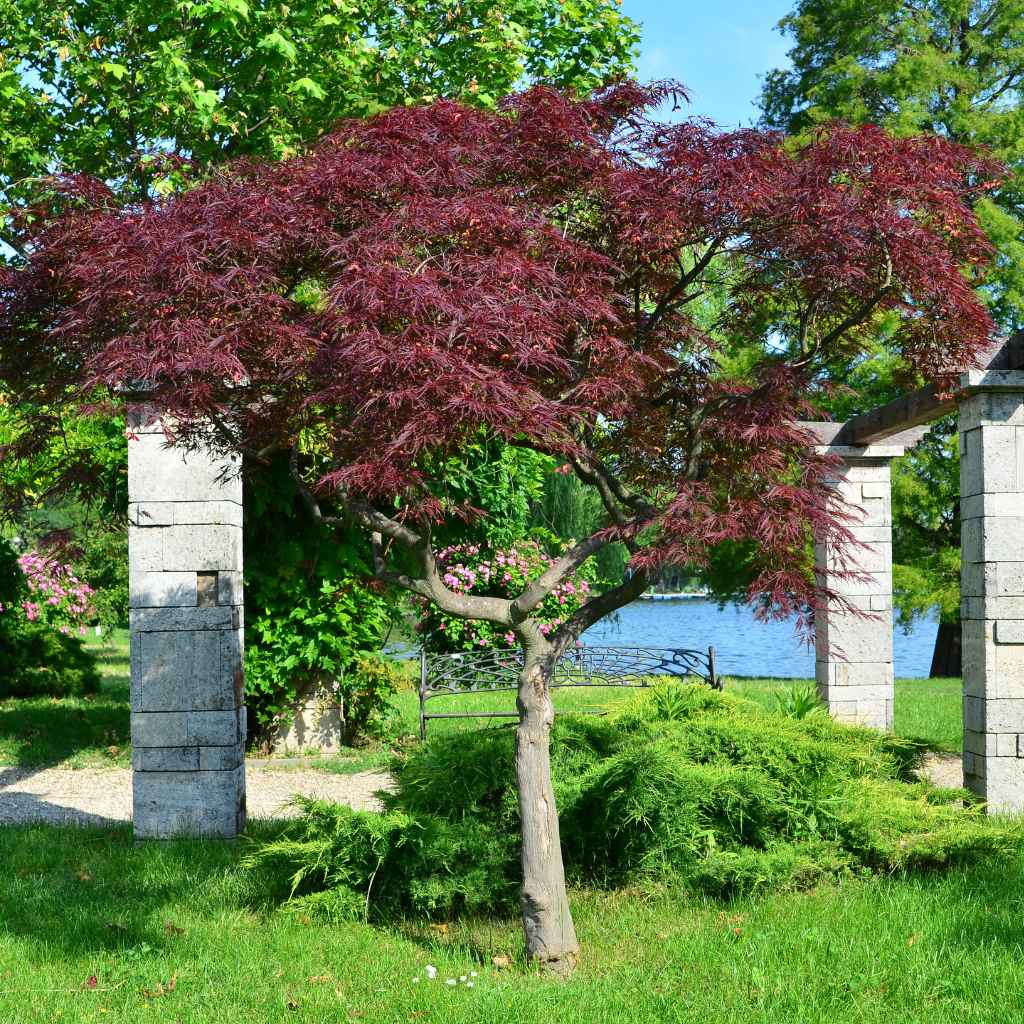
Japanese Maples are typically small to medium-sized deciduous trees, rarely growing taller than 20-25 feet. They are prized for their elegant form, graceful branching, and the stunning colors of their leaves, which can range from vibrant green to deep red, orange, and purple, especially in the fall. Many varieties have finely dissected leaves that add a delicate texture to the landscape.
These trees are often used as specimen plants in gardens due to their ornamental appeal. They are also popular for use in rock gardens, Japanese gardens, and as understory trees in woodland settings. Their relatively slow growth rate and manageable size make them suitable for smaller yards and urban landscapes.
They prefer partial shade and well-drained, slightly acidic soil.
Their growth habits mean that dogs might have access to the lower branches and fallen leaves. The ornamental nature of the tree means it’s frequently planted in areas where pets might roam. Therefore, understanding “Is Japanese Maple Toxic to Dogs?
Safety Facts” is directly relevant to how and where these trees are commonly used in landscaping.
The fact that they are deciduous means that leaf fall is seasonal, with the highest potential for ingestion occurring in autumn. However, even in their bare winter state, the branches and wood are still present and accessible.
Comparison Table Of Plant Toxicity
To further clarify the safety of Japanese Maples, here is a comparison table of common garden plants and their general toxicity levels to dogs. This provides a quick visual reference.
| Plant Name | Scientific Name | General Toxicity To Dogs | Primary Concerns |
|---|---|---|---|
| Japanese Maple | Acer palmatum | Low (Mild gastrointestinal upset if large amounts ingested) | Leaves and seeds (saponins) |
| Tulip | Tulipa spp. | Moderate to High | Bulbs (alkaloids) – vomiting, diarrhea, drooling |
| Daffodil | Narcissus spp. | Moderate to High | Bulbs (alkaloids) – vomiting, diarrhea, drooling, heart issues |
| Oleander | Nerium oleander | Very High | All parts (cardiac glycosides) – severe heart problems, death |
| Sago Palm | Cycas revoluta | Very High | All parts, especially seeds (cycasin) – liver failure, death |
| Hostas | Hosta spp. | Low | Mild gastrointestinal upset if ingested |
This table clearly shows that while some plants pose significant threats, the Japanese Maple ranks much lower on the toxicity scale. This makes it a much more pet-friendly option compared to many other popular garden plants. This comparative view is essential for understanding “Is Japanese Maple Toxic to Dogs?
Safety Facts.”
Is Japanese Maple Toxic To Dogs Safety Facts For Breeders And Shelters
For breeders and shelters, ensuring the safety of animals in their care is paramount. When acquiring new animals or managing environments with plants, having clear information is vital. The question “Is Japanese Maple Toxic to Dogs?
Safety Facts” is one that might arise in diverse environments, from a breeder’s home garden to a shelter’s outdoor run. This section provides crucial details for these professional settings.
Creating Safe Outdoor Spaces For Dogs
Designing outdoor spaces for dogs requires careful consideration of their environment. This includes the plants that are present. When assessing “Is Japanese Maple Toxic to Dogs?
Safety Facts,” breeders and shelters should prioritize plants that are known to be safe or pose minimal risk. While Japanese Maples are generally low-risk, complete avoidance of any potential ingestible material is always the safest bet in a professional setting.
When creating safe outdoor runs or enrichment areas, shelters and breeders often opt for plants that are non-toxic or have a very low toxicity profile. This might include plants like Hostas, certain grasses, or edible herbs that dogs can safely interact with. The goal is to provide an engaging environment without introducing hazards.
If Japanese Maples are already present in an area where dogs will be housed, owners must ensure robust fencing or barriers are in place. This physically prevents dogs from accessing the trees and ingesting any part of them. Regular checks of the fences for any damage or gaps are also essential.
The focus should always be on creating a secure and predictable environment where the health and safety of every animal are the top priority. This proactive approach minimizes risks associated with any plant, including those generally considered safe like the Japanese Maple.
Educating Staff And Volunteers
In any facility caring for animals, educating staff and volunteers is a critical component of ensuring safety. When it comes to plants and potential hazards, everyone needs to be on the same page. This is especially important when addressing questions like “Is Japanese Maple Toxic to Dogs?
Safety Facts.”
Training should cover basic plant identification and common toxicities. This includes understanding which plants in the facility’s grounds or used for enrichment are safe and which are not. For Japanese Maples, staff should be informed that while not highly toxic, ingestion of large amounts can cause mild stomach upset.
This education should also include what to do if an animal is suspected of ingesting a harmful plant. This means knowing who to contact, how to monitor the animal, and what information to provide to a veterinarian. Clear protocols reduce confusion and ensure prompt, effective action.
Regular refreshers on these safety protocols can help maintain a high level of awareness. This collective knowledge creates a safer environment for all animals, reinforcing the importance of accurate information about plant safety.
Sourcing Pet-Safe Plants For Enrichment
When providing enrichment for dogs, especially in controlled environments like shelters or breeding facilities, choosing pet-safe plants is important. This ensures that their exploratory nature doesn’t lead to accidental poisoning. The question “Is Japanese Maple Toxic to Dogs?
Safety Facts” guides these choices, often leading away from even mildly concerning plants.
Many organizations and veterinary bodies provide lists of pet-safe plants that can be used in yards or for canine enrichment. These lists typically include plants that are known to be non-toxic or have such a low level of toxicity that accidental ingestion poses minimal risk. Examples include certain types of ferns, herbs like rosemary and mint, and some ornamental grasses.
For Japanese Maples, while they might be beautiful, breeders and shelters might choose to use plants with an even clearer record of being 100% safe to avoid any possibility of ingestion-related issues. The emphasis is on eliminating risk as much as possible.
When sourcing plants, it’s always wise to verify their safety with a reliable source, such as a veterinarian or a trusted horticultural expert. This due diligence ensures that the enrichment provided is both engaging and entirely safe for the animals.
Frequently Asked Questions
Question: Are all maple trees toxic to dogs
Answer: Not all maple trees are equally toxic. While some maple varieties, like the Red Maple and Silver Maple, can pose a higher risk due to certain compounds in their leaves, the Japanese Maple (Acer palmatum) is generally considered to have a low toxicity level, with only mild gastrointestinal upset possible if large amounts are ingested.
Question: What happens if my dog eats a Japanese Maple leaf
Answer: If your dog eats a small amount of a Japanese Maple leaf, they will likely experience no symptoms at all. If they consume a larger quantity, they might experience mild gastrointestinal upset such as vomiting or diarrhea. These symptoms are usually temporary and resolve on their own.
Question: Are the seeds of Japanese Maple trees dangerous to dogs
Answer: The seeds of Japanese Maples do contain saponins, similar to the leaves. While they are not considered highly toxic, ingesting a very large number of seeds could potentially lead to mild gastrointestinal upset in dogs. For most dogs, occasional accidental consumption of a few seeds is unlikely to cause any problems.
Question: How can I tell if my dog is having a reaction to a plant
Answer: Signs of plant ingestion reactions in dogs can include vomiting, diarrhea, excessive drooling, lethargy, loss of appetite, and abdominal pain. If you notice any of these symptoms after your dog has potentially eaten a plant, it’s important to monitor them closely and contact your veterinarian if the symptoms are severe or persistent.
Question: What should I do if my dog eats a highly toxic plant
Answer: If you suspect your dog has eaten a highly toxic plant, contact your veterinarian or an animal poison control center immediately. Do not try to induce vomiting unless instructed by a professional. Be prepared to provide the name of the plant and an estimate of how much was ingested.
Prompt veterinary care is crucial in such situations.
Summary
The key takeaway regarding Is Japanese Maple Toxic to Dogs? Safety Facts is that these beautiful trees are generally considered safe. While large ingestions of leaves or seeds can cause mild stomach upset, severe poisoning is highly unlikely.
Knowing the signs of mild illness and practicing preventative measures can ensure your dog’s safety while enjoying your Japanese Maple.