Is MDF Bad for Your Health: Unveiling the Truth
Is MDF bad for your health? This question might have crossed your mind, especially if you’re planning to remodel your home or office.
MDF, or Medium-Density Fiberboard, is a popular choice in construction and furniture due to its affordability and versatility. But, beneath its polished surface, could there be hidden health risks lurking? Imagine breathing in harmful particles every time you enter a room.
This unsettling thought might make you question the materials surrounding you daily. We all want to ensure our environments are safe, particularly where we live and work. Your health and safety are paramount, and understanding the potential risks of MDF is crucial. Stay with us as we delve into the facts about MDF, unravel the myths, and equip you with knowledge to make informed decisions. Discover whether MDF is a silent threat or just another misunderstood material. Your health is worth it. Keep reading to find out more.

Credit: m.youtube.com
What Is MDF?
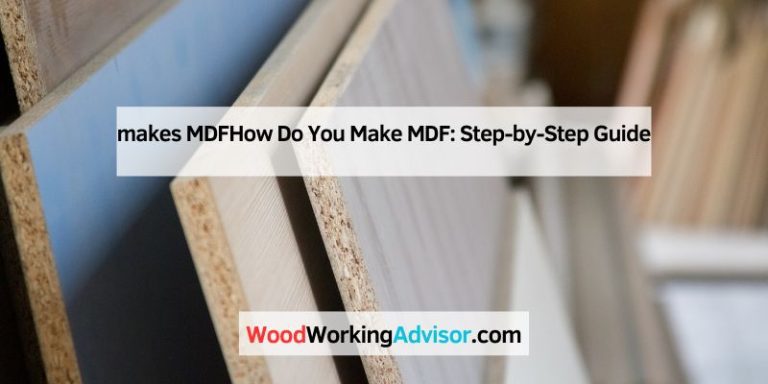
MDF stands for Medium-Density Fiberboard. It is a type of engineered wood. MDF is made from wood fibers and resin. These materials are pressed together. It is denser than plywood. MDF is used in furniture and cabinets. It is cheaper than solid wood. MDF is smooth and easy to paint. It does not have grain like real wood.
Some people worry about MDF. They think it might be bad for health. MDF can release formaldehyde gas. Formaldehyde can cause eye irritation. It can also irritate the throat. Using MDF in dry places is safer. Keep rooms well ventilated. This reduces formaldehyde risks. MDF is safe when used correctly.
How MDF Is Made
MDF, or Medium Density Fiberboard, is crafted from wood fibers. These fibers are mixed with resin and wax. The mixture forms a paste. This paste is then heated. After heating, it is pressed into sheets. The sheets become smooth and flat. MDF is often used for furniture. It can be painted or veneered.
MDF is cheaper than solid wood. It is also easy to shape. However, cutting MDF creates dust. This dust can be harmful. Always use a mask when cutting. MDF is not water-resistant. It can swell if wet. So, it is best for indoor use.
Common Uses Of MDF
MDF stands for Medium-Density Fiberboard. It is a popular material. Many people use MDF in their homes. MDF is used in making furniture. It is also used for cabinetry. You can find MDF in flooring too. MDF is great for wall panels. It is very smooth. MDF is easy to paint. That is why people like it. MDF is used in crafts. It is used in decorations too. MDF is cheap. So, people buy it a lot.
MDF is strong. It can hold weight well. It is used in making doors. It is also used in shelves. MDF is flexible. It is easy to cut. You can shape it how you want. Many people use it for DIY projects. MDF is not heavy. So, it is easy to move. MDF is everywhere. People love it for many reasons.

Credit: shapestack.com
Health Concerns With MDF
MDF releases formaldehyde gas into the air. This gas can cause health problems. Breathing it can make your eyes and nose sting. Some people get headaches or feel dizzy. Keeping your room fresh and airy helps. Try to use MDF products less. It’s better for your health.
Cutting MDF creates a lot of dust. This dust can get into your lungs. It might make you cough or sneeze. Always wear a mask when working with MDF. Clean the area well after cutting. Dust can also hurt your skin. Wash your hands after touching it.
Safety Standards And Regulations
MDF follows safety standards set by health agencies. These standards limit formaldehyde emissions. Formaldehyde is a chemical found in MDF. High levels can be harmful. It can cause eye and throat irritation. Regulations ensure MDF is safe for use. Manufacturers must meet these rules. They test products for safety. This helps protect users from harm.
Some countries have strict rules. They focus on reducing emissions. This makes MDF safer. Users should check for certifications. Certifications show that MDF meets safety standards. Look for labels on the product. Labels tell you if it’s safe to use. Choose products with good safety ratings. This ensures better health safety.
Alternatives To MDF
Many people worry about MDF. It can release harmful chemicals. Using other materials is safer. Solid wood is a good choice. It is strong and does not emit fumes. Plywood is another option. It is made from thin sheets of wood. It is sturdy and less toxic.
Bamboo is also a great alternative. It is eco-friendly and safe. It grows fast and needs less water. Particle board is cheaper than solid wood. It is made from wood chips. It is less harmful but not as strong.
Choosing these materials can help your health. They do not release bad gases. Make a safe choice for your home.
Tips For Safe MDF Use
Understanding MDF safety is crucial for health. Wear a mask when cutting MDF to avoid inhaling dust. Ensure proper ventilation in work areas to minimize exposure to potentially harmful formaldehyde emissions.
Ventilation Practices
MDF releases dust and fumes when cut. Good air flow is essential. Open windows and doors when working. Use fans to move air outside. This reduces dust exposure. Install air filters to capture particles. Keep the workspace clean. Regularly remove dust from surfaces. This prevents buildup. A clean space is safer.
Protective Equipment
Wearing safety gear is crucial. Dust masks protect your lungs. Safety goggles guard your eyes from particles. Gloves shield your hands from sharp edges. A long-sleeved shirt covers your arms. Ensure all gear fits well. Check for any damage before use. Replace worn-out equipment promptly. Proper gear keeps you safe.
Research On MDF Health Effects
MDF stands for Medium Density Fiberboard. It’s made from wood fibers and glue. Studies show that MDF can release formaldehydeIndoor air quality is important. Using MDF in homes can change it. Ventilation can help reduce risks. Choosing low-emission MDF may be safer. Always check labels when buying MDF products. Understanding these effects can protect health.
Frequently Asked Questions
What Are The Dangers Of MDF?
MDF releases formaldehyde, which can cause respiratory issues and skin irritation. Cutting MDF produces harmful dust. Use protective gear when handling. It is flammable and not water-resistant, leading to potential damage. Always ensure proper ventilation while working with MDF to minimize health risks.
Why Is MDF Banned In America?
MDF is not banned in America. Concerns exist due to formaldehyde emissions during manufacturing. These emissions may pose health risks. Regulations focus on reducing formaldehyde levels. Compliance with safety standards is crucial for MDF producers. Always check local guidelines for MDF usage and safety recommendations.
Should You Avoid MDF?
MDF, or Medium-Density Fiberboard, can emit formaldehyde, a harmful chemical. Consider alternatives like solid wood for better air quality. MDF is less durable and may not suit humid areas. Assess your needs and choose wisely.
Is MDF Safe To Have In A Home?
MDF is safe if properly sealed and used in well-ventilated areas. It may emit formaldehyde, a harmful chemical. Choose low-emission MDF products to reduce risks. Regular ventilation and sealing edges help minimize exposure. It’s essential to follow safety guidelines for a healthier home environment.
Conclusion
MDF is common in furniture and construction. Concerns about health risks exist. Its dust can irritate lungs and eyes. Formaldehyde emissions may cause headaches or allergies. Safer handling is key. Use masks and proper ventilation when cutting. Choose MDF products with low formaldehyde levels.
Awareness is crucial for health safety. Consider alternatives if worried. Always prioritize well-being in your home. Understanding MDF’s impact helps make informed choices. This knowledge ensures you balance safety with design needs. Stay informed, stay safe.