How Long Does MDF Furniture Last? Lifespan by Piece Type
MDF furniture typically lasts 5 to 20 years — but the range depends heavily on which piece you own. A flat-pack dresser held together with plastic cam locks wears out years before glued-and-screwed built-in cabinetry does. Put the wrong piece in a high-moisture room and you can cut that lifespan in half. This guide breaks down realistic lifespans by furniture type, what actually fails first, and the specific fixes that add years to each.
Quick Answer
Most MDF furniture lasts 5 to 20 years. Lightweight, ready-to-assemble pieces (dressers, bookshelves) built with cam-lock hardware average 5–8 years; painted or laminate cabinetry with glued joints averages 12–20 years in a dry room. Furniture kept in bathrooms, kitchens, or laundry rooms loses years fast because MDF swells wherever it absorbs moisture.
What Actually Determines How Long MDF Furniture Lasts
Best MDF Furniture Repair Pick
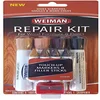
Weiman Wood Repair System Kit — Filler Sticks + Touch-Up Markers
Fills chips and scratches at MDF furniture edges and corners before moisture can get into the exposed core.
- Best for: chipped edges and corner damage on painted or laminate MDF furniture
- Why we picked it: matches the “seal exposed edges” fix that extends lifespan most (see below)
- Main drawback: color-matching stained (not painted) MDF takes some trial and error
Compare more furniture-lifespan hardware
 Option 1 Scotch Felt Furniture Pads (162-Pack)
|
 Option 2 Anwenk Adjustable Furniture Levelers
|
 Option 3 Sunxeke Cam Lock Furniture Hardware Kit
|
As an Amazon Associate we earn from qualifying purchases.
Four things decide whether a piece of MDF furniture dies in three years or lasts twenty: how it was joined together (cam locks vs. screws vs. glue), how much moisture it’s exposed to, how heavy a load it carries, and how it was finished at the edges. Board quality matters too, but a well-built piece from mid-grade MDF regularly outlasts a poorly-assembled piece from premium board.
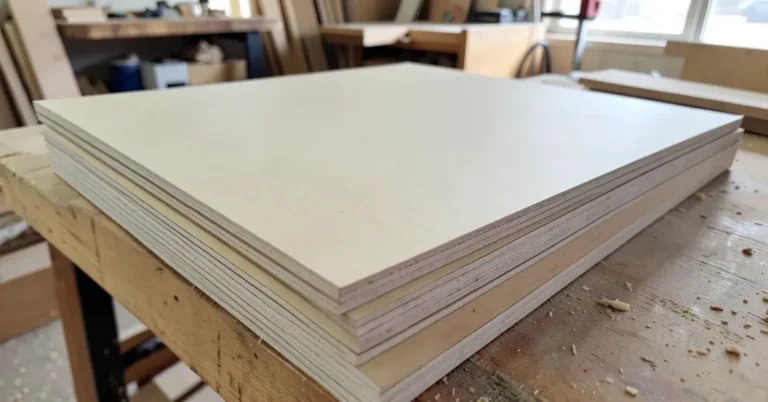
MDF is a manufactured panel made from wood fibers, wax, and resin pressed into dense, uniform sheets. It holds screws and glue well, cuts cleanly, and has no grain or knots to interrupt a painted finish — which is exactly why it’s used for so much flat-pack and built-in furniture, and why it shows up throughout our full MDF material guide. What it isn’t good at is handling water or absorbing repeated stress at a joint, and those two weaknesses are what end most MDF furniture’s life early.
MDF Furniture Lifespan by Piece Type
Generic “MDF lasts X years” answers miss the point — a $40 flat-pack nightstand and a professionally built-in bathroom vanity are both “MDF furniture,” but they age at completely different rates. This is the breakdown we haven’t seen published elsewhere, built from how each furniture type is typically constructed and where it’s normally installed:
| Furniture Type | Typical Construction | Realistic Lifespan | Main Failure Point |
|---|---|---|---|
| Flat-pack dresser / wardrobe | Cam-lock + dowel, laminate wrap | 5–8 years | Cam locks loosen, edges chip |
| Bookshelf / decorative shelving | Screwed, light load | 8–12 years | Shelves sag under weight over time |
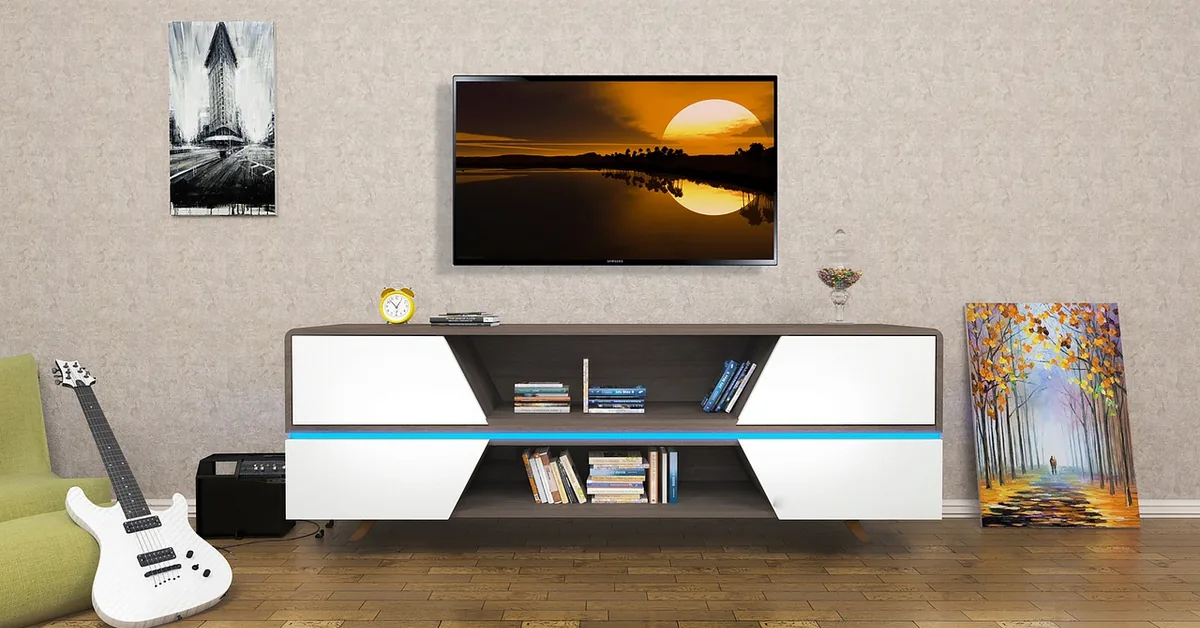
| TV stand / media console | Screwed, moderate load | 8–12 years | Joints loosen from repeated moving |
| Kitchen or bathroom cabinetry (painted MDF) | Glued + screwed, sealed edges | 10–15 years | Swelling at water-exposed seams |
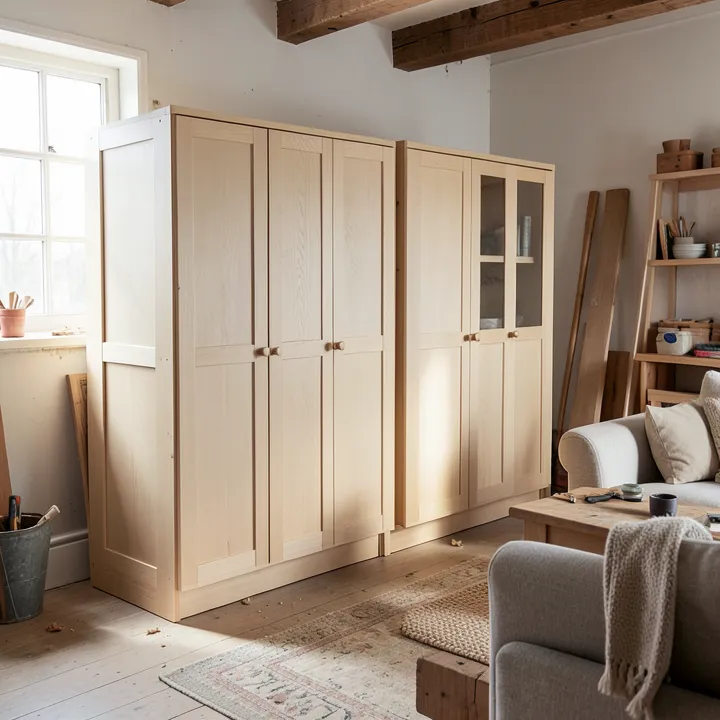
| Built-in cabinetry (site-finished, fully sealed) | Glued, professionally sealed on all faces | 15–20+ years | Rare — mostly cosmetic finish wear |
| Outdoor / patio pieces | Any | Under 2 years | Moisture absorption, structural failure — not recommended outdoors at any grade |
Notice the pattern: the pieces built with permanent joints (glue, screws driven into pre-drilled holes, sealed edges) consistently outlast the pieces built to be knocked down and reassembled. That’s the single biggest lever you actually control when buying or maintaining MDF furniture.
Furniture Assembly Quality Matters More Than the Board Itself
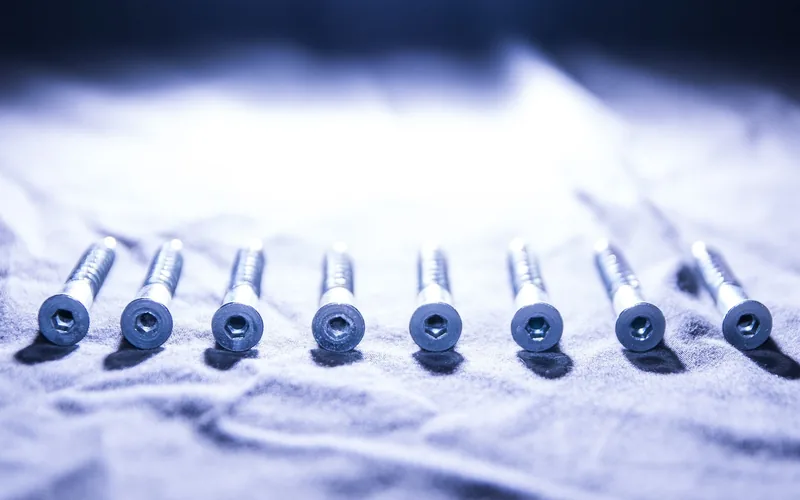
Ready-to-assemble MDF furniture relies on cam locks — a plastic or metal cam that hooks into a barrel-shaped nut set into the panel. They’re quick to install but they’re also the weakest link: every time the piece is bumped, leaned on, or moved, the cam works slightly looser. Once a cam lock strips out, the joint has nothing else holding it together, since there’s usually no glue backing it up.
Furniture built with screws driven into pre-drilled pilot holes plus glue at the joint doesn’t have this failure mode — the glue keeps carrying the load even if a screw backs out slightly. That’s why built-in and site-assembled MDF cabinetry consistently lasts longer than flat-pack pieces made from the same board.
Signs Your MDF Furniture Is Wearing Out
- Loose or wobbly joints — the cam lock has worn its groove smooth and can no longer hold tension. Compare cam-lock (RTA) vs. glued construction in our HDF vs. MDF breakdown, since board density affects how well screws and cam locks hold over time.
- Swelling or bubbling along an edge or seam — moisture has reached the exposed fiber core. See how to seal MDF against moisture before this becomes a structural problem.
- Sagging shelves that no longer sit level — sustained overload has permanently bent the panel.
- Chipped or splintered edges, especially at corners that get bumped often.
- Paint or laminate peeling away from the substrate, usually starting at a seam.
One or two of these on an otherwise solid piece is usually a repair, not a replacement — a filler stick and touch-up marker (above) fixes a chipped edge in minutes. Swelling at a structural joint, or a shelf that’s visibly bowed under normal loads, is a sign the piece is past the point where repair is worth the time. For the full breakdown of what MDF is good and bad at before you buy your next piece, see our MDF advantages and disadvantages guide.
How to Extend the Lifespan of MDF Furniture
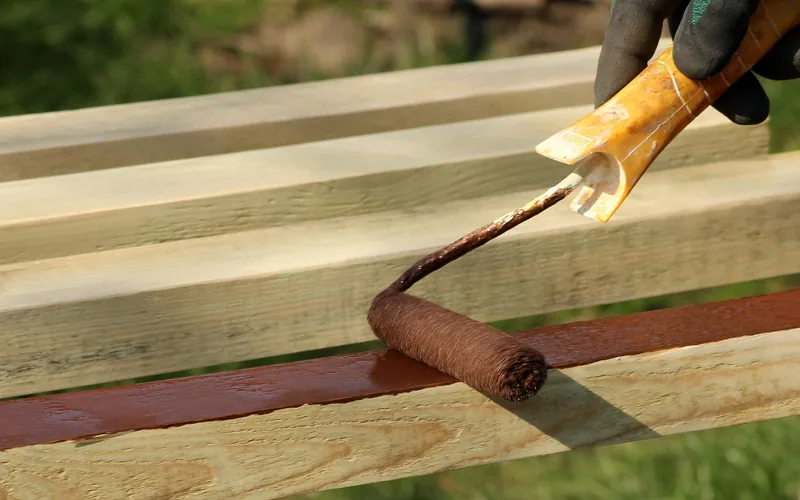
- Seal every exposed edge and seam: factory-cut edges and DIY cuts are the most common entry point for moisture — edge banding, paint, or varnish closes that gap.
- Control humidity in the room: keep MDF furniture out of bathrooms, laundry rooms, and basements unless it’s rated moisture-resistant and fully sealed.
- Add felt pads under legs and feet: this stops the dragging force that gradually loosens leg joints, not just floor scratches.
- Retighten cam locks and hardware every 6–12 months: a quarter-turn on each cam before it fully loosens prevents the stripped-groove failure that ends most flat-pack furniture.
- Keep it away from direct sun and heat sources: radiators, vents, and south-facing windows fade finishes and can warp thin panels over years.
- Lift furniture when moving it, never drag: dragging puts lateral stress directly on leg joints — the exact stress cam locks are worst at resisting.
📊 Low-quality MDF can fail in as little as one year, while high-quality, properly sealed MDF can hold up for a decade or more under the same conditions — the board grade matters, but as shown above, how the piece is assembled and finished matters just as much. Source: RiseDesk MDF durability analysis, 2026.
“In our shop, flat-pack MDF dressers that shipped with plastic cam locks instead of metal ones consistently failed at the joint within two years of normal use. Swapping in metal cam-lock hardware during reassembly — before the piece is even used — is the single upgrade that’s added the most years to furniture like this.”
— Woodworking Advisor team, from repeated furniture repairs
MDF Furniture vs. Solid Wood: Which Should You Buy?
The right material depends on the room and how the piece will be used — not a blanket “MDF is worse” rule. For the general density-grade breakdown of MDF vs. plywood vs. solid wood as materials, see our MDF lifespan and density guide. For furniture buying decisions specifically:
| Room / Use Case | Better Choice | Why |
|---|---|---|
| Bedroom dresser, low-moisture living room | MDF | Stable environment, smooth painted finish, budget-friendly |
| Bathroom or laundry room cabinetry | Solid wood or moisture-resistant MDF, fully sealed | Standard MDF swells fast with repeated humidity exposure |
| Heirloom or high-load furniture (dining tables, heavy bookcases) | Solid wood | Higher structural strength under sustained weight and years of use |
| Painted built-ins and cabinetry | MDF | No grain telegraphing through paint; smoother finish than solid wood or plywood |
| Outdoor or patio furniture | Solid wood, teak, or weather-rated composite | MDF is not viable outdoors at any grade |
Frequently Asked Questions
What is the average lifespan of MDF furniture?
Most MDF furniture lasts 5 to 20 years. Flat-pack pieces built with cam locks average 5–8 years, while glued and sealed cabinetry averages 12–20 years. The room it’s kept in and how well the edges were sealed matter as much as the furniture type itself.
Should I avoid buying MDF furniture?
No, not across the board. MDF furniture is a practical choice for bedrooms, living rooms, and painted built-ins where moisture isn’t a concern. Avoid it for bathrooms, laundry rooms, and any outdoor use unless the piece is rated moisture-resistant and fully sealed.
Is MDF furniture actually durable?
Yes, for indoor use. MDF furniture resists warping and cracking better than particleboard and holds paint and laminate finishes evenly. It’s less impact-resistant than solid wood and considerably less water-resistant, so durability depends heavily on how and where the piece is used.
What are the main disadvantages of MDF furniture?
The three biggest drawbacks are: it swells and loses structural integrity when it gets wet, it’s less impact-resistant than solid wood, and it can off-gas formaldehyde from the resin binder in cheaper, unsealed boards. Choosing sealed, low-emission MDF and keeping it dry addresses all three.
Does MDF furniture hold up in a kitchen or bathroom?
Only if it’s moisture-resistant MDF with every edge and face fully sealed — standard MDF in these rooms usually shows swelling at seams within a few years. Solid wood or moisture-resistant MDF is the safer choice for cabinetry near sinks, tubs, or steam.
How do I know whether to repair or replace MDF furniture?
Repair it if the damage is cosmetic — a chipped edge, a loose cam lock, minor scuffing. Replace it if you see swelling at a structural joint, a permanently sagging shelf, or delamination spreading across a face, since those indicate the fiber core itself has broken down.
Conclusion
How long your MDF furniture lasts comes down to what type of piece it is and how well its joints and edges were sealed — not just the board grade. A flat-pack dresser with cam locks needs retightening every year to hit its 5–8 year range; sealed, glued cabinetry can run 15–20 years with almost no maintenance. Match the piece to the room, seal every exposed edge, and check the hardware before it fails instead of after.
Sponsored / affiliate links. As an Amazon Associate I earn from qualifying purchases. I may earn additional commission from eligible campaigns.