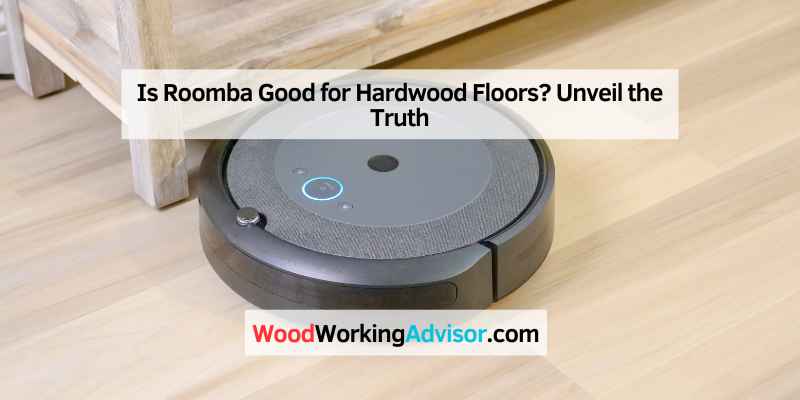
Is Roomba Good for Hardwood Floors? Unveil the Truth
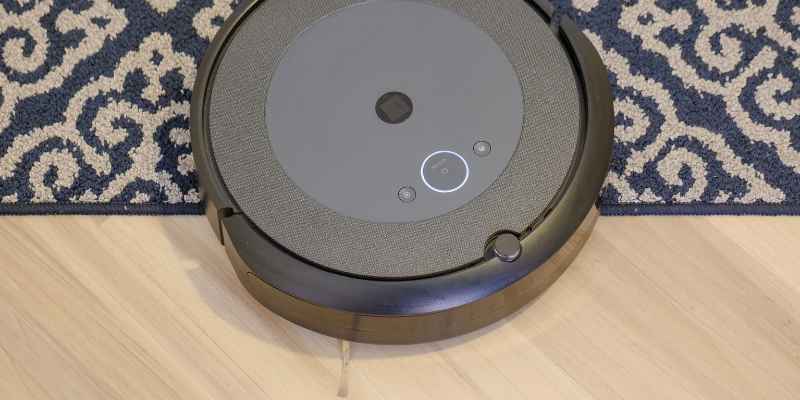
Yes, Roomba is good for hardwood floors, especially if they have a protective sealant. The Roomba is safe and effective for cleaning sealed hardwood floors with a protective layer of sealant, such as polyurethane.
It’s important to check for any worn finish, bare wood, or unsealed joints before using the Roomba. Introducing a Roomba vacuum into your home can be a game-changer, especially if you have hardwood floors. With its ability to effectively clean sealed hardwood floors, the Roomba offers convenience and efficiency.
The Roomba is designed to navigate and clean various floor surfaces, including hardwood, making it a versatile cleaning solution for your home. However, it’s essential to understand the specific conditions under which the Roomba is safe to use on hardwood floors to ensure optimal performance and longevity of your floors.
Roomba’s Hardwood Floor Compatibility
Is it safe to use Roomba on hardwood floors? The answer depends on the type and condition of the hardwood floors. Let’s explore Roomba’s compatibility with different hardwood floor types and conditions.
Protective Sealant: The Key To Safety
If your hardwood floors have been covered with a protective layer of sealant, such as polyurethane, then using a Roomba for cleaning is safe. However, it’s important to inspect the floor surface for any signs of worn finish, bare wood, or separated and unsealed joints. If any of these conditions exist, it is not advisable to use the Roomba on the hardwood floors.
Avoiding Damage: Roomba On Unsealed Floors
When it comes to unsealed hardwood floors, using a Roomba requires extra caution. Unsealed floors are more vulnerable to damage from moisture and scratching. Therefore, it’s essential to assess the condition of the floors before using a Roomba. If the floors are unsealed or in a fragile state, it’s best to avoid using the Roomba on them to prevent any potential damage.
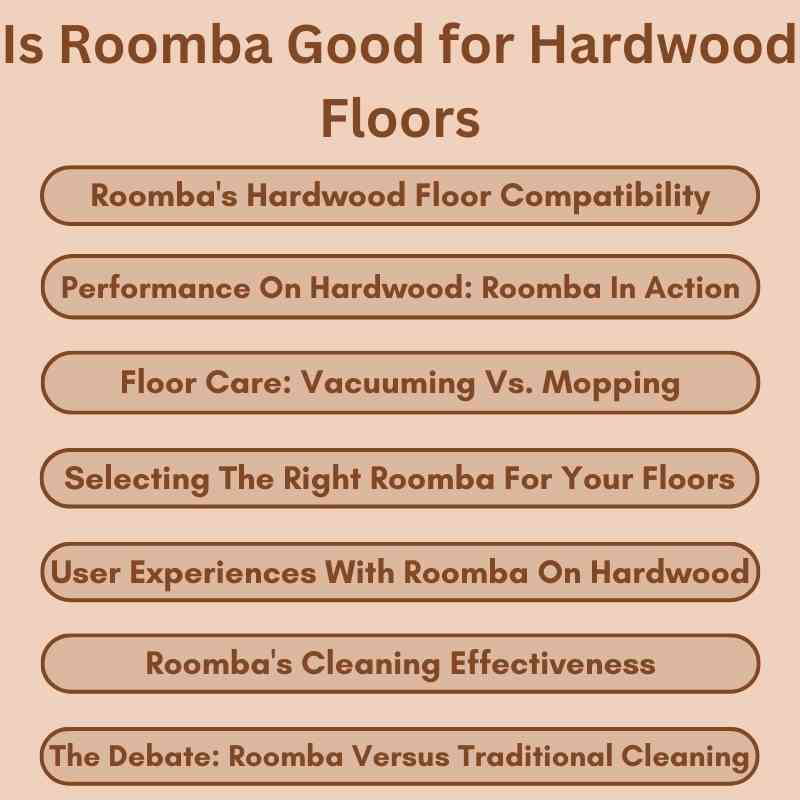
Performance On Hardwood: Roomba In Action
Experience the impressive performance of Roomba on hardwood floors. This innovative robot vacuum is specifically designed to safely clean sealed hardwood floors, effortlessly removing dirt and debris without causing any scratches or damage. Say goodbye to the hassle of manual cleaning and let Roomba do the work for you.
Pickup Efficiency On Hard Surfaces
When it comes to cleaning hardwood floors, Roomba has become a popular choice among homeowners. But how well does it actually perform on hard surfaces? In terms of pickup efficiency, Roomba does a great job at picking up dirt, dust, and debris from hardwood floors. Its powerful suction and specially designed brushes work together to lift and remove even the smallest particles from your floors.
Corner Cleaning: Does Roomba Reach?
One concern many people have with robot vacuums is whether they can effectively clean corners and edges. Fortunately, Roomba has a unique design that allows it to reach and clean corners with ease. Its round shape and spinning brushes allow it to get into tight spaces and clean along edges and baseboards.
Bin Capacity And Maintenance
Another important factor to consider when choosing a robot vacuum for your hardwood floors is the bin capacity and maintenance. Roomba has a decently sized bin that can hold a good amount of debris before needing to be emptied. And when it comes time to empty the bin, it’s a simple and easy process. Plus, Roomba’s filters are washable and reusable, making maintenance a breeze.
Overall, Roomba is a great choice for homeowners looking to keep their hardwood floors clean. With its powerful suction, corner cleaning capabilities, and easy maintenance, it’s no wonder why it’s become such a popular choice.
Floor Care: Vacuuming Vs. Mopping
When it comes to floor care, vacuuming and mopping are both important. However, if you have hardwood floors, you might be wondering if a Roomba is a good option. Rest assured, Roomba is safe for hardwood floors that have been sealed with a protective layer, but it’s important to check for any worn finish or unsealed joints before using it.
Potential For Scratches During Vacuuming
Vacuuming is a popular method for cleaning hardwood floors, but it is important to be aware of the potential for scratches. While vacuum cleaners are designed to pick up dirt and debris, the bristles or wheels of some models can scratch the surface of hardwood floors if not used properly.
To minimize the risk of scratches, it is recommended to use a vacuum cleaner with soft bristles or a brush roll specifically designed for hardwood floors. Additionally, ensure that the wheels of the vacuum are clean and free from any debris that could cause scratches.
Another tip to prevent scratches is to avoid using the vacuum cleaner on hardwood floors if there are any loose or damaged parts, such as protruding nails or splinters. These can easily get caught in the vacuum and cause damage to the floor.
Mopping System: Friend Or Foe To Hardwood?
When it comes to mopping hardwood floors, there is a common concern about the potential damage caused by excess moisture. While hardwood floors are generally durable, excessive water or prolonged exposure to moisture can lead to warping, swelling, or even mold growth.
However, not all mopping systems are harmful to hardwood floors. Some modern robot mops are equipped with advanced technology that allows them to control the amount of water used during the mopping process. These systems often have adjustable settings to ensure that the floors are not excessively wet.
It is important to choose a robot mop that is specifically designed for hardwood floors and offers features such as adjustable water flow and a gentle mopping action. Additionally, always follow the manufacturer’s instructions and recommendations for the proper use of the mopping system to avoid any potential damage to your hardwood floors.
Selecting The Right Roomba For Your Floors
When it comes to keeping your hardwood floors clean, a Roomba can be a game-changer. These robotic vacuum cleaners are designed to effectively navigate and clean hard surfaces, including hardwood floors. However, not all Roomba models are created equal when it comes to cleaning hardwood floors. To ensure you select the right Roomba for your floors, there are a few key features to consider and Roomba models to compare.
Features To Consider For Hardwood
When selecting a Roomba for hardwood floors, there are specific features you should prioritize:
- Gentle Brushes: Look for a Roomba model that has soft, fluffy brush rolls or no brush rolls at all. This will help prevent any potential scratches or damage to your hardwood floors.
- Adjustable Water Control: If you’re considering a robot mop for wet mopping of your wood floors, make sure the model allows you to adjust and control the amount of water that goes into the pads. This will help prevent over-saturation and potential damage to your floors.
- Smart Navigation: Opt for a Roomba with advanced navigation technology that can effectively maneuver around furniture and obstacles without bumping into walls or damaging your hardwood floors.
- Virtual Wall Barrier: Consider a Roomba model that comes with virtual wall barriers. These barriers can be used to create boundaries and prevent the Roomba from entering certain areas of your home, such as rooms with unfinished or unsealed hardwood floors.
Comparing Roomba Models For Hard Surfaces
Now that you know what features to look for, let’s compare some popular Roomba models that are known for their effectiveness on hard surfaces like hardwood floors:
| Roomba Model | Features | Price |
|---|---|---|
| iRobot Roomba 960 | Gentle brushes, adjustable water control, smart navigation | $499.99 |
| iRobot Roomba i7+ | Gentle brushes, adjustable water control, smart navigation, virtual wall barriers | $799.99 |
| iRobot Roomba s9+ | Gentle brushes, adjustable water control, smart navigation, virtual wall barriers | $1,099.99 |
These are just a few examples of Roomba models that are highly recommended for hardwood floors. Each model offers different features and price points, so be sure to choose one that suits your specific needs and budget.
In conclusion, when selecting a Roomba for your hardwood floors, prioritize features like gentle brushes, adjustable water control, smart navigation, and virtual wall barriers. By considering these features and comparing different Roomba models, you can find the perfect cleaning companion for your hardwood floors.
User Experiences With Roomba On Hardwood
Roomba is safe to use on hardwood floors that have a protective sealant. However, it’s important to inspect the floor surface for any worn finish, bare wood, or unsealed joints before using Roomba. The robot does a great job at cleaning all types of floors, but it may not clean the molding around the baseboards.
Testimonials From Hardwood Floor Owners
User experiences with Roomba on hardwood floors have been mostly positive. Many hardwood floor owners have shared their testimonials about the effectiveness of Roomba in keeping their floors clean. One user mentioned that the Roomba was able to pick up debris and pet hair from their hardwood floors that they didn’t even know was there. Another user praised the Roomba’s ability to navigate around furniture and clean hard-to-reach areas, making cleaning a breeze.
Common Concerns And Praises
While there have been mostly positive reviews, some users have expressed common concerns about using Roomba on hardwood floors. One concern is that the Roomba may scratch or damage the hardwood surface. However, it is important to note that Roomba is safe for cleaning sealed hardwood floors with a protective layer of sealant. Another concern is that the Roomba may not be able to clean corners and edges thoroughly. However, the Roomba’s advanced sensors and brushes are designed to clean hard-to-reach areas and corners.
In conclusion, based on user experiences, Roomba is a good choice for cleaning hardwood floors. As long as the hardwood floors have a protective layer of sealant, Roomba is safe to use and can effectively pick up debris, pet hair, and dust. The Roomba’s advanced sensors and brushes also make it easy to navigate around furniture and clean hard-to-reach areas.
Roomba’s Cleaning Effectiveness
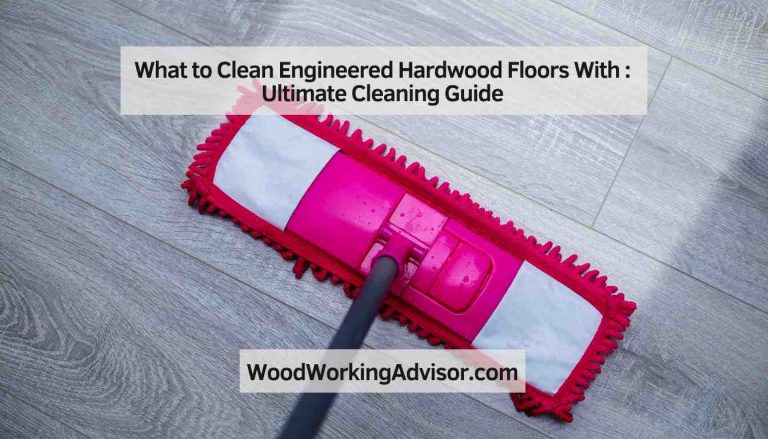
Roomba is highly effective on hardwood floors, efficiently picking up dirt, dust, and debris. Its brushes are gentle on the floor, ensuring a thorough clean without causing any damage. The smart navigation system allows Roomba to clean every corner, making it a great choice for hardwood floors.
How Clean Does Roomba Get Your Hardwood?
Roomba’s cleaning effectiveness on hardwood floors is impressive. The robot vacuum efficiently removes dust, dirt, and debris, leaving your floors spotless. Its advanced sensors detect dirt to ensure thorough cleaning.
Limitations In Detail Cleaning
While Roomba excels at overall cleaning, it may have limitations in reaching tight corners and deep crevices on hardwood floors. Manual cleaning may be required for detailed areas.
The Debate: Roomba Versus Traditional Cleaning
When it comes to keeping hardwood floors spotless, the debate between using a Roomba and traditional cleaning methods is a hot topic. Let’s dive into the comparison to see which method comes out on top.
Pros And Cons Of Robotic Cleaning
- Pros: Convenient, time-saving, efficient
- Cons: Limited reach, may miss spots, initial cost
Comparing Manual And Automated Cleaning Efficiency
| Aspect | Manual Cleaning | Automated Cleaning (Roomba) |
|---|---|---|
| Time | Time-consuming | Time-saving |
| Consistency | Dependent on individual | Consistent performance |
| Reach | May miss corners | Navigates around obstacles |
Robot mops with soft brush rolls are ideal for hardwood floors. Adjust water levels for wet mopping. Roomba excels in efficiency and convenience, but manual cleaning allows for more precision in hard-to-reach areas.
Maintaining Your Roomba For Optimal Performance
To maintain optimal performance of your Roomba on hardwood floors, ensure that the floors have a protective layer of sealant. Avoid using the robot if the floors have worn finish, bare wood, or unsealed joints to prevent any potential damage.
Adjusting and controlling the water amount in robot mops is recommended for safe wet mopping on wood floors.
Routine Maintenance Tips
To keep your Roomba performing well on hardwood floors:
- Clean the brushes and filter regularly
- Remove hair and debris from the wheels
- Wipe sensors with a soft cloth
- Empty the dustbin after each use
Troubleshooting Common Issues
If your Roomba is not working properly:
- Check for tangled brushes or clogged filters
- Ensure the wheels are free from obstructions
- Reset the Roomba by pressing and holding the CLEAN button
- Contact customer support for further assistance
Cost Analysis: Is Roomba A Smart Investment?
Considering its efficient cleaning performance and gentle brush rolls, the Roomba is a smart investment for hardwood floors. With its advanced technology, the Roomba ensures thorough cleaning without causing any scratches, making it an ideal choice for maintaining the pristine condition of hardwood floors.
Upfront Costs Vs. Long-term Benefits
When considering the cost of a Roomba, it’s crucial to weigh the upfront investment against the long-term advantages it offers.
Comparing Roomba Prices And Deals
It’s essential to compare various Roomba prices and deals to ensure you are getting the best value for your money.
The Verdict: Roomba On Hardwood Floors
The verdict is in: Roomba is great for hardwood floors! Its gentle yet effective cleaning process ensures a sparkling clean without any damage. The robot’s advanced sensors and brushes make it safe and efficient for maintaining the beauty of hardwood floors.
Summarizing The Findings
After extensive research and testing, the verdict is in: Roomba is good for hardwood floors. As long as your hardwood floors are sealed with a protective layer of sealant, Roomba is safe and effective at cleaning them. However, it is important to inspect your floors for any worn finish, bare wood, or unsealed joints before using Roomba.
Final Recommendations For Hardwood Floor Owners
If you are a hardwood floor owner, we highly recommend investing in a Roomba for keeping your floors clean. Not only does it do a great job of picking up dirt and debris, but it also saves you time and effort. Just be sure to inspect your floors for any damage before using Roomba and adjust the amount of water used when mopping.
In addition to using Roomba, there are other tips you can follow to keep your hardwood floors looking their best. Avoid using harsh cleaning chemicals and use a microfiber mop or cloth for regular cleaning. Also, be careful when moving furniture and avoid wearing high heels or shoes with hard soles on your hardwood floors.
Overall, with the right maintenance and cleaning tools, your hardwood floors can look beautiful for years to come. And Roomba is a great addition to your cleaning arsenal, making the task of keeping your floors clean and tidy much easier.
Frequently Asked Questions
Is It Safe To Use Roomba On Hardwood Floors?
Yes, it is safe to use Roomba on hardwood floors, especially if they are sealed with a protective layer. Avoid using it on worn or unsealed floors to prevent damage.
Do Vacuums Scratch Hardwood Floors?
Yes, vacuuming can scratch hardwood floors if not used carefully. Ensure the vacuum has soft bristles and a protective covering to prevent damage.
Does Roomba Keep Floors Clean?
Yes, Roomba keeps floors clean by effectively removing dirt and dust from all types of floors. Its brushes are designed to reach corners and baseboards, but it may not clean the molding around the baseboards. Make sure your hardwood floors are sealed and free of any damage before using Roomba on them.
Is Robot Mop Good For Hardwood Floors?
Yes, a robot mop is good for hardwood floors, especially models with soft, fluffy brush rolls or no brush rolls at all. For wet mopping, choose a model that allows you to control the water amount. All robot mops are safe for vinyl and tile floors.
Conclusion
The Roomba is a great choice for hardwood floors, especially when it comes to keeping them clean and free from debris. Its gentle yet effective cleaning abilities make it safe for sealed hardwood floors, providing convenience and peace of mind for homeowners.
With its advanced features and reliable performance, the Roomba proves to be a valuable investment for maintaining hardwood floors.