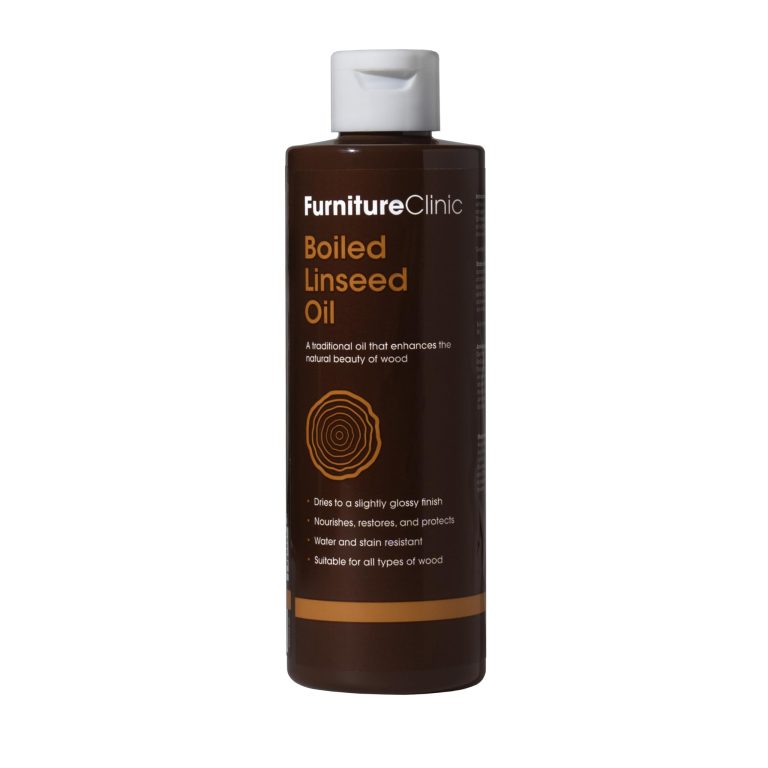
Is Teak Oil Food Safe?: Essential Facts You Need to Know
Yes, teak oil can be food safe, but it depends. Not all teak oils are suitable for surfaces that come into contact with food.
Teak oil is a popular choice for wood finishing. It enhances the wood’s natural beauty and provides protection. However, if you plan to use it on kitchen items like cutting boards or utensils, you must be cautious. Some teak oils contain chemicals that may not be safe for food contact.
Understanding the ingredients and their safety is crucial. In this blog, we will explore the different types of teak oil and their safety for food-related uses. This will help you make informed decisions for your kitchen projects. Stay tuned to learn more about ensuring your wooden items are both beautiful and safe.
Introduction To Teak Oil
Teak oil is used on wood. It helps protect and enhance the wood. It is made from a blend of oils. Some blends include linseed oil and tung oil. Teak oil is not made from teak trees. It is named for its use on teak wood.
Teak oil is often used on outdoor furniture. It protects the wood from weather. Many people use it on boats. It keeps the wood looking nice. It can also be used on indoor furniture. It gives the wood a rich look. Some use it on cutting boards and utensils. Always check if the oil is food safe before using it on items that touch food.

Credit: www.uaustral.edu.pe
Composition Of Teak Oil
Teak oil has many natural ingredients. Most of it comes from plants. Linseed oil is a common ingredient. Tung oil is used too. These oils help to protect wood. They add shine and keep it strong. Some teak oils have other natural oils. These can be lemon oil or even beeswax. All these natural parts make teak oil useful. It helps wood look better and last longer.
Some teak oils have chemical additives. These chemicals help the oil work better. Solvents are added to make it dry fast. Fungicides are added to stop mold. UV protectors keep wood safe from the sun. These chemicals can make teak oil less safe for food. Always check the label. Look for warnings and safety notes. This helps you know if the teak oil is safe.
Teak Oil And Food Safety
Teak oil is not always safe for food contact. The FDA has rules. These rules cover finishes used on food surfaces. Not all teak oils meet FDA standards. It’s best to check labels. Look for FDA-approved teak oil for food safety. Always follow the instructions on the product.
Some teak oils contain chemicals. These can be harmful if ingested. Using teak oil on cutting boards may cause health risks. It can mix with food. Choose food-safe products to avoid these risks. Always ensure good ventilation when applying teak oil. This reduces inhalation risks.

Credit: lccforhome.com
Alternatives To Teak Oil
Choosing food-safe finishes is important for kitchen items. Mineral oil is a good choice. It is safe and easy to use. Beeswax can also be used. It gives wood a nice shine and is safe. Shellac is another option. It is made from natural resin and safe for food contact.
Tung oil is a natural choice. It is food-safe and strong. Walnut oil is also good. It is safe and gives a nice finish. Coconut oil can be used too. It is safe and smells nice. These oils keep wood looking good and safe for food use.
How To Identify Safe Teak Oil
Check the label for “food safe” or “non-toxic”. These are important. Look for any certifications on the bottle. Avoid oils with unknown chemicals. Choose oils with simple ingredients.
Purchase from well-known brands. They often provide clear information. Research customer reviews. Positive reviews can indicate safety. Avoid brands with mixed reviews or no reviews.

Proper Usage Of Teak Oil
Apply teak oil with a clean cloth. Rub the oil into the wood. Make sure the oil goes deep into the grain. Let it sit for 15 minutes. Wipe off any extra oil. Allow the wood to dry for 24 hours. Repeat the process if needed. Two or three coats should be enough.
Teak oil is flammable. Keep it away from open flames. Work in a well-ventilated area. Wear gloves to protect your skin. Do not inhale the fumes. Keep out of reach of children. Store the oil in a cool place. Dispose of used cloths properly. They can catch fire if left alone.
Teak Oil On Kitchenware
Teak oil makes wood look shiny. It protects the surface from water. Not all teak oil is food safe. Some types have chemicals. These chemicals can be harmful. Before using, check the label. Make sure it says “food safe”.
Teak oil can be used on wooden spoons and forks. It helps keep the wood strong. Food safe teak oil is best for this. Always read the product label. Avoid oils with harmful additives. This keeps your kitchen tools safe.
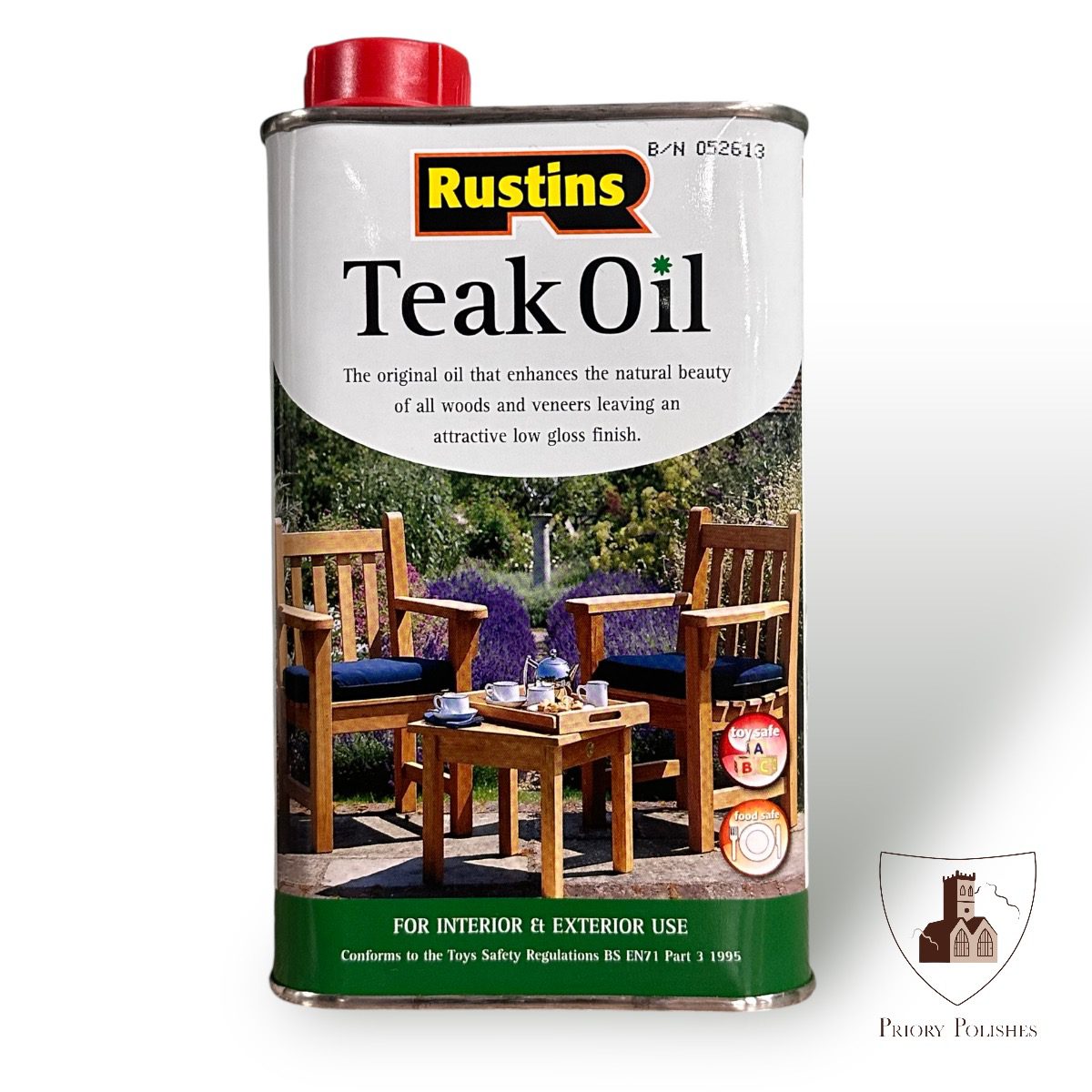
Credit: priorypolishes.co.uk
Frequently Asked Questions
Is Teak Oil Food Grade Safe?
Teak oil is not food grade safe. It contains chemicals that can be harmful if ingested. Use it only for wood finishes.
What Wood Oil Is Food Safe?
Food-safe wood oils include mineral oil, beeswax, and walnut oil. These oils are non-toxic and perfect for cutting boards.
Is Teak Safe For Food?
Yes, teak is safe for food. Its natural oils resist moisture and bacteria, making it ideal for cutting boards and utensils. Always ensure it’s untreated and food-grade.
Is Teak Oil Safe For Humans?
Teak oil is generally safe for humans when used correctly. Avoid ingestion and prolonged skin contact. Always follow safety instructions.
Conclusion
Teak oil can be food safe, but check the label first. Brands vary. Some are safe for food surfaces, others are not. Always choose a product labeled food safe. Read instructions carefully. Proper application ensures safety. Protect your health and enjoy your wooden items.