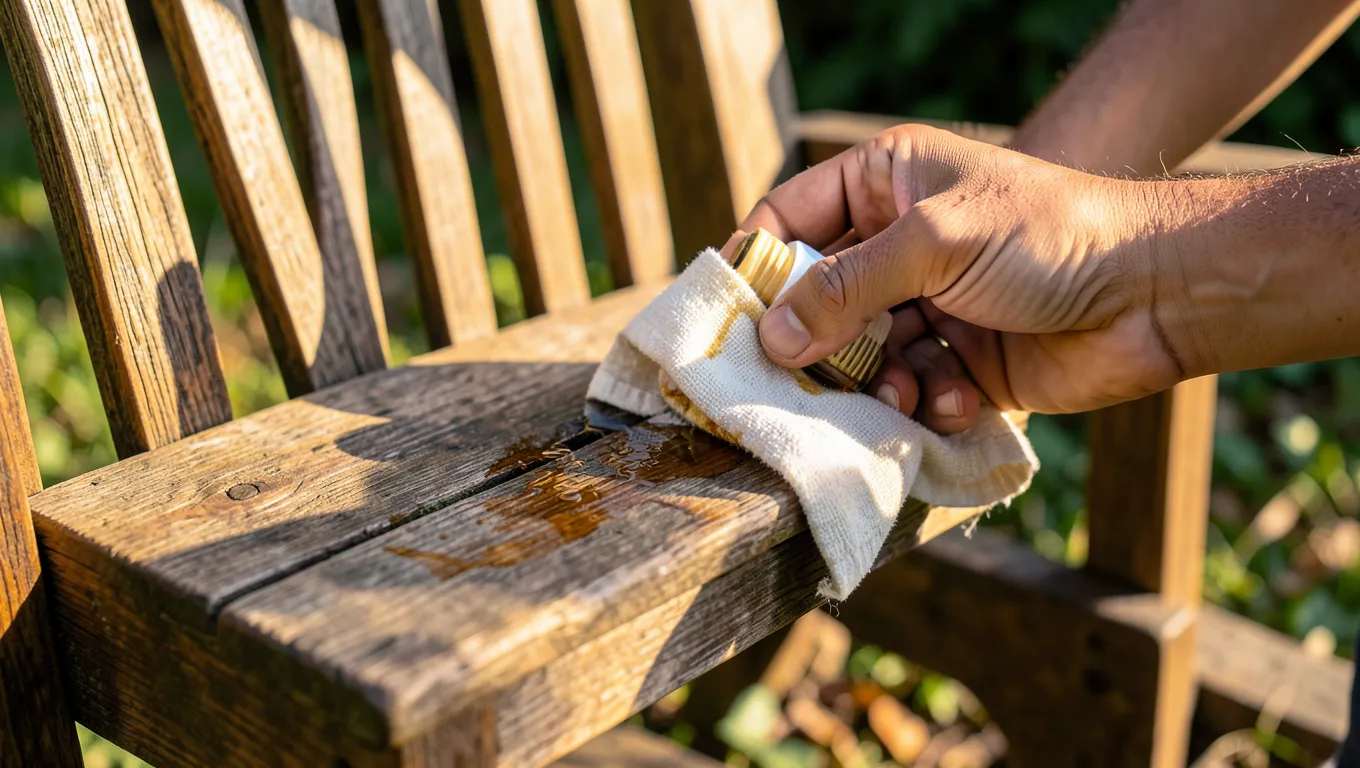
What Is Teak Oil? (And What It’s Actually Made Of)
Teak oil is a blended penetrating wood finish, usually a mix of linseed or tung oil, varnish resins, and mineral spirits, formulated to soak into dense, naturally oily woods like teak and enhance their color and grain while adding some moisture and UV resistance. Despite the name, commercial “teak oil” isn’t oil pressed or extracted from the teak tree itself – it’s a marketing name for a finish blend designed to work well on teak, and it’s commonly used on other outdoor and marine woods too.

The “Teak Oil” Name Is a Myth Worth Clearing Up
Best Teak Oil Pick
 |
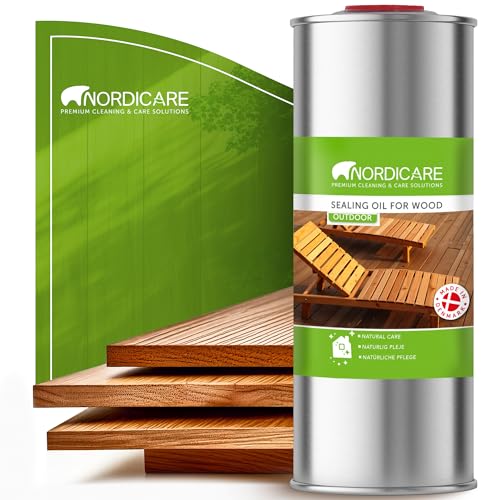
Watco Teak Oil Finish, Quart – $18.79 The classic blended teak oil this article describes – a linseed/tung oil and resin formula built specifically for outdoor and marine wood.
|
Teak wood is naturally rich in its own oils and silica, which is exactly why it resists rot and holds up outdoors without any finish at all – that natural oiliness is part of teak’s reputation. But the bottled product sold as “teak oil” isn’t that natural oil harvested from the tree. It’s a manufactured blend, typically combining a drying oil (linseed or tung), varnish or resin for added durability, and mineral spirits as a solvent to help it penetrate. Different brands vary the exact ratio, which is why some teak oils dry faster, some leave more sheen, and some hold up to weather noticeably longer than others.
The name stuck because the finish was originally formulated to replenish the natural oils that weathering strips out of teak furniture over time – it’s named for what it’s designed to do, not what it’s made from.
What Teak Oil Actually Does to Wood
Unlike a film finish (varnish, polyurethane) that sits on top of the wood, teak oil penetrates into the surface fibers. That’s a real tradeoff, not just a style choice:
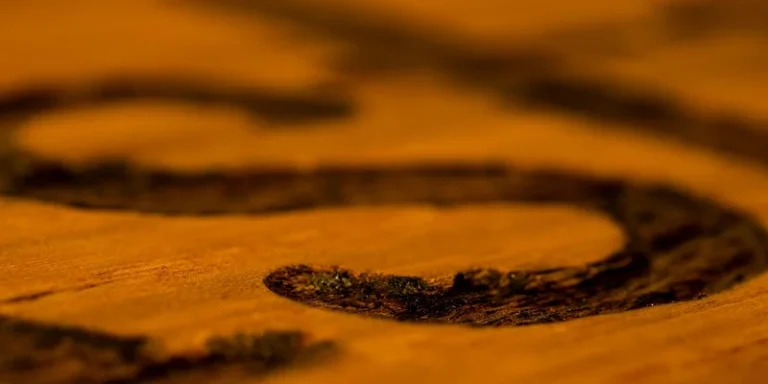
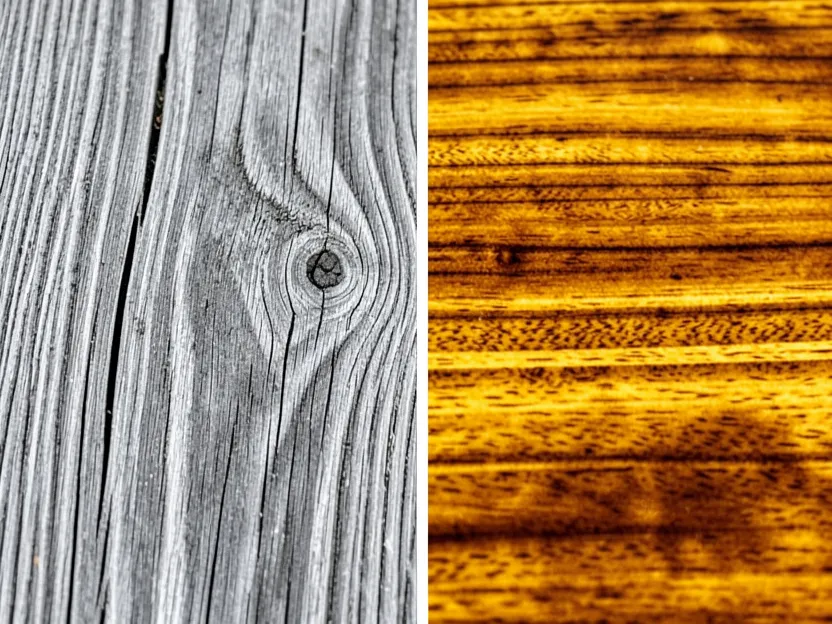
- It enhances color and grain by darkening the wood slightly and saturating the natural grain pattern, similar to wetting wood with water to preview how a finish will look.
- It adds some moisture and UV resistance, but far less than a film finish – because it soaks in rather than sealing the surface, it slows moisture and sun damage without fully blocking either.
- It doesn’t build a hard protective shell, so it won’t resist scratches or standing water the way polyurethane does. This is the actual reason it needs reapplication every few months, not because the finish is low quality – a penetrating oil finish is simply a different category of product than a film finish.
How to Apply Teak Oil
- Clean the surface and let it dry completely – oil won’t penetrate wood that’s still damp.
- Lightly sand if the surface is rough or has old, flaking finish, then wipe away the dust.
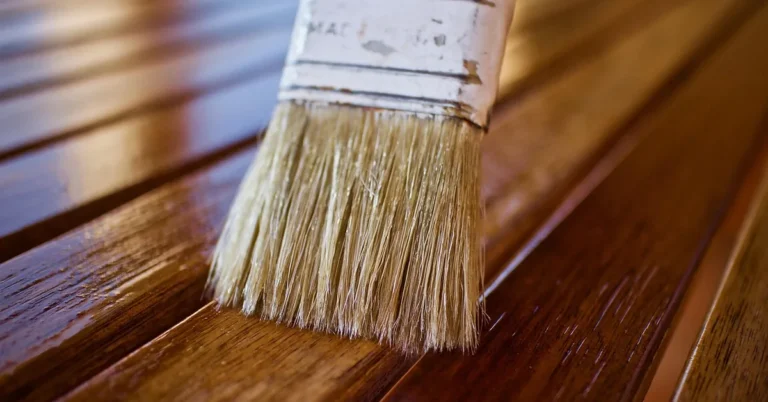
- Apply with a brush or cloth in a well-ventilated area, working with the grain for even coverage.
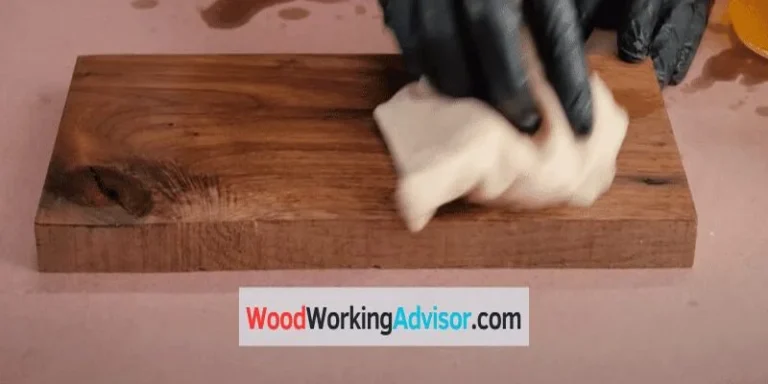
- Let the oil penetrate for 15-30 minutes, then wipe off everything that hasn’t soaked in. Excess oil left on the surface stays tacky and attracts dust instead of curing properly.
- Let it cure fully (check the label; times vary by brand) before using the piece or exposing it to rain.
Plan to reapply every 3-6 months on outdoor furniture that gets regular sun and rain exposure, less often for indoor pieces. A weathered, grayed teak surface can usually be revived with a light cleaning and fresh coat rather than a full strip and refinish.
Teak Oil vs. Linseed Oil vs. Tung Oil
Since teak oil is usually a blend built around one of these two base oils, it helps to know what each contributes:
- Linseed oil (pressed from flax seed) penetrates well and enriches color, but on its own it’s slower to cure and offers less water resistance than a teak oil blend – it’s a common base ingredient rather than a direct substitute.
- Tung oil (from tung tree nuts) cures to a harder, more water-resistant film than raw linseed oil and is often blended into teak oil specifically for that added durability.
- Teak oil combines one or both of these with resin and solvent specifically to perform well outdoors on dense, oily woods – it’s formulated as a finished product, not a raw single-ingredient oil.
In practice, all three need periodic reapplication because none of them build a hard protective film the way varnish or polyurethane does – the choice between them comes down to cure time, sheen, and how much water resistance the project actually needs.
Where Teak Oil Is Actually a Good Choice
Teak oil works well on outdoor furniture, boat decks and trim, and any dense outdoor wood where you want the grain visible and don’t mind reapplying periodically. It’s a poor choice anywhere that needs real abrasion or standing-water resistance – a kitchen countertop or a high-traffic floor is better served by a film finish like polyurethane, since teak oil’s penetrating, non-film nature means it simply won’t hold up the same way under that kind of wear. See our full teak oil vs polyurethane comparison for the complete breakdown.
Frequently Asked Questions
What is teak oil?
Teak oil is a blended penetrating wood finish (usually linseed or tung oil, resin, and mineral spirits) formulated to enhance and protect dense outdoor woods like teak. It isn’t literally oil extracted from the teak tree – that’s a common misconception based on the name.
Can you use teak oil on a deck?
You can, but it needs more frequent reapplication than a dedicated deck finish since it penetrates rather than forming a protective film. It works fine on smaller deck elements like trim and furniture; a full deck surface usually does better with a finish made specifically for horizontal, high-traffic outdoor wood.
How often do you need to reapply teak oil?
Every 3-6 months for outdoor furniture with regular sun and rain exposure, less often for indoor pieces. It’s a maintenance finish by design, not a one-time protective coat.
Conclusion
Teak oil is a manufactured blend, not oil pressed from the teak tree, and it works by penetrating the wood rather than sealing it – which is exactly why it enhances grain and color well but needs reapplying every few months instead of lasting for years like a film finish. Use it on outdoor furniture and marine wood where you want the natural look; reach for polyurethane or varnish instead anywhere that needs to shrug off real abrasion or standing water.
Sponsored / affiliate links. As an Amazon Associate I earn from qualifying purchases. I may earn additional commission from eligible campaigns.