Is Teak Wood Good For Cooking Utensils: Essential Guide
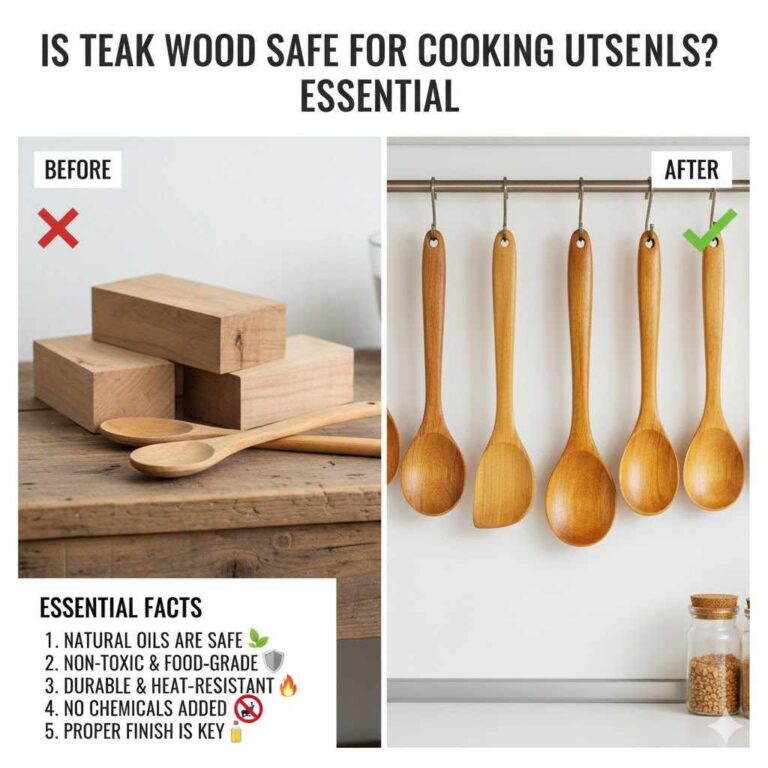
Yes, teak wood is an excellent choice for cooking utensils. Its natural oils provide water resistance, preventing mold and warping, making it highly durable, food-safe, and beautiful for kitchen tools. Proper seasoning ensures longevity and performance.
Choosing the right tools for your kitchen is important, but sometimes picking safe, durable wood feels tricky. You hear whispers about different woods, and perhaps you are wondering, “Is teak wood good for cooking utensils?” Many folks worry about sanitation, splintering, or wood leaching flavors into their favorite recipes. That concern is valid!
Don’t stress about kitchen gadget confusion anymore. Teak is one of nature’s best-kept secrets for kitchen longevity. As an old hand in woodworking, I can tell you that teak is tough, naturally protective, and truly gorgeous once cared for properly. We are going to break down exactly why teak stands up so well to heat, water, and daily scrubbing. Get ready to feel confident in your next utensil purchase or DIY project!
Why Wood Matters in the Kitchen: Safety and Performance
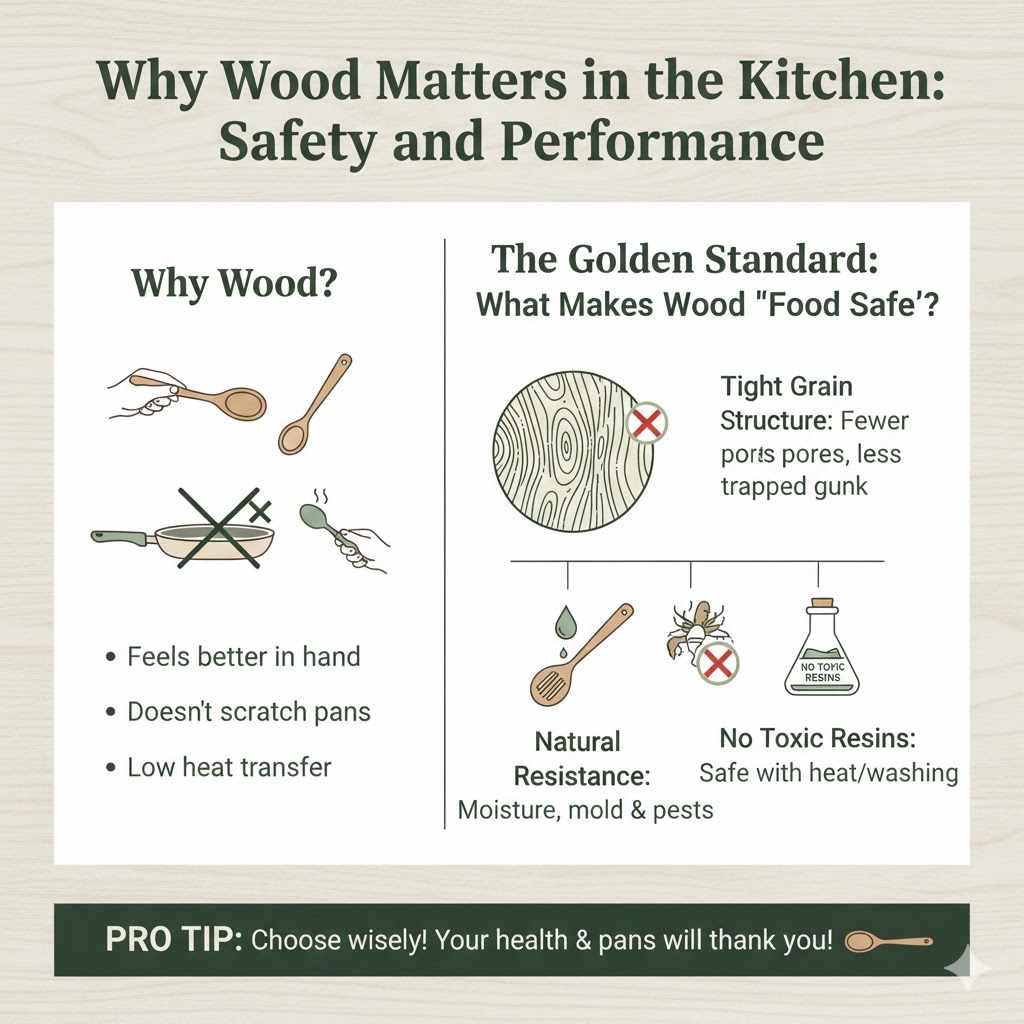
Before diving deep into teak, let’s quickly touch upon why we even use wood for cooking tools in the first place. Many beginners stick to plastic or metal, but wood brings unique benefits, provided you choose wisely.
Wood utensils feel better in your hand, they don’t scratch expensive non-stick pans, and they rarely transfer heat like metal spoons do. However, the wood must resist moisture and bacteria. If wood swells, cracks, or absorbs too much water, it becomes a place where germs can hide. That is why material choice is critical.
The Golden Standard: What Makes Wood “Food Safe”?
For any wood to be considered truly food-safe for utensils, it must meet a few basic requirements:
- Tight Grain Structure: Fewer open pores mean less area for food particles and moisture to get trapped.
- Natural Resistance: The wood should naturally resist moisture, mold, and pests.
- No Toxic Resins: It must not contain high levels of natural toxins that can leach out when heated or washed.
Understanding Teak: Nature’s Durable Hardwood
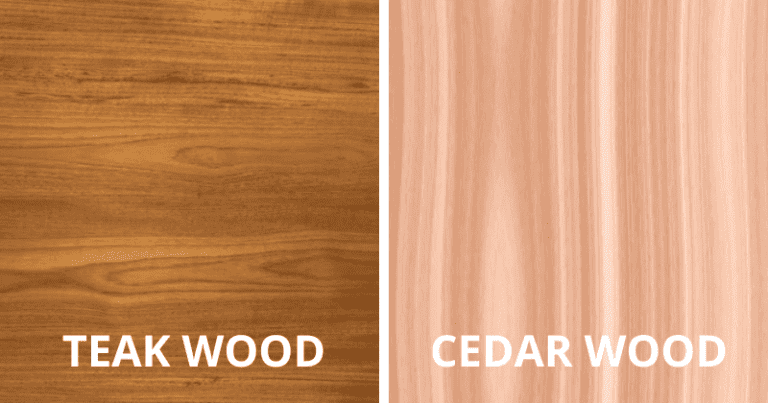
Teak (Tectona grandis) is famous worldwide for boat building, outdoor furniture, and decking. But why does it work so well outside and, more importantly, inside the kitchen?
The secret lies deep within the wood’s cellular structure. Teak contains a high concentration of natural oils and silica (silicon dioxide). These elements are the magic combination that makes it almost immortal in harsh conditions.
The Role of Natural Oils in Teak
The high natural oil content in teak is what separates it from common woods like pine or maple. These oils act as built-in preservatives:
- Waterproofing: The oils repel water. When you wash a teak spoon, the water beads up instead of soaking deep into the wood fibers. This drastically reduces swelling and cracking.
- Mold and Mildew Resistance: Since moisture cannot easily penetrate, mold spores and bacteria have a tough time finding a damp home to grow in.
- Durability: This natural lubrication helps the wood fibers resist wear and tear, keeping your utensils smooth for years, even with daily scraping against pots and pans.
Teak and Food Safety Concerns
Many new woodworkers ask if teak has anything unsafe in it. This is where we can be highly reassuring. Reputable sources confirm that properly harvested and finished teak is very safe for kitchen use. According to studies concerning lumber usage, teak is often selected specifically for environments requiring high sanitation due to its inherent resistance to decay, much like materials used in laboratory settings.
Furthermore, while some exotic woods require specific sealants that might not be food-safe (like certain varnish oils), natural teak rarely needs heavy external treatments to maintain its integrity in a moist environment, keeping contaminants out of your food.
Teak vs. Other Common Kitchen Woods: A Comparison
To truly appreciate teak, it helps to see how it stacks up against the other usual suspects found in utensil drawers. While many woods are okay, teak generally offers the best blend of durability and low maintenance for kitchen use.
Here is a quick comparison to help you decide what’s right for your needs. Remember, we are looking for low maintenance and high durability!
| Wood Type | Natural Moisture Resistance | Hardness (Durability) | Sanding/Splinter Risk | Best Use |
|---|---|---|---|---|
| Teak | Excellent (High Oil Content) | High | Low (if maintained) | All-purpose, high-contact tools |
| Maple | Good | Very High | Medium | Rolling pins, cutting boards |
| Beech | Fair to Good | Medium | Medium | Spatulas, basic stirring spoons |
| Bamboo (Technically a Grass) | Good | Medium (Can dull easily) | Varies (can splinter if cheap quality) | Light mixing, affordable sets |
Pros and Cons of Using Teak Cooking Utensils
Even the best wood has trade-offs. Understanding the advantages and minor disadvantages of teak will help you use and care for your utensils correctly. I find the pros heavily outweigh the cons when durability is the goal!
The Major Benefits (Pros) of Teak
- Exceptional Longevity: Thanks to its high oil content, teak resists damage from high heat (like sitting near a hot burner) and moisture better than almost any other domestic hardwood.
- Gentle on Cookware: It’s firm enough to handle thick stews but soft enough not to score the expensive PTFE coatings on your non-stick pans.
- Natural Food Safety: Its structure naturally resists the growth of bacteria and mold, provided it’s cleaned promptly and not left soaking in the sink overnight.
- Aesthetics: Teak develops a rich, warm patina over time, getting more beautiful the more you use it (if maintained well).
The Drawbacks to Be Aware Of (Cons)
- Cost: High-quality, ethically sourced teak can be more expensive than woods like beech or maple. This is a trade-off for its durability.
- Maintenance: While durable, it requires occasional oiling to keep those natural protective oils replenished, especially if you frequently wash them in the dishwasher (which I strongly advise against!).
- Silica Content: The silica in teak can slightly dull the edge of metal tools if you use a teak scraper constantly to scrape down cast iron, though this is rarely an issue with standard stirring spoons.
Essential Care: How to Make Your Teak Utensils Last Forever
This is perhaps the most important section. Even the strongest wood will fail prematurely if treated poorly. Think of seasoning your teak like taking care of a leather tool handle—it needs feeding to stay supple and protected.
The Golden Rule: NEVER Use the Dishwasher
I cannot stress this enough. The combination of high heat, aggressive detergents, and extended soaking cycles in a dishwasher is the quickest way to destroy any wooden utensil. Dishwashers strip the natural oils, leading to severe cracking and splitting within weeks. For confidence and longevity, stick to handwashing.
Step-by-Step Cleaning Procedure
Follow these simple steps right after you finish cooking:
- Rinse Immediately: As soon as you are done serving, rinse the utensils under warm running water to remove large food debris.
- Wash Gently: Use a soft sponge and mild dish soap. Do not use abrasive scouring pads, which can scratch the surface and encourage moisture absorption.
- Quick Wash: Wash them quickly. Do not leave them soaking in the sink filled with soapy water. Exposure time should be minimal—seconds, not minutes.
- Immediate Drying: Wipe the utensils completely dry with a clean dish towel right away. Do not let them air dry sitting in the drain rack, as one side will soak up more moisture than the other.
- Store Properly: Hang them up or place them in a utensil holder where air can circulate freely around the entire surface.
Re-Oiling: The Secret to Teak’s Strength
Every few months, or anytime the wood starts to look dry, pale, or thirsty, you need to re-season it. This replenishes those vital natural oils that keep moisture out.
What to Use for Oiling
You must use food-grade mineral oil. Do not use cooking oils like olive, canola, or vegetable oil. These oils will eventually go rancid inside the wood, causing a terrible smell and taste in your food. For high-quality assurance on oils, organizations like the U.S. Food and Drug Administration (FDA) often regulate food contact materials, and mineral oil is widely approved for this use.
You can often find specific “Butcher Block Oil” or “Cutting Board Oil,” which are usually just refined food-grade mineral oil often mixed with beeswax for extra protection.
The Simple Oiling Process:
- Ensure the utensils are completely clean and dry.
- Pour a small amount of mineral oil onto a clean cloth or paper towel.
- Rub the oil vigorously all over the utensil—top, bottom, handle, and bowl—until the wood stops absorbing the oil and looks richly saturated.
- Let the utensil sit for about 30 minutes to allow the oil to fully penetrate.
- Wipe off any excess oil from the surface so the utensil is not sticky to the touch.
A well-oiled piece of teak will have a deep, lustrous shine and feel smooth as glass. This simple step is the key to lifelong performance!
DIY Considerations: Crafting Your Own Teak Utensils
If you are a woodworker, the idea of crafting your own teak spoon is exciting. However, crafting utensils requires careful attention to detail, far more than making a simple shelf.
Safety First When Shaping and Sanding
Teak’s hardness makes it wonderful once finished, but it demands respect during shaping. Even though it is safer than many woods, it still requires careful handling.
Wood Dust Safety Note: Teak dust, like all fine sawdust, can irritate the lungs and eyes. Always wear a quality dust mask or, ideally, a respirator when sanding teak. Proper dust collection at your stationary tools is also highly recommended to keep your workshop safe. Always refer to OSHA guidelines for safe woodworking practices when working with hardwoods.
Tool Choices for Utensil Making
You don’t need a full industrial shop, but specific tools make the job easier and safer when dealing with this dense hardwood:
- Bandsaw or Jigsaw: For roughing out the basic silhouette of spoons and spatulas.
- Carving Knives or Gouges: For shaping the handle and the bowl of the spoon. Hand carving is traditional here.
- Sandpaper Selection: Start around 120-grit and work slowly up to 400 or even 600-grit for that ultra-smooth, food-ready finish. The finer the grit, the less likely it is to snag food particles later.
- Routing/Shaping: If you are using a router, be aware that the high silica content in teak will dull carbide bits faster than softer woods. Plan on needing sharper or higher-quality tooling.
Sanding for Sanitation: Don’t Skip the Fine Grits
The primary reason a handmade wooden utensil fails is improper sanding. A coarse, fuzzy surface acts like a microscopic net for bacteria. For utensils, you need an unbelievably smooth finish.
Sand until you can run your bare finger across the wood surface and feel absolutely no grain texture—only slick smoothness. This smooth surface helps water roll off quickly and prevents food particles from getting stuck in surface scratches.
Common Issues Solved: Troubleshooting Teak Kitchen Tools
Even with the best intentions, sometimes kitchen tools need a little triage. Here are a few common problems related to wood and quick fixes for your teak gear:
| Symptom | Likely Cause | The Quick Fix (Md Meraj’s Advice) |
|---|---|---|
| Utensil feels dry or pale. | Natural oils have depleted from use or cleaning. | Perform a thorough re-oiling session (see section above). Let it soak longer. |
| Small hairline cracks appear. | Exposure to too much heat or drastic moisture changes (e.g., wet, then dry rapidly). | If minor, lightly sand the area smooth with 320-grit, oil immediately, and ensure gentler washing. Severe cracks mean it might need replacement. |
| Slight discoloration or slight graying. | Staining from acidic foods (like tomato sauce) or inadequate rinsing after use. | Rub the spot with half a lemon dipped in baking soda paste. Rinse well and oil thoroughly afterward. |
Beyond Utensils: Where Else Teak Shines in the Kitchen
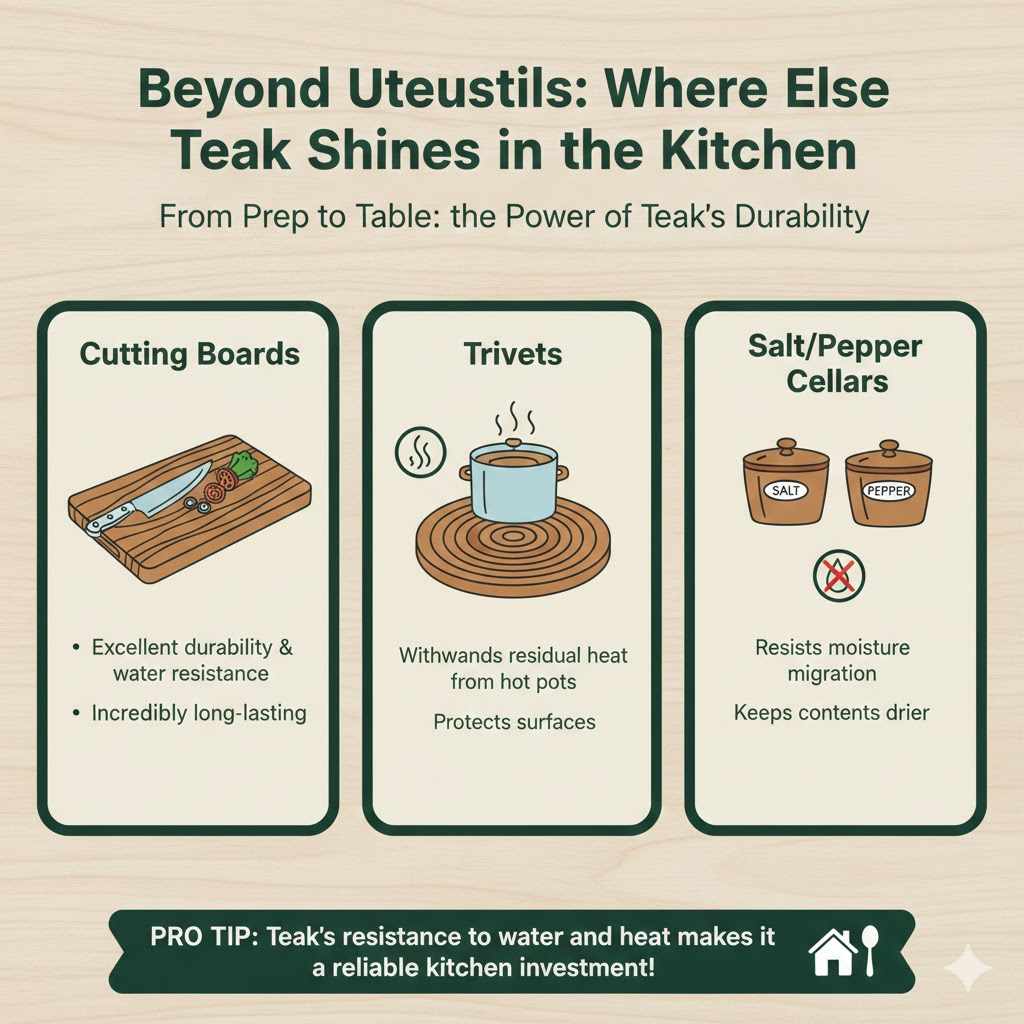
If you are impressed by its performance as a spoon or spatula, know that this resistance to water makes teak brilliant for other kitchen items too:
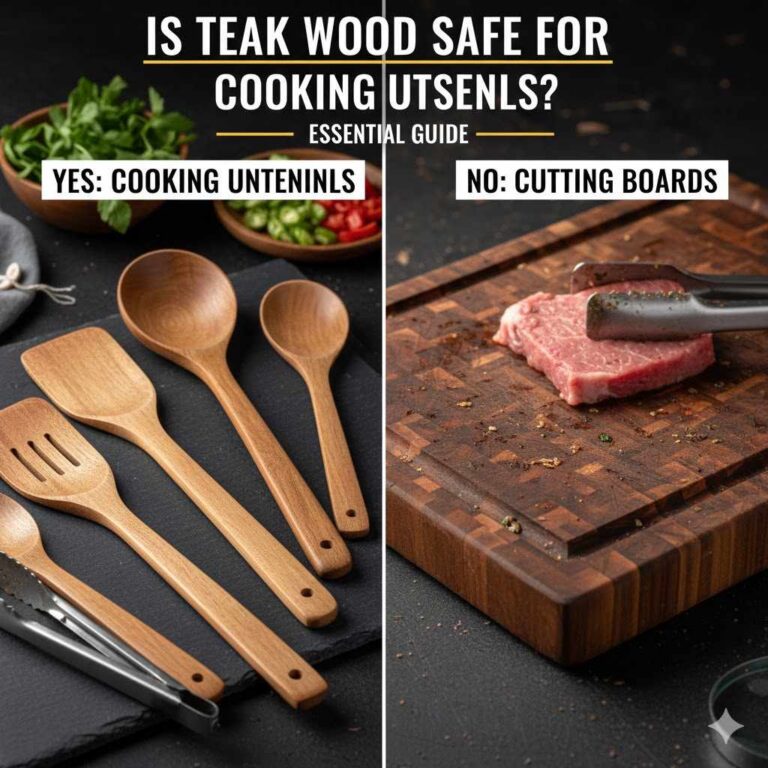
- Cutting Boards: Excellent durability and water resistance, making them incredibly long-lasting if maintained.
- Trivets: Withstands residual heat from hot pots very well.
- Salt/Pepper Cellars: Because it resists moisture migration, it keeps contents drier than softer woods might.
When you see teak used in these moisture-heavy applications, it’s a clear testament to why it’s such a reliable material for the spoons you use daily over the stove!
FAQ: Beginner Questions About Teak Utensils
Q1: Can I use my teak utensils on a non-stick pan?
A: Yes, absolutely! Teak is hard enough to move food efficiently but soft enough not to scratch delicate non-stick coatings. This is a huge advantage over metal utensils.
Q2: How often should I re-oil my teak cooking tools?
A: A good rule of thumb is every three months with regular use. If your utensil looks noticeably lighter or drier after washing, oil it right away before it starts absorbing too much moisture.
Q3: What do I do if my teak spoon smells musty or fishy after a long day?
A: Wash it immediately with mild soap and rinse well. To de-odorize, soak it briefly (no more than 10 minutes) in a solution of equal parts white vinegar and water. Rinse thoroughly, dry completely, and then apply a coat of fresh mineral oil.
Q4: Is teak wood more expensive than bamboo or maple?
A: Generally, yes, high-quality teak is a more premium wood due to its desirable properties and sustainability considerations. You pay a bit more upfront, but its extended lifespan often makes it a better long-term value than cheaper woods that need frequent replacement.
Q5: Can I use specialized wood finishing oils (like Danish Oil) on my cooking utensils?
A: No, you must stick strictly to food-safe oils like pure mineral oil or cutting board blends. Other finishing oils often contain chemical dryers or non-food-grade resins that can leach into your meals when heated.
Q6: Will boiling water stain or damage my teak spoon?
A: While short exposure to hot water won’t destroy it, prolonged boiling will stress the wood structure. It is best practice to avoid intentionally boiling your wooden tools, even teak. Stick to handwashing warm water and towel drying quickly.
Conclusion: Confidently Choosing Teak for Your Kitchen Craft
As we have explored, the question “Is teak wood good for cooking utensils?” has a resounding affirmative answer. Teak is not just good; it’s exceptional. Its unique blend of dense structure, rich natural oils, and natural water resistance makes it supremely qualified to handle the rigors of a busy kitchen, outlasting many other natural materials.
For the homeowner or beginner DIYer, choosing teak means investing in tools that require simple, consistent care—a little oil now and then keeps them beautiful and sanitary for years. Forget worrying about warping or mold; with mindful handwashing and regular seasoning, your teak utensils will become reliable, cherished members of your kitchen crew. Go ahead, pick up that teak spatula; you’ve got this, and your cooking tools will thank you for choosing quality!