Where to Buy Teak Wood: Plantation vs. Reclaimed Guide
Most guides to buying teak wood skip the one question that actually matters: where did this board come from? Teak sold in the US comes from two very different worlds – fast-growing plantation stock, mostly out of Indonesia, and reclaimed material pulled from old boats and buildings – and a third category you want to avoid entirely: unverified “Burmese” teak that can carry real legal risk under U.S. and EU sanctions. Here’s how to find teak wood that’s actually legitimate, where real woodworkers buy it, and what it should honestly cost.
Plantation-Grown vs. Reclaimed Teak: Know What You’re Buying
Nearly all teak sold in the US today falls into one of two legitimate categories. Plantation-grown teak is farmed on managed tree farms, primarily in Indonesia, which is the largest source of US teak imports. Indonesia’s plantation program operates under a mandatory legality certification system called SVLK, and as of 2025 roughly 88% of Indonesia’s teak production comes from plantation forests on Java. Costa Rica has also become a meaningful plantation source over the past few decades, with farms specifically developed to grow teak faster than old-growth stands ever could.
Reclaimed teak is the second legitimate route. Because teak resists rot and marine borers so well, it was used for decades on ship decks, colonial-era buildings, and outdoor structures across Southeast Asia – and a lot of that material gets salvaged rather than landfilled. Reputable reclaimed-teak dealers pull boards from decommissioned boats and old structures and resell them, often with the weathering and nail holes left visible as part of the character.
What you want to be careful of is teak with no traceable origin, especially anything described as Burmese or Myanmar teak. Teak itself isn’t a CITES-restricted species the way rosewood is, so that’s not the issue. The real problem is that Myanmar’s teak trade has been under US and EU sanctions since the 2021 military coup, and the U.S. Lacey Act already prohibited importing illegally harvested timber before that. This isn’t theoretical: in late 2024, a UK yacht builder was fined roughly $450,000 in the first prosecution under Britain’s timber regulation, and separately agreed to pay the US Department of Justice $200,000, after admitting it had used illegally sourced Burmese teak. If a listing can’t tell you where the wood was actually grown, treat that as a red flag, not a minor detail.
Sunrise Teak Costa Rica Plantation Lumber
Best Plantation-Grown Teak Board
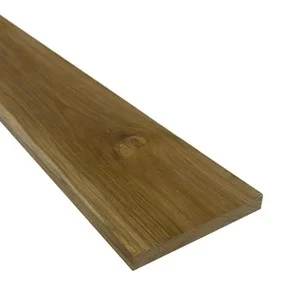 |
Sunrise Teak Premium Lumber S4S 1/2″ x 6″ x 4′ – $54.48 A traceable, plantation-grown board from Costa Rica – exactly the verified-origin sourcing this guide recommends over unlabeled “imported teak.”
|
Real Places to Buy Teak Wood
Once you know which kind of teak you’re after, the sourcing channel usually follows naturally. Here are the three that actually carry it.
Specialty Hardwood and Exotic Wood Dealers
This is the most reliable channel for most projects. Dealers that specialize in exotic hardwoods – names like Advantage Lumber, Woodworkers Source, Bell Forest Products, and Cherokee Wood Products – stock plantation teak in multiple grades and thicknesses, ship nationwide, and will generally tell you the country of origin if you ask. Florida Teak is worth knowing specifically if you’re building or repairing a boat deck; they stock FSC-certified genuine teak and quartersawn boards sized for marine use. Specialty dealers cost more than a big-box lumber aisle, but you’re paying for graded, traceable stock and staff who actually know the material.
Reclaimed Teak and Boat-Teak Resellers
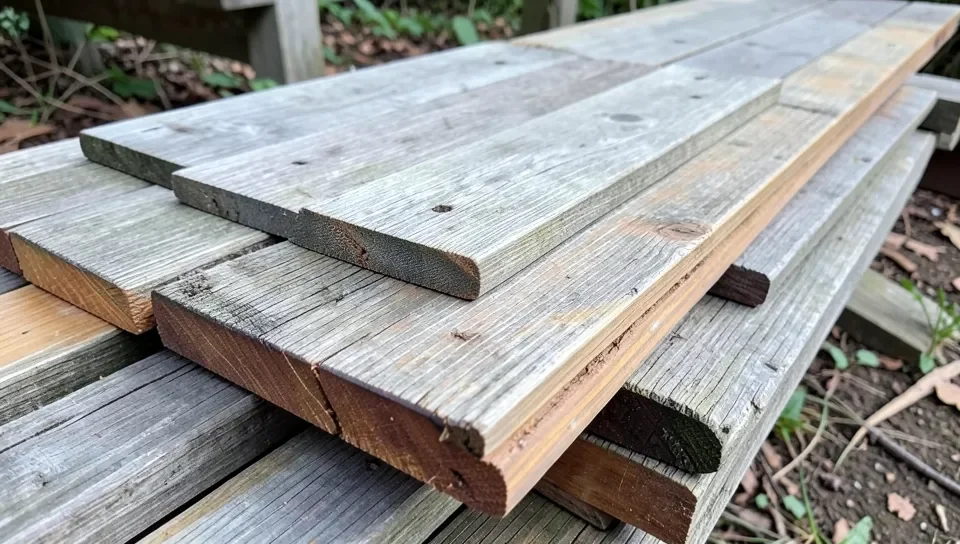
If you want character over uniformity – or you’re trying to match an existing piece of vintage teak furniture – reclaimed dealers are a distinct and genuine source. Companies like Vintage Timberworks and RecycleTeak salvage teak from decommissioned boats and old structures, mostly in Indonesia, and mill it into flooring, siding, and furniture stock. Expect visible nail holes, saw marks, and color variation; that’s the material doing exactly what it’s supposed to do after decades of use.
Online Exotic Wood Retailers
Most of the specialty dealers above also sell direct online, and sites like IpeDepot and Wood Vendors ship pre-cut teak boards by the piece, which is useful for smaller projects where you don’t want to buy a full plank. Amazon also carries pre-cut teak boards and small hobby packs from verified sellers – useful for cutting boards, small furniture pieces, or a first project where you don’t need lumberyard quantities. Whatever the source, verify the seller separately if the price looks unusually low for teak; that’s often the first sign the origin claim doesn’t hold up.
Teak Grades and What They Actually Mean
Dealers typically grade teak A through C (sometimes labeled FEQ, or “first European quality,” for the top tier). Grade A/FEQ is heartwood with a tight, uniform grain and almost no knots or sapwood streaks – it’s what you want for fine furniture, cutting boards, or anywhere the wood will be seen up close. Grade B still has real strength and weather resistance but shows more color variation and the occasional small knot; it’s a sensible choice for outdoor furniture frames or structural pieces where a perfectly even grain doesn’t matter as much. Grade C usually includes more sapwood (the lighter, less rot-resistant outer growth) and is priced accordingly lower – fine for shims, jigs, or non-structural shop use, but not something you want on a boat deck or anything exposed to constant moisture. Ask your dealer which grade a board is before you buy; “teak” alone tells you the species, not the quality.
What Teak Actually Costs
Set realistic price expectations before you start shopping. Teak is genuinely one of the more expensive hardwoods available, mostly because of how slowly it grows and the cost of importing it. Current specialty-dealer pricing runs roughly $18 to $30 per board foot for plantation-grade lumber, with 4/4 (one-inch-thick) stock at the lower end of that range and premium wide or long boards pushing toward the top. That’s several times what you’d pay for a domestic wood like pine or poplar at a hardware store, and it’s a fair trade for the durability if the project calls for it – but it means teak usually isn’t the right pick for a piece where a cheaper weather-resistant wood would do the job. For a deeper breakdown by grade and thickness, our teak wood price guide walks through the numbers in more detail.
How to Verify You’re Buying Legitimate Teak
A few questions separate a legitimate dealer from a risky one. Ask directly where the wood was grown – a dealer selling real plantation teak will usually say “Indonesia” or “Costa Rica” without hesitation. Ask whether the stock is SVLK or FSC certified; either certification means there’s a paper trail behind the board. Be skeptical of any listing that markets the wood as “Burmese” or “Myanmar” teak, or that’s vague about origin entirely – vagueness is usually the tell, not an accident. And if you’re buying reclaimed teak specifically to match or restore existing teak furniture, ask the seller how they source it; a reputable reclaimed dealer can tell you which boats or structures their stock came from, at least in general terms.
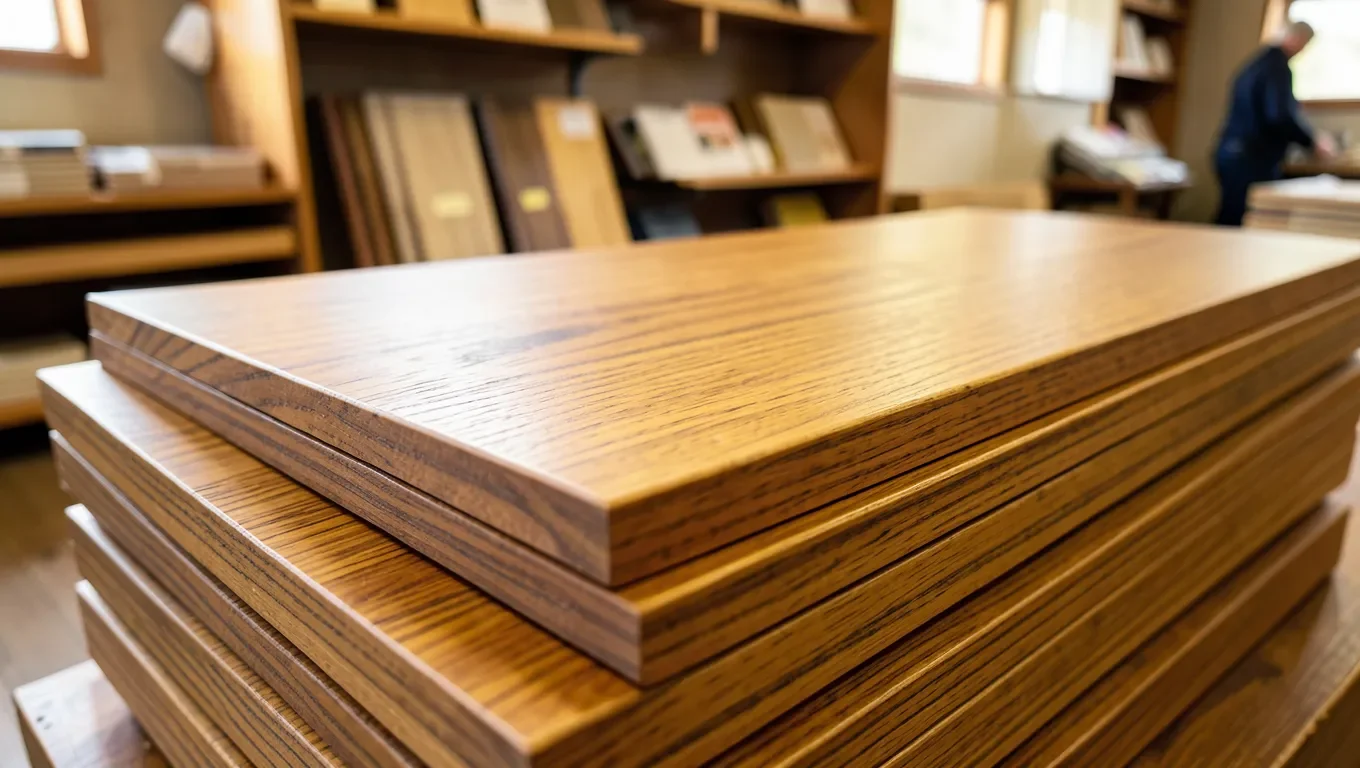
It also helps to know what real teak looks and feels like in person, since photos can be misleading. Genuine teak has a slightly oily, almost waxy surface feel even unfinished – that’s the natural oil content that gives it weather resistance, and it’s hard to fake. The color runs golden to medium brown with a straight, sometimes slightly interlocked grain, and freshly cut teak has a distinct leathery smell that fades but never fully disappears. If a board feels dry and chalky, or smells like nothing at all, ask more questions before you buy – it may be a different species sold under the teak name, which happens more often with cheaper online listings than with an established dealer.
Frequently Asked Questions
Is teak wood illegal to buy?
No, not generally. Plantation-grown teak from Indonesia or Costa Rica, and legitimately sourced reclaimed teak, are both legal to buy and import. The legal risk is specific to unverified Myanmar-origin (“Burmese”) teak, which has been under US and EU sanctions since 2021.
Is plantation teak as good as old-growth teak?
For most furniture and outdoor projects, yes. Plantation teak has slightly less of the dense heartwood oil content that old-growth teak built up over a century of slow growth, but it’s still highly weather- and insect-resistant and is what nearly all new teak boat decks and outdoor furniture are built from today.
How much does teak wood cost per board foot?
Roughly $18 to $30 per board foot at specialty hardwood dealers as of 2026, with plantation-grade 4/4 stock at the lower end and premium or wide boards toward the top. Reclaimed teak pricing varies more widely depending on the piece.
Can I buy teak wood at Home Depot or Lowe’s?
Some big-box stores carry limited teak lumber or teak outdoor furniture, but selection and grading information are usually thinner than what a specialty exotic-wood dealer offers. For a real project, a specialty dealer or reputable online retailer is worth the extra step.
Final Thoughts
Finding teak wood isn’t hard once you know what you’re looking for. Decide whether you want plantation-grown or reclaimed material, buy from a specialty dealer or online retailer that will actually tell you the country of origin, and budget for a genuinely premium hardwood rather than expecting hardware-store pricing. Skip anything vague about where it came from, and the rest of the process is straightforward.
Buying teak specifically for outdoor furniture rather than a general project? See our eucalyptus vs teak outdoor furniture comparison for real furniture-level pricing and a maintenance-based buying decision if you are also considering the cheaper eucalyptus alternative.
Sponsored / affiliate links. As an Amazon Associate I earn from qualifying purchases. I may earn additional commission from eligible campaigns.