How Long Does Teak Wood Last: Essential Durability Guide
Teak furniture typically lasts 20 to 50 years with basic care, and marine-grade teak in constant saltwater can reach 75 years or more – its natural oils and silica repel the rot and insects that break down other outdoor woods. Skip maintenance and it still won’t rot, but it grays within a year or two instead of keeping its golden-brown color. This guide covers what drives that lifespan, how teak compares to cedar and Ipe, and which decisions matter most.
Understanding Teak Wood’s Incredible Longevity
Best Teak Oil Pick
 |
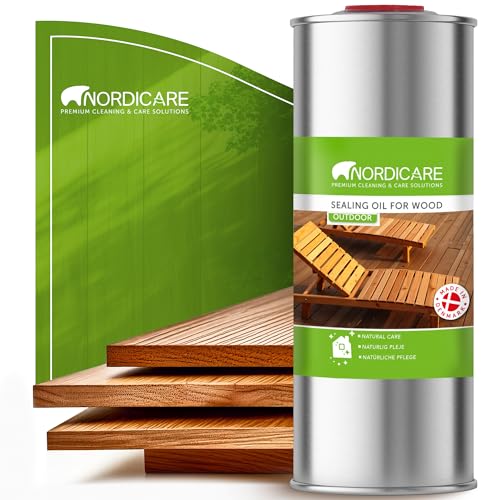
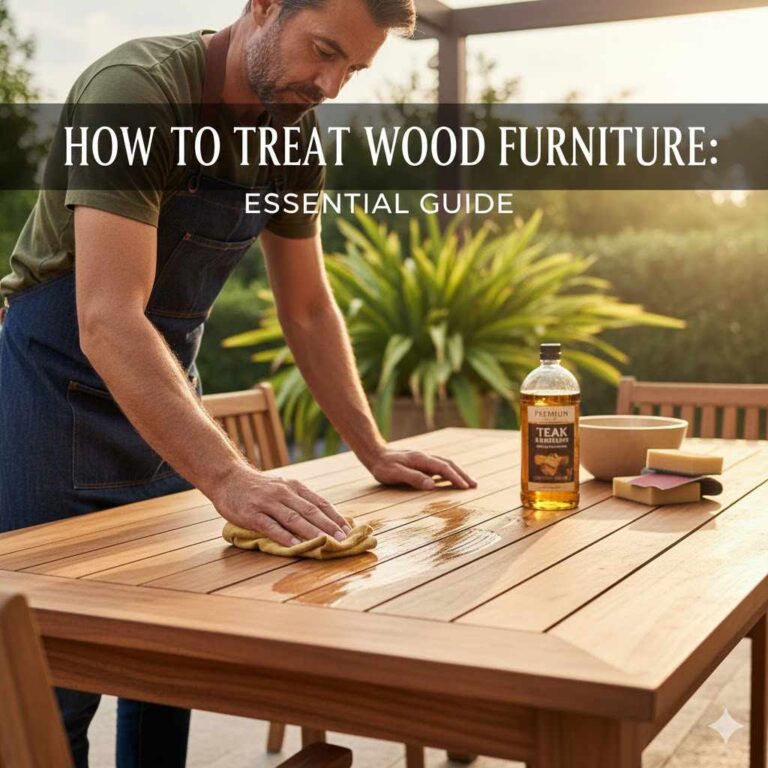
STAR BRITE Premium Teak Oil, 16 oz – $25.10 A UV-inhibiting oil that slows the graying this article describes – skipping it doesn’t shorten teak’s structural life, but it’s the difference between golden-brown and silver-gray within a year outdoors.
|
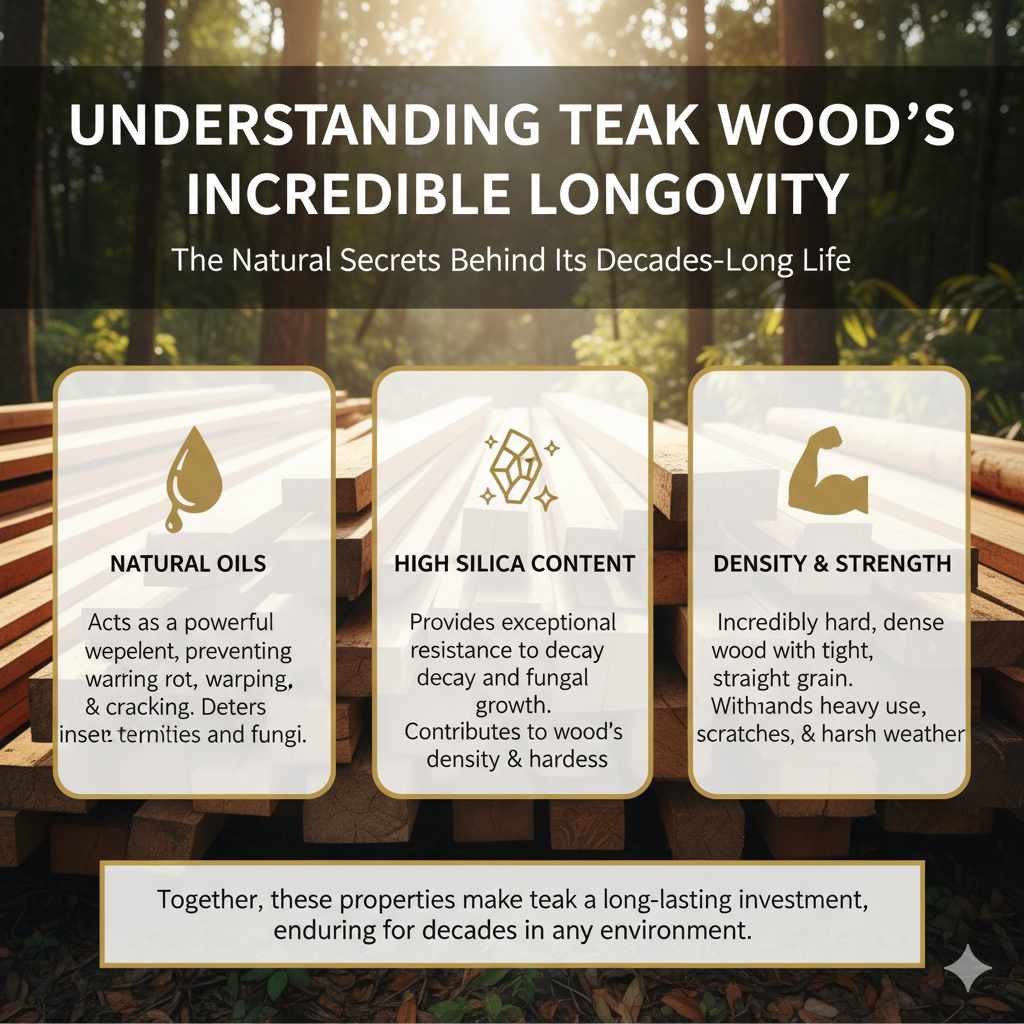
Teak (Tectona grandis) isn’t just any wood; it’s a hardwood renowned for its exceptional durability and natural resistance to decay, rot, and insects. This isn’t by accident. Teak trees produce natural oils and a high silica content within their wood. These two components work together to create a material that can withstand harsh weather conditions, moisture, and pests with remarkable fortitude.
When you see or feel teak, you’ll notice its dense, straight grain and its rich, golden-brown color. This natural makeup is what gives teak its superior performance, especially in outdoor environments where other woods might quickly deteriorate. Its ability to resist warping, cracking, and splitting means that pieces made from teak can age gracefully, maintaining their structural integrity for many years.
The Magic Behind Teak’s Natural Defense
It’s those natural oils, often referred to as “teak oil,” that are the secret sauce. These oils are built right into the wood from the tree itself. They act as a natural water repellent and a deterrent to various pests, including termites and fungi, which are common enemies of wood.
Think of it like this: Many types of wood are like a sponge, soaking up water and becoming a tasty meal for bugs. Teak, on the other hand, is more like a well-waxed car – water tends to bead up and roll off, and the wood’s natural defenses make it unappetizing to pests.
The high silica content in teak also plays a crucial role. Silica is a naturally occurring compound in many plants, and in teak, it contributes to the wood’s resistance to rot and decay by making it less susceptible to fungal growth. It also helps to dull woodworking tools faster than many other hardwoods, a testament to its density and toughness.
How Long Does Teak Wood Last? The Lifespan Explained
So, the big question: How long does teak wood truly last? The answer is quite impressive, but it does come with a few caveats.
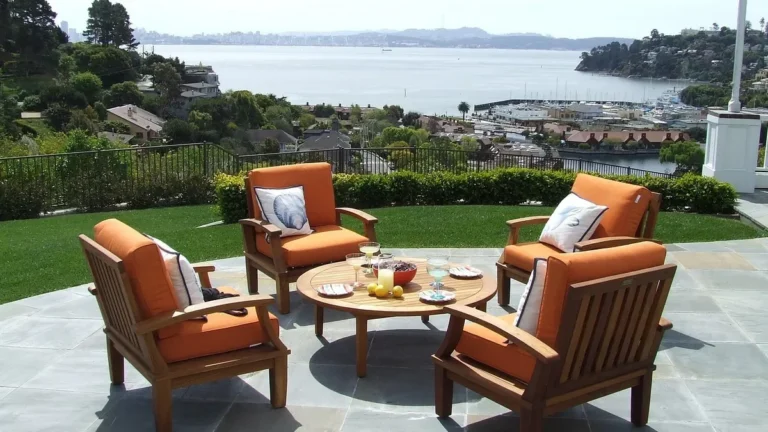
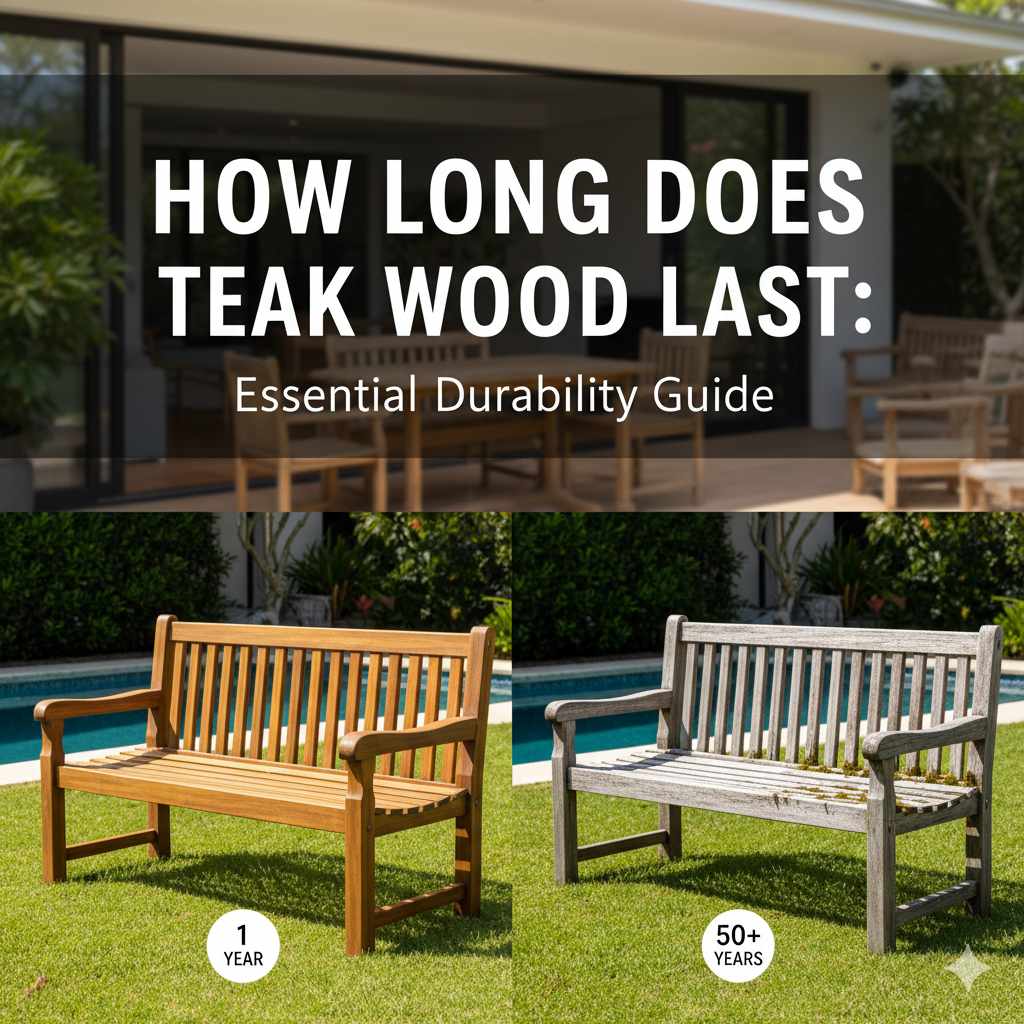
In optimal conditions, with minimal exposure to harsh elements and some basic care, teak furniture can last anywhere from 20 to 50 years. However, teak used in marine applications, like boat decks, which are constantly exposed to saltwater, sun, and extreme weather, can last even longer – sometimes 75 years or more. Properly maintained teak structures, like those found in historical buildings, have been known to stand for centuries!
Here’s a breakdown of what influences teak’s lifespan:
- Environmental Exposure: Direct sunlight, heavy rain, snow, and extreme temperature fluctuations will impact how well teak ages.
- Maintenance: Regular cleaning and occasional oiling or sealing can significantly extend its life and preserve its appearance.
- Quality of Wood: Genuine, high-quality teak harvested sustainably will inherently last longer than lower-grade teak or teak that has been mixed with other woods.
- Construction: How a piece of teak furniture or a structure is built also plays a part. Good joinery and finishing techniques contribute to overall durability.
It’s important to distinguish between teak’s structural lifespan and its aesthetic lifespan. Teak will generally remain structurally sound for a very, very long time. However, its appearance can change. Without proper care, it will weather to a beautiful silvery-gray patina. Some people love this look, while others prefer to maintain the original golden-brown hue.
Teak’s Aging Process: The Silver-Gray Patina
One of the most distinctive characteristics of teak is its ability to develop a silvery-gray patina over time. This natural aging process happens when the wood is exposed to sunlight and the elements. The outer layer of the teak oxidizes, losing its original color and transforming into a soft, attractive gray.
Many homeowners and designers actually prefer this weathered look. It lends a classic, weathered charm to outdoor spaces and can blend beautifully with natural landscapes. This patina is purely cosmetic; the wood underneath remains strong and durable.
If you decide you want to keep your teak furniture looking like new with its original golden-brown color, you’ll need to take steps to prevent this graying. This usually involves using specific teak cleaners and sealers.
Factors Affecting Teak Wood Durability
While teak is naturally robust, several factors can influence how long it lasts and how well it holds up:
1. Quality and Origin of Teak
Not all teak is created equal. The best teak comes from mature trees, typically over 50 years old, grown in specific regions like Indonesia or Myanmar (Burma), where the environmental conditions are ideal for producing teak with high oil content and dense grain.
Old-growth teak: This comes from the heartwood of mature trees. It’s the most dense, durable, and oil-rich part, offering the longest lifespan. It’s also the most expensive.
Cultivated or plantation teak: This comes from younger trees grown in plantations. It may have a less dense grain and lower oil content, meaning it might not last as long as old-growth teak. It is, however, more readily available and affordable.
Be wary of woods that are simply stained to look like teak. Genuine teak has unique characteristics that cannot be replicated – our guide to telling real teak from substitutes covers the sensory tests that catch a fake. Wood verification services and trusted suppliers can also help ensure you’re getting the real deal.
2. Environmental Conditions
The environment where your teak wood is placed plays a critical role in its longevity.
- Sunlight: Prolonged exposure to direct UV rays can dry out the wood’s surface and accelerate the graying process.
- Moisture: While teak is water-resistant, constant saturation without any drying time can still lead to issues over a very long period. Ensure good drainage for outdoor furniture.
- Temperature Extremes: Rapid and extreme shifts in temperature can cause any wood to expand and contract, potentially leading to minor checks or cracks over many years, though teak is remarkably resistant to this.
- Salty Air/Water: For marine applications, saltwater is a significant factor. Teak’s natural oils help it resist salt degradation better than most woods, but consistent exposure still requires attention.
3. Maintenance and Care
This is perhaps the most controllable factor in ensuring your teak lasts as long as possible. Regular maintenance isn’t just about looks; it’s about preservation.
Consistent cleaning removes dirt, grime, and mildew that can degrade the wood’s surface over time. A simple wash with mild soap and water is often sufficient. For tougher stains or mildew, a dedicated teak cleaner can be very effective.
When it comes to preserving the color, you have a choice:
- Embrace the Gray: If you like the weathered look, you can simply clean the teak periodically. It requires less effort and still results in a beautiful, durable piece.
- Maintain the Golden Hue: To keep the original color, you’ll need to apply a teak sealer or oil annually or bi-annually. These products contain UV inhibitors that protect the wood from the sun and can replenish some of the natural oils.
Here’s a quick comparison table for maintaining teak’s color:
| Maintenance Approach | Pros | Cons | Lifespan Expectation (Aesthetic) |
|---|---|---|---|
| Embrace the Grey (Natural Weathering) | Least effort, natural beauty, develops a unique patina | Color change, may hide minor imperfections | Structural longevity is maintained; aesthetic is consistently grey |
| Maintain Golden-Brown Color (Sealing/Oiling) | Preserves original rich color, can offer a bit more surface protection | Requires regular application (annual/bi-annual), potential for uneven color if not applied carefully, can be more costly due to products | Structural longevity is maintained; aesthetic is consistently golden-brown, but requires consistent upkeep |
4. Construction and Design
The way teak furniture or structures are built also impacts their lifespan.
- Joints and Fasteners: Well-constructed joints that allow for slight expansion and contraction, and the use of marine-grade stainless steel fasteners (which won’t rust and stain the wood), are crucial for long-term durability.
- Drainage: For outdoor furniture, designs that promote water runoff and prevent pooling are essential.
- Finishing: While teak doesn’t strictly need a finish to last due to its natural oils, some users opt for finishes to enhance its appearance or provide an extra layer of protection. However, improper application can trap moisture or cause peeling.
Comparing Teak to Other Woods for Durability
When considering outdoor furniture or projects exposed to the elements, it’s helpful to see how teak stacks up against other popular wood choices. This comparison highlights why teak is often the premium choice for longevity.
| Wood Type | Typical Lifespan (Outdoor) | Natural Resistance | Maintenance Level | Cost (Relative) |
|---|---|---|---|---|
| Teak | 20-50+ years (can be centuries) | Excellent (oils, silica) against rot, insects, water | Low to Moderate (cleaning, optional sealing) | Very High |
| Ipe (Brazilian Walnut) | 20-40+ years | Excellent against rot, insects, water (very dense) | Low to Moderate (cleaning, potential sealing) | High |
| Cedar (Western Red) | 15-25 years | Good against rot, insects (naturally occurring oils) | Moderate (requires sealing/staining to prolong life and color) | Moderate |
| Redwood | 15-25 years | Good against rot, insects (natural tannins) | Moderate (requires sealing/staining to prolong life and color) | Moderate to High |
| Pine (Pressure-Treated) | 10-20 years | Good against rot, insects (chemical treatment) | Moderate to High (needs regular staining/sealing to prevent weathering/cracking) | Low |
| Oak (White) | 10-20 years | Moderate to Good (dense, closed pores) against rot, insects | High (needs regular sealing/finishing) | Moderate |
As you can see, while woods like Ipe offer comparable durability, teak often stands out due to its unique combination of natural oils, silica content, and its historically proven long life, especially in marine environments. For example, studies on historical timber structures and shipwrecks often find teak in remarkably preserved states, a testament to its inherent resilience. The United States Forest Products Laboratory, a leading research institution for wood, also provides extensive data on wood properties that supports these general durability trends for various species.
Marine-Grade Durability: Teak’s Ultimate Test
Teak’s reputation for extreme longevity is perhaps best showcased in its use in shipbuilding and marine applications. For centuries, teak has been the preferred wood for boat decks, trim, and furniture. Why?
- Saltwater Resistance: Unlike many woods that would rot or swell in constant contact with saltwater, teak’s natural oils make it highly resistant to corrosion and degradation from brine.
- Weathering: Boat decks face relentless exposure to sun, wind, and rain. Teak’s ability to withstand these conditions without significant structural compromise is legendary.
- Non-Slip Surface: The natural oils and silica content of teak also give it a slightly grippier surface when wet compared to many synthetic materials or other woods, which is a significant safety advantage on a boat.
While outdoor furniture sees less extreme conditions than a ship’s deck, the same properties that make teak excel in marine environments contribute to its exceptional lifespan in your backyard or on your patio.
Achieving the Longest Lifespan for Your Teak Wood
To ensure your teak investment lasts for generations, follow these essential guidelines:
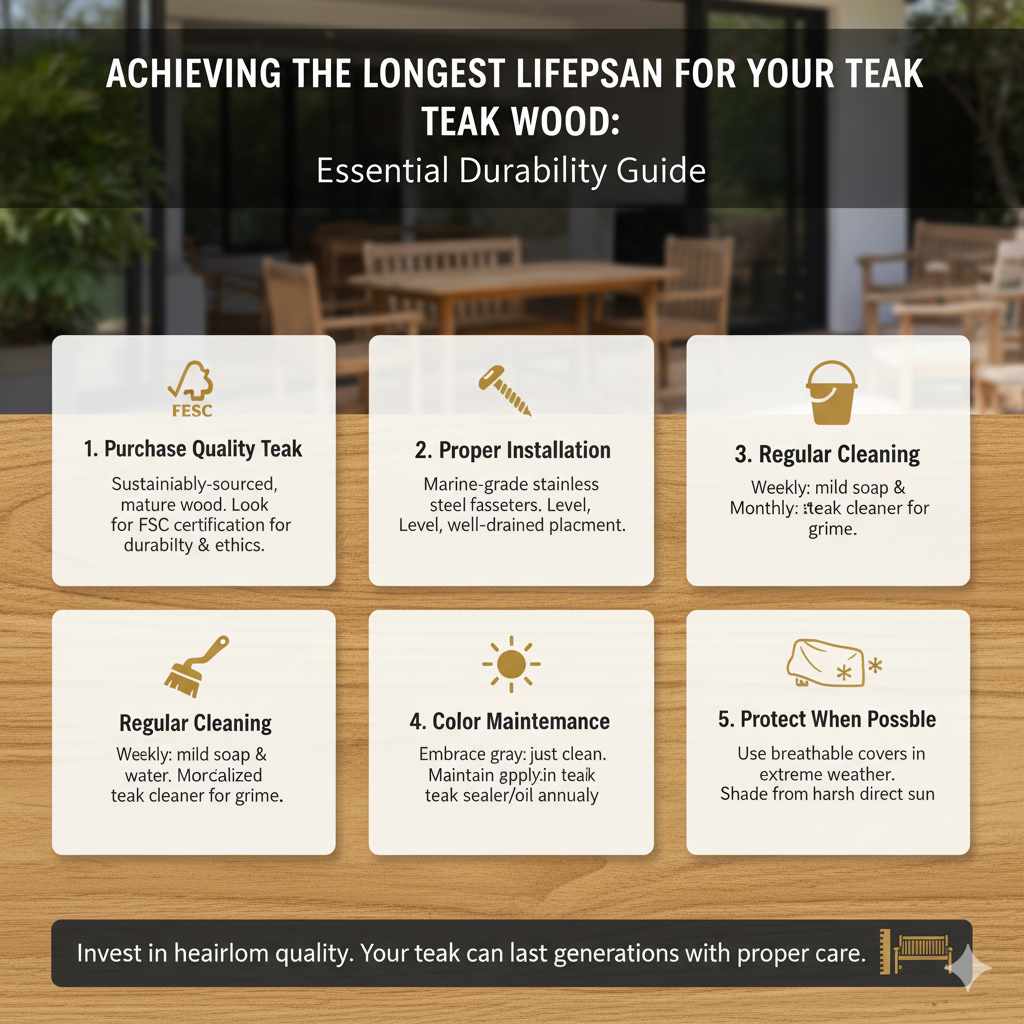
1. Purchase Quality Teak Wood
Start with the best! Seek out suppliers who specialize in genuine, sustainably-sourced teak. Ask about the origin and maturity of the wood (old-growth vs. plantation). While more expensive upfront, high-quality teak will pay for itself in the long run through its durability and reduced need for frequent repairs or replacements. If you are unsure a piece is real teak, our guide on how to tell if wood is teak covers the checks that work.
Look for certifications like FSC (Forest Stewardship Council) to ensure responsible sourcing, which is good for the environment and often indicates better quality control.
2. Proper Installation and Placement
If you’re building something with teak, ensure it’s built to last. Use marine-grade stainless steel fasteners to prevent rust stains and corrosion. For outdoor furniture, place it on a level surface that allows for good drainage. Avoid placing teak directly on soil or areas that retain a lot of moisture for extended periods.
3. Keep Up a Simple Care Routine
The routine itself – how often to clean, whether to oil or seal, how to revive faded gray teak – matters enough that it has its own dedicated walkthrough. Our step-by-step teak preservation guide covers the full cleaning schedule, stain and mildew removal, and oil versus sealer comparison in detail. The short version: teak that’s never oiled or sealed will still last its full structural lifespan, it just weathers to gray within a year or two instead of keeping its golden-brown color.
A Note on Finishes: While some people varnish or paint teak, it’s generally not recommended for outdoor furniture. Teak’s natural oils can prevent these finishes from adhering properly, potentially leading to peeling and flaking. Also, such finishes can trap moisture, working against the wood’s natural properties and potentially shortening its lifespan.
5. Protect from Harsh Conditions When Possible
While teak is resilient, it doesn’t hurt to provide a little extra protection during extreme weather:
- Winter Storage: If you live in an area with harsh winters, consider storing your teak furniture indoors or covering it with breathable, waterproof covers. Ensure there’s still airflow underneath to prevent mold or mildew.
- Shade: Whenever possible, place teak furniture in shaded areas to reduce direct sun exposure, which helps maintain its color and can prevent minor surface drying over time.
Taking these steps requires a bit of effort, but remember: when you invest in teak, you’re investing in an heirloom. Proper care ensures that your beautiful teak pieces will not only last but will continue to look their best for decades to come.
Frequently Asked Questions About Teak Wood Durability
Does teak wood rot?
No, genuine teak wood is highly resistant to rot and decay. The natural oils and high silica content within the wood actively repel fungi and insects that cause rot, making it one of the most durable woods available for outdoor use.
Can teak wood be left outside all year round?
Yes, teak wood is specifically designed to withstand the elements. You can leave teak furniture outdoors year-round. It will naturally weather to a silvery-gray color.
Does teak last longer than cedar or Ipe?
Teak and Ipe both typically last 20-40+ years outdoors and resist rot well, while cedar usually lasts 15-25 years. Teak’s advantage is lower maintenance: its natural oils mean it needs little to no sealing to hit that lifespan, where cedar needs regular staining to avoid weathering early.
Does skipping teak oil shorten its lifespan?
No. Teak’s structural lifespan comes from its natural oils and silica content, not from added oil or sealer. Skipping oil just means the wood weathers to a silver-gray patina within a year or two instead of keeping its golden-brown color – the wood underneath stays just as strong.
Sponsored / affiliate links. As an Amazon Associate I earn from qualifying purchases. I may earn additional commission from eligible campaigns.