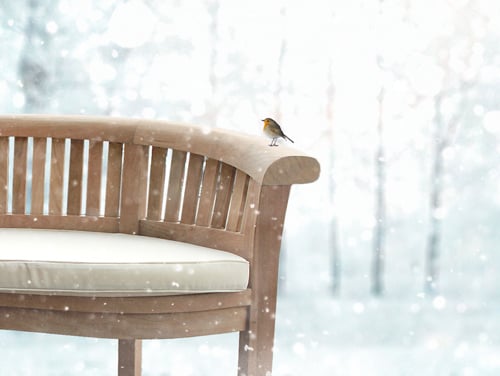
Can Teak Furniture Stay Outside in Winter? Yes, It’s Built for It
Teak furniture can be left outside in winter. However, it requires proper care to endure harsh conditions.
Teak is a durable hardwood, famous for its weather-resistant properties. But winter elements like snow, ice, and freezing temperatures can affect it. If you leave your teak furniture outdoors, you must take some precautions. Caring for teak in winter ensures it remains beautiful and lasts longer.
You may wonder how to prepare your outdoor furniture for the cold months. In this post, we will explore the steps to protect your teak. We’ll also discuss why teak is a great choice for outdoor furniture. Stay tuned to learn how to keep your teak looking its best all year round.
Credit: www.cyan-teak-furniture.com
Teak Furniture And Winter Challenges
Best Teak Protector Pick
 |
STAR BRITE Premium Golden Teak Oil, 16 oz – $17.95 A coat of this before winter is the teak-oil step this guide recommends to refresh the wood’s natural oils before covering or storing outdoor furniture.
|
Teak owes its cold-weather toughness to an unusually high concentration of natural oils and silica compounds locked in its grain – roughly double the oil content of most outdoor hardwoods like oak or ash. Those oils act as a built-in water repellent, so when temperatures drop below freezing, the wood doesn’t absorb moisture the way it does swell, crack, and eventually rot from repeated freeze-thaw cycles. Teak’s density – around 640 kg/m³, versus roughly 590 for white oak – also means less internal movement when temperatures swing between a 20°F night and a 45°F afternoon, which is exactly the kind of swing that splits less stable woods.
The one thing winter does change is the surface, not the structure. UV exposure and moisture break down the outermost layer of lignin, and within one to two seasons outdoors the surface oxidizes to a silvery-grey patina – a cosmetic shift, not decay. Some owners like the driftwood look and let it happen; others sand it back and re-oil to keep the honey-brown color. Either way, the grey layer is only a few thousandths of an inch deep and doesn’t compromise the wood underneath.
Benefits Of Teak Wood
The natural oils in teak – primarily tectoquinones, the same compounds that give the wood its distinctive smell when freshly cut – are what set it apart from other outdoor hardwoods. They fill the wood’s cell structure and repel water at the surface, so rain and melting snow bead up and run off instead of soaking in. That same oil content makes teak naturally unappetizing to termites and wood-boring insects, which is why shipbuilders have used it for deck planking since the 1800s without chemical pest treatment.
Untreated teak furniture left outdoors year-round in a temperate climate typically holds up for 20 to 40 years before structural issues appear – well beyond what pine, cedar, or even most treated woods manage under the same exposure. Winter specifically tests a wood’s dimensional stability, and teak’s tight, interlocked grain resists the expansion and contraction that causes joints to loosen and boards to cup. That’s the real reason teak furniture doesn’t need annual sealing to survive outside – oiling is about appearance, not survival.
Preparing Teak Furniture For Winter
Start winter prep with a real cleaning, not just a wipe-down: mix a few tablespoons of mild dish soap (or a dedicated teak cleaner) into a gallon of warm water, and scrub with a soft-bristle brush working along the grain. Grain-crossing scrub marks are a common mistake – they leave visible scratches once the wood dries. Rinse thoroughly with a garden hose, since leftover soap residue attracts dirt faster once winter grime starts sticking to the surface, and let the piece dry for a full 24 to 48 hours before doing anything else.
Once it’s bone-dry, work in a coat of teak oil (a golden teak oil like STAR BRITE’s, not a generic mineral oil) with a lint-free cloth, going with the grain and letting it sit for 10 to 15 minutes so it can penetrate before wiping off the excess – oil left sitting on the surface turns tacky and attracts dust. One coat before winter is usually enough for furniture that will be covered; pieces left fully exposed do better with two thin coats spaced a day apart. Skip aggressive polyurethane sealants on teak specifically – they trap moisture underneath instead of letting the wood’s own oils regulate it, which is the opposite of what you want going into a wet season.
Covering Teak Furniture
The material matters more than most people realize: a fully waterproof vinyl cover traps condensation underneath just like a plastic bag would, which is how mildew gets started in the first place. Look instead for a breathable, water-resistant fabric – polyester with a PVC or acrylic backing is the standard choice for outdoor furniture covers – that sheds rain and snow on the outside while still letting trapped moisture vapor escape. Covers with a drawstring hem or buckle straps at the base hold up far better in wind than ones relying on elastic alone, which stretches out and lets the wind get underneath within a season or two.
Fit the cover after the piece is clean and completely dry, since sealing in even light surface moisture under a cover for weeks is enough to start a mildew bloom. Leave a couple of inches of clearance at the bottom rather than letting the cover drape to the ground – fabric touching wet ground or snow wicks moisture straight up into the fold, which is one of the most common causes of dark staining on stored outdoor furniture.
Storing Teak Furniture
A garage, shed, or basement with steady humidity below 60% is the safest place for teak over winter, since indoor storage removes the freeze-thaw cycling entirely. A breathable cotton or muslin sheet over the piece keeps dust off without sealing in moisture the way a plastic tarp does – plastic sheeting is one of the most common causes of mildew spotting on stored teak, because condensation forms on the underside overnight and has nowhere to go.
When storage space isn’t an option and the furniture has to stay outside, a fitted waterproof-and-breathable cover paired with a raised platform – even a set of plastic furniture risers or a few deck blocks under the legs – keeps the wood out of standing meltwater, which is often a bigger threat than the cold itself. Brush accumulated snow off the cover after storms so its weight doesn’t stress the seams, and on dry, sunny days above freezing, pull the cover back for a few hours so any trapped humidity can vent before it condenses again overnight.
Maintaining Teak Furniture During Winter
Check covered furniture roughly every two to three weeks through winter rather than leaving it untouched until spring – hairline cracks and loosening joints are far easier to fix while they’re small. Look specifically at end grain and joint areas first, since those are where moisture gets in fastest, and brush off any dirt or debris that’s collected under the cover before it has a chance to hold moisture against the surface.
A hairline surface crack usually just needs a fresh coat of teak oil worked in with a soft cloth and left to soak for a few hours before wiping the excess – the oil swells the surrounding fibers slightly and helps close small checks. A joint that’s gone loose from seasonal wood movement calls for a waterproof wood glue (Titebond III is a common outdoor-rated choice) worked into the joint and clamped for the full cure time on the label, typically 24 hours, rather than just re-tightening a bolt and hoping it holds.
Restoring Teak Furniture Post-winter
Once temperatures reliably stay above freezing, uncover the furniture and give it a proper spring cleaning – the same warm water and mild soap mix used in the fall, scrubbed along the grain to lift the grime that inevitably works its way under a cover over several months. Rinse well and give it a full day or two to dry completely before doing any oiling; teak oil applied over damp wood doesn’t penetrate properly and can leave a cloudy film.
A single fresh coat of teak oil once the wood is dry restores the color that faded over winter and re-primes the surface’s water resistance for the season ahead. Most teak furniture only needs this once a year if it was properly covered over winter – pieces left fully exposed to sun and rain year-round often need two applications, spring and midsummer, to keep the surface from graying prematurely.
Credit: www.luxushomeandgarden.com
Common Myths About Teak Furniture
The biggest myth is that teak is “maintenance-free” simply because it’s weather-resistant. Weather-resistant and maintenance-free aren’t the same thing – teak still needs periodic cleaning to stay looking good, even if skipping it won’t rot the wood the way it would with pine or fir. There’s also a persistent myth that teak oil is mandatory for survival; in reality it’s purely cosmetic, since the wood’s own natural oils handle the structural protection. Applying oil over furniture that’s already picking up mildew actually traps moisture against the surface and can make a mold problem worse, not better – clean and dry it first, oil second.
The other myth worth retiring is that teak is indestructible. It’s genuinely more weather-tolerant than almost any other furniture wood, but extended exposure to standing water, repeated freeze-thaw cycling in a harsh climate (zone 5 and colder), or years of direct sun without any oiling will eventually show up as surface checking or slight warping. A cover or indoor storage during the worst stretch of winter isn’t overkill – it’s the difference between furniture that looks good after 10 winters and furniture that looks good after 25.
Credit: www.luxushomeandgarden.com
Frequently Asked Questions
Can Teak Furniture Withstand Winter Weather?
Yes, teak furniture can withstand winter weather due to its natural oils and dense grain. However, it is advisable to cover it or store it indoors to prolong its lifespan.
Do I Need To Cover Teak Furniture In Winter?
Covering teak furniture in winter is recommended. It helps protect the wood from harsh elements and prevents potential damage, ensuring longevity.
Will Teak Furniture Crack In Winter?
Teak furniture is less likely to crack in winter due to its durability and natural oils. However, extreme conditions can still cause minor cracks.
How Do I Maintain Teak Furniture In Winter?
To maintain teak furniture in winter, clean it thoroughly, apply a teak protector, and cover it. This helps protect the wood from moisture and cold.
Conclusion
Teak furniture can absolutely stay outside all winter – its natural oil content, density, and tight grain make it one of the very few furniture woods built to handle freezing temperatures without structural damage. The work that actually matters is the sequence: clean thoroughly before the cold sets in, oil once while the wood is dry, fit a breathable (not fully sealed) cover with clearance off the ground, and check on it every few weeks rather than forgetting about it until spring.
Do that consistently and a well-made teak piece will comfortably outlast furniture made from almost any other wood, often by decades – the silver-grey patina it develops along the way is a cosmetic footprint of years of use, not a sign it needs replacing.
Sponsored / affiliate links. As an Amazon Associate I earn from qualifying purchases. I may earn additional commission from eligible campaigns.