Is Wood Ash Good For Garden? Essential Benefits
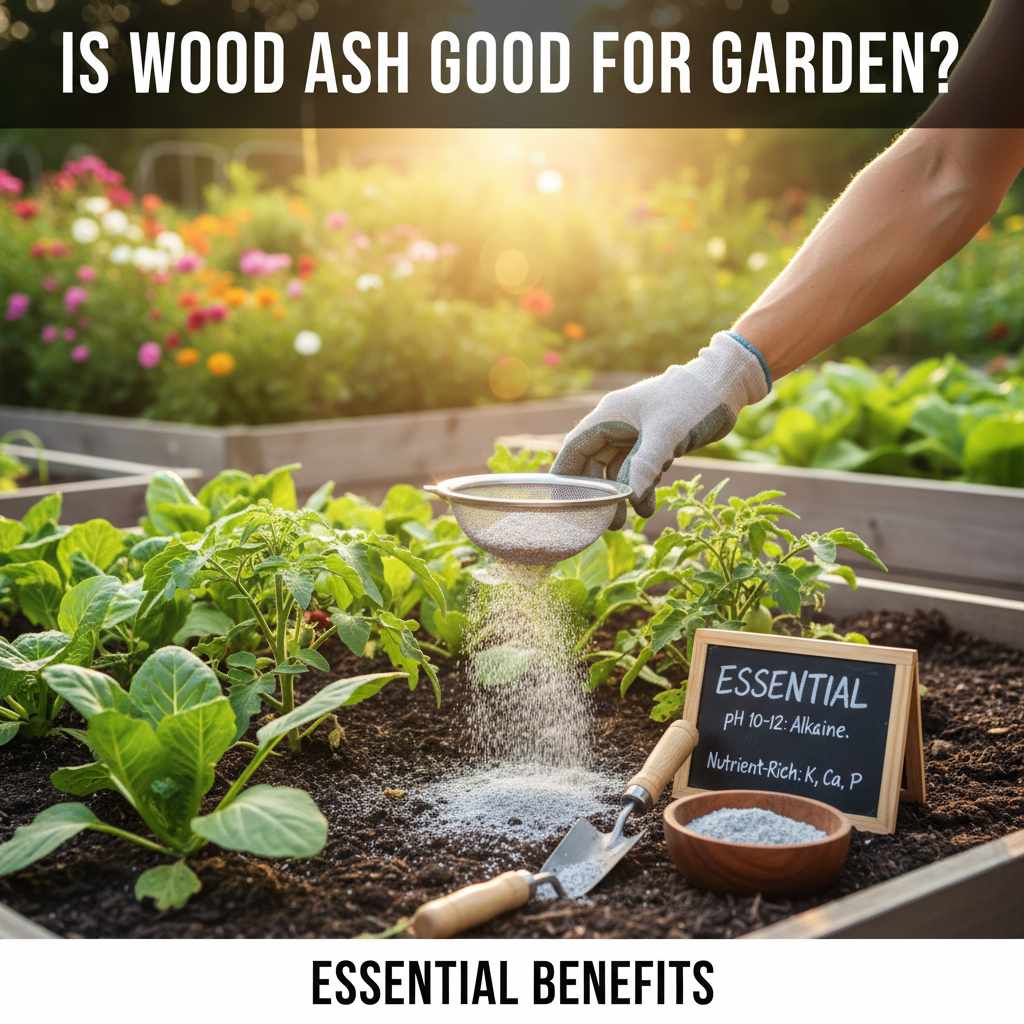
Yes, wood ash can be a wonderful, natural addition to your garden! When used correctly, it improves soil pH, adds essential nutrients like potassium and calcium, and can even help deter some pests. This guide will show you exactly how to use it safely and effectively for a healthier, more vibrant garden.
Gardening can sometimes feel like a puzzle, and knowing what to feed your plants can be a big part of it. You might have heard about using wood ash from your fireplace or wood-burning stove in your garden, but you’re not quite sure if it’s a good idea. It’s totally understandable to be cautious – we all want the best for our little green friends! The good news is, with a few simple tips, wood ash can become a secret weapon for a flourishing garden, bringing back that joy and satisfaction. We’ll walk you through everything you need to know, step-by-step, so you can use it with confidence.
What Exactly is Wood Ash?
When we talk about wood ash in the garden, we’re referring to the powdery residue left behind after clean, untreated wood has burned completely. Think of the fine, gray dust you find in your fireplace or wood stove. This isn’t just ashes; it’s a treasure trove of minerals that can do wonders for your soil. It’s important to know that we’re only talking about ash from natural, unpainted, unstained, and untreated wood. Things like treated lumber, charcoal briquettes, or trash that has been burned will not be good for your garden and can actually cause harm.
The Science Behind the Sparkle: Key Minerals in Wood Ash
Wood ash is packed with beneficial compounds that plants need to grow strong. The primary components are calcium and potassium, but you’ll also find smaller amounts of phosphorus, magnesium, and other trace minerals. These are all essential nutrients that help your garden thrive, acting like a natural fertilizer and soil amendment.
Here’s a quick look at some of the key minerals and what they do:
Calcium (Ca): This is a big one! Calcium is crucial for cell wall development in plants, which helps them stand strong and resist diseases. It also helps with nutrient uptake.
Potassium (K): Often called the “quality nutrient,” potassium is vital for overall plant health, including flowering, fruiting, and disease resistance.
Phosphorus (P): Important for root development, flowering, and seed formation.
Magnesium (Mg): A key component of chlorophyll, the molecule that allows plants to capture sunlight for energy.
Essential Benefits of Using Wood Ash in Your Garden
So, why should you consider adding this powdery byproduct to your garden beds? The benefits are numerous, touching on soil health, plant vitality, and even pest control.
1. Improves Soil pH – The Gentle Adjuster
Many garden soils tend to be acidic, especially in areas with high rainfall. Plants, much like us, have their preferences, and most vegetables and flowers thrive in soil that is slightly acidic to neutral (around pH 6.0 to 7.0). Acidic soil can lock up nutrients, making them unavailable to your plants, even if they are present in the soil.
Wood ash is alkaline; this means it can help neutralize acidic soil. By raising the soil pH, wood ash makes essential nutrients like nitrogen, phosphorus, and others more accessible to plant roots. This can lead to significantly better plant growth and health.
Important Note on pH: It’s always a good idea to test your soil’s pH before adding wood ash. You can find affordable soil testing kits at garden centers or online. Aim to raise the pH gradually. Adding too much ash can make the soil too alkaline, which can also hinder nutrient uptake.
2. A Natural Source of Essential Nutrients
Beyond just adjusting pH, wood ash directly feeds your plants with vital minerals. Unlike many synthetic fertilizers that provide a nitrogen boost, wood ash offers a slow-release source of calcium, potassium, and phosphorus. These are the macronutrients plants need in larger quantities for robust growth.
Potassium: Great for fruit development and overall plant hardiness.
Calcium: Helps prevent common issues like blossom end rot in tomatoes and peppers.
The minerals in wood ash are in a form that plants can readily absorb over time, providing sustained nourishment.
3. Enhances Soil Structure and Aeration
As wood ash is fine and powdery, when mixed into the soil, it can help improve its structure. It can bind to soil particles, creating better aggregation. This helps with drainage in clay soils and can improve water retention in sandy soils. A better soil structure also means better aeration, allowing plant roots to breathe and access water and nutrients more effectively.
4. Aiding in Pest and Disease Management
While not a primary function, wood ash can offer some benefits in deterring certain garden pests and even reducing some fungal diseases.
Pest Deterrent: The abrasive nature of ash can deter soft-bodied pests like slugs, snails, and ants. A light ring of ash around vulnerable plants can create an unpleasant barrier for them.
Fungal Disease Control: Some gardeners find that a light dusting of ash on the soil surface or around the base of plants can help manage certain mild fungal issues, like powdery mildew, by creating a less hospitable environment for the fungi.
Caution: This is a mild deterrent, not a strong pesticide. It’s best used as a preventative measure or for minor invasions.
5. Stimulates Beneficial Soil Microorganisms
Healthy soil is teeming with life – beneficial bacteria, fungi, and other microorganisms. These tiny helpers are crucial for nutrient cycling and making minerals available to plants. By adjusting the soil pH to a more neutral range and providing some trace minerals, wood ash can create a more favorable environment for these beneficial microbes to flourish. This contributes to a more balanced and resilient soil ecosystem.
How to Properly Use Wood Ash in Your Garden
Using wood ash isn’t just about scattering it around wildly. There are best practices to ensure you get the most benefit without harming your plants or soil.
What Kind of Wood Ash is Safe?
This is super important! Only use ash from clean, natural, untreated, and unpainted wood. This includes:
Hardwoods like oak, maple, ash, and fruitwoods.
Softwoods like pine and fir (though they tend to have slightly less mineral content).
Avoid ash from:
Treated lumber: This often contains chemicals like arsenic or chromium, which are toxic.
Coal or charcoal briquettes: These can contain heavy metals and other harmful substances.
Painted or stained wood: The coatings can be toxic to plants and soil life.
Garbage or plastics: Burning these releases dangerous fumes and undesirable residues.
Glossy paper or cardboard: Might contain inks and coatings that aren’t garden-friendly.
How to Harvest and Store Wood Ash
1. Let it Cool Completely: Never handle hot ashes. Wait at least 24-48 hours after the fire has died down for ashes to cool completely.
2. Use a Metal Container: Store ashes in a metal bucket with a lid. This prevents moisture absorption and minimizes dust.
3. Keep it Dry: Store your ash container in a dry place, like a shed or garage. Moisture can cause the minerals to leach out and can also promote clumping.
4. Sift if Needed: If you have large chunks of unburned wood in your ash, you can sift it through a garden sieve or hardware cloth to get a finer powder, which is easier to apply evenly.
Application Methods: Spreading the Goodness
There are several ways to apply wood ash to your garden:
1. Direct Application to Soil (Spreading)
This is the most common method.
Timing: The best time to apply wood ash is in the fall or early spring, well before planting. This gives the ash time to break down and integrate into the soil.
Amount: This is crucial! Too much can be detrimental. A general guideline is 1 to 2 pounds of ash per 100 square feet (or roughly one or two handfuls per 10 square feet) per year. For very acidic soils, you might go up to 5 pounds per 100 square feet, but always test your soil pH first.
How to Apply: Spread a thin, even layer of cool, dry ash over the soil surface.
Work it In: Gently rake or lightly till the ash into the top few inches of soil. This helps it mix well and prevents it from blowing away.
2. Applying to Compost Piles
Wood ash can be a beneficial addition to your compost bin.
Layering: Add a thin layer of ash (about half an inch) every time you add a new layer of organic material.
Benefits: It helps to balance the often acidic nature of compost materials (like grass clippings and leaves) and adds valuable minerals to the finished compost.
Avoid Overdoing It: Don’t make ash layers too thick, as it can create a dense, hard-to-compost layer and potentially make your compost too alkaline.
3. As a Soil Drench or Top-Dressing (Use with Caution)
For Specific Needs: If you have a known potassium or calcium deficiency and your soil pH is correct, you could use a very diluted ash solution. Mix a small amount of ash (e.g., 1 tablespoon) with a gallon of water, let it settle, and use the liquid as a soil drench around established plants.
Top-Dressing: A very light sprinkling of ash around established, healthy plants can provide a slow release of minerals.
Exercise Extreme Caution: These methods are best for experienced gardeners who understand their soil and plant needs. It’s very easy to overtreat and cause harm with liquid or top-dressing applications.
What NOT to Do with Wood Ash
Don’t Apply to Acid-Loving Plants: Plants like blueberries, rhododendrons, azaleas, and hydrangeas (unless you want blue flowers, which requires acidic soil) prefer acidic conditions. Wood ash will harm them.
Don’t Pile it Thickly: Thick layers can create a crusty barrier that prevents water and air from reaching roots.
Don’t Apply Before Heavy Rain: Rain can wash away the nutrients and potentially compact the soil.
Don’t Apply Directly to Seedlings or Young Plants: Ash can burn delicate roots and stems.
Don’t Mix with Nitrogen Fertilizers: Combining wood ash with nitrogen fertilizers can cause the nitrogen to dissipate as ammonia gas, reducing the fertilizer’s effectiveness. Wait a few weeks between applications.
When Should You Use Wood Ash?
The best times to incorporate wood ash into your garden routine are typically in the dormant seasons or when preparing beds.
Fall Application
Benefits: Applying ash in the fall allows it to break down and integrate into the soil over winter. This is ideal for gardeners who aim for excellent soil health for the next growing season. It helps balance out any acidity from fallen leaves and can start improving soil structure.
Spring Application
Benefits: If you missed the fall window, spring is the next best time. Apply ash to garden beds before you plant or as you prepare seedlings. This provides a nutrient boost as plants begin their active growth phase.
With Caution: Be mindful of applying it too close to planting seeds or tender young plants.
During the Growing Season
Limited Use: It’s generally best to avoid applying wood ash directly to the soil surface during the peak growing season, especially on established plants. The risk of burning roots or making nutrients unavailable is higher. However, a very light application to compost or as a very diluted soil drench for specific nutrient needs (if you’ve tested your soil) can be done cautiously.
Wood Ash vs. Commercial Fertilizers: A Smart Comparison
While commercial fertilizers are convenient, wood ash offers a natural, cost-effective alternative for certain soil needs.
| Feature | Wood Ash | Commercial Fertilizer (e.g., NPK) |
|---|---|---|
| Primary Nutrients | Calcium, Potassium, Magnesium, trace minerals | Nitrogen (N), Phosphorus (P), Potassium (K) – specific ratios |
| pH Impact | Alkaline (raises pH) | Varies; some are acidic, some neutral, some can raise pH slightly |
| Nutrient Release | Slow, natural release over time | Fast-acting (synthetic) or slower-release (coated/organic types) |
| Cost | Free (if you have a wood fire) | Varies; can be significant, especially for specialized blends |
| Environmental Impact | Renewable resource, recycles minerals | Can have run-off issues, energy-intensive production |
| Soil Structure | Can improve aggregation and aeration | Generally no direct impact on soil structure, may contribute to salt build-up |
| Accessibility | Requires a wood fire (limited availability) | Widely available in garden centers and hardware stores |
| Potential Drawbacks | Can over-alkalize soil, contains small amount of heavy metals over extended use, can harm acid-loving plants | Can burn plants if over-applied, nutrient imbalances, environmental concerns |
When to Choose Wood Ash:
You have acidic soil that needs liming.
Your soil is deficient in potassium and calcium.
You are looking for a free, natural soil amendment.
You want to improve soil structure naturally.
When to Choose Commercial Fertilizer:
Your soil tests indicate a specific deficiency, particularly in nitrogen.
You need a quick nutrient boost for struggling plants.
You are growing plants with very specific nutrient demands.
You don’t have access to clean wood ash.
Frequently Asked Questions About Wood Ash in the Garden
Q1: How much wood ash can I use per year?
A: A good rule of thumb is to apply 1 to 2 pounds of ash per 100 square feet of garden space annually. For very acidic soils, you might increase this slightly, but always test your soil’s pH first. Applying too much can harm your plants.
Q2: Can I use ash from my BBQ grill?
A: Generally, no. BBQ charcoal briquettes often contain binders and lighter fluid additives that are not good for your garden. If you are using natural lump charcoal without additives, the cooled ash might be usable in very small amounts, but it’s best to stick to ash from clean, untreated firewood.
Q3: Will wood ash hurt my vegetables?
A: Wood ash is beneficial for most vegetables by raising pH and adding nutrients. However, it can burn delicate seedlings or harm plants that prefer acidic soil. Always ensure you’re using it in moderation and avoid direct contact with young plants.
Q4: My soil is already alkaline, can I still use wood ash?
A: No, you should not use wood ash if your soil is already alkaline (pH above 7.0). Wood ash is alkaline and will further increase the pH, making it difficult for plants to absorb nutrients.
Q5: How often should I apply wood ash to my garden?
A: It’s recommended to apply wood ash no more than once a year to avoid over-liming the soil. The best practice is usually an annual application in the fall or early spring.
Q6: Can I put wood ash directly on my lawn?
A: Yes, a very light application of wood ash can be beneficial for lawns, especially if the soil is acidic. Spread it thinly (about 1/2 pound per 100 square feet) and rake it into the grass. Avoid applying it in thick layers, as this can scorch the grass.
Q7: What if I accidentally use too much wood ash?
A: If you suspect you’ve used too much wood ash, water the area thoroughly to help dilute it. You may also want to add organic matter like compost or peat moss, which can help buffer the soil’s pH and absorb some of the excess alkalinity. Avoid planting sensitive plants in the area until the soil has recovered.
Conclusion: A Natural Boost for Your Garden’s Health
As you can see, the answer to “is wood ash good for the garden?” is a resounding yes, with the right approach! By understanding what it is, the essential nutrients it provides, and by following careful application guidelines, you can transform this fireplace leftover into a valuable resource for your soil and plants. It’s a wonderfully natural way to improve soil structure, boost nutrient availability, and even help keep some pesky critters at bay.
Remember, moderation and observation are key. Always remember the importance of using only ash from clean, untreated wood. A simple soil test can be your best friend in understanding your garden’s needs and ensuring wood ash is the perfect fit. So, next time you clean out your fireplace, don’t just toss the ash – consider it a gift from nature, ready to nourish your garden and help your plants thrive. Happy gardening!