Poplar vs. Ash: Which Wood Fits Your Project?
Poplar and ash both show up constantly in furniture and DIY project recommendations, but they’re built for very different jobs. Here’s the actual difference and which one fits your project.
The Short Answer: Hardness Is the Real Difference
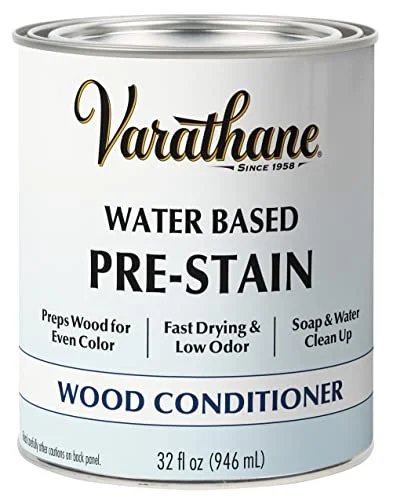 |
Varathane Pre-Stain Wood Conditioner, 1 Qt – $18.29 Poplar’s soft, uneven grain is exactly the kind of surface that blotches under stain — this goes on first to even out absorption before color, not instead of it.
|
Ash is nearly 2.5 times harder than poplar (roughly 1,320 lbf vs. roughly 540 lbf on the Janka scale), which is why poplar is a budget, easy-to-work wood for furniture and painted projects while ash is a genuine performance wood for tool handles, sports equipment, and anything that takes real impact. Both are technically hardwoods (broadleaf trees, not conifers), but “hardwood” describes the tree type, not actual hardness — poplar is famously one of the softest hardwoods sold, well below even some softwoods like Douglas fir.
Poplar: Light, Cheap, and Easy to Work
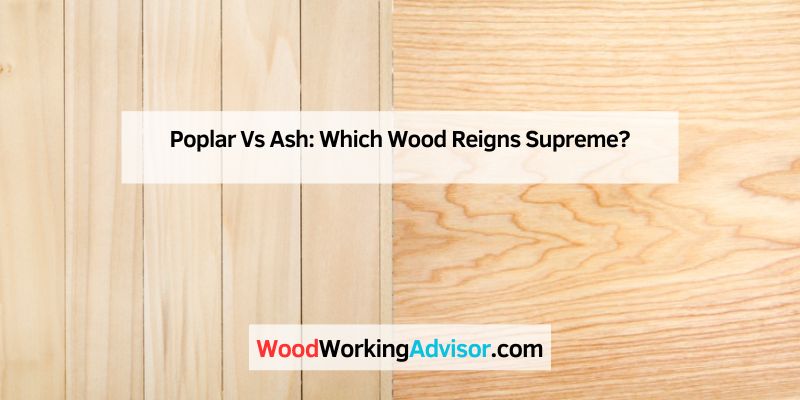
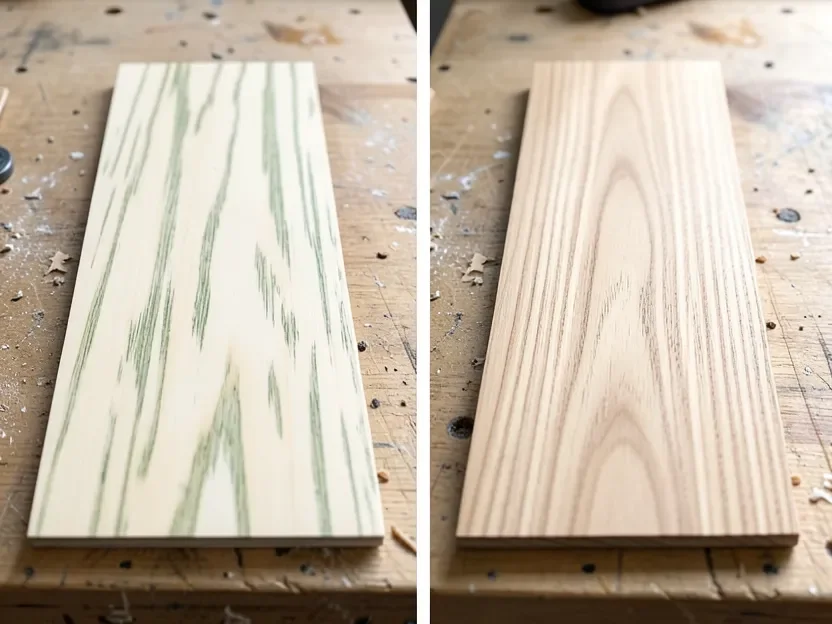
Poplar has a light cream color, often with greenish or grayish streaks running through it, and a straight, fine, mostly knot-free grain. That softness (Janka ~540 lbf) makes it easy to cut, shape, and sand, which is exactly why it’s a favorite for painted furniture, cabinet interiors, and beginner projects — but the same softness means it dents and scratches more easily than harder species, and it’s not a great choice for anything that will see heavy wear or outdoor exposure without real protection.
Ash: Strong, Elastic, and Built for Impact
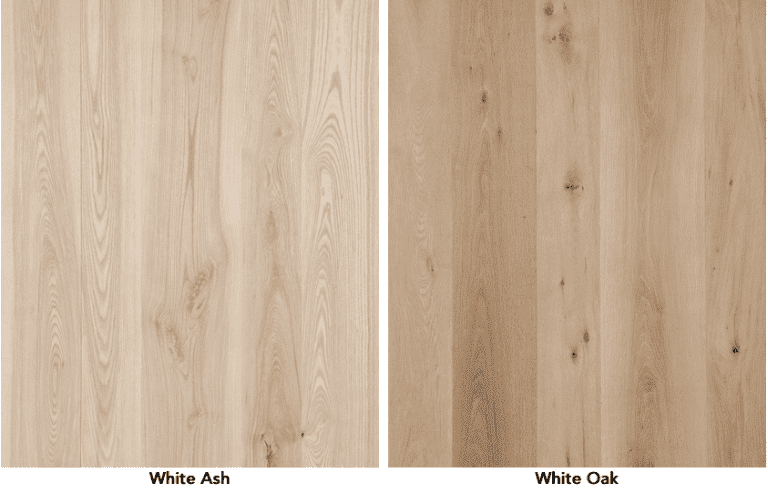
Ash runs from creamy white to light brown with a straight, uniform grain and a medium-to-coarse texture. At roughly 1,320 lbf on the Janka scale, it’s dense and genuinely tough — but ash’s real standout property is elasticity, its ability to flex and absorb shock without snapping, which is exactly why it’s the traditional choice for baseball bats, tool handles, and hockey sticks, not just furniture. That combination of strength and shock resistance is harder to find in a single species than raw hardness alone.
A Real Supply Issue: The Emerald Ash Borer
Ash availability has a genuine, ongoing complication: the emerald ash borer, an invasive beetle, has killed hundreds of millions of ash trees across North America since it was first detected in 2002, and it continues to spread. That’s already tightening supply and pushing prices up in affected regions, and it’s a real factor to ask about if you’re sourcing ash locally — not just a hypothetical sustainability talking point. Poplar, by contrast, is fast-growing and widely available, which keeps its price low and supply steady.
Poplar vs. Ash at a Glance
| Property | Poplar | Ash |
|---|---|---|
| Janka hardness | ~540 lbf | ~1,320 lbf |
| Color | Cream, often greenish/gray streaks | Creamy white to light brown |
| Typical price | Lower, widely available | Higher, supply affected by emerald ash borer |
| Best for | Painted furniture, cabinet interiors, crafts | Tool handles, sports equipment, furniture needing strength |
| Staining | Blotches easily — needs pre-stain conditioner | Takes stain evenly on its own |
| Outdoor use | Poor without heavy protection | Better, but still needs sealing |
Workability and Finishing
Poplar’s softness makes it fast and easy to cut and sand with basic tools, but that same softness causes it to blotch under stain — a pre-stain wood conditioner (see below) is the standard fix, or paint it instead, which poplar takes exceptionally well. Ash needs sharper tools and more effort to work but rewards you with an attractive, pronounced grain that looks great under a clear finish without much fuss; staining ash evenly is rarely a problem the way it is with poplar.
Which One for Your Project?
- Painted furniture or cabinet parts: poplar — cheap, easy to work, paint hides its grain and streaking anyway
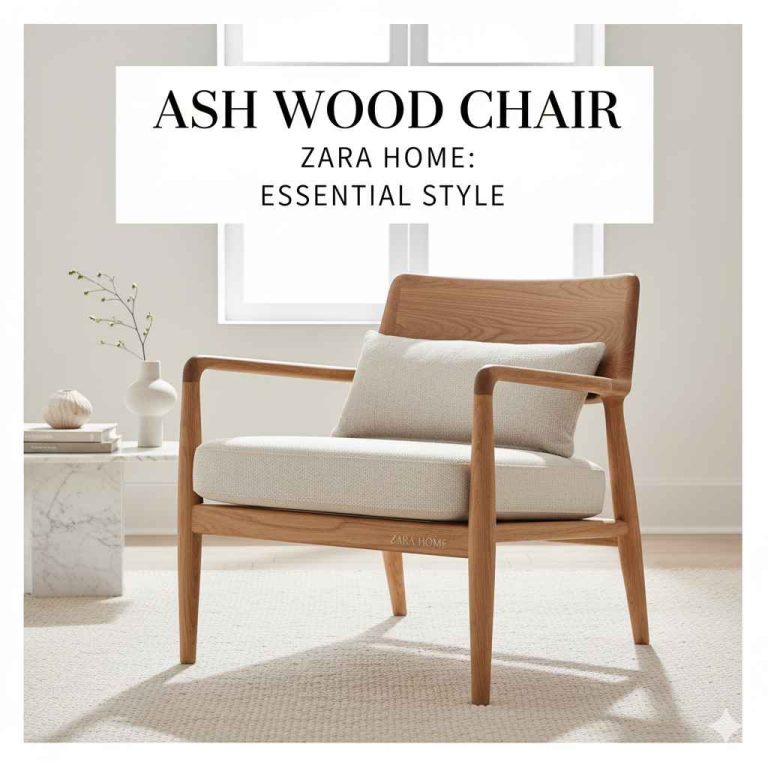
- Tables, chairs, or anything taking daily wear: ash — the extra hardness and shock resistance actually matter here
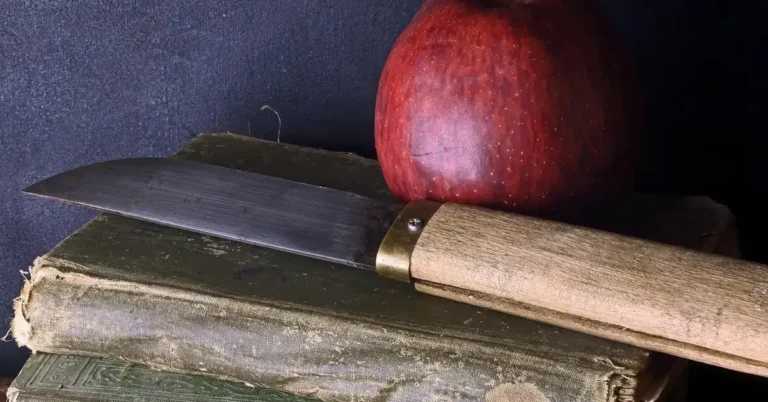
- Tool handles, bats, or anything absorbing impact: ash, decisively — this is what it’s traditionally used for
- Tight budget, indoor-only project: poplar
- A clear/natural finish you want to look good with minimal fuss: ash
Frequently Asked Questions
What is the main difference between ash and poplar?
Hardness. Ash is roughly 2.5 times harder than poplar (about 1,320 lbf vs. 540 lbf on the Janka scale), making it far more durable and impact-resistant, while poplar is softer, cheaper, and easier to cut and shape.
What are the disadvantages of poplar wood?
It dents and scratches easily due to its softness, isn’t well suited to heavy-duty or outdoor use without protection, and blotches under stain unless pre-treated with a wood conditioner.
Is poplar wood OK to burn in a fireplace?
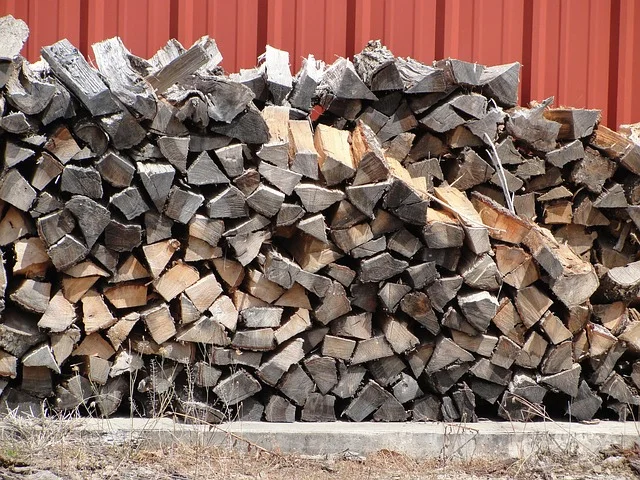
Yes, if it’s well-seasoned. It burns fast and produces moderate heat, so it’s best mixed with a harder wood for a longer-lasting fire rather than used as your only fuel source.
Conclusion
Poplar and ash aren’t really competing for the same job — poplar is the budget, easy-to-work choice for painted projects and light-duty furniture, while ash’s real hardness and shock resistance earn it a place in anything that takes actual abuse. Pick based on what the piece will actually go through, not just price or looks.
Sponsored / affiliate links. As an Amazon Associate I earn from qualifying purchases. I may earn additional commission from eligible campaigns.