What Nutrients Are in Wood Ash? (Potassium, Calcium & More)
Wood ash is rich in potassium and calcium, carries a little phosphorus and magnesium, and has essentially zero nitrogen — it burns off as gas long before the fire dies down. That’s why wood ash acts more like a liming agent than a complete fertilizer: it raises soil pH and adds a real dose of potash, but it can’t feed nitrogen-hungry plants on its own. Below are the actual percentages from university extension testing, why nitrogen is missing, and how the numbers change depending on what wood you burned.
What’s Actually in Wood Ash: The Real Percentages
Nutrient content varies by wood species and how completely it burned, but university extension testing puts average hardwood ash in this range:
Best Soil pH Tester Pick
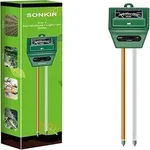 |
SONKIR Soil pH Meter, MS02 3-in-1 – $8.99 Wood ash raises soil pH, so test your soil before and after applying it — this probe reads pH, moisture, and light with no batteries needed.
|
| Nutrient | Typical % in Wood Ash | What It Does |
|---|---|---|
| Calcium (as CaCO₃/CaO) | 25–50% | Raises soil pH; the main reason wood ash works as a lime substitute |
| Potassium (K) | 5–7% | The main plant nutrient in wood ash — equivalent to potash |
| Phosphorus (P) | 1.5–2% | Modest amount; supports root and flower development |
| Magnesium (Mg) | ~1% | Supports chlorophyll production |
| Nitrogen (N) | Essentially 0% | Burned off as gas during combustion — not present in ash |
| Trace minerals | Small amounts | Boron, copper, zinc, sulfur, molybdenum |
Sources: University of Maine Cooperative Extension, University of New Hampshire Extension, and University of Wisconsin Horticulture Extension wood ash soil amendment guides.
Translated into a commercial fertilizer label, average wood ash works out to roughly a 0-1-3 NPK — no nitrogen, a trace of phosphorus, and a real amount of potassium. That’s the number to compare against a bag of 10-10-10 if you’re deciding whether wood ash alone can replace a fertilizer application (it can’t — see below).
Why Wood Ash Has No Nitrogen
Nitrogen in wood is stored in volatile compounds that vaporize at combustion temperatures well below what a typical fire, wood stove, or fireplace reaches. By the time wood has fully burned down to ash, essentially all of its nitrogen has already left as gas — none of it stays behind in the mineral residue. This is also true of sulfur, though a small amount of sulfur does remain bound in the mineral ash. Calcium, potassium, phosphorus, and magnesium, by contrast, are mineral elements with much higher boiling points, so they survive combustion and concentrate in the ash left behind.
Practically, this means wood ash alone will never green up a nitrogen-deficient lawn or feed a heavy nitrogen feeder like corn or leafy greens. Pair it with a nitrogen source — compost, blood meal, or a nitrogen fertilizer — rather than relying on it as a stand-alone plant food.
Wood Ash’s Real Strength: It’s a Liming Agent, Not a Fertilizer
The calcium compounds that make up a quarter to half of wood ash’s weight are chemically close to agricultural lime, which is exactly why wood ash raises soil pH so reliably. Extension research measures this using calcium carbonate equivalent (CCE) — a scale that rates any liming material against pure limestone (100% CCE). Hardwood ash typically tests at 40–70% CCE, meaning it takes roughly 1.5 to 2.5 times as much wood ash as agricultural lime to raise soil pH by the same amount.
That’s the real value of wood ash: a free, slower-acting substitute for garden lime that happens to carry some potassium along with it — not a balanced plant food. If your soil is already neutral or alkaline (test it first), adding wood ash can push pH too high and lock out iron and phosphorus, so it’s not something to apply automatically every year.
Does the Type of Wood Change the Nutrient Content?
Yes. Hardwood species (oak, maple, ash, hickory) leave more ash per pound burned and a higher mineral concentration than softwoods like pine or fir — roughly 6–10% ash by weight for hardwoods versus 1–5% for softwoods. Bark and leaves also concentrate more calcium and potassium than the wood itself, so ash from whole trees or brush tends to test slightly higher in nutrients than ash from clean split logs. What never changes: only ash from untreated, unpainted wood is safe to use in a garden. Ash from plywood, pressure-treated lumber, particleboard, or charcoal briquettes can carry arsenic, chromium, or other additives and shouldn’t go anywhere near food crops.
Wood Ash vs. Garden Lime vs. Compost: How the Nutrients Compare
It helps to see wood ash next to the two amendments people most often confuse it with:
| Amendment | Raises pH? | Nitrogen | Potassium | Main use |
|---|---|---|---|---|
| Wood ash | Yes (40–70% CCE) | None | 5–7% | Liming + a little potash, free byproduct |
| Agricultural lime | Yes (100% CCE, by definition) | None | None | Precise, predictable pH correction |
| Finished compost | Minimal, near-neutral | Low but present | Low, variable | Organic matter, slow-release balanced nutrition |
The practical takeaway: wood ash and lime do the same basic job (raising pH), so don’t apply both at once without a soil test — stacking them is the single most common way gardeners push soil pH too high. Compost solves a different problem (organic matter and slow-release nutrition) and pairs well with either, since it won’t compound the pH swing.
Two Myths About Wood Ash Nutrients, Corrected
Myth: “Wood ash is a complete, balanced fertilizer.” It isn’t. A complete fertilizer supplies nitrogen, phosphorus, and potassium in meaningful amounts; wood ash supplies potassium and calcium but essentially no nitrogen at all. Treating it as a stand-alone fertilizer is the single most common wood-ash mistake — it will raise pH and add potash, but nitrogen-hungry plants will still come up short.
Myth: “More wood ash means more nutrients, so it’s fine to apply heavily.” Because a quarter to half of wood ash’s weight is calcium compounds acting as lime, heavy or repeated applications don’t just add nutrients — they push soil pH upward every time. Past roughly pH 7.5, phosphorus and iron become less available to plants even though they’re technically still in the soil, which can produce nutrient-deficiency symptoms in a garden that was actually over-limed, not under-fed. University extensions generally cap recommended rates at around 15–20 pounds per 1,000 square feet per year on garden soil, and less on soil that’s already neutral to alkaline.
How to Use This Information
Knowing what’s actually in wood ash is the first step — the next is applying it correctly. For exact application rates by plant type, see our guide to wood ash benefits for plants. If you’re treating it as a fertilizer substitute and want the safe-rate math laid out, wood ash as fertilizer covers that in detail. And if chickens or a broader soil-amendment routine are part of the picture, using wood ash in soil walks through dosing and safety.
Frequently Asked Questions
Does wood ash contain nitrogen?
No. Wood ash contains essentially zero nitrogen. Nitrogen compounds in wood vaporize during combustion, so none remains in the mineral ash left behind. Wood ash must be paired with a separate nitrogen source to feed nitrogen-hungry plants.
How much potassium is in wood ash?
Wood ash typically contains 5 to 7 percent potassium by weight, which is why it’s historically been called “potash” — it was literally the source of potassium carbonate before synthetic fertilizers existed.
What is the NPK of wood ash?
Average wood ash works out to roughly a 0-1-3 NPK equivalent: no nitrogen, about 1.5–2% phosphorus, and 5–7% potassium.
Does wood ash contain phosphorus?
Yes, but only a modest amount — about 1.5 to 2 percent by weight. It’s enough to make a small contribution to root and flower development, but not enough to treat wood ash as a phosphorus fertilizer on its own.
Does wood ash contain magnesium?
Yes, wood ash contains roughly 1 percent magnesium, along with trace amounts of boron, copper, zinc, sulfur, and molybdenum.
Is wood ash a complete fertilizer?
No. Wood ash lacks nitrogen entirely, so it can’t function as a complete, balanced fertilizer on its own. It works best as a liming agent and potassium source paired with a separate nitrogen source like compost or a nitrogen fertilizer.
Does the type of wood affect wood ash’s nutrient content?
Yes. Hardwood species like oak and maple produce more ash with a higher mineral concentration than softwoods like pine. Only ash from clean, untreated wood should go in a garden — ash from plywood, painted, or pressure-treated lumber can contain arsenic, chromium, or other unsafe additives.
Sponsored / affiliate links. As an Amazon Associate I earn from qualifying purchases. I may earn additional commission from eligible campaigns.
 Rosano's Mineral Oil Free Wood Butter - Natural Wood Conditioner for Cutting Boards, Furniture, Wood Utencils & Dishware - Beeswax & Coconut Oil - 6oz - Food Safe
 Pine Square Dowels (3/8" x 36", Pack of 40) | Variety of Diameters & Wood Species | Unfinished Wooden Dowel Rods for Crafts & DIY Home Projects | Curtain Rod, Macrame Supplies, Moulding Trim, Flagpole