Jigsaw Vs Oscillating Tool: Which is Best for DIY?
When you’re diving into a DIY project or tackling a home improvement task, choosing the right tool can make all the difference. You might find yourself staring at a jigsaw and an oscillating tool, wondering which one will best suit your needs.
Both are popular choices among DIY enthusiasts and professionals alike, but each has its unique strengths and weaknesses. Imagine the satisfaction of cutting precisely or sanding effortlessly with the right tool in your hand. Your project deserves that perfection. By understanding how a jigsaw differs from an oscillating tool, you can make an informed decision that saves you time, money, and frustration.
Let’s explore the key features of these tools to help you decide which one will be your trusted companion in your next project. Keep reading, because your ultimate tool choice awaits, promising to transform your DIY experience.

Credit: www.youtube.com
Tool Overview
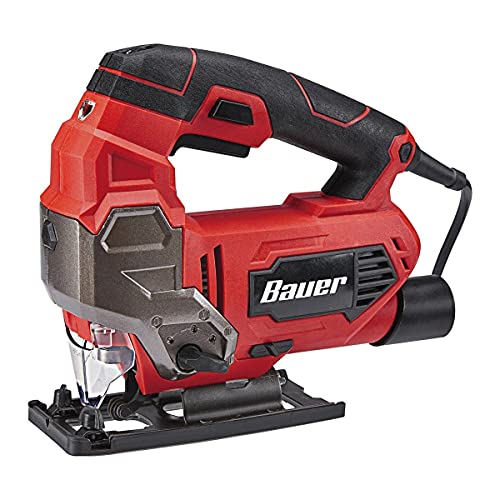
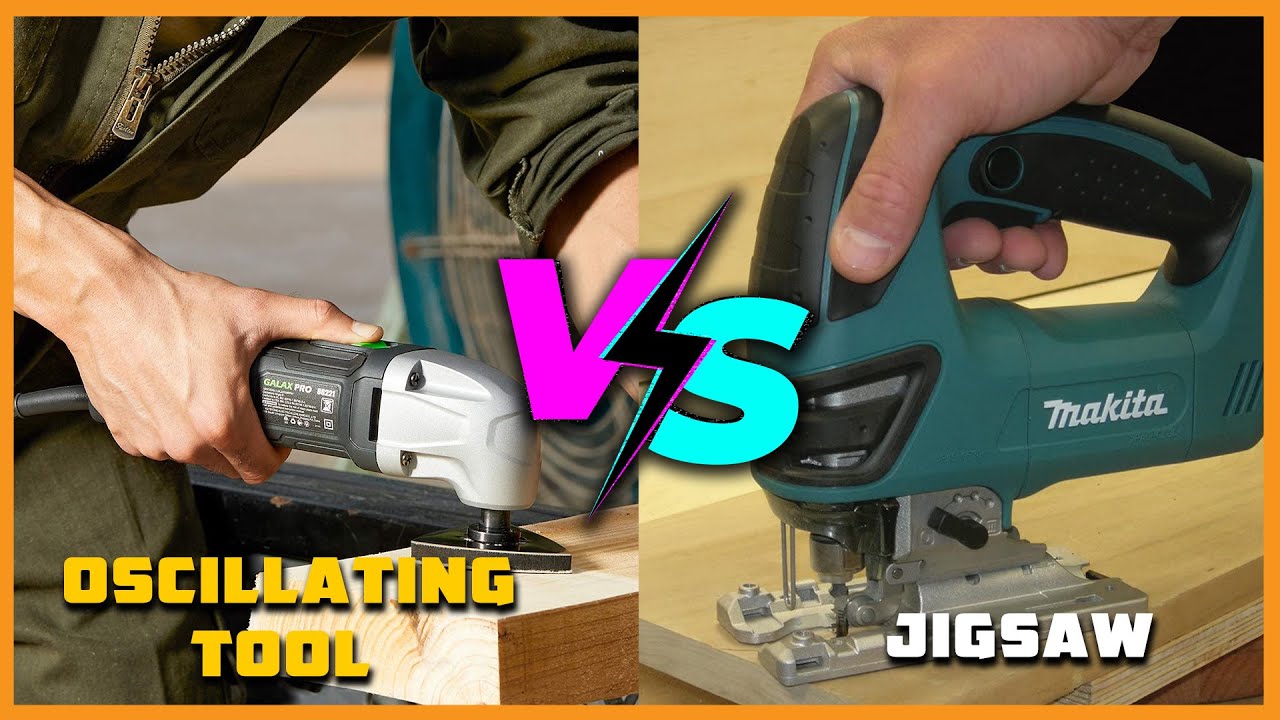
A jigsaw is a power tool. It cuts shapes in wood, metal, and plastic. It has a thin blade. The blade moves up and down fast. You can make curved cuts with it. It is easy to use. Many people like it for DIY projects. It helps with creative designs.
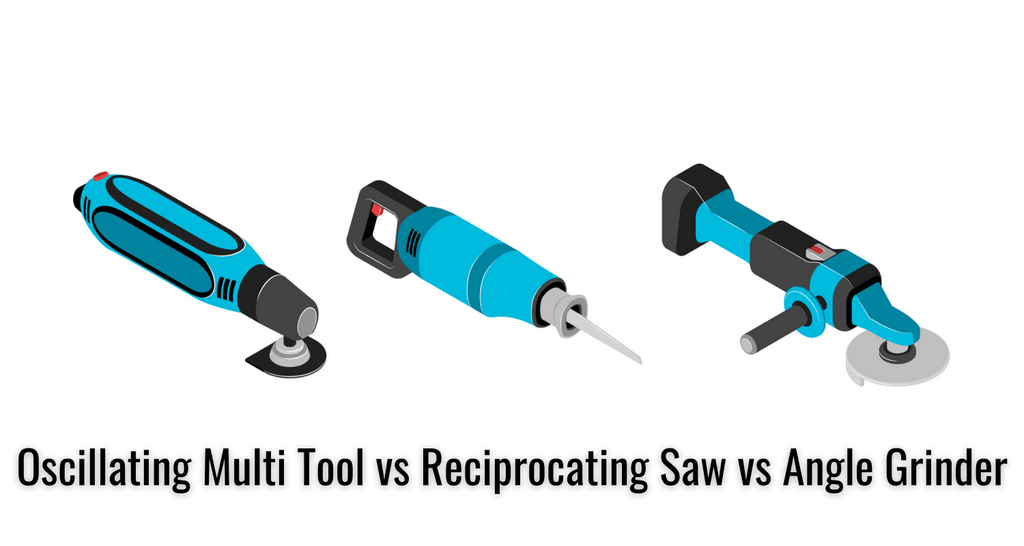
An oscillating tool is very useful. It can sand, cut, and grind. The blade moves side to side, not up and down. Fast vibrations help work on tight spaces. It can cut wood, plastic, and metal. It is good for home fixes. Many people use it for quick repairs.
Key Features Comparison
A jigsaw is great for cutting curves in wood. It can also cut straight lines. The blade moves up and down. An oscillating tool cuts with a back-and-forth motion. It is good for small, precise cuts. Both tools can cut different materials. But they have different strengths.
Jigsaws are best for woodwork projects. They are not very good on hard materials. Oscillating tools are more versatile. They can sand, cut, and scrape. They have different attachments for different tasks. Both tools have their own uses. Choose based on the job you need to do.
Jigsaws are easy to handle. They are good for beginners. You can guide them along a line. Oscillating tools need more skill. They are a bit tricky at first. Both tools need practice. Always be careful when using tools. Safety comes first.
Performance In Different Projects
A jigsaw is great for cutting wood. It makes curved cuts easily. It’s perfect for artistic wood shapes. The oscillating tool is better for small areas. It sands and trims wood nicely. Both tools are useful. Each shines in different tasks.
Cutting metal is hard. The oscillating tool is strong. It cuts metal well. A jigsaw can cut metal too. But it needs a special blade. The oscillating tool is quicker. It handles tough metal better.
Renovating needs the right tools. The oscillating tool removes grout. It sands tight corners with ease. The jigsaw is good for larger cuts. It helps with cutting out windows and doors. Both tools are handy. They make home projects easier.
Credit: engineerwarehouse.com
Pros And Cons
Jigsaws cut different shapes. They are great for curves. Easy to handle. Light and small. They work on wood, plastic, and metal. Versatile and flexible in use. Easy to change blades. Safe for beginners. Affordable for most people. Perfect for home projects.
Jigsaws might struggle with thick materials. Their blades can bend. They may not make straight cuts. Vibrations can be high. Not for heavy-duty work. They need practice for precise cuts. Limited in cutting depth. Sometimes, they are noisy.
Oscillating tools can do many jobs. They sand, cut, and grind. Easy to switch attachments. Precise and quick. Compact size helps in tight spots. Great for detail work. Powerful motor in small frame. They are very versatile.
Oscillating tools can be expensive. They might be hard for some tasks. Attachments can wear out fast. Vibration can be strong. Not for deep cuts. Requires skill for best use. Battery may run out quickly.
Price And Value
Jigsaws often cost less than oscillating tools. They are a great choice for small budgets. Oscillating tools might cost more but offer more functions. Is it worth the extra money? It depends on your needs.
Jigsaws last long with proper care. They are a good buy for simple tasks. Oscillating tools also have a long life. They handle many jobs, making them a smart choice for varied tasks. Both tools have pros and cons. Think about what you need before buying.
User Recommendations
Choosing between a jigsaw and an oscillating tool depends on your project needs. A jigsaw excels at cutting curves and detailed shapes in wood or metal. An oscillating tool is versatile, handling tasks like sanding, scraping, and cutting through various materials with different attachments.
Best For Beginners
The jigsaw is a great tool for beginners. It’s easy to use. It cuts wood, plastic, and metal. You can change blades easily. It’s safe for new users. It makes smooth curves and straight lines. Most beginners find it handy for small projects. It is lightweight and simple to handle. Many people start their DIY journey with a jigsaw. It’s a smart choice for first-time users.
Best For Experienced Diyers
Experienced DIYers often prefer the oscillating tool. It offers versatility in tasks. It can cut, sand, and grind. It’s perfect for detailed work. Many professionals use it for complex jobs. It handles tight spaces well. The oscillating tool is powerful and precise. Advanced users appreciate its speed and accuracy. It’s ideal for those with more skills.
Final Thoughts
Choosing between a jigsaw and an oscillating tool can be tricky. Each tool has its unique strengths. A jigsaw is great for curved cuts. It handles wood, metal, and plastic with ease. The oscillating tool offers versatility. It can cut, sand, and scrape surfaces. It’s like a Swiss army knife for projects. Both tools are helpful, but they serve different purposes. Consider your project’s needs. A jigsaw may be better for intricate designs. The oscillating tool is ideal for tasks needing precision and variety.
Safety is important with both tools. Always wear protective gear. Understand how each tool works before starting. This ensures your projects go smoothly. Happy crafting!
Frequently Asked Questions
Can You Use An Oscillating Tool As A Jigsaw?
An oscillating tool can perform some tasks of a jigsaw, but it’s not a direct replacement. It cuts different materials but lacks precision for curved cuts. Use specific blades for optimal results.
Will A Jigsaw Cut A 2×4?
Yes, a jigsaw can cut a 2×4. Use a sharp, high-quality blade for best results. Ensure the jigsaw is set to a slower speed to handle the thickness. Make sure to secure the wood firmly to prevent movement during cutting.
Always follow safety precautions when using power tools.
Is An Oscillating Tool Good For Cutting Wood?
Yes, an oscillating tool is excellent for cutting wood. It provides precision and versatility. This tool easily handles tight spaces and intricate cuts. With the right blade, it can cut through hardwood, softwood, and plywood. It’s ideal for detailed woodworking projects and home repairs.
Why Use A Jigsaw Over A Circular Saw?
A jigsaw offers greater versatility and precision for intricate cuts. It’s ideal for curves, angles, and detailed work. Lightweight and safer, it’s perfect for beginners. Use it on various materials with ease. A jigsaw’s maneuverability makes it a preferred choice for delicate tasks over a circular saw.
Conclusion
Choosing between a jigsaw and an oscillating tool depends on your needs. Jigsaws excel in curved cuts and intricate designs. Oscillating tools offer versatility for various tasks. Consider your project and skill level. Both tools have unique benefits. Think about space, budget, and purpose.
Determine which features matter most to you. A jigsaw might be ideal for woodworking. An oscillating tool suits renovation projects. Evaluate your requirements carefully. Make an informed choice for best results. Investing in the right tool enhances your project efficiency.
Embrace the tool that fits your craft. Find what works best for you.