How Thick Can a Jigsaw Cut? Blade Length vs. Real-World Depth
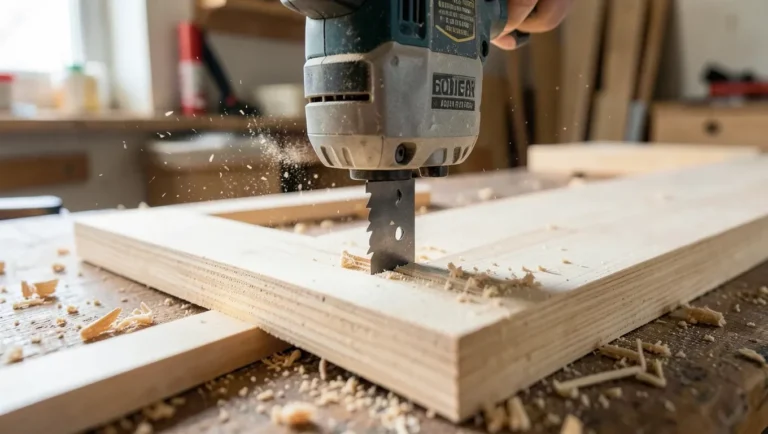
With the right blade and a saw that can drive it, a jigsaw will cut up to about 5-1/2″ in softwood — but that number comes from the blade’s length, not the saw, and almost no consumer jigsaw ships with a blade that long. The stock 4″ blade most jigsaws come with tops out around 2-1/2″.
The Blade Sets the Ceiling, Not the Saw
Best Jigsaw for Thick Stock
 |
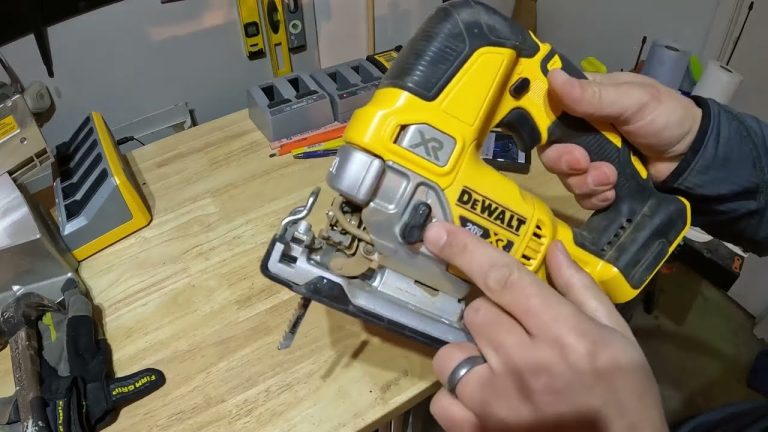
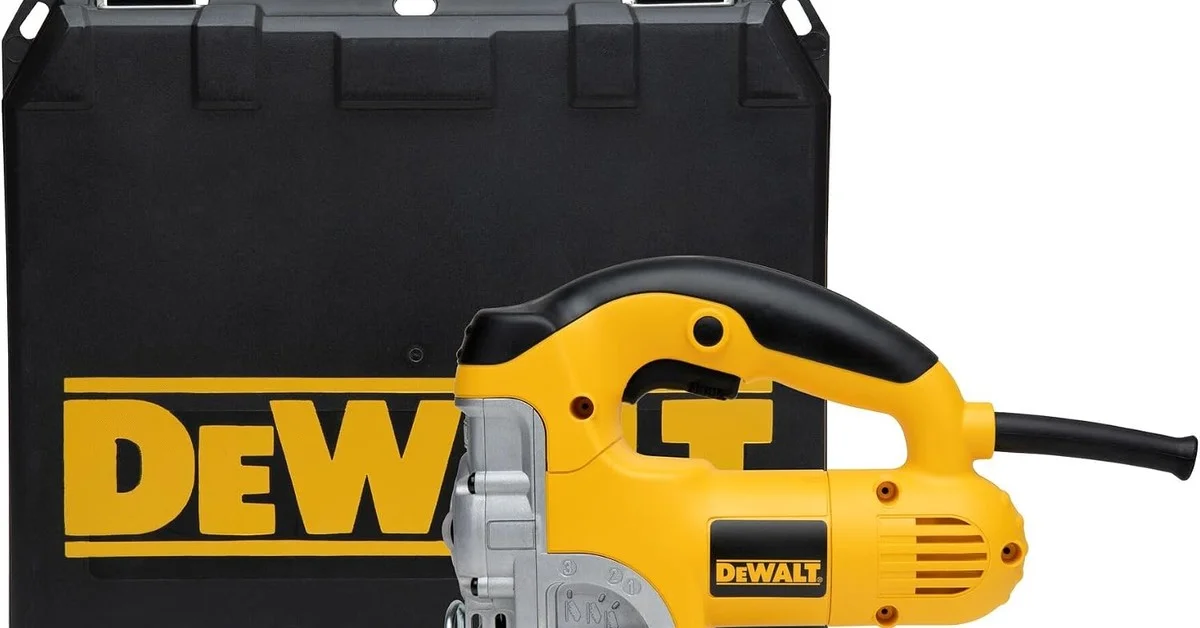
DEWALT DW331K 6.5-Amp Top Handle Jig Saw – $179.99 A higher-amp motor matters more than most buying guides admit — a weak motor bogs down and burns blades the moment you hit 1-1/2″+ hardwood, no matter which blade is chambered.
|
Compare More Jigsaw Blades for Thick Cutting
 Bosch T344D 6″ Long Jigsaw Blades, 5-Pack – $14.99 The blade that actually determines your max cutting depth — needed for anything past about 3″. View on Amazon |
 Bosch T144D 4″ Jigsaw Blades, 5-Pack – $9.99 Standard everyday length for material up to about 2-1/2″ — stiffer and less prone to wander than the long blade. View on Amazon |
 Bosch T118A Bi-Metal Blades for Metal, 5-Pack – $6.86 For the much lower metal-cutting max — roughly 3/8″ mild steel with the right technique. View on Amazon |
Jigsaw blade length is measured from the shank to the tip, and that length is the hard physical limit on cutting depth — the blade simply can’t cut deeper than it is long. But there’s a detail most buying guides skip: you don’t get the full blade length as usable depth. The stroke has to clear the top of the material on the upstroke, and the shoe/guide roller takes up more length at the top of the blade, so a 6″ blade realistically nets you about 5 to 5-1/2″ of clean cutting depth, not a full 6″. Match the blade to the job:
- Up to ~2-1/2″: standard 4″ blades (like the T144D) — stiffer, less wander, cleaner cut.
- ~3″ to 5-1/2″: long 6″ blades (like the T344D) — necessary for 2x material and thick plywood stacks, but they flex sideways more, so expect a rougher edge.
- Metal: a completely different, much lower ceiling — roughly 3/8″ in mild steel with a fine-tooth bi-metal blade, slower speed, and cutting oil. Don’t expect wood-cutting depths in metal.
If you need to rip through thick stock in a straight line rather than a curve, it’s worth comparing this to what a 6-1/2″ circular saw can cut — a circular saw’s blade is rigid and fully supported, so it holds a straight line in thick material far better than a jigsaw’s thin, unsupported blade ever will.
Orbital Action: Faster Isn’t Better in Thick Material
Orbital action moves the blade forward into the material on the upstroke and pulls it back slightly on the downstroke, instead of a straight up-and-down motion. Turned up, it cuts noticeably faster and keeps the blade cooler in thick stock — but the tradeoff is a rougher exit edge and a cut that’s less likely to follow a tight curve accurately, because the blade is moving in more of an elliptical path than a straight one. For thick, straight rip cuts, orbital on its highest setting is usually fine. For thick material where the cut also needs to be clean or curved, drop it down to setting 1 or turn it off entirely and accept the slower cut speed — that tradeoff, not a stronger motor, is usually what fixes a rough or wandering cut in thick stock.
Why Long Blades Wander in Thick Cuts
A jigsaw blade is only supported at the top, near the shoe — unlike a band saw or table saw blade, there’s nothing holding the bottom of the blade in line. The longer the blade, the more that unsupported length can flex sideways under cutting pressure, which is why a 6″ blade cutting through a full 2x is far more prone to curving off your line than a 4″ blade in 3/4″ stock. Feeding the saw slower and letting the teeth do the work (rather than pushing) reduces this considerably; forcing the saw increases sideways flex and is the most common reason a “straight” cut comes out with a visible bow partway through.
Frequently Asked Questions About Jigsaw Cutting Depth
How thick can a jigsaw cut?
With a standard 4″ blade, about 2-1/2″ in wood. With a long 6″ blade and a saw powerful enough to drive it, up to about 5 to 5-1/2″ in softwood — the blade’s length sets the ceiling, and you lose some of that length to stroke clearance at the top.
What’s the best blade for thick cuts?
A long, T-shank blade such as the Bosch T344D (6″, 6 TPI) for wood. Lower tooth counts clear sawdust faster and cut more aggressively, which matters more in thick material than in thin stock.
Can a jigsaw cut through 2x lumber?
Yes, with a 5-1/2″-6″ long blade and a saw with enough motor power (5+ amps corded) to keep the blade speed up under load. A standard 4″ blade won’t reach through a full 2x (1-1/2″ actual thickness plus any angle) as cleanly.
Is a jigsaw suitable for cutting metal?
For thin-to-moderate metal only — roughly up to 3/8″ mild steel with a fine-tooth bi-metal blade (18-24+ TPI), reduced speed, and cutting oil. It is not a substitute for a metal-cutting band saw or angle grinder on anything thicker.
Sponsored / affiliate links. As an Amazon Associate I earn from qualifying purchases. I may earn additional commission from eligible campaigns.