Lumber/Plywood Cart: Essential Tool for Easy Transport
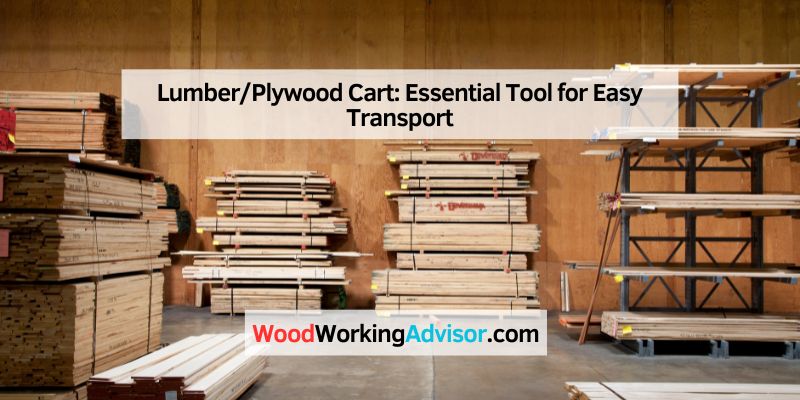
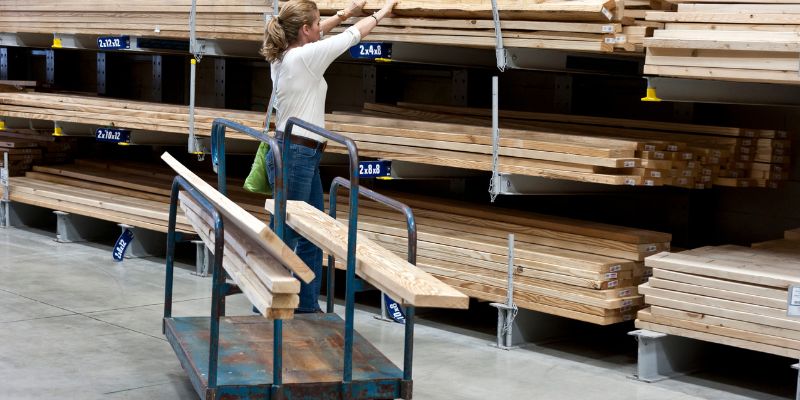
A lumber/plywood cart is a specialized tool designed for transporting large sheets of wood and other materials. It enhances efficiency and safety in workshops and construction sites.
Properly moving lumber and plywood is crucial for any woodworking or construction project. A dedicated cart simplifies this task, allowing workers to transport heavy materials without strain. These carts come in various designs, featuring sturdy frames and wheels for easy maneuverability.
They help prevent damage to the materials during transport, ensuring that your project runs smoothly. Investing in a high-quality lumber cart saves time and enhances productivity. Whether you’re a professional contractor or a DIY enthusiast, a lumber/plywood cart is an essential tool to keep your workspace organized and efficient.
Introduction To Lumber/plywood Carts
Lumber and plywood carts are essential tools for transporting materials. These carts make moving heavy sheets of wood easy and efficient. They save time and effort in workshops and construction sites. Understanding their purpose and features can help you choose the right one for your needs.
Purpose And Utility
The primary purpose of a lumber or plywood cart is to carry large sheets. These carts help workers handle bulky materials safely. Key utilities include:
- Reducing strain on the body
- Improving efficiency in material transport
- Minimizing damage to wood sheets
- Enhancing organization in workspaces
Key Features
Choosing the right cart depends on its features. Here are some critical features to consider:
| Feature | Description |
|---|---|
| Weight Capacity | Supports heavy loads, often up to 1,000 lbs. |
| Wheels | Large, durable wheels for smooth movement. |
| Material | Usually made from steel or heavy-duty wood. |
| Size | Available in different sizes for various needs. |
| Foldability | Some models fold for easy storage. |
Consider these features to ensure you get the best cart for your needs. A suitable cart improves safety and productivity.
Benefits Of Using A Lumber Cart
A lumber cart is a valuable tool for anyone working with wood. It simplifies the process of transporting lumber and plywood. Here are key benefits of using a lumber cart.
Efficiency In Material Handling
A lumber cart improves efficiency in various ways:
- Increased Mobility: Easily move heavy materials around.
- Better Organization: Keep your workspace tidy.
- Time-Saving: Spend less time moving materials.
This efficiency leads to more productive workdays. A well-designed lumber cart allows quick access to materials. This way, you can focus on your projects.
Reduced Physical Strain
Using a lumber cart minimizes physical effort. This helps in the following ways:
- Less Lifting: Reduce back and arm strain.
- Ergonomic Design: Many carts have handles at comfortable heights.
- Smooth Rolling: Wheels make it easy to transport heavy loads.
Less physical strain means fewer injuries. This allows you to work longer and more efficiently.
Safety Considerations
Safety is crucial in any workspace. A lumber cart enhances safety through:
- Stability: Keeps heavy materials secure while moving.
- Reduced Trips: Fewer trips mean less risk of accidents.
- Visibility: Bright colors can increase awareness on-site.
Investing in a quality lumber cart promotes a safer working environment. It protects you and your coworkers from potential hazards.
Types Of Lumber/plywood Carts
Lumber and plywood carts come in various types. Each type serves specific needs. Choosing the right cart makes handling materials easier. Here are the main types of lumber and plywood carts.
Heavy-duty Carts
Heavy-duty carts are designed for strength and durability. They can carry large loads. Features include:
- Robust steel frames
- High weight capacity
- Large wheels for easy mobility
These carts are great for construction sites. They handle rough terrains well. Ideal for transporting heavy lumber or sheets of plywood.
Foldable Models
Foldable models offer convenience and portability. They can be easily stored when not in use. Key benefits include:
- Lightweight design
- Space-saving storage
- Easy to transport in vehicles
These carts are perfect for home projects. They fit in tight spaces and are easy to handle. Great for DIY enthusiasts.
Specialized Carts For Various Lumber Sizes
Specialized carts cater to different lumber sizes. They ensure safe transport and storage. Types include:
| Lumber Size | Cart Type | Features |
|---|---|---|
| 2×4 | Standard Cart | Perfect fit, easy to load |
| 4×8 Sheets | Flatbed Cart | Wide surface, stable support |
| Logs | Log Cart | Heavy-duty wheels, strong frame |
These specialized carts help in organization. They reduce the risk of damage. Choose the right cart for your lumber needs.
Material And Build Quality
The quality of materials greatly influences the performance of a lumber or plywood cart. Strong materials ensure durability and stability. A well-built cart can handle heavy loads with ease. Users should consider the frame material, wheel types, and overall construction.
Steel Vs. Aluminum Frames
Choosing between steel and aluminum frames impacts the cart’s strength and weight. Both materials have distinct advantages:
| Material | Advantages | Disadvantages |
|---|---|---|
| Steel |
|
|
| Aluminum |
|
|
Choose based on your specific needs. Steel is ideal for heavy loads. Aluminum is great for portability.
Wheel Types And Durability
The wheels on a lumber cart are crucial for mobility. They must support heavy weights and navigate various terrains. Consider these wheel types:
- Rubber Wheels: Offer excellent grip and shock absorption.
- Polyurethane Wheels: Durable and resistant to wear.
- Plastic Wheels: Lightweight but may lack durability.
Check the wheel size and tread pattern. Larger wheels roll easier over obstacles. Ensure wheels can handle the weight of your materials.
Loading And Unloading Tips
Proper loading and unloading of lumber and plywood are essential. Follow these tips for safety and efficiency.
Proper Weight Distribution
Weight distribution affects balance. An unbalanced load can cause tipping.
- Place heavier items at the bottom.
- Distribute weight evenly across the cart.
- Keep the center of gravity low.
Check the load before moving. Adjust items if necessary. This ensures stability during transport.
Securing Loads For Transport
Secure loads to prevent shifting. Loose items can fall and cause accidents.
- Use straps to hold down the lumber.
- Employ tarps for larger sheets of plywood.
- Check all connections before moving.
Inspect your load regularly. Make adjustments if needed. A secure load keeps everyone safe.
Maintenance And Care For Lumber Carts
Proper maintenance ensures the longevity of your lumber cart. Regular care keeps it in top shape and maximizes its efficiency. Follow these simple steps to maintain your cart effectively.
Regular Cleaning
Keeping your lumber cart clean is essential. Dirt and debris can cause wear and tear. Follow these cleaning tips:
- Use a soft brush to remove dust.
- Wipe the surface with a damp cloth.
- Inspect for any damage during cleaning.
Perform cleaning after every use. This habit prevents buildup and maintains appearance.
Wheel And Axle Maintenance
The wheels and axles bear the cart’s weight. Regular checks can prevent major issues. Here’s how to maintain them:
- Check wheels for wear. Replace if needed.
- Lubricate axles regularly to ensure smooth movement.
- Inspect for any loose parts and tighten them.
Healthy wheels and axles enhance maneuverability. This action makes moving lumber easier.
Rust Prevention
Rust can damage metal parts of your lumber cart. Take steps to prevent corrosion:
- Store the cart in a dry area.
- Apply a rust-resistant spray on metal parts.
- Check for moisture regularly.
Rust prevention keeps the cart functional and safe for use.
Customizing Your Lumber Cart
Customizing your lumber cart can enhance its functionality. Tailoring it to your needs can improve efficiency. Let’s explore two key areas: additional storage and modifications for specific needs.
Adding Additional Storage
Extra storage on your lumber cart can make tasks easier. Here are some ideas:
- Side Shelves: Attach shelves for quick access to tools.
- Tool Hooks: Install hooks for hanging tools like saws.
- Drawer Units: Add drawers for smaller items like screws.
Consider using a small table on the cart. It provides space for cutting or assembling materials. Here’s a simple table for storage ideas:
| Storage Type | Benefits |
|---|---|
| Side Shelves | Easy access to materials |
| Tool Hooks | Organized and clutter-free |
| Drawer Units | Store small items securely |
Modifying For Specific Needs
Every project has unique requirements. Modify your cart to fit your tasks:
- Height Adjustment: Change the height for comfort.
- Wheel Size: Use larger wheels for rough terrain.
- Weight Capacity: Reinforce the cart for heavier loads.
Use removable parts for versatility. This allows quick adjustments as needed. Custom modifications can make your cart more effective.
Making The Right Choice
Choosing the right lumber or plywood cart is essential for efficiency. A good cart makes transporting materials easy and safe. This section explores key factors for your decision.
Assessing Your Needs
Understanding your specific needs is crucial. Ask yourself these questions:
- What type of materials will you transport?
- How much weight will the cart carry?
- What space do you have for storage?
List your requirements clearly. This helps narrow down options. Remember to consider:
- Load capacity
- Size and dimensions
- Durability and material type
Comparing Prices And Brands
Price comparison is important. Different brands offer various features. Here’s a simple table of popular brands and their price ranges:
| Brand | Price Range | Features |
|---|---|---|
| Brand A | $100 – $150 | Heavy-duty, large capacity |
| Brand B | $80 – $120 | Lightweight, compact |
| Brand C | $150 – $200 | Multi-functional, durable |
Evaluate features against prices. This helps find the best value for your needs.
Reading Reviews From Industry Professionals
Reviews provide valuable insights. Check reviews on trusted websites. Focus on these aspects:
- Durability
- Ease of use
- Customer service
Look for feedback from carpenters and contractors. Their experiences highlight strengths and weaknesses. A well-reviewed cart can save time and effort.
Safety Precautions And Best Practices
Using a lumber or plywood cart can be safe. Proper precautions are essential. Follow these guidelines to ensure safety while handling materials.
Personal Protective Equipment
Wearing the right personal protective equipment (PPE) is crucial. Always wear:
- Safety glasses to protect your eyes.
- Gloves to shield your hands.
- Steel-toed boots for foot protection.
- Hard hats in areas with overhead hazards.
Check your gear regularly. Replace any damaged items. Remember, PPE is your first line of defense.
Training For Handling Heavy Loads
Proper training is essential for safety. Follow these steps:
- Attend a training session on heavy lifting.
- Learn to assess the weight of your load.
- Understand how to balance the cart properly.
- Practice safe pushing and pulling techniques.
Always lift with your legs, not your back. Use team lifting for extra heavy items. Communication is key. Talk to your team while lifting.
| Training Topic | Importance |
|---|---|
| Weight Assessment | Prevents overloading the cart. |
| Balancing Techniques | Reduces risk of tipping. |
| Safe Lifting Methods | Prevents injury. |
| Team Communication | Enhances teamwork and safety. |
Training ensures everyone knows the best practices. Safety must always come first.
Frequently Asked Questions
What Is A Lumber/plywood Cart?
A lumber or plywood cart is a specialized cart designed to transport large sheets of plywood or lumber easily. It typically features sturdy wheels and a robust frame for stability. This tool is essential for anyone working with wood, providing convenience and reducing manual strain during transport.
Why Use A Lumber/plywood Cart?
Using a lumber or plywood cart enhances efficiency in transporting materials. It minimizes the risk of injury by reducing heavy lifting. Additionally, it protects your materials from damage, ensuring they arrive safely at their destination. This cart is an invaluable asset for woodworkers and DIY enthusiasts alike.
What Materials Are Lumber/plywood Carts Made From?
Lumber and plywood carts are usually constructed from durable materials like steel or aluminum. Some carts feature plywood surfaces for added stability. The choice of materials ensures longevity and supports heavy loads. Investing in a high-quality cart ensures it withstands regular use in workshops or construction sites.
How Much Weight Can A Lumber/plywood Cart Hold?
Most lumber and plywood carts can support between 1,000 to 2,000 pounds. The exact weight capacity varies by design and manufacturer. Always check the specifications before purchasing. A cart with a higher weight capacity is ideal for transporting larger projects safely and efficiently.
Conclusion
A lumber or plywood cart is an essential tool for any woodworking project. It enhances efficiency and safety while transporting materials. Investing in a quality cart will save you time and effort in the long run. Elevate your workshop experience by choosing the right cart for your needs today.