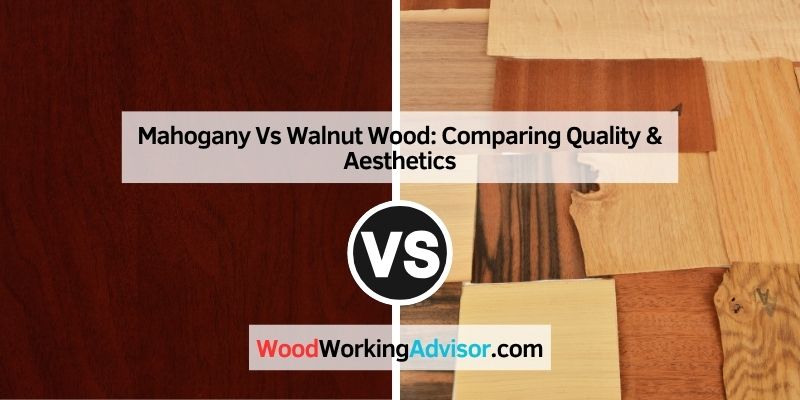
Mahogany Vs Walnut Wood: Comparing Quality & Aesthetics
Are you on the hunt for the perfect wood to enhance your home or craft project? Choosing between mahogany and walnut can feel like a daunting task.
Both are renowned for their beauty and durability, yet they offer distinct characteristics that cater to different needs and tastes. Imagine the satisfaction of knowing you’ve made the right choice, not just for aesthetics but also for functionality. By understanding the key differences and unique qualities of mahogany and walnut, you can make an informed decision that you’ll appreciate for years to come.
Dive into this exploration to discover which wood aligns best with your vision and needs. Don’t let indecision hold you back from creating something extraordinary. Your perfect wood choice awaits.
Credit: cameroontimberexport.com
Wood Characteristics
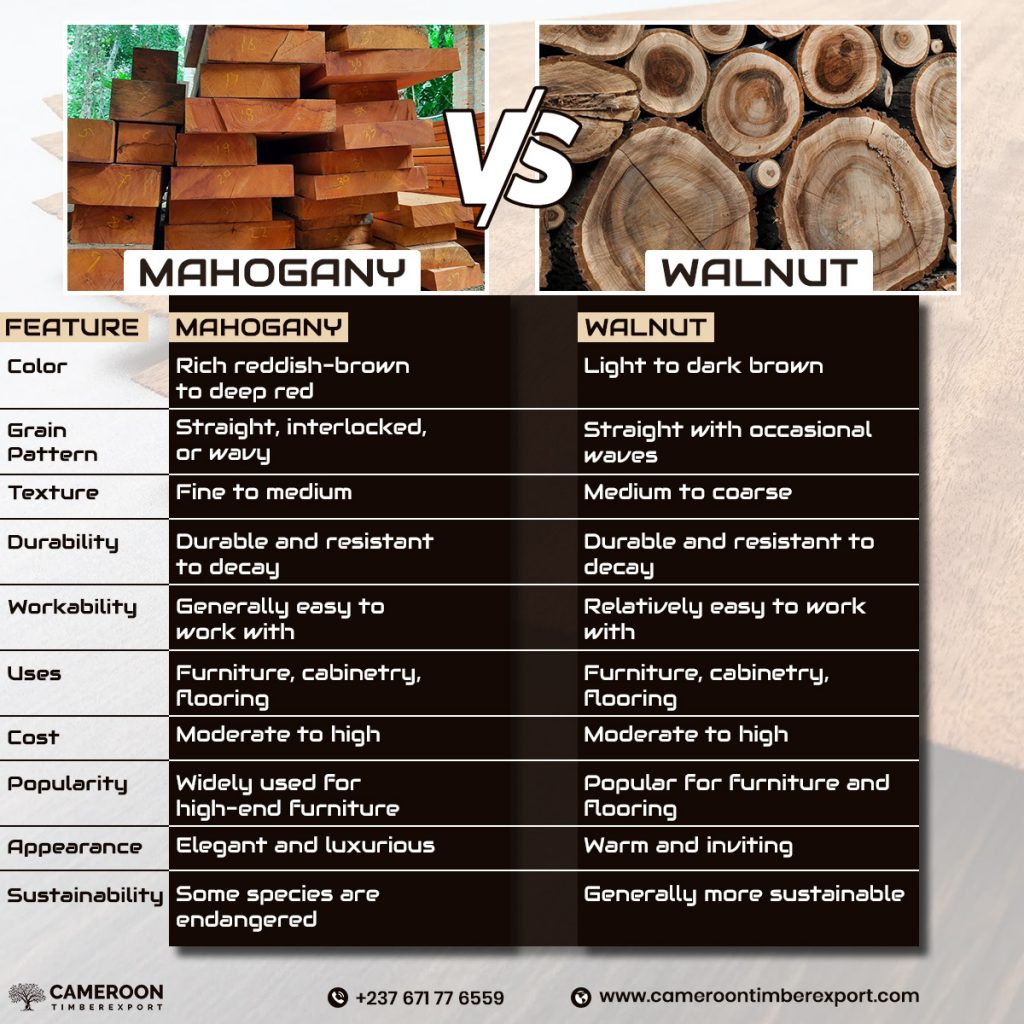
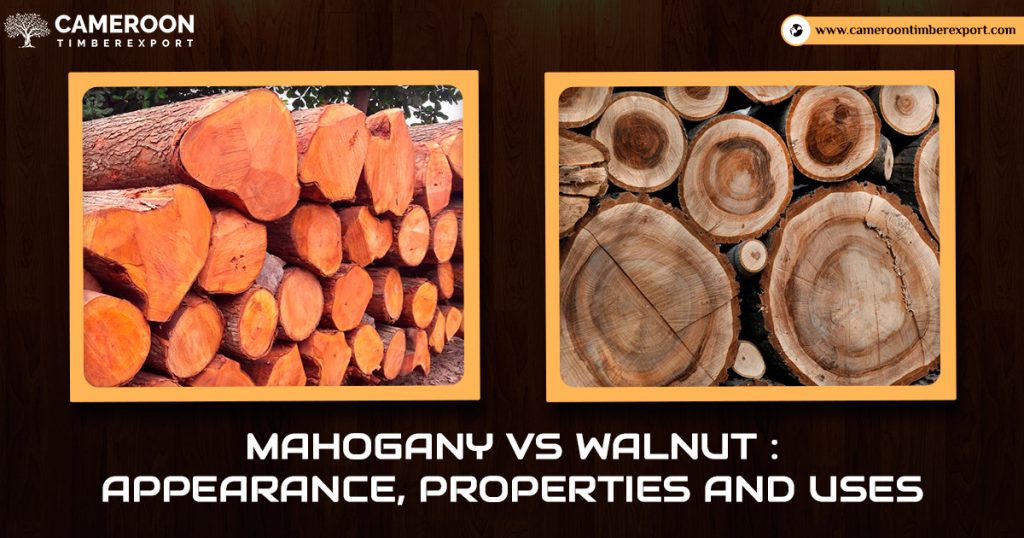
Mahogany wood is dark red. It has a rich and warm look. It feels elegant. Walnut wood is brown. It has a deep and earthy tone. Each piece of wood is unique.
Mahogany has straight grains. They are even and simple. Walnut grains are more complex. They can be straight or wavy. They add charm to the wood.
Mahogany feels smooth. It is easy to polish. Walnut has a fine texture. It is also smooth but feels slightly rougher. Both woods are pleasant to touch.
Durability And Strength
Mahogany wood is very strong. It resists scratches and dents well. This makes it great for busy homes. Kids can play without worry. Walnut wood is strong too. It can handle bumps and scrapes. But it might show marks easier than mahogany. Both woods last a long time. They don’t break easily. This makes them good choices for furniture.
Mahogany furniture stays beautiful for years. It needs little care. Just dust and polish sometimes. Walnut also lasts long. Regular cleaning keeps it nice. Both woods keep their color. They don’t fade quickly. Mahogany might need less polish over time. Walnut might need more care. Both are great for lasting beauty.
Workability And Crafting
Mahogany is easy to cut. It is soft and smooth. Crafting it is simple. Walnut wood is harder. It takes more effort to shape. People need good tools for it.
Mahogany accepts finishes well. It shines with polish. Colors look rich. Walnut is also good with finishes. Its dark tone is lovely. Both woods look nice with oil or wax.
Environmental Impact
Mahogany and walnut wood both have environmental impacts. Mahogany often comes from endangered forests, leading to deforestation. Walnut wood is typically more sustainable, sourced from managed forests. Choosing wisely can help protect natural habitats.
Sustainability Concerns
Mahogany wood often comes from rainforests. These trees grow slowly. This leads to concerns about deforestation. Cutting too many trees harms the land. It makes the forest disappear faster. On the other hand, walnut wood is usually grown on farms. This means it is more sustainable. Farmers can plant new trees after cutting. This helps the land stay healthy.
Eco-friendly Alternatives
Choosing wood can affect our planet. Some people pick recycled wood. This saves old wood from the trash. Bamboo is another choice. It grows back quickly. This makes it very eco-friendly. Using local woods helps too. It reduces the travel needed to deliver the wood. This saves energy and helps the earth.
Cost And Availability
Mahogany wood is often more expensive than walnut. This wood is known for its rich color and durability. People pay more for its high quality. Walnut wood is usually cheaper. It also has a beautiful color but is more affordable. The price of both woods can change. It depends on where you buy them. Big stores may have higher prices. Smaller shops might offer better deals.
Mahogany is sourced from tropical regions. Countries like Brazil and Peru grow it. This makes it less available. Walnut comes from temperate climates. Places like the United States and Europe have many walnut trees. This makes walnut more accessible. Both woods travel long distances. This affects their price. Shipping costs add to the price. Local availability can change based on demand.
Credit: cameroontimberexport.com
Popular Uses
Mahogany, known for its rich color, is often used in crafting fine furniture and musical instruments. Walnut, with its unique grain, is popular in cabinetry and flooring, offering a stylish touch. Both woods are favored for their durability and elegance in various woodworking projects.
Furniture Design
Mahogany and walnut are popular choices for furniture. Both are known for their beauty and strength. Mahogany has a deep, rich color. It often used in classic designs. Walnut, on the other hand, has a smooth grain. It fits well in modern styles. People love these woods for making tables, chairs, and cabinets. They last for many years.
Musical Instruments
Many guitars and pianos use mahogany and walnut. Mahogany gives a warm sound. Musicians say it adds depth. Walnut offers a clear tone. It is often used for string instruments. Both woods are easy to shape. This makes them great for musical instruments. The sound they produce is loved by musicians worldwide.
Architectural Applications
In architecture, both woods are favored. Mahogany is used for doors and panels. It is strong and resists water. Walnut is often found in flooring. It provides a smooth finish. Architects choose these woods for their durability and beauty. They add a touch of luxury to buildings.
Aesthetic Appeal
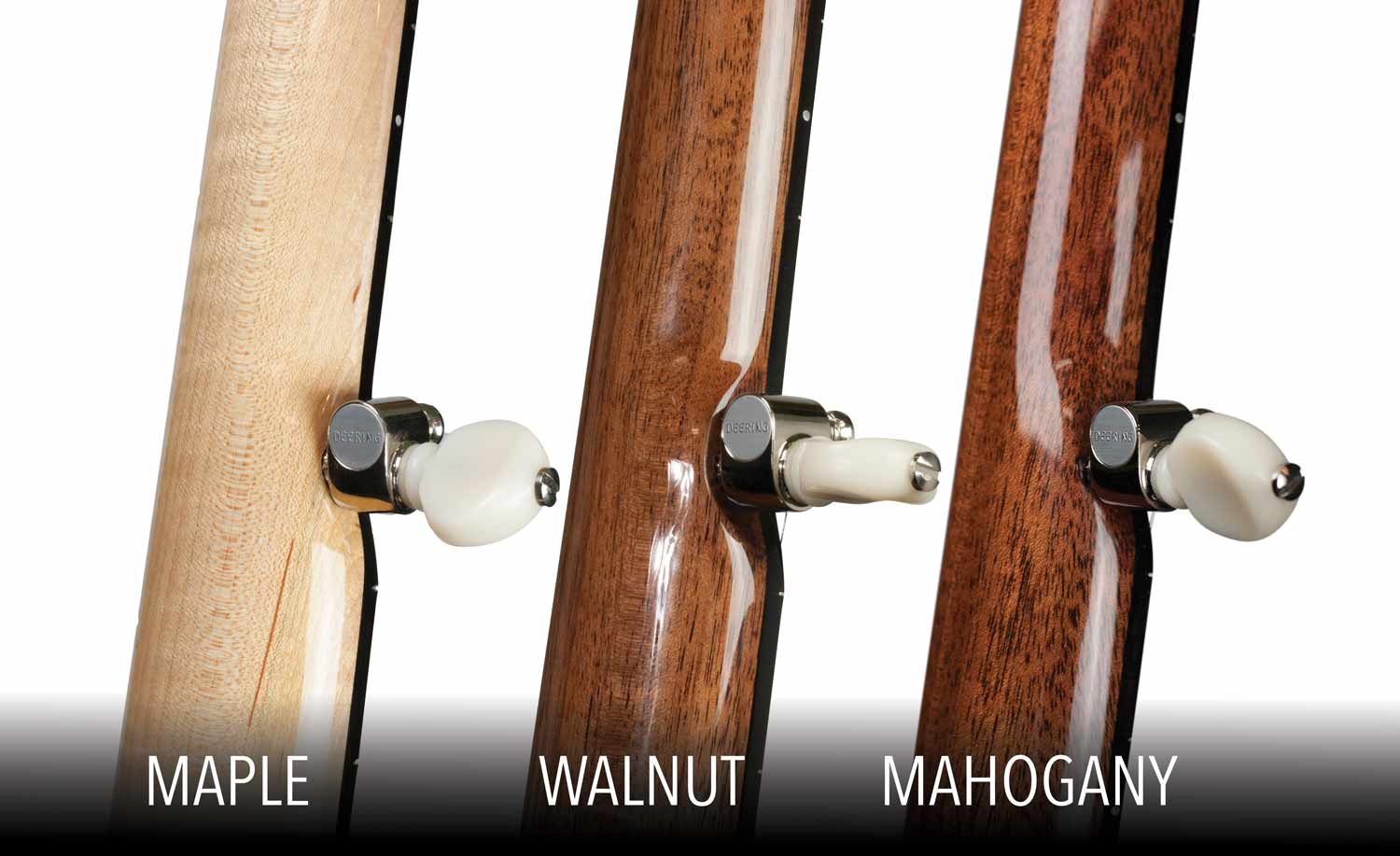
Mahogany wood has a rich, reddish-brown color. It gives a classic look. It’s warm and inviting. Walnut wood is darker and more modern. It has a sleek, stylish appearance. Both have a unique beauty. Each can fit different tastes.
Mahogany fits well in traditional settings. It complements vintage styles nicely. Walnut adds a touch of elegance. It fits in modern spaces. Both woods add value to homes. They make spaces look special. They help create different moods. Choosing the right wood is important. It’s all about personal style.
Credit: www.deeringbanjos.com
Frequently Asked Questions
What Wood Is Better, Mahogany Or Walnut?
Mahogany offers rich color and durability, ideal for furniture and musical instruments. Walnut provides a deep, elegant finish, perfect for cabinetry and carving. Choose mahogany for its timeless beauty; select walnut for its sophisticated appearance. Both woods are excellent, depending on your specific needs and preferences.
What Are The Disadvantages Of Mahogany Wood?
Mahogany wood is expensive due to its high demand. It can be prone to insect attacks if untreated. It may darken over time, affecting color consistency. Sustainable sourcing concerns exist due to deforestation. Mahogany’s hardness makes it challenging to work with, requiring specialized tools for carving and shaping.
What Are The Disadvantages Of Walnut Wood?
Walnut wood can be expensive and may dent or scratch easily. It often requires regular maintenance to preserve its appearance. The color can darken over time, impacting its aesthetic appeal. Additionally, its limited availability can pose challenges for large projects.
Is Mahogany A High-end Wood?
Yes, mahogany is considered a high-end wood. It boasts rich color, durability, and exceptional workability. This makes it popular in luxury furniture and cabinetry. Its resistance to rot and insects further enhances its value, making it a premium choice for woodworkers and designers.
Conclusion
Choosing between mahogany and walnut can be challenging. Both offer unique qualities. Mahogany stands out for its rich color and durability. Perfect for classic, timeless pieces. Walnut, with its fine grain, adds elegance. Ideal for modern designs. Consider your personal style and budget.
Also, think about the room’s lighting and decor. Each wood has its charm and purpose. So, take your time. Decide what fits best in your space. You’ll enjoy the beauty and character of either choice. Both can enhance your home beautifully.