Cuban Mahogany Pros and Cons: CITES Rules & Real Availability
Cuban mahogany (Swietenia mahagoni) has a tighter grain and a slightly higher Janka hardness (930 lbf) than Honduran mahogany, but Cuba banned all wood exports in 1946, decades before CITES Appendix II protection followed in 1992. That means no freshly harvested Cuban mahogany can legally enter the US today, only reclaimed, antique, or pre-ban stock exists. This guide covers its real pros and cons, why “genuine mahogany” now usually means Honduran mahogany instead, and what you can actually, legally buy.
The Allure Of Cuban Mahogany
Cuban mahogany earned its reputation long before power tools existed. Its rich color, fine grain, and stability under changing humidity made it the wood shipbuilders and cabinetmakers reached for first, and that history is a big part of why mahogany still carries weight today.
Historical Significance
Cuban mahogany has a storied past. Shipbuilders in the 18th and 19th centuries prized it for hulls and fittings, and it became a favorite among furniture makers and craftsmen across Europe and the Americas.
- Used in the construction of luxury yachts and ship interiors.
- A staple of colonial and Federal-era furniture and architecture.
- Once abundant across Cuba and the Florida Keys, now scarce in the wild.
Centuries of demand led to overharvesting long before conservation laws existed. Today what survives is largely reclaimed lumber and antique pieces, which is exactly why the wood still reads as a symbol of luxury and craftsmanship.
Aesthetic Appeal
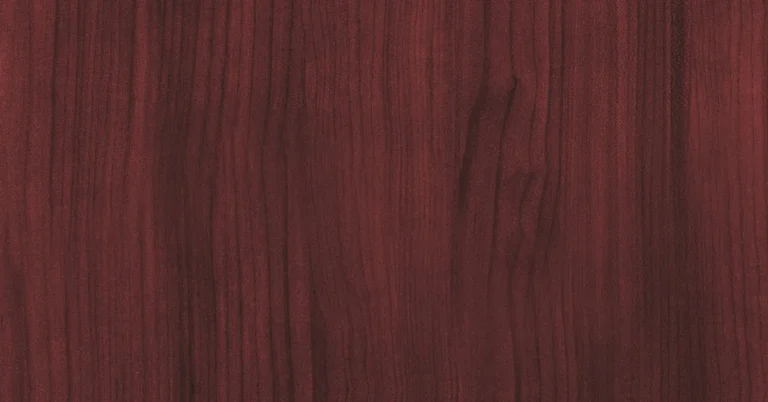
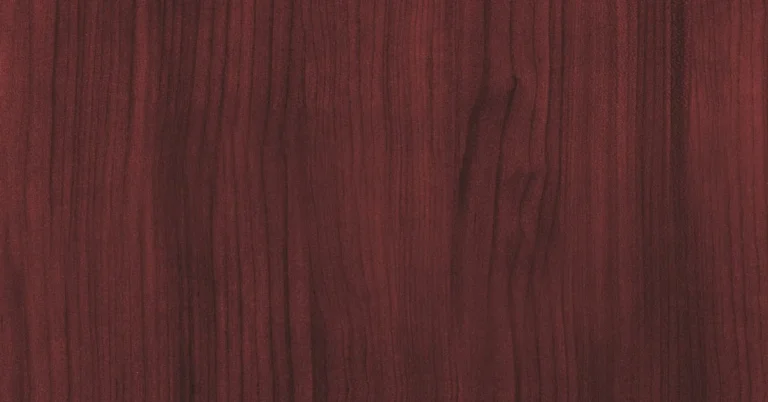
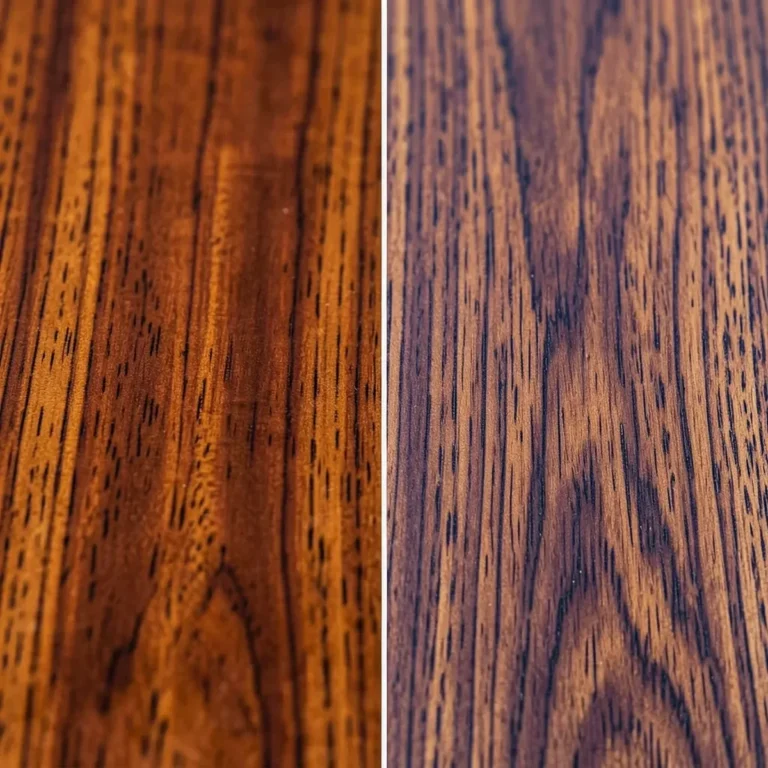
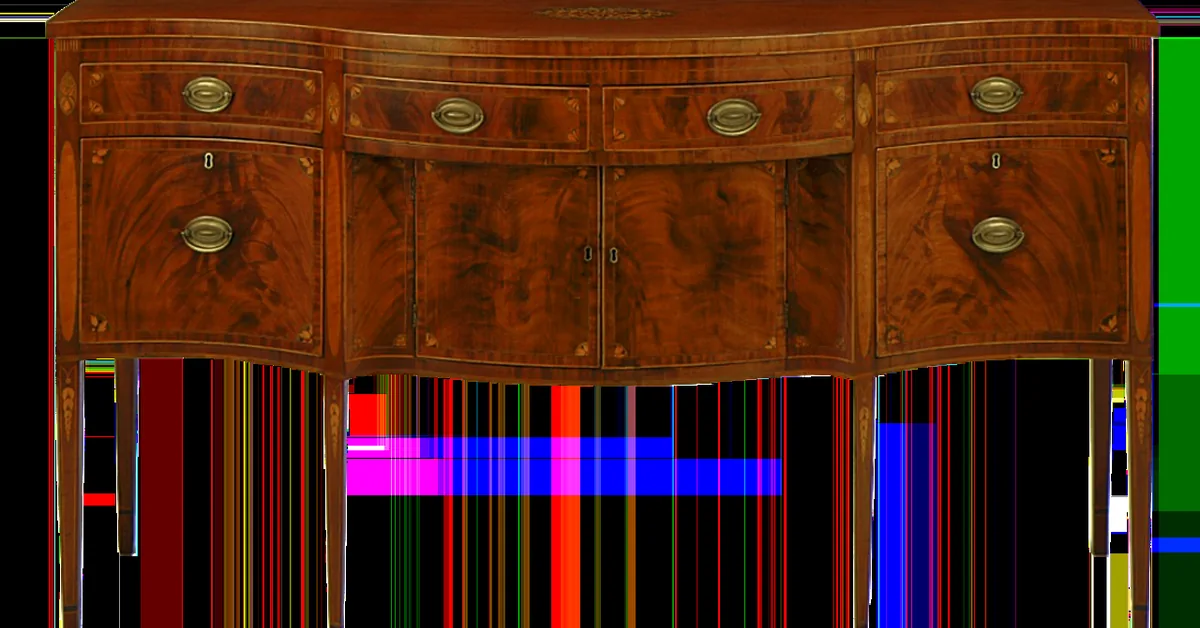
The aesthetic appeal of Cuban mahogany is undeniable. Its deep reddish-brown color deepens further with age and UV exposure, and the grain pattern – often straight but sometimes wavy or interlocked – gives it real character.
| Feature | Description |
|---|---|
| Color | Pale pinkish-brown when fresh cut, darkening to a rich reddish-brown with age. |
| Grain | Fine, straight grain with occasional wavy or interlocked figure. |
| Finish | Takes stain and polish evenly; shows chatoyancy (a shifting sheen) on quartersawn faces. |
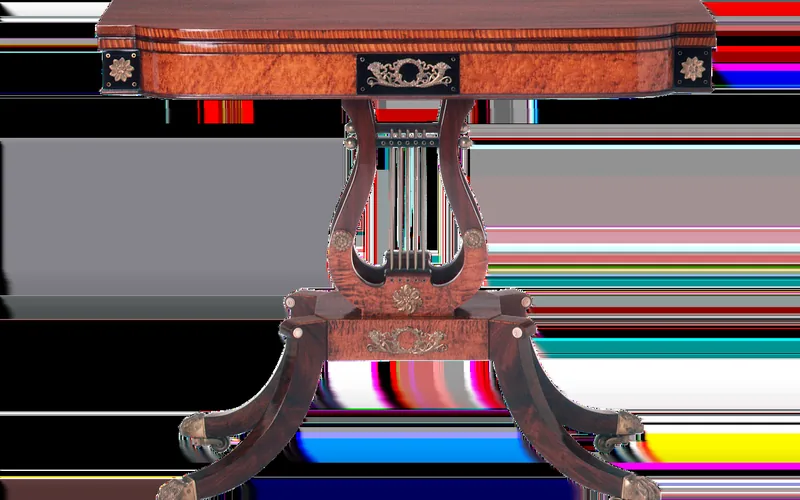
Furniture built from Cuban mahogany reads as timeless rather than trendy. It suits both period and contemporary interiors, which is part of why antique pieces still command strong resale prices.
Properties Of Cuban Mahogany
Cuban mahogany’s reputation for durability and workability isn’t just marketing – the wood’s density and cell structure back it up, much like the traits covered in our broader mahogany wood characteristics guide. Here are the numbers that matter for a real project.
Durability And Strength
Cuban mahogany has a Janka hardness of 930 lbf and an average dried weight of about 37 lbs/ft³ (600 kg/m³), according to Wood Database. That’s slightly denser and harder than Honduran mahogany (around 800-900 lbf), which is part of why period Cuban-mahogany pieces have survived so well.
- Rot resistance: Naturally resistant to decay, which is why it was a favorite for ship hulls.
- Dimensional stability: Moves less than most hardwoods as humidity changes, so joints stay tight.
- Long lifespan: Well-made antique pieces regularly survive a century or more with basic care.
That combination of stability and rot resistance is why so much surviving Cuban mahogany furniture and trim is still structurally sound 100+ years later.
Workability Factors
Cuban mahogany is easy to work with. Craftsmen appreciate its smooth texture and fine grain, though interlocked-grain sections can tear out under a hand plane if you’re not reading the grain direction first.
| Workability Aspect | Details |
|---|---|
| Cutting: | Machines cleanly with standard carbide-tipped tools. |
| Finishing: | Takes stain, oil, and film finishes evenly. |
| Gluing: | Bonds well with standard PVA and epoxy adhesives. |
That workability is a big reason restorers can repair damaged antique Cuban mahogany pieces without the wood fighting them at every step.
Is Cuban Mahogany Still Legal To Buy?
This is the question most guides skip, and it’s the one that actually determines whether you can use this wood at all. Cuba banned the export of all its wood, including mahogany, in 1946 – more than 45 years before international trade law caught up with it. Then in June 1992, Swietenia mahagoni was added to CITES Appendix II, adding a second, international layer of trade restriction on top of Cuba’s own domestic ban.
The Swietenia genus’s growth and CITES history explains why the timeline matters. In practice, that means:
- No new import is legal. You cannot legally bring freshly harvested Cuban mahogany into the US.
- Pre-ban and salvaged stock can still be bought and sold. Lumber, veneer, and furniture that entered the US before the restrictions took effect can legally change hands domestically.
- “Genuine mahogany” shifted meaning. Because Cuban mahogany became commercially unavailable, the trade name “genuine mahogany” now almost always refers to Honduran mahogany (Swietenia macrophylla), which is more plentiful and was only added to CITES Appendix II in 2003.
- Occasional small lots surface from estate sales, salvage yards, and specialty exotic-wood dealers, almost always at a steep premium.
📊 Swietenia mahagoni has been listed on CITES Appendix II since June 1992, and the IUCN Red List classifies it as Endangered following a population decline of more than 50 percent over the past three generations. Source: Wood Database, Cuban Mahogany
If you’re restoring an antique piece rather than sourcing new lumber, the legal picture is much simpler – you’re not importing anything, just maintaining what already exists.
Best Antique Mahogany Care Pick
 |
Howard Feed-N-Wax Wood Polish & Conditioner, 16 oz – $10.88 Beeswax and carnauba wax with conditioning oils, made for exactly the situation most Cuban mahogany owners are in: reviving an existing antique finish, not refinishing from bare wood.
|
As an Amazon Associate we earn from qualifying purchases.
Environmental Considerations
Understanding the environmental impact of Cuban mahogany is essential before using it, and the numbers are more specific than most articles let on.
Endangered Status
Swietenia mahagoni is classified as Endangered on the IUCN Red List, reflecting a population decline of more than 50 percent over the past three generations, and it has held CITES Appendix II status since 1992. Key points:
- Overharvesting from the 1700s through the mid-1900s pushed wild populations to a fraction of their historical range.
- Habitat loss across the Caribbean and southern Florida compounds the decline.
- Cuba’s 1946 export ban and CITES Appendix II together mean essentially no new legal harvest reaches the US market.
Because of this, choosing Cuban mahogany today almost always means choosing reclaimed material rather than new harvest – which is arguably the most environmentally responsible way to use it.
Sustainable Alternatives
If new material is what you need, several more available alternatives offer a similar look:
| Wood Type | Characteristics | Availability |
|---|---|---|
| FSC-Certified Honduran Mahogany | Similar color and grain, responsibly sourced, CITES Appendix II since 2003 | Moderate to good |
| African Mahogany (Khaya) | Comparable color, coarser grain, not CITES-listed | Good |
| Sapele | Interlocked ribbon grain, harder (Janka ~1,410 lbf), not CITES-listed | Good |
Checking for FSC or PEFC certification on any of these is the simplest way to confirm you’re buying responsibly harvested stock.
Economic Impacts
Cuban mahogany’s scarcity shows up directly in price, and that price only makes sense once you understand you’re shopping the reclaimed and antique market, not a fresh-cut lumber market.
Cost Comparison
Reclaimed Cuban mahogany trades at a steep premium over common hardwoods. A rough comparison of typical board-foot pricing:
| Wood Type | Average Cost per Board Foot |
|---|---|
| Cuban Mahogany (reclaimed/antique) | $30 – $50+ |
| Honduran Mahogany | $10 – $22 |
| Oak | $8 – $15 |
| Walnut | $20 – $40 |
Although Cuban mahogany costs more than almost anything else on this list, buyers are really paying for scarcity and history as much as the wood itself.
Market Availability
Cuban mahogany isn’t stocked by mainstream lumber suppliers. Here’s where it actually shows up:
- Antique and estate furniture sales.
- Specialty exotic-wood dealers who occasionally acquire salvaged lots.
- Instrument and boat restoration shops trading reclaimed stock.
- Online auction and antique marketplaces, with authenticity rarely verified.
Because supply is this thin, most woodworkers who want the look plan around Honduran or African mahogany and reserve genuine Cuban mahogany for restoration work on pieces that already contain it.
Pros Of Cuban Mahogany
Cuban mahogany earned its reputation honestly. Here are the real advantages, for the rare cases where you have access to it.
Longevity And Resilience
Cuban mahogany is known for its long lifespan. This wood can last for generations thanks to natural oils that resist moisture and pests.
- Durability: Withstands wear and tear well in furniture and trim.
- Weather resistance: Historically used in boat hulls exposed to constant moisture.
- Low maintenance: Requires only periodic oiling, not constant upkeep.
Value Retention Over Time
Cuban mahogany retains value better than most woods, largely because supply can never increase. Its color and grain also improve with age rather than fading.
| Feature | Cuban Mahogany | Most Other Woods |
|---|---|---|
| Initial Cost | High | Varies |
| Resale Value | High, often appreciating | Lower, usually depreciating |
| Aging | Color and figure improve | May fade or deteriorate |
Contemporary Uses
Today, genuine Cuban mahogany mostly shows up in restoration and high-end specialty work rather than new production:
- Antique furniture restoration: Matching replacement parts to period pieces.
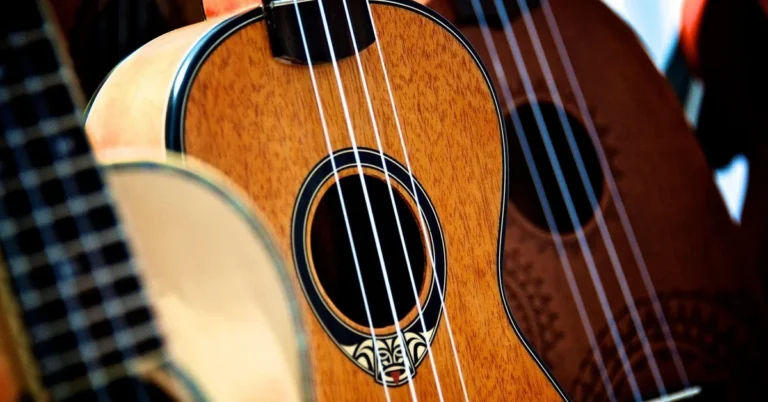
- Musical instruments: Vintage guitar and piano restoration.
- Boat restoration: Replacing original hull and trim pieces on classic wooden boats.
- Fine marquetry and inlay: Small quantities go a long way in decorative work.
“When you’re patching a reclaimed Cuban mahogany panel, match the piece under natural daylight, not shop lighting – the reddish tone shifts enough under warm indoor bulbs that a patch which looks perfect at the bench can stand out once the piece is back in a room.”
Cons Of Cuban Mahogany
Cuban mahogany has real drawbacks beyond price. Here’s what to weigh before committing to a project that uses it.
Susceptibility To Pests
Cuban mahogany is vulnerable to several pests that can damage the wood and its appearance.
- Termites: Can cause significant structural damage if untreated.
- Wood borers: Tunnel through the wood, weakening it internally.
- Mold: High humidity without ventilation can encourage growth on the surface.
Regular inspection and proper treatment reduce the risk, but antique pieces especially need ongoing monitoring.
Maintenance Challenges
Maintaining Cuban mahogany takes real commitment. It rewards care but punishes neglect.
- Regular oiling: Needed periodically to maintain luster and prevent drying.
- Temperature sensitivity: Rapid humidity or temperature swings can cause warping in old joinery.
- Careful cleaning: Harsh cleaners can strip the finish and dull the color.
Scarcity And Legal Sourcing
The biggest practical con isn’t durability or maintenance – it’s simply finding legitimate material. With no new legal harvest since 1946 and CITES Appendix II protection since 1992, every board you find is someone else’s reclaimed or antique stock, and authenticity claims from casual sellers should be verified before you pay a premium price.
Making An Informed Decision
Choosing the right wood matters for your project’s budget, timeline, and conscience. Cuban mahogany is beautiful and durable, but its legal and economic realities are just as important as its looks.
Balancing Pros And Cons
| Pros | Cons |
|---|---|
| Beautiful appearance with rich color and grain that improves with age. | High cost, often 2-3x Honduran mahogany. |
| Durable and stable, resists warping and rot. | No legal new supply since Cuba’s 1946 export ban. |
| Easy to work with for crafting and finishing. | Endangered status (IUCN) and CITES Appendix II restrictions. |
| Natural resistance to pests and moisture. | Authenticity risk when buying from unverified sellers. |
Weighing these factors helps clarify whether Cuban mahogany suits your project, budget, and sourcing constraints, or whether a legally abundant substitute makes more sense.
Alternative Wood Recommendations
If genuine Cuban mahogany isn’t realistic for your project, these alternatives are worth considering:
- Honduran Mahogany – The wood the trade now calls “genuine mahogany,” similar look, far more available.
- African Mahogany (Khaya) – Comparable color, not CITES-listed, generally less expensive.
- Cherry – A warm color and smooth texture that darkens with age like mahogany.
- Walnut – Rich dark tones for a different but complementary look.
Each has its own working properties, so match the choice to your project’s structural needs, not just its color.
Frequently Asked Questions
What Are The Benefits Of Cuban Mahogany?
Cuban mahogany is prized for its durability, rot resistance, and fine, tight grain, with a Janka hardness of 930 lbf. It ages to a deeper reddish-brown color and holds its value better than most hardwoods since supply can never increase.
Is It Illegal To Buy Cuban Mahogany?
Not entirely. Cuba banned new wood exports in 1946, and CITES Appendix II has restricted international trade since 1992, so no freshly harvested Cuban mahogany can legally enter the US today. However, lumber, veneer, and furniture that were already in the country before those restrictions took effect can still be legally bought and sold domestically.
How Does Cuban Mahogany Compare To Honduran Mahogany?
Cuban mahogany (930 lbf Janka) is slightly harder and denser than Honduran mahogany (roughly 800-900 lbf) and has a tighter, finer grain. Honduran mahogany is far more available today and is what the trade now calls “genuine mahogany” since Cuban stock became commercially scarce.
What Are The Downsides Of Using Cuban Mahogany?
The main downsides are extreme scarcity, high cost, and the difficulty of verifying authenticity from casual sellers. Because no new legal harvest has existed since 1946, every board on the market is reclaimed or antique stock, and buyers should confirm provenance before paying a premium.
Is Cuban Mahogany Endangered?
Yes. The IUCN Red List classifies Swietenia mahagoni as Endangered, citing a population decline of more than 50 percent over the past three generations, and it has held CITES Appendix II status since June 1992.
Conclusion
Cuban mahogany earned its reputation the hard way: centuries of shipbuilders and cabinetmakers choosing it because nothing else worked, finished, and aged quite like it. That same demand is why Cuba banned exports in 1946 and why CITES Appendix II has protected it since 1992 – today’s supply is whatever reclaimed and antique stock already exists, nothing more. Weighing the beauty against the cost, scarcity, and sourcing risk will help you decide if it belongs in your project, or if Honduran mahogany deserves the job instead.
Sponsored / affiliate links. As an Amazon Associate I earn from qualifying purchases. I may earn additional commission from eligible campaigns.