Mahogany Wood Supplier Philippines: What to Know Before You Buy
Mahogany wood suppliers in the Philippines offer high-quality timber known for its durability and rich color. This wood is ideal for furniture, flooring, and cabinetry.
Mahogany is a prized hardwood, celebrated for its stunning appearance and resilience. The Philippines has a wealth of mahogany resources, making it a leading supplier in Southeast Asia. This wood is sought after for both traditional and contemporary designs. Its natural luster and deep hues enhance the aesthetic of any space.
Many artisans and manufacturers prefer mahogany for its workability and strength. Sustainable sourcing practices are essential to protect this valuable resource. By choosing local suppliers, customers support eco-friendly initiatives while acquiring top-notch materials. The growing demand for mahogany ensures a thriving industry for the Philippines.
Important: “Philippine mahogany” is a trade name, not true mahogany. According to the Wood Database, the wood sold in the Philippines as “mahogany” is almost always from the Shorea genus (tanguile, red lauan, meranti) – it “bears no relation to what is considered to be ‘true’ mahogany in the Swietenia and Khaya genera.” If you specifically need genuine (Honduras/big-leaf) mahogany, confirm the species with your supplier rather than assuming “Philippine mahogany” is the same wood.
Mahogany Wood In The Philippines
Check Moisture Before You Buy
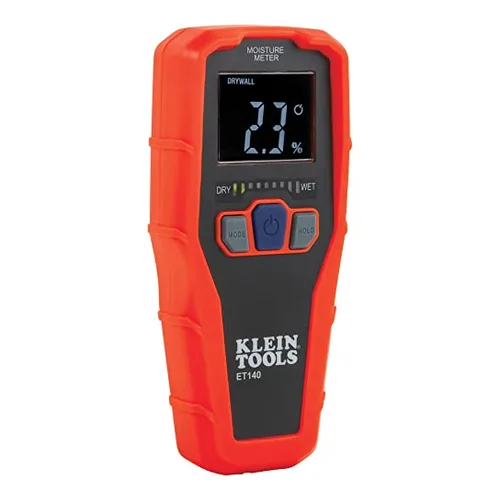
Klein Tools ET140 Pinless Moisture Meter
A shipment of imported lumber is only as good as its moisture content – test it on delivery, not after it warps.
- Best for: verifying kiln-dried claims on incoming mahogany-family shipments
- Why we picked it: non-destructive pinless testing won’t mark or damage boards you’re about to buy or resell
- Main drawback: reads surface moisture only – not a substitute for a proper kiln-drying certificate
Compare more moisture meters
 Option 1 General Tools MMD4E Digital Moisture Meter
|
As an Amazon Associate we earn from qualifying purchases.
Mahogany wood is highly valued in the Philippines. It is known for its durability and beauty. Many local artisans use it to create stunning furniture. This wood plays a significant role in the economy and culture.
Native Growth And Harvesting Practices
Mahogany-family trees (Shorea/tanguile as well as introduced Swietenia plantings) grow well in the Philippines’ tropical climate, but harvesting from natural forests has been effectively off-limits since 2011. Executive Order 23 placed an indefinite nationwide moratorium on cutting timber in natural and residual forests, so the legal supply sold today comes almost entirely from plantation-grown trees or permitted private-land sources, not old-growth logging.
- Plantation Sourcing: Most legal supply now comes from managed tree farms rather than natural forest.
- Private Land Timber Permits: Required for any naturally-grown trees harvested on private land.
- Community Involvement: Local communities are involved in plantation management and reforestation.
Ask any supplier for their DENR Certificate of Origin and Transport Permit before buying – this confirms the wood was legally sourced under these rules.
Economic Impact On Local Communities
Mahogany wood significantly impacts local economies. It provides jobs for many families. The furniture industry thrives on mahogany’s popularity.
| Benefit | Description |
|---|---|
| Job Creation | Workers in harvesting, processing, and crafting. |
| Income Generation | Local artisans earn from selling mahogany products. |
| Tourism Boost | Visitors seek unique mahogany crafts. |
Local communities benefit from mahogany’s trade. They invest in education and healthcare. This wood is more than a resource; it is a lifeline.
Characteristics Of Mahogany Wood
“The wood name Philippine Mahogany is a loose term that applies to a number of wood species coming from southeast Asia… [it] bears no relation to what is considered to be ‘true’ mahogany in the Swietenia and Khaya genera.”
Mahogany wood stands out for its unique qualities. It is prized for its beauty and durability. Understanding its characteristics helps in choosing the right wood for projects.
Color, Grain, And Texture Variations
Mahogany wood has distinct colors and patterns. Here are its main features:
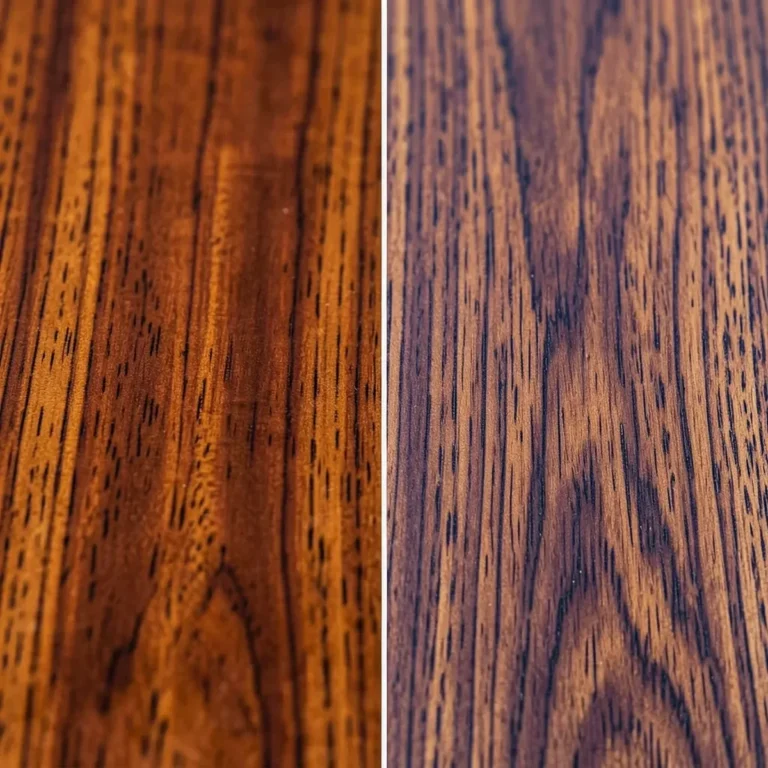
- Color: Ranges from light pink to deep reddish-brown.
- Grain: Usually straight with occasional waves.
- Texture: Fine and even, giving a smooth finish.
These features enhance the visual appeal of furniture and decor.
Durability And Usage Benefits
Mahogany wood is known for its strength. It withstands wear and tear well. Here are its main benefits:
| Benefit | Description |
|---|---|
| Durability | Resistant to warping and rotting. |
| Workability | Easy to cut, carve, and shape. |
| Finish | Holds stains and finishes well. |
| Versatility | Used in furniture, cabinetry, and musical instruments. |
Choosing mahogany wood ensures quality and longevity in any project.
Top Mahogany Suppliers In The Philippines
The Philippines is known for its high-quality mahogany wood. Many suppliers offer various products made from this prized wood. Finding the right supplier can greatly impact your projects. Here, we explore the top suppliers in the country.
Regional Distribution Of Suppliers
Mahogany-family timber is processed across several regions in the Philippines, each with a different focus. Here’s the general pattern:
| Region | Typical Focus | Products Offered |
|---|---|---|
| Luzon | Furniture manufacturing hubs, plantation processing | Furniture, plywood |
| Visayas | Flooring and structural mills | Flooring, beams |
| Mindanao | Plantation and log processing | Logs, finished products |
Reputation And Industry Standing
We don’t recommend a specific named supplier here, since regional lumberyards change frequently and any single named business can’t be verified as current for every reader. Instead, use these factors to vet whoever you’re considering:
- Documentation: A legitimate supplier can produce a DENR Certificate of Origin and Transport Permit on request.
- Certifications: Look for FSC-STD-PHL-01 or similar third-party sustainability certification.
- Verifiable trade history: Cross-check the business on B2B directories like go4WorldBusiness or Accio’s Philippine mahogany supplier directory rather than relying on a single blog recommendation.
Any supplier who can’t produce the paperwork above – regardless of how well-reviewed they look online – is a red flag given the 2011 logging moratorium described above.
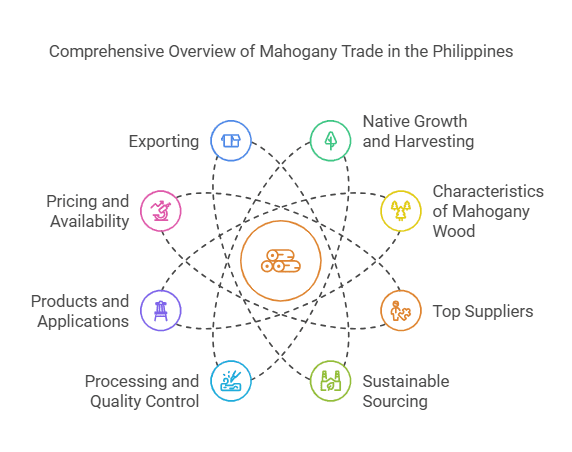
Sustainable Sourcing Practices
Sustainable sourcing practices are crucial for the mahogany wood industry. They ensure that wood is harvested responsibly. This helps protect forests and supports local communities. Here’s how suppliers in the Philippines implement these practices.
Certifications And Environmental Impact
Many mahogany wood suppliers in the Philippines hold important certifications. These certifications guarantee that the wood comes from sustainably managed forests. Here are some key certifications:
- Forest Stewardship Council (FSC) – Ensures responsible forest management.
- Programme for the Endorsement of Forest Certification (PEFC) – Promotes sustainable forest practices.
- Rainforest Alliance – Focuses on biodiversity and sustainable livelihoods.
These certifications help reduce the environmental impact of logging. They promote healthy forest ecosystems. The benefits include:
| Benefit | Description |
|---|---|
| Reduced Deforestation | Logging practices that protect natural habitats. |
| Biodiversity Conservation | Preserving various plant and animal species. |
| Carbon Sequestration | Trees absorb carbon dioxide, fighting climate change. |
Community Involvement And Reforestation Efforts
Mahogany wood suppliers engage local communities in sustainable practices. They prioritize community involvement in various ways:
- Training programs for responsible logging.
- Job creation in sustainable forestry.
- Support for local economies through fair trade.
Reforestation efforts are also key. Many suppliers initiate tree-planting programs. This helps restore areas affected by logging. Benefits of these efforts include:
- Improved air quality.
- Restoration of habitats for wildlife.
- Enhanced community resilience against climate change.
By focusing on sustainable sourcing, mahogany wood suppliers in the Philippines are making a positive impact. They promote responsible forestry while supporting local communities.
Processing And Quality Control
Processing and quality control are vital for Mahogany wood. Suppliers in the Philippines focus on these areas to ensure premium products. They follow strict procedures to maintain high standards. Let’s explore the milling, drying, inspection, and grading processes.
Milling And Drying Procedures
Milling and drying are crucial steps in wood processing. Proper milling shapes the wood to desired sizes. The drying process removes moisture, preventing warping and cracking.
- Milling:
- Logs are cut into planks or boards.
- Machines ensure uniform thickness and width.
- Drying:
- Wood is air-dried or kiln-dried.
- Kiln drying speeds up the process.
These procedures enhance the wood’s durability and quality. Properly processed Mahogany wood stands the test of time.
Inspection And Grading Systems
Inspection and grading systems ensure top-quality Mahogany wood. Suppliers use various methods to assess wood quality.
| Grade | Description | Uses |
|---|---|---|
| Grade A | High-quality, few defects | Furniture, cabinetry |
| Grade B | Moderate defects, good overall | Flooring, paneling |
| Grade C | More defects, lower quality | Construction, non-visible areas |
Inspectors evaluate wood based on appearance and structural integrity. Grading affects pricing and use. High-grade Mahogany wood commands higher prices.
Quality control is essential for maintaining supplier reputation. Regular inspections lead to consistent, quality products.
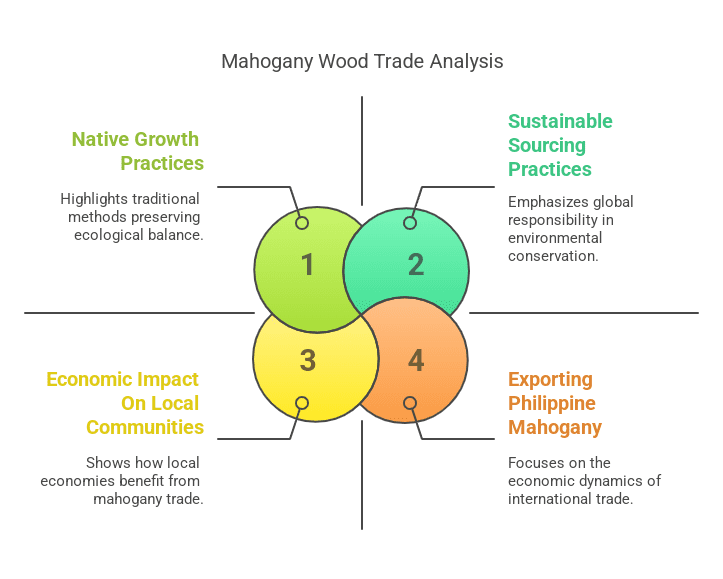
Products And Applications
Mahogany wood is highly sought after for its beauty and durability. Many industries utilize this exceptional wood. From furniture making to construction, mahogany offers various products that serve multiple applications.
Furniture And Construction Material
Mahogany wood is a preferred choice for furniture. Its rich color and fine grain add elegance to any space. Here are some popular furniture items made from mahogany:
- Tables
- Chairs
- Cabinets
- Desks
- Bed frames
In construction, mahogany is strong and resistant to decay. Builders use it for:
- Doors
- Windows
- Flooring
- Decking
Its versatility makes mahogany a top choice for both furniture and construction projects.
Custom Orders And Specialty Products
Many mahogany wood suppliers in the Philippines offer custom orders. This allows clients to create unique products tailored to their needs.
Specialty products include:
| Product Type | Description |
|---|---|
| Custom Furniture | Handcrafted pieces designed to fit specific spaces. |
| Wooden Art | Decorative items carved from high-quality mahogany. |
| Musical Instruments | Beautifully crafted guitars and pianos using mahogany. |
| Architectural Elements | Unique moldings and trims for stunning interiors. |
Custom orders enable businesses and homeowners to achieve their desired aesthetic. Specialty products showcase the versatility of mahogany wood.
Pricing And Availability
Understanding the pricing and availability of mahogany wood in the Philippines is essential. This knowledge helps buyers make informed decisions. Let’s explore the market trends, cost factors, and seasonal availability.
Market Trends And Cost Factors
The demand for mahogany wood affects its price. Several factors influence this trend:
- Quality: Higher quality wood costs more.
- Origin: Locally sourced mahogany is often cheaper.
- Market Demand: Increased demand raises prices.
- Supply Chain: Transportation costs can impact pricing.
Here’s a simple table showing average prices:
| Wood Type | Price per Board Foot |
|---|---|
| Local Mahogany | $4 – $6 |
| Imported Mahogany | $8 – $12 |
Seasonal Availability And Bulk Purchasing
Mahogany wood has seasonal availability. Harvesting typically occurs during dry months. This impacts supply. Check these seasonal trends:
- Dry Season: Higher availability.
- Rainy Season: Limited access to forests.
Bulk purchasing can lower costs. Consider these benefits:
- Discounted rates for larger orders.
- Secure availability during low supply seasons.
- Reduced shipping costs per unit.
Contact suppliers for bulk deals. They often offer competitive pricing.
Exporting Philippine Mahogany
Philippine mahogany is highly sought after worldwide. Its rich color and durability make it a top choice for furniture and construction. The Philippines plays a vital role in this global supply chain.
International Demand And Export Regulations
The demand for Philippine mahogany continues to rise globally. Many countries appreciate its beauty and strength. Key markets include:
- United States
- Canada
- Europe
- Australia
Export regulations are crucial for maintaining quality. The government ensures sustainability through strict guidelines. Key regulations include:
- Compliance with the Philippine Timber Law
- Issuance of Forest Products Export Permits
- Adherence to CITES regulations
These measures protect the environment while supporting the economy. Responsible sourcing is essential for long-term success.
Shipping Logistics And Global Market Presence
Shipping logistics play a vital role in exporting mahogany. Efficient transportation ensures timely delivery. Key shipping methods include:
- Sea freight
- Air freight
Major shipping ports in the Philippines include:
| Port Name | Location |
|---|---|
| Port of Manila | Manila |
| Port of Cebu | Cebu City |
| Port of Davao | Davao City |
These ports facilitate smooth exports to various countries. Philippine mahogany has a strong global market presence. Its popularity continues to grow among manufacturers and builders.
Choosing The Right Supplier
Finding the perfect mahogany wood supplier in the Philippines is essential. Quality wood enhances your projects. A trustworthy supplier ensures you receive the best materials.
Criteria For Selection
Choosing a supplier requires careful consideration. Use these criteria:
- Quality of Wood: Check for certifications and standards.
- Reputation: Read reviews and testimonials from past clients.
- Pricing: Compare prices, but don’t sacrifice quality.
- Variety: Ensure they offer different grades of mahogany.
- Delivery: Confirm their shipping times and reliability.
Use this table for a quick comparison:
| Supplier | Quality | Reputation | Pricing | Variety |
|---|---|---|---|---|
| Supplier A | High | Excellent | Affordable | Wide Range |
| Supplier B | Medium | Good | Expensive | Limited |
| Supplier C | High | Very Good | Competitive | Varied |
Partnerships And Long-term Relations
Building strong relationships with suppliers is crucial. A reliable supplier ensures consistency and trust.
- Communication: Maintain open and clear dialogue.
- Feedback: Share your experiences to improve service.
- Commitment: Choose suppliers who prioritize long-term partnerships.
- Support: Look for suppliers who offer ongoing assistance.
Long-term relationships benefit both parties:
- Better pricing over time.
- Access to exclusive products.
- Priority during high-demand seasons.
Future Of Mahogany Trade In The Philippines
The future of the mahogany trade in the Philippines looks bright. The demand for high-quality mahogany remains strong. Local suppliers are adapting to meet this need. Innovations in technology and sustainable practices are key drivers of change.
Innovations In Wood Technology
Innovations are transforming the mahogany industry. New technologies improve the quality and efficiency of wood processing. Here are some key innovations:
- Advanced Drying Techniques: Reduce moisture content efficiently.
- CNC Machining: Enables precise cuts and designs.
- Eco-Friendly Treatments: Protect wood without harmful chemicals.
These technologies enhance the durability and appeal of mahogany products. Suppliers can offer better options to their customers.
Projected Growth And Challenges
The mahogany trade is expected to grow significantly. Market trends show an increase in demand. Key factors influencing growth include:
- Global Market Expansion: More countries seek quality mahogany.
- Local Craftsmanship: Unique Filipino designs attract buyers.
- Sustainability Initiatives: Focus on responsible sourcing boosts reputation.
Challenges exist in this evolving market. Issues like illegal logging threaten sustainability. Suppliers must adapt to new regulations to stay compliant.
Investing in sustainable practices ensures a bright future for mahogany trade. Collaboration between stakeholders will drive positive change.
Frequently Asked Questions
Where Can I Buy Mahogany Wood In The Philippines?
You can buy mahogany wood from various suppliers across the Philippines. Look for reputable lumberyards and specialized wood retailers. Online marketplaces also offer mahogany options. Always check for quality certifications and sustainable sourcing practices to ensure you receive the best product.
What Types Of Mahogany Wood Are Available?
In the Philippines, you can find several types of mahogany wood. The most common are Philippine Mahogany, Honduras Mahogany, and Meranti. Each type has unique characteristics suited for different applications. Whether for furniture, flooring, or cabinetry, choose the type that meets your project needs.
How To Identify Quality Mahogany Wood?
To identify quality mahogany wood, look for a rich, reddish-brown color. Inspect for a straight grain and minimal knots. High-quality mahogany should feel dense and heavy. Additionally, check for any signs of warping or damage, which can affect its durability and appearance.
Is Mahogany Wood Sustainable In The Philippines?
Mahogany wood can be sustainable if sourced responsibly. Many suppliers in the Philippines practice sustainable forestry. Look for certifications like FSC (Forest Stewardship Council) to ensure ethical sourcing. Supporting sustainable practices helps preserve forests and promotes environmental conservation.
Conclusion
Choosing the right mahogany wood supplier in the Philippines can significantly impact your projects. Quality materials enhance durability and aesthetics. By selecting a reputable supplier, you ensure access to premium mahogany that meets your needs. Invest wisely, and your woodworking endeavors will yield beautiful results for years to come.
Sponsored / affiliate links. As an Amazon Associate I earn from qualifying purchases. I may earn additional commission from eligible campaigns.