Ronseal Deep Mahogany Wood Stain: Application & Care Guide
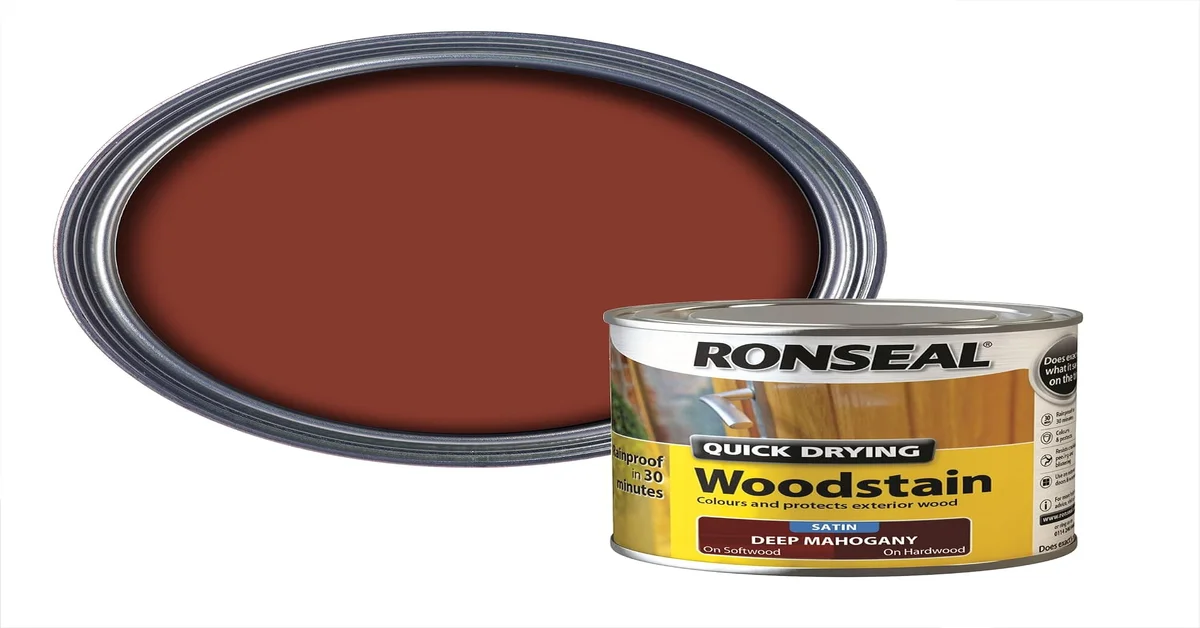
Ronseal Deep Mahogany is a color in Ronseal’s Quick Drying Woodstain line — a semi-transparent, satin-finish exterior wood stain sold in a 250ml resealable tin. It’s a UK brand, sold on US Amazon through third-party sellers, so it’s worth knowing what you’re actually buying before you order it.
What This Stain Actually Is
Genuine Ronseal Deep Mahogany
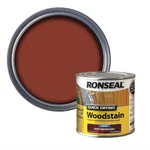 |
Ronseal Quick Dry Woodstain, Deep Mahogany (250ml) – $40.82 The genuine UK-made stain, imported through a third-party Amazon seller — not a US reformulation.
|
Ronseal Deep Mahogany is a semi-transparent, satin-finish exterior woodstain — not a varnish and not a full waterproofing sealant. According to Ronseal’s own product listing, it’s “highly water repellent and rainproof in just 30 minutes” once applied, and it’s formulated to resist cracking and peeling and to protect the wood from sun damage. That’s a meaningfully different (and more accurate) claim than “waterproof” — it sheds rain quickly after drying, but it isn’t a substitute for a dedicated sealant on a surface that sits in standing water.
If you want to confirm your wood is genuinely mahogany before committing to this stain’s color and coverage expectations, our guide to identifying mahogany wood covers the grain and color tells.
Preparation
Proper preparation determines how evenly the stain takes and how long it lasts.
- Clean the surface first. Wipe away dirt, dust, and oils with a damp cloth; use mild soap and water on stubborn grime, then let the wood dry completely.
- Sand with 120–220 grit, working in the direction of the grain, then remove all dust before staining. Sanding opens the wood’s pores so the stain penetrates evenly instead of sitting in blotches.
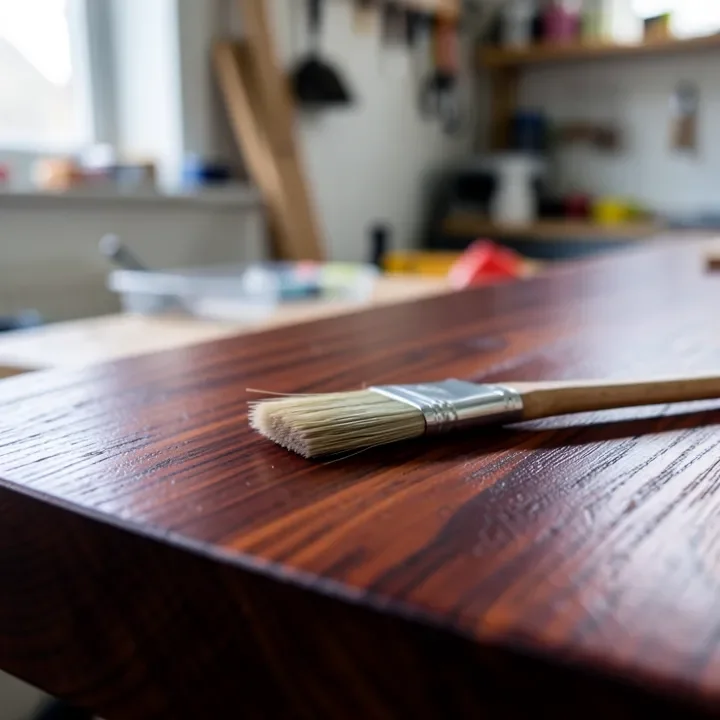
Application: Brush Vs. Rag, And Avoiding Overlap Marks
A brush gives more control for detailed areas (trim, joinery) but can leave visible strokes if you work too slowly. A rag or foam applicator spreads stain faster over large flat surfaces like decking or fencing, with less control on edges. Whichever you use, the technique that actually prevents blotching and overlap marks is the same:
- Work in small sections and keep a “wet edge” — don’t let one section dry before starting the next.
- Apply wet-on-wet and feather the edges of each section into the next.
- Brush or wipe in the direction of the wood grain, not across it.
Wear gloves, a mask, and goggles — this is a solvent-based product, and ventilation matters as much for comfort as for safety.
Drying Time And Second Coats
| Condition | Typical Drying Time |
|---|---|
| Normal room temperature | 2–4 hours |
| High humidity | 4–6 hours |
| Cold conditions | 6–12 hours |
Check the surface before recoating — applying a second coat too early on top of a still-tacky first coat is a common cause of an uneven, cloudy finish. Two coats is typical for the full “deep” color; a single coat will read lighter and more transparent.
Fixing Drips And Touch-Ups
Wipe a fresh drip immediately with a stain-dampened cloth before it sets. For a drip that’s already dried, lightly sand the spot, then reapply stain to blend it into the surrounding area. For larger touch-ups, a foam applicator gives a more even result than a brush on an already-stained surface. Always test on a hidden area first — a scrap piece or an inconspicuous edge — since exact color match depends on the wood’s existing tone and how many coats are already on it.
Aftercare
A woodstain colors and resists weather on its own, but a separate clear topcoat extends its life further on high-wear surfaces: polyurethane for high-traffic areas, varnish for a glossy indoor look, or an oil-based sealant to deepen the grain. Clean stained surfaces with a damp cloth (skip harsh chemicals or abrasive pads), inspect yearly for fading or wear, and plan to reapply stain or a protective topcoat every 1–3 years on exterior wood exposed to sun and rain — sooner in harsher climates.
If fading shows up before that window, it’s almost always sun exposure rather than a product failure — a fresh coat restores the color; a UV-blocking topcoat slows the next round of fading. For decking specifically, see our deck stain color comparison if you’re deciding between a mahogany tone and other options.
Frequently Asked Questions
What Is Ronseal Deep Mahogany Wood Stain?
It’s a color in Ronseal’s Quick Drying Woodstain range: a semi-transparent, satin-finish exterior wood stain sold in a 250ml resealable tin, designed to color the wood and shed rain shortly after it dries.
How Do You Apply Ronseal Deep Mahogany Wood Stain?
Clean and sand the surface first, then apply with a brush or rag in the direction of the grain, working in small sections and keeping a wet edge to avoid overlap marks. Let it dry fully before deciding whether a second coat is needed for a deeper color.
How Long Does Ronseal Deep Mahogany Wood Stain Last?
Expect to reapply stain or a protective topcoat every 1–3 years on exterior wood, depending on sun and rain exposure — sooner in harsher climates, longer on sheltered or indoor surfaces.
Is Ronseal Deep Mahogany Wood Stain Waterproof?
Not fully waterproof — Ronseal describes it as “highly water repellent and rainproof in just 30 minutes” after application. It sheds rain well and resists cracking and peeling, but it isn’t a substitute for a dedicated waterproof sealant on a surface exposed to standing water.
Conclusion
Ronseal Deep Mahogany delivers a rich, warm color and real (if not total) weather resistance in a genuine UK-made woodstain, at import pricing for a small 250ml tin. Prep the surface, keep a wet edge while applying, and plan on a topcoat or a reapplication every 1–3 years on anything left outdoors.
Sponsored / affiliate links. As an Amazon Associate I earn from qualifying purchases. I may earn additional commission from eligible campaigns.