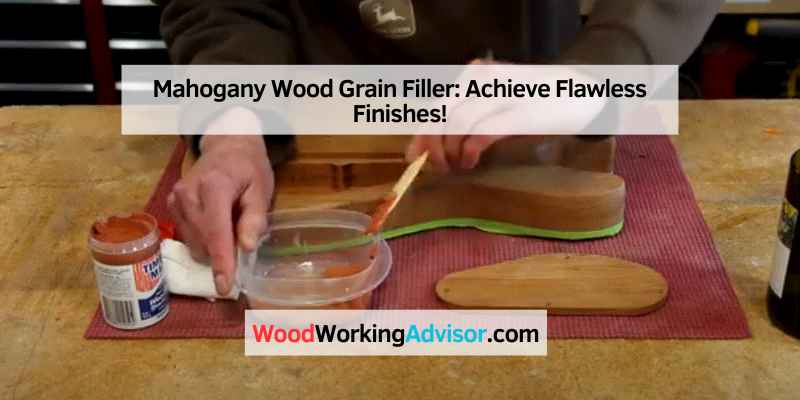
Mahogany Wood Grain Filler: Achieve Flawless Finishes!
Mahogany wood grain filler is a specialized product designed to fill pores and imperfections in mahogany wood. It enhances the wood’s natural beauty while providing a smooth, even finish.
Mahogany wood is prized for its rich color and durability. Many woodworkers and DIY enthusiasts use mahogany for furniture, cabinetry, and decorative items. To achieve a flawless finish, it’s essential to address the wood’s grain and imperfections. A high-quality grain filler can elevate the appearance of mahogany, ensuring that the final product is visually stunning.
Applying grain filler not only smooths the surface but also enhances the wood’s natural depth and character. Using the right techniques can lead to professional-looking results, making your mahogany projects stand out. Understanding the properties of mahogany grain filler is key to achieving a polished finish.
The Beauty Of Mahogany
Mahogany wood is renowned for its rich color and stunning grain. This wood has a warm, reddish-brown hue that enhances any space. Its natural luster makes it a favorite among woodworkers and homeowners alike. The beauty of mahogany goes beyond its looks; it brings elegance to furniture and decor.
Characteristics Of Mahogany Wood
Mahogany wood possesses unique features that set it apart:
- Color: Deep reddish-brown, often darkening with age.
- Grain: Straight and fine, with occasional wavy patterns.
- Durability: Resistant to rot and insects.
- Workability: Easy to cut, sand, and finish.
- Stability: Minimal shrinkage or warping.
| Characteristic | Description |
|---|---|
| Color | Rich reddish-brown |
| Grain | Straight with occasional waves |
| Durability | Resistant to rot and pests |
Benefits Of A Smooth Finish
A smooth finish enhances the beauty of mahogany. Here are key benefits:
- Visual Appeal: A smooth surface highlights the wood grain.
- Protection: Prevents moisture and dirt from damaging the wood.
- Ease of Cleaning: Smooth surfaces are easier to wipe down.
- Improved Longevity: A well-finished surface lasts longer.
Applying a high-quality grain filler enhances the overall appearance. It fills in any pores or imperfections, creating a flawless look. This process ensures that the natural beauty of mahogany shines through.
Why Use Grain Filler?
Using grain filler enhances the beauty of Mahogany wood. It fills the natural pores in the wood. This process creates a smooth surface. A smooth surface allows for better finishes. It also improves durability and appearance.
The Role Of Grain Filler In Woodworking
Grain filler plays a vital role in woodworking. Here are some key benefits:
- Smooth Finish: Grain filler provides a sleek look.
- Improved Stain Absorption: Filler helps stains penetrate evenly.
- Enhanced Durability: Filler protects wood from damage.
- Minimized Dust: Filler reduces dust collection in grain.
Using grain filler is essential for a professional finish. It makes your project look polished and refined.
Comparing Filler Types
Different fillers offer unique benefits. Here’s a comparison of popular types:
| Filler Type | Advantages | Disadvantages |
|---|---|---|
| Water-Based Filler | Easy to clean, low odor | May shrink over time |
| Oil-Based Filler | Excellent adhesion, durable | Longer drying time |
| Epoxy Filler | Very strong, resistant to moisture | Complex application process |
Choose the right filler for your Mahogany project. Consider the advantages and disadvantages. Your choice impacts the final result.
Selecting The Right Mahogany Grain Filler
Choosing the right mahogany grain filler is crucial for your project. The right filler enhances the natural beauty of mahogany. It also ensures a smooth finish. Understanding your options helps you make an informed choice.
Oil-based Vs. Water-based Fillers
Both oil-based and water-based fillers have unique benefits. Here’s a quick comparison:
| Feature | Oil-Based Fillers | Water-Based Fillers |
|---|---|---|
| Drying Time | Longer drying time | Faster drying time |
| Cleanup | Requires solvents | Water cleanup |
| Finish | Rich and deep | Clear and bright |
| Durability | Highly durable | Less durable |
Choose oil-based fillers for a rich finish. Water-based fillers work well for quick projects. Consider your needs and preferences.
Color Matching Tips
Getting the right color match is essential. Here are some tips to help:
- Test on Scraps: Use scrap wood to test color.
- Consider Stains: Use stains to enhance color.
- Check Under Light: Observe color in natural light.
- Mix Filler: Blend fillers for custom shades.
Keep these tips in mind for perfect results. Accurate color matching elevates the beauty of mahogany.
Preparation For Application
Preparing your mahogany surface ensures a smooth finish. Proper preparation enhances the effectiveness of the wood grain filler. Follow these steps for the best results.
Surface Cleaning Essentials
Cleaning the surface is vital. Dust and dirt can ruin your finish. Use these steps to clean effectively:
- Gather your materials: a clean cloth, mild soap, and water.
- Dampen the cloth with soapy water.
- Wipe the mahogany surface thoroughly.
- Rinse the cloth and wipe again with clean water.
- Allow the surface to dry completely.
Sanding Techniques For Mahogany
Sanding prepares the wood for the grain filler. It smooths imperfections and opens the wood grain. Follow these sanding tips:
- Choose the right sandpaper. Use 120-grit for initial sanding.
- Sand in the direction of the grain. This prevents scratches.
- Use a sanding block for flat areas. It helps maintain even pressure.
- Finish with 220-grit sandpaper for a smooth surface.
- Clean the dust off before applying the filler.
These steps ensure your mahogany surface is ready. A clean, sanded surface allows the grain filler to adhere properly. Enjoy a beautiful finish on your mahogany projects!
Applying Mahogany Wood Grain Filler
Applying Mahogany Wood Grain Filler can enhance the beauty of your wood projects. This process smooths out imperfections and enriches the wood’s natural color. A proper application ensures a stunning finish.
Step-by-step Application Process
- Gather Your Materials:
- Mahogany wood grain filler
- Putty knife
- Sandpaper (220 grit)
- Clean cloth
- Paintbrush or roller
- Prepare the Surface:
Ensure the wood surface is clean and dry. Remove any dust or debris.
- Apply the Filler:
Use the putty knife to spread the filler. Push it into the grain. Work in small sections for best results.
- Allow to Dry:
Let the filler dry according to the manufacturer’s instructions. Drying times may vary.
- Sand Smooth:
Once dry, use sandpaper to smooth the surface. Sand lightly to avoid damaging the wood.
- Finish Up:
Wipe away dust with a clean cloth. Apply your desired finish, like stain or varnish.
Common Mistakes To Avoid
| Mistake | Description |
|---|---|
| Skipping Surface Prep | Always clean and dry the wood before applying filler. |
| Over-applying Filler | Too much filler can create a lumpy surface. |
| Ignoring Drying Time | Follow the recommended drying time for best results. |
| Not Sanding Properly | Sand lightly to maintain the wood’s integrity. |
| Using Wrong Tools | Choose the right tools for a smooth application. |
By following these steps, you will achieve a flawless finish. Avoid common mistakes for the best results. Enjoy your beautifully filled mahogany wood!
Drying And Curing Time
Understanding the drying and curing time of Mahogany wood grain filler is essential for achieving the best results. Proper drying ensures that the filler adheres well and forms a strong bond. Curing refers to the hardening of the filler after drying. Both processes affect the final appearance and durability.
Ideal Conditions For Drying
Creating the right environment for drying is crucial. Here are some ideal conditions:
- Temperature: Maintain a temperature between 65°F and 75°F.
- Humidity: Keep humidity levels below 50%.
- Airflow: Ensure good air circulation around the project.
These factors help the filler dry evenly and quickly. Avoid damp or cold areas. Direct sunlight can also cause uneven drying.
How To Test For Complete Curing
Testing for complete curing is simple. Here are methods to check:
- Press your finger gently on the filler.
- Check for any stickiness or soft spots.
- Wait an additional 24 hours if needed.
Another way is to observe the color. Fully cured filler will appear uniform. Use a light sanding to check for any soft areas.
Always follow the manufacturer’s instructions for the best results. Proper curing ensures durability and a beautiful finish.
Sanding After Filler Application
Sanding is a crucial step after applying Mahogany wood grain filler. Proper sanding smooths the surface and enhances the beauty of the wood. This process removes imperfections and prepares the wood for finishing. Achieving a flawless surface requires the right techniques and tools.
Achieving The Ultimate Smoothness
To achieve the ultimate smoothness, follow these steps:
- Wait for the filler to dry completely. This may take several hours.
- Inspect the surface for any raised grains or uneven areas.
- Start sanding with a coarse grit sandpaper (80-120 grit).
- Gradually move to finer grits (up to 220 grit).
- Sand in the direction of the wood grain for best results.
Use light pressure to avoid damaging the wood. Check the surface frequently to ensure it feels smooth.
Best Sanding Tools And Practices
Using the right tools makes sanding easier and more effective. Here’s a list of recommended tools:
| Tool | Description |
|---|---|
| Orbital Sander | Great for large areas. Provides a smooth finish. |
| Hand Sanding Block | Good for edges and corners. Offers more control. |
| Sanding Sponge | Flexible and conforms to curves. Ideal for detailed work. |
Follow these best practices for effective sanding:
- Keep your workspace clean. Dust can scratch the surface.
- Wear a mask to avoid inhaling dust.
- Use a vacuum or a damp cloth to remove dust between sanding.
- Check your work often for smoothness.
By using the right tools and following these practices, you will achieve a beautiful finish on your Mahogany wood.
Final Touches And Finishes
Applying the right finish enhances the beauty of mahogany wood. A smooth, polished look adds depth and richness. Choosing the right topcoat protects the wood and highlights its grain.
Choosing The Right Topcoat
Selecting a topcoat is crucial for your mahogany project. Different finishes offer unique benefits. Consider the following options:
| Topcoat Type | Benefits | Ideal Use |
|---|---|---|
| Polyurethane | Durable, water-resistant, easy to apply | High-traffic areas, furniture |
| Lacquer | Quick-drying, provides a hard finish | Cabinets, detailed projects |
| Oil Finish | Enhances grain, easy to repair | Woodworking projects, decorative pieces |
For a natural look, use an oil finish. For durability, select polyurethane. Lacquer is excellent for quick projects.
Maintenance Tips For Lasting Beauty
- Dust regularly with a soft cloth.
- Avoid direct sunlight to prevent fading.
- Use coasters to protect surfaces from moisture.
- Clean spills promptly to avoid stains.
Reapply the topcoat every few years. This practice maintains the wood’s shine. Always test products on a small area first.
Frequently Asked Questions
What Is Mahogany Wood Grain Filler?
Mahogany wood grain filler is a specialized product used to fill the pores and imperfections in mahogany wood. It helps create a smooth surface for finishing. This filler enhances the wood’s natural beauty and provides a polished look. Using it ensures better adhesion for stains and finishes.
How To Apply Mahogany Wood Grain Filler?
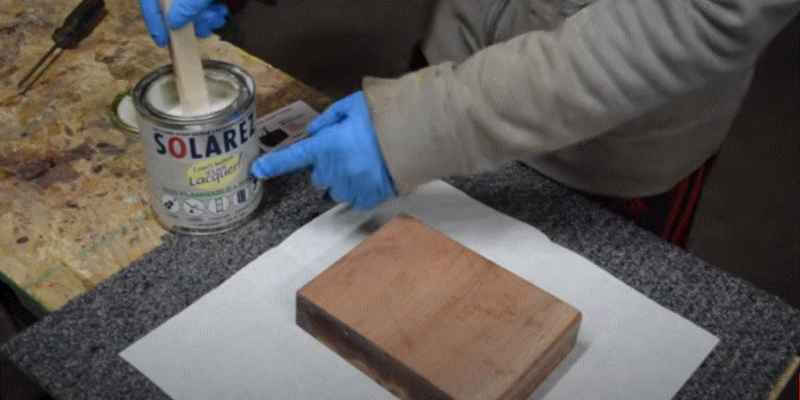
To apply mahogany wood grain filler, start by cleaning the wood surface. Use a putty knife to spread the filler into the grain. Allow it to dry completely before sanding. Finally, wipe off excess filler for an even finish. This process ensures a seamless and professional appearance.
Can I Stain Over Mahogany Wood Grain Filler?
Yes, you can stain over mahogany wood grain filler. Once the filler has dried and been sanded smooth, it will accept stain well. This enhances the wood’s color and grain. Ensure the filler matches the stain color for best results.
Test on a small area first for accuracy.
How Long Does Mahogany Wood Grain Filler Take To Dry?
Mahogany wood grain filler typically takes about 30 minutes to an hour to dry. However, drying times can vary based on temperature and humidity. For best results, check the manufacturer’s instructions. Allowing more time ensures the filler is fully cured before sanding and finishing.
Conclusion
Choosing the right mahogany wood grain filler enhances the beauty of your projects. It ensures a smooth finish and highlights the rich tones of mahogany. By applying the right techniques, you can achieve a professional look. Invest time in selecting quality fillers for the best results in your woodworking endeavors.