Curved-Back Adirondack Chairs: How the Curve Is Actually Made (Sawn vs. Steam-Bent)
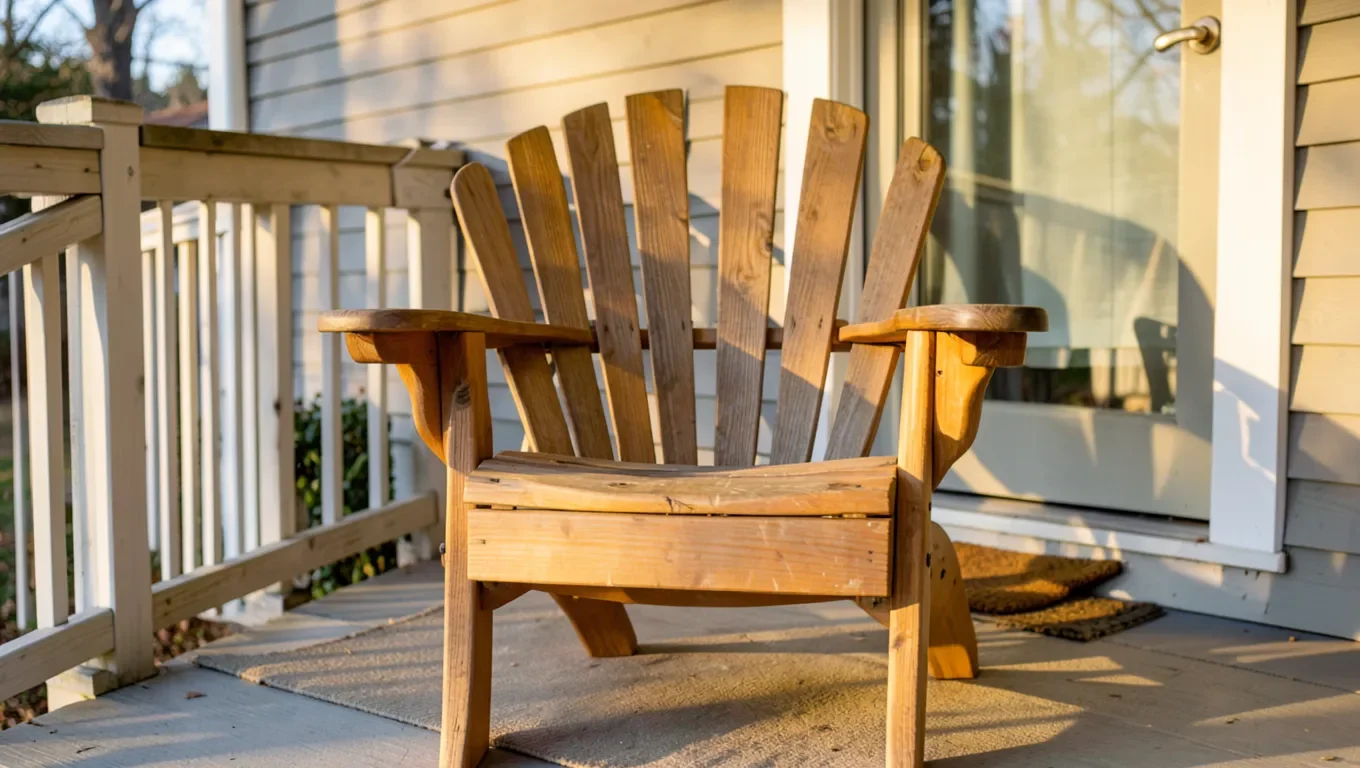
A curved Adirondack chair back is made one of two real ways: bandsawn to shape from a pattern, or steam-bent over a form. Most commercial wood chairs and DIY plans use the bandsaw method — it’s more precise and doesn’t require building a steamer, though it uses more lumber since you’re cutting the curve out of a wider board rather than bending a straight one. Steam-bending is the choice for production runs of identical chairs, since one form can bend many slats quickly once it’s built, but it’s genuinely more setup work for a single chair and the bent slats typically need extra screws to hold their shape long-term.
Why This Matters If You’re Building, Not Just Buying
If You’d Rather Buy Than Build
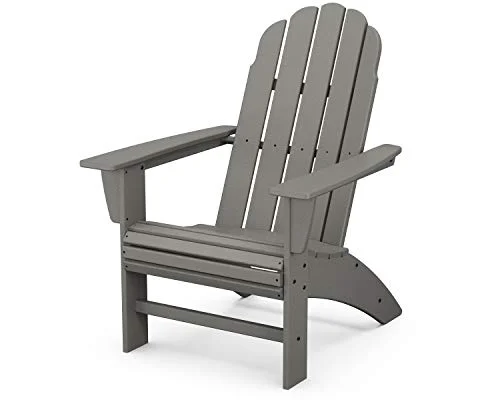 |
POLYWOOD Vineyard Curveback Adirondack Chair – $289.00 A molded HDPE curved back with the same ergonomic shape, no bandsaw or steamer required.
|
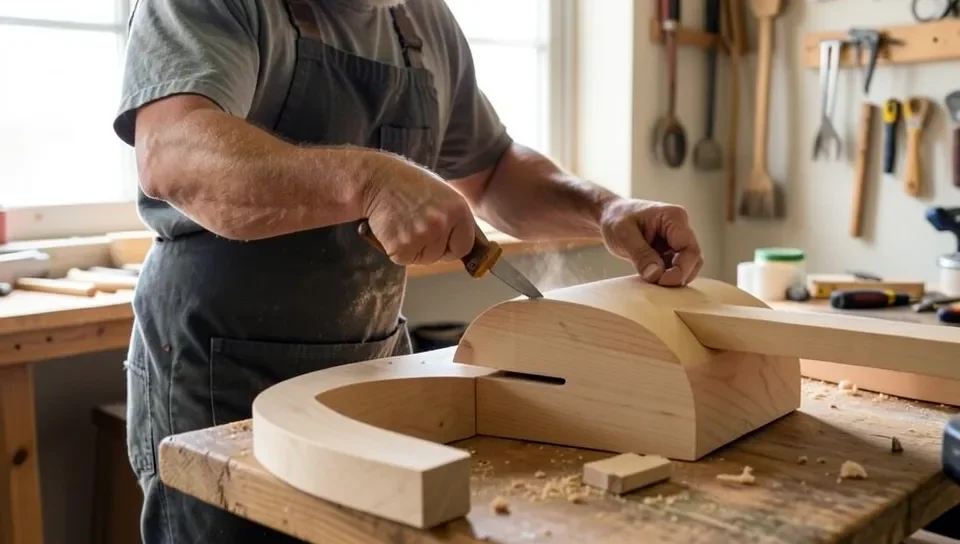
If you’re building a single curved-back chair, bandsawing from a pattern is almost always the more practical choice — you trace the curve from a template, cut it on the bandsaw, and clean up the edge with a hand plane or sander. No steam box, no bending form, no risk of a slat cracking mid-bend. The tradeoff is material: you’re cutting the curved shape out of a flat board wide enough to contain it, so there’s real offcut waste compared to bending a straight piece. For a one-off build or a small handful of chairs, that waste is a fair trade for the simplicity.
When Steam-Bending Actually Makes Sense
Steam-bending earns its complexity when you’re making several chairs from the same design — once the bending form exists, reproducing the curve in each additional slat is faster than bandsawing a fresh pattern piece every time, and the grain follows the curve continuously rather than being cut across it, which some builders prefer for how the finished piece looks. The real-world catch reported by builders who’ve done both: steam-bent slats need to be screwed (not just glued) into their final position to hold the curve permanently, since wood has some tendency to relax back toward straight over time even after bending. If you’re building one chair, that extra setup and risk usually isn’t worth it over a clean bandsaw cut.
Material Choices For A Wood-Built Chair
- Cedar: naturally rot- and insect-resistant, lightweight, easy to work — the most common choice for a wood Adirondack build.
- Redwood: similar natural durability to cedar, with a deeper reddish tone; typically costs more due to more limited supply.
- Pressure-treated pine: the budget option, genuinely weather-resistant thanks to the treatment, though it needs to fully dry before finishing and has a less refined look.
- HDPE/poly lumber: not wood at all, but the material behind most “maintenance-free” curved-back chairs like the POLYWOOD line — won’t rot, split, or need refinishing, at a real cost premium.
Why The Curve Actually Helps Comfort
The traditional Adirondack chair’s flat, steeply-angled back was designed in the early 1900s for reclining, not upright sitting — comfortable in short stretches but not ideal for longer periods. A curved back follows the spine’s natural shape more closely, which is a real, mechanical reason it feels more supportive for extended sitting rather than just a styling choice. It’s the same underlying logic as a curved versus flat chair back in any seating design, applied to the classic Adirondack silhouette.
Maintenance By Material
A wood curved-back chair needs the same basic care as any outdoor wood furniture: clean with mild soap and water, let it fully dry, and reapply an exterior sealant or stain roughly once a year to prevent graying and cracking — cedar and redwood resist decay naturally but still weather and fade without a finish. HDPE/poly chairs need only occasional soap-and-water cleaning; they’re colored through the material rather than painted, so there’s no finish to reapply, which is the real basis for “maintenance-free” marketing claims on that category.
Common Mistakes When Building One Yourself
- Cutting the curve from too thin a board: a bandsawn curve removes material from the outside of the arc, so a board that’s barely wide enough leaves a thin, weak edge at the tightest part of the curve.
- Attempting to steam-bend without a proper form: bending wood without a rigid, well-secured form to hold the curve while it cools and dries usually results in a slat that springs back toward straight.
- Skipping extra fasteners on steam-bent slats: glue alone often isn’t enough to hold a steam-bent curve permanently — screws through the slat into the frame are the real fix builders report needing.
- Ignoring grain direction on a sawn curve: cutting across the grain at the tightest part of the curve creates a genuine weak point; orienting the pattern to keep grain running along the curve’s length where possible reduces the risk of cracking.
Frequently Asked Questions
How is the curve in an Adirondack chair back actually made?
Two real methods: bandsawing the curve from a pattern cut into a wider board, or steam-bending a straight slat over a form. Bandsawing is more practical for a single chair; steam-bending pays off when building several chairs from the same design.
Is a curved back more comfortable than a flat Adirondack back?
Generally yes, for longer sitting. The original flat, steeply-angled design was built for short reclining stretches; a curved back follows the spine’s natural shape more closely, providing more support over extended periods.
Are curved-back Adirondack chairs weather-resistant?
It depends on the material, not the shape. Cedar and redwood resist decay naturally but still need periodic sealing. HDPE/poly lumber chairs are essentially maintenance-free since the color and weather resistance are built into the material itself.
Do I need a steamer to build a curved-back Adirondack chair?
No. For a single chair, bandsawing the curve from a pattern is the more practical approach and doesn’t require building a steam box or bending form. Steam-bending is worth the extra setup mainly when producing several chairs from the same design.
Conclusion
The curve is a real ergonomic feature, not just styling, and how it’s made matters if you’re building rather than buying — bandsaw from a pattern for a single chair, steam-bend only if you’re making several. If building isn’t the plan, a molded HDPE chair like the POLYWOOD Vineyard Curveback delivers the same curved shape without either process. See our Polywood mahogany Adirondack chair review for a closer look at a specific model, or our Vineyard Curveback Dining Chair review if you need dining-table height instead.
Sponsored / affiliate links. As an Amazon Associate I earn from qualifying purchases. I may earn additional commission from eligible campaigns.