Mahogany Wood in Spanish Homes (History, Care & Buying Guide)
Mahogany wood helped build Spain’s Santo Domingo Cathedral as early as 1514, and Spanish colonial craftsmen later made it the standard for church furnishings and fine cabinetry. But much of what’s marketed as ‘Spanish mahogany’ today is actually lauan or nato, cheaper lookalikes that fade and dent far faster than genuine Swietenia species. This guide covers mahogany’s real Spanish colonial history, how to spot genuine mahogany, and how to keep it looking right for decades.
The Allure Of Mahogany
Mahogany captivates with a deep reddish-brown color that darkens over time and a fine, workable grain that has drawn woodworkers to it for over 500 years. Its combination of strength and beauty is why it moved from ship hulls to church altars to living-room furniture across the Spanish-speaking world.
Rich History And Heritage
Mahogany reached Spanish hands through the Caribbean and Central America, where explorers found it growing along the coasts of Cuba, Jamaica, Santo Domingo, and the Bahamas. Indigenous mahogany reportedly went into the Cathedral of Santo Domingo, completed as early as 1514, making it one of the earliest recorded architectural uses of the wood anywhere. Spanish shipbuilders also used it for hulls and timber framing, since it resisted rot and marine borers far better than European oak.
- Used for roof timbers and church interiors in early Spanish colonial buildings
- Shipped to Spain aboard galleons and worked into baroque-style furniture as early as the 1600s
- Later covered in more depth in our guide to mahogany’s furniture history, which traces its rise in Georgian and Chippendale furniture-making
Visual And Tactile Qualities
Mahogany stands out for a deep, rich color that deepens with age and UV exposure, plus a straight-to-slightly-wavy grain that takes stain and polish evenly. Genuine mahogany from the Swietenia genus has a Janka hardness of roughly 800-900 lbf, harder than pine or cedar but more forgiving to hand-tool than oak.
| Feature | Description |
|---|---|
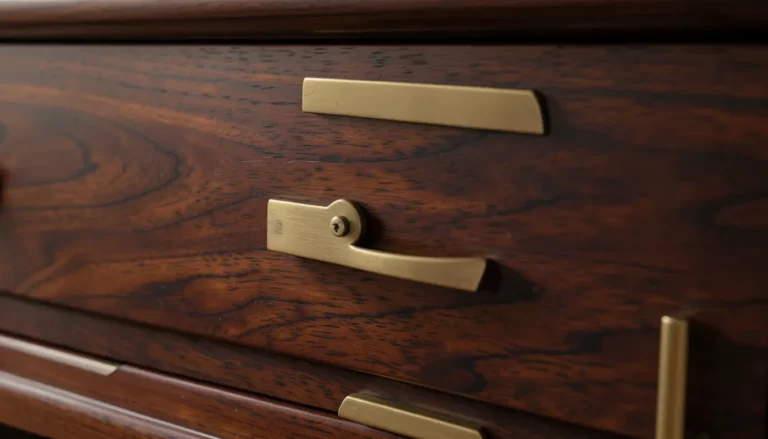
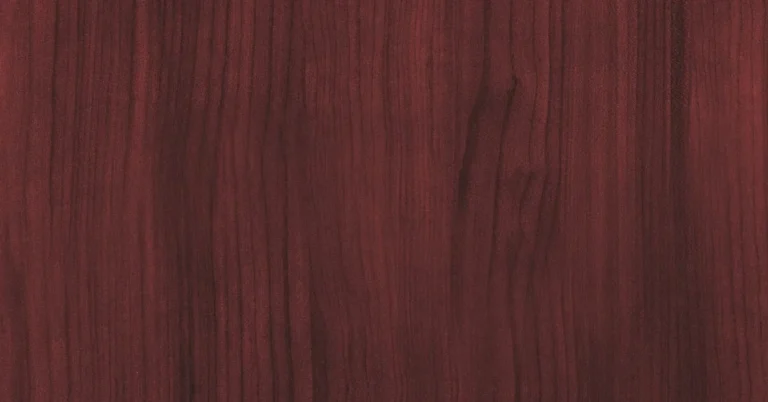
| Color | Dark reddish-brown, deepening with age |
| Grain | Straight, with occasional wavy figure |
| Hardness | ~800-900 lbf Janka (harder than pine and cedar) |
| Texture | Smooth, fine finish that polishes well |
For a closer look at grain patterns and hardness by species, see our full mahogany wood properties guide.
Best Mahogany Furniture Care Pick
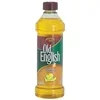 |
Old English Lemon Oil Wood Furniture Cleaner – $5.98 A light mineral-oil conditioner that cleans and revives genuine mahogany’s grain without stripping the finish – the routine cleaning this guide’s care section recommends.
|
As an Amazon Associate we earn from qualifying purchases.
Mahogany In Spanish Architecture
Mahogany’s role in Spanish architecture goes back to the earliest colonial buildings in the Caribbean, where its rot-resistance made it the practical choice for structural timber, not just decoration.
Traditional Use In Spanish Homes
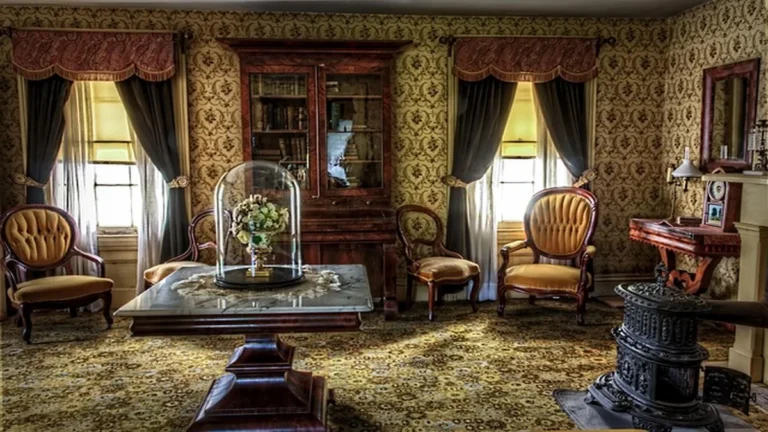
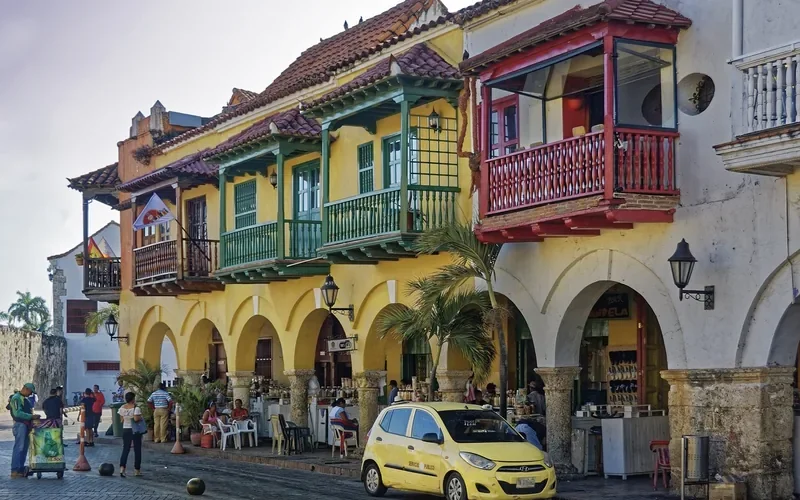
In colonial-era Spanish homes, mahogany appeared in doors, window shutters, ceiling beams, and built-in cabinetry, often left with a simple oil finish rather than heavy stain. Its size and straight grain made it easier to mill into long, uniform timbers than most hardwoods available locally in Spain itself.
Modern Interpretations
Contemporary Spanish and Spanish-influenced interiors use mahogany more selectively today, often as a single statement piece – a dining table or console – rather than throughout a whole room, paired with plaster walls, terracotta tile, and wrought iron for contrast.
Sustainability Of Mahogany Wood
Sustainability in mahogany depends entirely on the source. Big-leaf mahogany (Swietenia macrophylla) has been listed under CITES Appendix II since 2003, which means legal international trade requires an export permit from the country of origin.
Environmental Impact
Decades of unregulated logging pushed big-leaf mahogany toward scarcity across Central and South America, which is what triggered the CITES listing in the first place. Well-managed FSC-certified plantations, mostly in Fiji and parts of Asia, now supply much of the legally traded mahogany on the market.
Responsible Sourcing Practices
Ask for an FSC certificate or CITES permit number before buying solid mahogany furniture or lumber, especially from an unfamiliar import source. Reputable Spanish and Latin American furniture makers will have this paperwork on request; a seller who can’t produce it is a warning sign, not a paperwork technicality.
Craftsmanship In Spanish Mahogany Furniture
Spanish cabinetmakers favored mahogany for carved, baroque-influenced furniture from the 1600s onward, a tradition distinct from the plainer Georgian and Chippendale styles that later dominated British mahogany furniture.
Artisan Techniques
Traditional Spanish mahogany furniture relied on hand-carved relief work, turned legs, and wrought-iron hardware rather than the inlay and veneer work more common in French or English pieces. The wood’s density let carvers cut fine, crisp detail without the wood chipping out.
Contemporary Designs
Today’s furniture makers blend that carved tradition with cleaner lines, using mahogany for tabletops and case pieces while simplifying legs and trim to fit modern rooms.
Integrating Mahogany In Modern Decor
Mahogany’s warm, dark tone pairs well with lighter walls and natural fibers, which keeps a room from feeling heavy despite the wood’s density.
Color Coordination
Cream, warm white, or terracotta walls let mahogany furniture stand out as a focal point rather than blending into a dark room. Cooler grays and blues create more contrast but can make the wood look colder than its natural reddish tone.
Accentuating With Textiles
Woven jute rugs, linen upholstery, and wrought-iron or brass fixtures echo the materials used alongside mahogany in traditional Spanish interiors, reinforcing the look without competing with the wood’s grain.
Maintenance And Care For Mahogany
Mahogany needs less maintenance than many hardwoods, but skipping care entirely lets the surface dry out, crack, and fade faster than it should.
“A light oil conditioner once a month keeps mahogany from drying out at the joints – that’s usually where cracking starts first, not on the flat surfaces.”
— Our woodworking team’s furniture-care notes
Routine Cleaning Tips
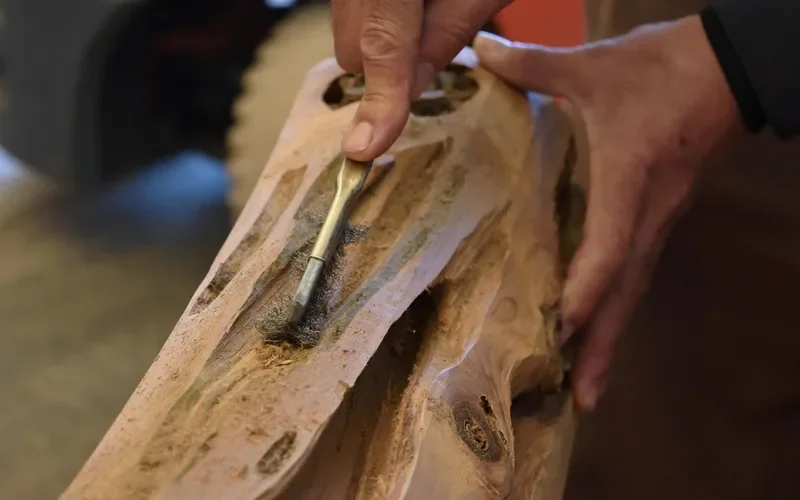
Dust weekly with a soft, dry cloth, and avoid ammonia-based glass cleaners, which strip mahogany’s natural oils and dull the finish over repeated use. A light oil-based conditioner applied monthly replaces those oils and helps prevent surface cracking.
Long-term Preservation
Keep mahogany furniture out of direct sunlight where possible, since UV exposure fades and unevenly darkens the wood over a few years. Coasters and felt pads under decor items prevent the ring marks and scratches that are hardest to buff out of a fine mahogany finish.
The Investment Value Of Mahogany
Genuine mahogany furniture typically holds value better than furniture in cheaper lookalike woods, particularly older pieces with documented provenance.
Appreciation Over Time
Well-maintained antique Spanish colonial mahogany pieces can appreciate meaningfully at auction, especially with an identifiable maker or region of origin, while mass-produced modern mahogany furniture depreciates like most furniture does.
Market Demand
Genuine mahogany lumber runs roughly two to four times the price of oak per board foot, which keeps demand for verified antique and solid-mahogany pieces strong. If you’re buying new lumber rather than furniture, our mahogany wholesale buying guide covers where to source it at fair prices.
Cultural Significance Of Mahogany In Spain
Mahogany carries status in Spanish and Latin American culture partly because of its colonial-era cost and its long association with churches, government buildings, and wealthy households.
Symbolism In Spanish Culture
Owning mahogany furniture historically signaled wealth and permanence, since importing it from the Caribbean was expensive and only well-off households or institutions could afford large pieces.
Mahogany In Spanish Lore
Regional stories in parts of Latin America describe mahogany trees as protected or even feared, tied to the same forests colonial loggers depended on – a cultural echo of how valuable, and how contested, the wood became. For help confirming whether a piece is genuine before you buy or restore it, see our mahogany identification guide.
Frequently Asked Questions
What Is Mahogany Wood Commonly Used For?
Mahogany wood is used for furniture, cabinetry, flooring, musical instruments, and historically for shipbuilding and church interiors. Spanish colonial builders used it for roof timbers and altar pieces because it resists rot and insect damage better than local softwoods.
How Does Mahogany Wood Compare To Other Woods?
Genuine mahogany is harder and more stable than pine or cedar, with a Janka hardness around 800-900 lbf, and it resists warping better than oak in humid climates. It costs roughly two to four times more than oak per board foot, which is why lookalikes like lauan and nato are common substitutes.
Is Mahogany Wood Sustainable?
It depends on the species and source. Big-leaf mahogany (Swietenia macrophylla) has been listed under CITES Appendix II since 2003, meaning legal international sales require an export permit. Look for FSC certification or a CITES permit number on the invoice before buying; unpapered ‘genuine mahogany’ from an unfamiliar seller is a red flag.
How To Care For Mahogany Wood?
Dust with a soft, dry cloth weekly, and apply a light oil-based conditioner monthly to prevent the wood from drying out and cracking. Avoid ammonia-based cleaners and direct sunlight, both of which fade mahogany’s reddish-brown color faster than almost any other hardwood.
Why Was Mahogany Used In Spanish Colonial Buildings?
Spanish colonizers in the Caribbean and Central America found mahogany plentiful, rot-resistant, and easy to mill into long, straight timbers, so it became the default choice for roof framing, doors, and church furnishings. Indigenous mahogany reportedly went into the Cathedral of Santo Domingo, completed in the early 1500s, making it one of the earliest documented uses of the wood in colonial construction.
How Can You Tell If Spanish-style Furniture Is Real Mahogany?
Genuine mahogany has a fine, usually straight grain with a slight ribbon figure when quarter-sawn, and it darkens to a deeper reddish-brown with age and light exposure rather than staying static. If a piece marketed as mahogany looks uniformly pink or orange with a coarse, open grain, it is more likely lauan, nato, or a stained lower-cost hardwood.
Conclusion
Mahogany’s place in Spanish homes goes back centuries, from cathedral timbers in 1514 to the carved furniture that later defined Spanish colonial style. Genuine mahogany still outperforms its lookalikes in durability and color, provided it’s bought with real certification and cared for with a light hand. For the broader picture of how mahogany compares across wood types, see our complete wood types guide.
Sponsored / affiliate links. As an Amazon Associate I earn from qualifying purchases. I may earn additional commission from eligible campaigns.