Zebra Wood vs Mahogany Ukulele: Tone, Weight & Which to Buy
Zebra wood ukuleles are marketed as the “bright” choice against “warm” mahogany, but builders report zebra wood’s roughly 0.74 g/cm³ density sits closer to mahogany’s 0.50 g/cm³ and koa than to genuinely bright tonewoods like maple – the real-world tonal gap is smaller than the marketing suggests. This guide covers the actual density and weight differences, durability, and which wood suits beginners versus collectors.
Introduction To Zebra Wood And Mahogany Ukuleles
Ukuleles made from Zebra Wood and Mahogany each offer unique sounds and visuals. Choosing between them can be tough. Each mahogany variety handles differently on a workbench, and the same applies to how each wood behaves in an instrument body. For a fuller look at mahogany as a material, see our mahogany wood guide.
Distinctive Features Of Zebra Wood
Zebra Wood is known for its striking appearance and vibrant sound. Here are some of its key features:
- Visual Appeal: Zebra Wood has dark stripes that resemble a zebra’s coat.
- Sound Quality: It produces a bright and resonant tone.
- Durability: This wood is strong and resistant to wear – see our breakdown of whether zebra wood counts as a true hardwood.
- Weight: It is relatively lightweight, making it easy to handle.
Characteristics Of Mahogany
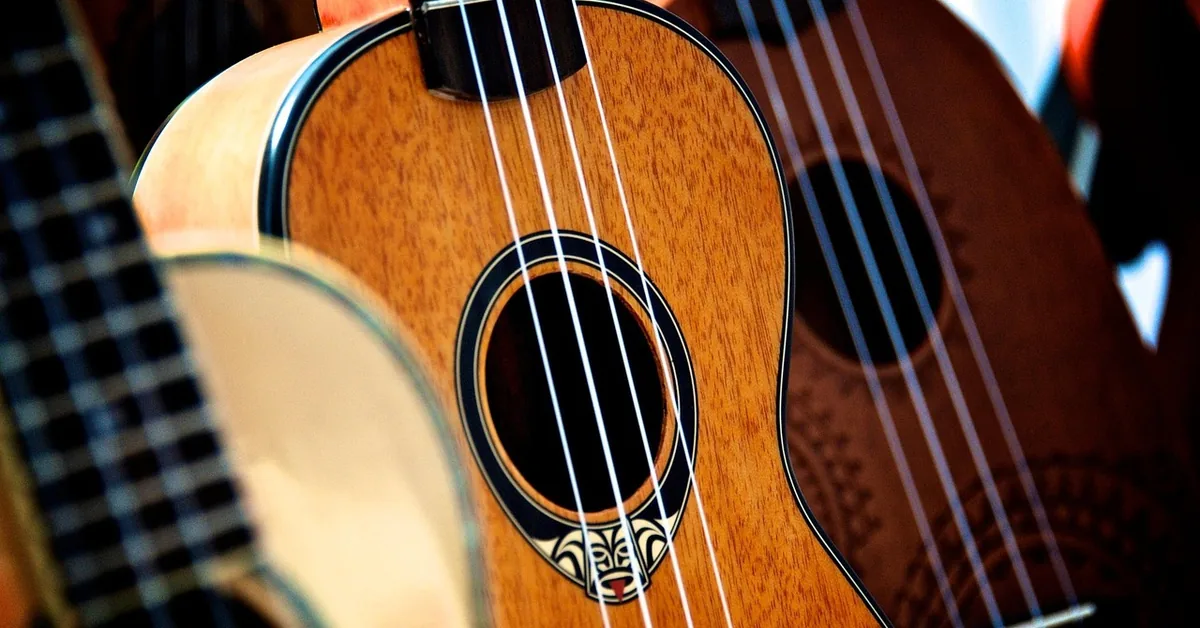
Mahogany is a classic choice for many instruments, including ukuleles. Its characteristics make it highly sought after:
| Feature | Description |
|---|---|
| Warm Tone | Mahogany provides a rich, warm sound. |
| Stability | This wood is stable and resists warping. |
| Color | Mahogany has a beautiful reddish-brown hue. |
| Weight | It is slightly heavier than Zebra Wood. |
Both woods have real, distinct qualities – the difference is smaller than the “bright vs. warm” shorthand implies, as the next section explains.
The “Bright vs. Warm” Myth, Corrected
Quick Answer
Zebra wood is not as bright as most buying guides claim. Its density (about 0.74 g/cm³) and response are closer to mahogany (0.50 g/cm³) and koa than to genuinely bright woods like maple or spruce. Body size and bracing usually change the tone more than the species swap does.
Most articles repeat a simple rule: zebra wood is bright, mahogany is warm. Real builder feedback tells a more nuanced story. According to Kala Brand Music Co.’s tonewood guide, zebrawood “sits in the middle ground – warm enough to be pleasing, with enough brightness for good articulation,” placing it between mahogany’s warmth and the brightness of lighter woods rather than firmly in the “bright” camp.
“Zebrawood’s density compares with koa and myrtle, and its response and tonal qualities tend to mimic mahogany more than the bright end of the tonewood spectrum.”
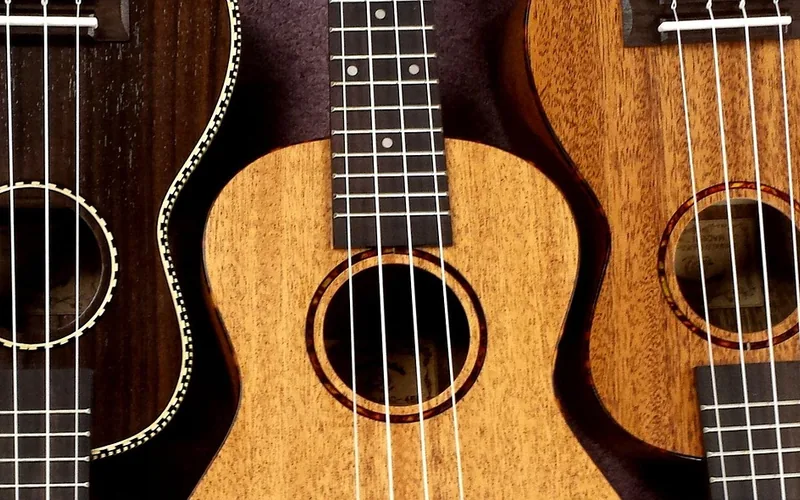
Practically, this means: if you’re choosing zebra wood purely because you expect a much brighter sound than mahogany, temper that expectation. Choose zebra wood for the striped grain and the slightly lighter weight; choose mahogany for the lower cost and the widest selection of beginner-friendly models. Body size, bracing pattern, and string choice change the tone more than the species does on a small-bodied soprano or concert ukulele.
Best Mahogany Ukulele Pick
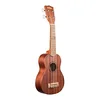 |
Kala KA-15S Mahogany Soprano Ukulele A solid mahogany soprano with a satin finish, walnut fingerboard and bridge, and Aquila strings – the same entry point most of the “warm, traditional tone” advice in this article is describing.
|
As an Amazon Associate we earn from qualifying purchases.
Physical Properties Affecting Tone
The type of wood used in a ukulele significantly impacts its sound. Understanding these physical properties helps players choose the right instrument. Two popular woods are Zebra Wood and Mahogany. Each wood has unique characteristics that shape the overall tone.
Density And Resonance
Density plays a crucial role in determining a ukulele’s resonance. Here’s how Zebra Wood and Mahogany compare, with koa added for reference since builders often bracket zebra wood between the two:
| Wood Type | Density (g/cm³) | Resonance Characteristics |
|---|---|---|
| Zebra Wood | 0.74 | Balanced brightness, closer to koa than to true bright woods |
| Koa (reference) | 0.60–0.65 | Warm-bright middle ground |
| Mahogany | 0.50 | Warm, mellow tones |
Zebra Wood’s higher density gives it a slightly clearer attack. Mahogany’s lower density offers warmth and depth. Both woods provide genuinely different, but not dramatically opposite, tonal qualities.
Grain Patterns And Sound Quality
The grain patterns in wood affect how sound waves travel. Different patterns resonate differently, influencing sound quality. Here’s a breakdown:
- Zebra Wood:
- Striped pattern enhances brightness.
- Great for rhythmic strumming.
- Mahogany:
- Straight grain offers rich, warm tones.
- Ideal for fingerstyle playing.
Grain patterns directly correlate with a ukulele’s sound. Choose the wood pairing that matches your style. Enjoy the unique tones each wood brings.
Zebra Wood Ukuleles: A Deep Dive
Zebra wood ukuleles offer unique features. They stand out with distinct looks and a resonant sound. This section covers tonality, sound projection, and durability.
Tonality And Sound Projection
Zebra wood produces a clear tone with balanced warmth rather than an aggressively bright one. It resonates well, making it a solid choice for both strumming and fingerpicking.
- Clarity: Crisp attack without sounding thin.
- Warmth: More balanced richness than the “bright wood” label suggests.
- Sound projection: Good volume and reach for its size.
Zebra wood works well across music styles, from traditional to modern. Its visual pattern is often as much a factor in a buying decision as its tone.
Aesthetic Appeal And Durability
Zebra wood has a striking appearance. Its bold, contrasting stripes make each ukulele unique. This visual appeal attracts many players and collectors, and its relative hardness compared to other tonewoods also holds up well to regular handling.
| Feature | Description |
|---|---|
| Color: | Light golden brown with dark stripes. |
| Texture: | Smooth, fine grain for a comfortable feel. |
| Durability: | Resistant to wear and tear. |
Durability is another key benefit. Zebra wood withstands humidity and temperature changes reasonably well, though it still needs the same case-humidity care covered later in this guide.
Mahogany Ukuleles: Richness And Warmth
Mahogany ukuleles are known for their rich sound and warm tones. This wood type brings a unique character to each instrument. Players appreciate its deep resonance and smooth playability.
Tonal Warmth And Sustain
Mahogany ukuleles produce a full-bodied sound. Here are some key features:
- Warmth: Produces mellow, rich tones.
- Sustain: Notes linger longer, enhancing sound depth.
- Versatility: Suitable for various music styles.
Mahogany works well for both strumming and fingerpicking, which is part of why it remains the standard wood for entry-level and classroom ukuleles.
Impact Of Age On Mahogany Tone
The age of mahogany affects its sound quality. As it ages, the wood matures and this process leads to richer tones.
| Age of Mahogany | Sound Characteristics |
|---|---|
| New | Bright, punchy, and less complex |
| 5-10 Years | More warmth, improved resonance |
| 10+ Years | Deep, rich tones, excellent sustain |
Older mahogany ukuleles provide a distinct sound. Musicians often seek these instruments for their unique character – the aging process creates a richness that a brand-new instrument, in either wood, has not yet developed.
Comparative Analysis: Sound And Playability
Choosing between Zebra Wood and Mahogany ukuleles involves understanding their sound and playability. Each wood type offers real, if moderate, differences that appeal to different players.
Volume And Clarity
Here’s a quick comparison of volume and clarity:
| Wood Type | Volume | Clarity |
|---|---|---|
| Zebra Wood | Slightly higher volume | Clear, articulate sound |
| Mahogany | Moderate volume with warmth | Rich and smooth sound |
Zebra Wood tends to project a touch more. In contrast, Mahogany offers a warmer sound that excels in softer, mellow music.
Response To Different Playing Styles
Here’s how the two woods tend to respond to playing style:
- Zebra Wood
- Works well for strumming and fingerpicking.
- Responds cleanly to more energetic playing.
- Mahogany
- Ideal for gentle strumming.
- Suits soft melodies and chords.
Zebra Wood suits energetic players and dynamic strumming. Mahogany caters to calmer styles with a smooth response. Both are legitimate choices – the difference is one of degree, not category.
What Players Actually Report
Ukulele forums like Ukulele Underground are a useful reality check against marketing copy. Reported player feedback tends to cluster around a few consistent points rather than the sharp “bright vs. warm” split some buying guides imply.
- Sound Projection: Zebra wood is generally described as clear and articulate rather than harsh.
- Warmth: Mahogany is consistently described as warm and rich, with the widest consensus of any wood comparison.
- Durability: Zebra wood is reported as harder and more resistant to surface wear.
- Appearance: Zebra wood’s striped grain is the single most-cited reason players choose it over mahogany.
| Wood Type | Commonly Reported Use | Commonly Reported Sound |
|---|---|---|
| Zebra Wood | Performance instruments, collector pieces | Clear and resonant |
| Mahogany | Beginner and classroom instruments | Warm and mellow |
Amateur Players’ Reviews
Amateur players commonly report:
- Ease of Play: Many find mahogany easier to get started on, partly because most beginner models use it.
- Cost: Zebra wood ukuleles tend to run pricier, largely because they’re used on higher-tier builds.
- Versatility: Mahogany suits a wider range of playing styles at the entry level.
- Weight: Zebra wood instruments can feel marginally heavier depending on the build.
Care And Maintenance For Longevity
Proper care extends the life of your ukulele. Both Zebra Wood and Mahogany require attention. Understanding their needs helps maintain their sound and appearance. Here are essential tips for keeping your ukulele in top shape.
Humidity And Temperature Effects
Humidity and temperature significantly impact wood instruments. Zebra Wood and Mahogany respond similarly, though their ideal ranges differ slightly.
| Wood Type | Humidity Levels | Temperature Range |
|---|---|---|
| Zebra Wood | 40-60% Ideal | 65-75°F Ideal |
| Mahogany | 45-55% Ideal | 65-80°F Ideal |
Excess humidity can cause warping. Low humidity may lead to cracks. Always use a hygrometer to monitor levels.
Best Practices For Wood Care
Follow these best practices for maintaining your ukulele:
- Keep It Clean: Wipe down with a soft cloth.
- Avoid Direct Sunlight: Store in a case away from sunlight.
- Use a Humidifier: Keep humidity stable in dry conditions.
- Check for Cracks: Inspect regularly for damage.
- Use Proper Strings: Choose strings designed for your wood type.
Regular maintenance ensures your ukulele sounds great for years of use.
Making The Choice: Which Ukulele Suits You?
Choosing between a Zebra Wood and Mahogany ukulele comes down to priorities more than a dramatic tonal gap. Understanding your needs is key to making the right choice.
Considerations For Beginners
Beginners often seek an instrument that is easy to play and forgiving to budget for. Here are some factors to consider:
- Sound Quality: Mahogany gives a warm, rich tone and is the wood most beginner models are built from.
- Weight: Zebra wood is often lighter, making it easy to handle.
- Price: Mahogany ukuleles are usually more affordable – see the Kala KA-15S pick above for a real example under $70.
- Durability: Both woods are sturdy, but zebra wood has a slight edge in surface wear resistance.
Try both types before deciding. Feel the difference in weight and sound for yourself.
Investment Value For Enthusiasts
For enthusiasts, the choice often hinges on sound and aesthetics. Both woods have distinct characteristics:
| Feature | Zebra Wood | Mahogany |
|---|---|---|
| Sound Projection | Clear, slightly brighter | Warm and mellow |
| Visual Appeal | Striking grain patterns | Classic, rich color |
| Resale Value | High demand for unique models | Stable value over time |
Investing in a quality ukulele can enhance your playing experience. Consider your personal style, budget, and long-term goals.
Sustainability And Wood Sourcing
Sustainability matters when buying an instrument built from tropical hardwoods. Over-harvesting can harm forests, and responsible sourcing helps protect the species long-term.
| Wood Type | Sustainability Rating | Usage |
|---|---|---|
| Zebra Wood | Moderate | High-quality instruments |
| Mahogany | Low – genuine mahogany is CITES-listed | Traditional ukuleles (often laminate or certified sources today) |
| Laminate | High | Budget-friendly options |
Genuine mahogany (Swietenia) is listed under CITES Appendix II, which is why many affordable “mahogany” ukuleles today use laminate or FSC-certified sources rather than solid old-growth timber. Choosing certified or laminate options supports the instrument industry without pressuring wild stock.
Frequently Asked Questions
What Are The Main Differences Between Zebra Wood And Mahogany?
Zebra Wood is known for its striking striped appearance and a clear, articulate tone, while Mahogany offers a warm, rich sound with a smoother finish. The tonal gap is smaller than marketing suggests – the choice mostly comes down to look, weight, and budget.
Which Wood Is Better For Ukulele Sound?
Neither wood is objectively “better” – Zebra Wood produces a clearer, slightly brighter tone that suits fingerstyle playing, while Mahogany is favored for its warmer, mellower sound that suits strumming. Your choice should reflect your playing style and budget more than a search for a dramatic tonal difference.
How Does Zebra Wood Affect Ukulele Tone?
Zebra wood contributes a clear, articulate sound with good projection, but its density (about 0.74 g/cm³) puts its resonance closer to koa and mahogany than to genuinely bright woods like maple. Expect balance, not an extreme brightness jump over mahogany.
Is Mahogany More Durable Than Zebra Wood?
No – zebra wood is generally the harder, more wear-resistant of the two, thanks to its higher density. Mahogany is still a stable, dependable tonewood that resists warping well, but zebra wood has the edge on surface durability.
Conclusion
Choosing between zebra wood and mahogany for your ukulele comes down to weight, price, and grain preference more than a dramatic difference in sound – the two woods are closer in density and resonance than most buying guides admit. Zebra wood leans slightly brighter and harder-wearing; mahogany stays the more affordable, traditional choice. Play both if you can, and let your ear and your budget settle it.
Sponsored / affiliate links. As an Amazon Associate I earn from qualifying purchases. I may earn additional commission from eligible campaigns.